
Summary
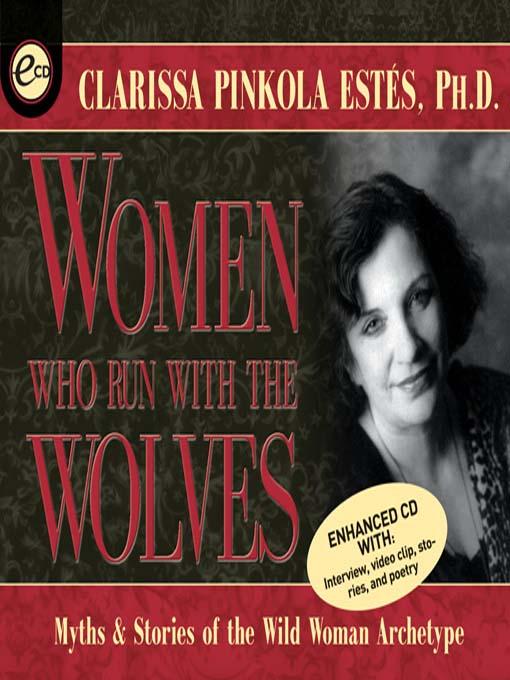
Women Who Run with the Wolves, by Clarissa Pinkola Estés, explores the Wild Woman archetype hidden in myth, fairy tale, and folklore. Through stories drawn from many cultures, Estés invites readers to reclaim the instinctual, creative power that modern life often suppresses. She blends Jungian psychology, storytelling, and personal reflection to reveal how women can recover their true nature.
The first chapter traces La Loba, the Wolf Woman, who collects bones in a dry desert. As she sings her ancient song over the bones, they become a living wolf. This tale shows how creativity and spirit can arise from what seems dead. Estés argues that women must gather what’s left behind—ideas, dreams, hidden parts of themselves—and breathe life into them.
Next, the author recounts the Bluebeard story, warning of destructive relationships. Bluebeard hides the bodies of his former wives in a secret room. Estés interprets Bluebeard as the shadow side of the psyche, urging women to enter their own locked rooms. Only by facing fear and shame can a woman free herself from emotional bondage.
Estés then turns to Pishque, a tale of a young woman who descends into the underworld to rescue her beloved. In that dark realm, Pishque meets death and emerges transformed. This journey underlines the value of descent: to heal wounds, women must confront pain and grief. By doing so, inner resources strengthen.
In another story, La Curandera, a healer travels to midnight cemeteries to gather herbs and whispers to skulls. Estés shows how women can learn from ancestors and spirits. She encourages readers to honor lineage and intuition, drawing strength from ancient roots. The chapter blends practical exercises in dream work and active imagination.
The chapter on the Red Shoes warns of glamour and obsession. In Hans Christian Andersen’s tale, a girl becomes enslaved by her own vanity. Estés highlights how women can lose themselves in external praise and status. She urges readers to balance ambition with inner truth and to recognize when desire rules them.
Estés explores the motif of the Wild Woman as healer and artist in the story of the Handless Maiden. After losing her hands, the heroine learns empathy and humility. When her hands regrow, she gains not only skill but wisdom. This story teaches that loss can foster compassion and creativity.
In the chapter on the Feminine Psyche, Estés describes how modern culture often labels women’s instincts as crazy or hysterical. She invites women to reclaim their “crazy wisdom” and trust inner guidance. Through rituals, journaling prompts, and meditations, readers learn to differentiate true intuition from fear and confusion.
Estés also examines the rite of initiation in various cultures. She shows how girls become women through trials, community support, and rites of passage. In societies that lack these rituals, women may experience stagnation or “soul sickness.” The author suggests creating personal ceremonies to mark life transitions.
A chapter on sisterhood underscores the importance of female friendship. Estés recounts how women once gathered in circles to share stories, heal, and plan resistance. She argues that solitary strength alone can’t sustain growth; community offers reflection, challenge, and celebration. Readers are encouraged to form support networks.
Estés studies the coyote trickster from Native American lore. The coyote teaches adaptability, play, and boundary testing. Through coyote’s follies, women can learn when to push limits and when to step back. Readers find exercises in boundary-setting and playful exploration of desire.
In the section on dreaming and vision, the author stresses that dreams carry messages from the unconscious. She provides guidelines for recording dreams, recognizing symbols, and working with them in conscious life. By honoring night visions, women tap into inner wisdom unavailable during waking hours.
The final chapters offer concrete practices for daily life. Estés recommends morning pages, vision boards, and nature walks as ways to stay in touch with the Wild Woman. She emphasizes creative expression—drawing, dancing, writing—as vital for maintaining psychic health. Simple rituals, like lighting a candle or telling a story, become gateways to the soul.
Throughout the book, Estés uses a warm, conversational tone. She weaves personal anecdotes of her own challenges and healing. These moments break the formality of academic analysis and invite readers into a shared journey. You feel guided by a wise elder, not lectured by a distant scholar.
Women Who Run with the Wolves closes by reminding readers that the Wild Woman spirit never dies. It may slumber under layers of obligation, trauma, or social demands. Yet it waits, ready to awaken. Estés leaves readers with the conviction that reclaiming instinct brings joy, courage, and a richer, more creative life.
Detailed Summary
Key Takeaways
1. The Wild Woman Archetype
“Within every woman there lives a powerful force, filled with good instincts, passionate creativity, and ageless knowing.”
Rediscovering Instinctual Self: Clarissa Pinkola Estés introduces the Wild Woman as an instinctual, creative spirit inside every woman. This force draws from ancient, untamed aspects of the psyche that modern life often suppresses. Through myths and fairy tales, Estés shows how women have lost touch with their core nature and offers steps to reclaim it.
She argues that the Wild Woman embodies deep intuition and spontaneous wisdom. When women reconnect with this force, they tap into resilience, courage, and authentic expression. Estés uses stories from various cultures to illustrate how the Wild Woman emerges when a woman faces trials and listens to her inner voice.
Healing Cultural Fragmentation: By reviving the Wild Woman archetype, women can resist societal norms that promote conformity and disempowerment. Estés’s work encourages readers to reject limiting roles and reclaim their authentic selves. This has inspired women’s groups, therapists, and educators to incorporate archetypal work in healing practices.
Historically, patriarchal systems have labeled strong women as dangerous or mad. Estés reframes these judgments, showing that the Wild Woman’s fierce independence fueled artistic revolutions and social movements. Embracing this archetype can spark personal and collective transformation, leading to more equitable gender dynamics.
Key points:
- Archetype embodies intuition and creativity
- Modern life often suppresses instinctual knowing
- Reclaiming the Wild Woman heals individual and cultural wounds
- Myths and tales illustrate the archetype’s resilience
- Empowers women to resist restrictive norms
2. Myth as Medicine
“Stories aren’t just tales; they are the very fabric of our healing.”
The Curative Power of Story: Estés frames myths, fairy tales, and folktales as “medicine stories.” She insists that these narratives carry the wisdom needed to navigate life’s challenges. By engaging with them, women can uncover hidden aspects of their psyches and find guidance for emotional wounds.
She dissects familiar tales—like “Bluebeard” or “La Loba”—to reveal layers of meaning. Each story symbolically addresses trauma, transformation, or renewal. Estés teaches readers to read between the lines and apply these lessons to their personal journeys.
Revitalizing Psychological Practice: Therapists and counselors have adopted Estés’s method of story analysis to help clients access buried memories and feelings. This narrative approach complements other therapies by providing symbols that resonate beyond rational thought. Individuals often report breakthroughs when they identify with the archetypal figures in these tales.
On a societal level, engaging with myth has reasserted the value of oral traditions. Women’s circles, retreats, and workshops worldwide use “medicine stories” to foster community and shared healing. By honoring these ancestral narratives, groups rebuild cultural continuity disrupted by modernization.
Key points:
- Myths function as psychological medicine
- Analyzing tales reveals unconscious patterns
- “Medicine stories” guide personal transformation
- Therapists use narrative methods for deeper healing
- Reaffirms value of communal storytelling
3. Psychic Epidemics
“When the soul is starved, it grabs at false nourishment.”
Understanding Psychic Malnutrition: Estés coins “psychic epidemics” to describe widespread emotional and spiritual malaise. She explains that when women lack soul-nourishing experiences—like creativity, play, or deep connection—they adopt destructive habits. These can range from overwork to addictive relationships.
She traces how culture often neglects feminine needs, promoting success at the cost of inner life. Psychic epidemics spread when women believe they are unworthy of self-care. Estés urges readers to spot the signs—weariness, cynicism, self-loathing—and take corrective action through ritual, art, and community.
Countering Cultural Burnout: In workplaces and homes, women frequently report burnout and emptiness. Estés’s framework lets them see these struggles as collective issues, not personal failures. Acknowledging psychic epidemics reduces shame and encourages seeking support through creative or spiritual outlets.
Organizations have begun offering “soul care” programs for staff, drawing on Estés’s insights. These initiatives include journaling groups, art therapy, and myth-based workshops. Such measures improve morale and reduce turnover by keeping employees emotionally nourished.
Key points:
- Psychic epidemics stem from soul starvation
- Culture often ignores women’s emotional needs
- Symptoms include burnout and self-criticism
- Storywork and ritual restore inner health
- Communal support breaks cycles of neglect
4. Creative Expression as Ritual
“When you paint, sing, or dance in the spirit of the Wild Woman, you perform a sacred rite.”
Art as Sacred Practice: Estés argues that creativity belongs to the realm of ritual. She encourages women to treat artistic expression as a ceremony honoring the Wild Woman within. Whether through painting, writing, or movement, creative acts become pathways to self-discovery.
She shares prompts and rituals—such as creating a “soul collage” or dramatizing a favorite myth—to help women enter a liminal space. In this threshold, the conscious mind relaxes, allowing the intuitive Self to emerge. Estés presents creativity not as hobby but as a lifeline.
Fostering Personal and Social Renewal: Ritualized creativity supports individual healing and community bonding. Women’s circles centered on art and story create safe arenas for vulnerability and growth. Such gatherings often lead to new friendships, social initiatives, and cooperative projects.
Beyond personal spheres, educators have integrated ritual arts into curricula to nurture students’ emotional intelligence. Movement-based learning, myth-inspired writing, and craft rituals help young people develop resilience and a deeper sense of belonging.
Key points:
- Creativity seen as sacred ritual
- Art unlocks intuitive, hidden knowledge
- Prompts and ceremonies guide inner work
- Women’s circles build community through art
- Educators use rituals to teach emotional skills
5. Cycles of Life and Transformation
“Life moves in spirals, pulling us deep then lifting us high.”
Honoring Natural Rhythms: Estés emphasizes that life unfolds in cycles, mirrored in seasons, moon phases, and bodily rhythms. She urges women to recognize highs and lows as natural rather than personal flaws. This cyclical view contrasts with the linear push for perpetual productivity.
By aligning with these patterns, women learn to rest without guilt during low phases and celebrate renewal in high phases. Estés offers exercises—like mapping one’s menstrual cycle alongside creative energy—to sharpen awareness of these rhythms.
Promoting Sustainable Living: Accepting cyclical patterns helps women avoid burnout by scheduling work and rest in harmony with natural peaks. This approach has influenced menstrual education and workplace policies that accommodate flexible schedules.
On a broader scale, Estés’s cycle-conscious lens has inspired ecofeminist movements. These groups weave environmental stewardship with feminine wisdom, stressing sustainable agriculture and respectful resource use. They see Earth’s cycles as guidance for human coexistence with nature.
Key points:
- Life follows natural cycles
- Highs and lows are healthy phases
- Mapping rhythms enhances self-awareness
- Supports flexible work and rest practices
- Inspires ecofeminist, sustainable action
6. Shadow Work and Integration
“To love the dark, one must first enter into it.”
Facing Inner Darkness: Estés borrows from Jung to show that the “shadow”—repressed parts of the psyche—holds vital energy and truth. She exhorts women to journey into their own darkness to reclaim lost powers. Myths like “La Loca” illustrate how diving into despair can yield wisdom.
Through guided imaginal exercises, she teaches readers to dialogue with shadow aspects: fear, rage, or shame. Integration, she explains, leads to wholeness. By honoring these “banished” parts, women reclaim creativity and resilience once tethered to pain.
Empowering Psychological Growth: Shadow work has become a staple in therapeutic settings. Estés’s accessible methods enable clients to confront inner wounds safely through storytelling and visualization. As a result, many report fewer self-sabotaging behaviors and deeper self-acceptance.
Communities that practice shadow rituals—like fire ceremonies or group drumming—create collective safety nets. In these gatherings, women share their hidden struggles and find solidarity. This communal shadow work strengthens social bonds and fosters compassionate leadership.
Key points:
- Shadow holds repressed yet vital energy
- Myths guide safe encounters with darkness
- Imaginal exercises facilitate integration
- Leads to fewer self-sabotaging patterns
- Group rituals build solidarity and empathy
Future Outlook
Clarissa Pinkola Estés’s vision continues to reshape how women view their inner worlds and societal roles. Her work invites future researchers to study the measurable effects of myth-based therapy. As interest grows, clinical trials and qualitative studies may emerge, validating the healing power of stories and rituals.
Moreover, Estés’s archetypal framework could inform policy discussions around mental health. Lawmakers might incorporate soul-nourishing practices into community health programs. Schools may adopt mythic pedagogy to foster emotional resilience in youth.
Finally, artists and activists will likely expand on Estés’s ideas, weaving Wild Woman themes into new media. Films, immersive theater, and digital storytelling can bring these ancient archetypes to a tech-savvy generation, ensuring the Wild Woman’s howl echoes into the future.







