SUMMARY
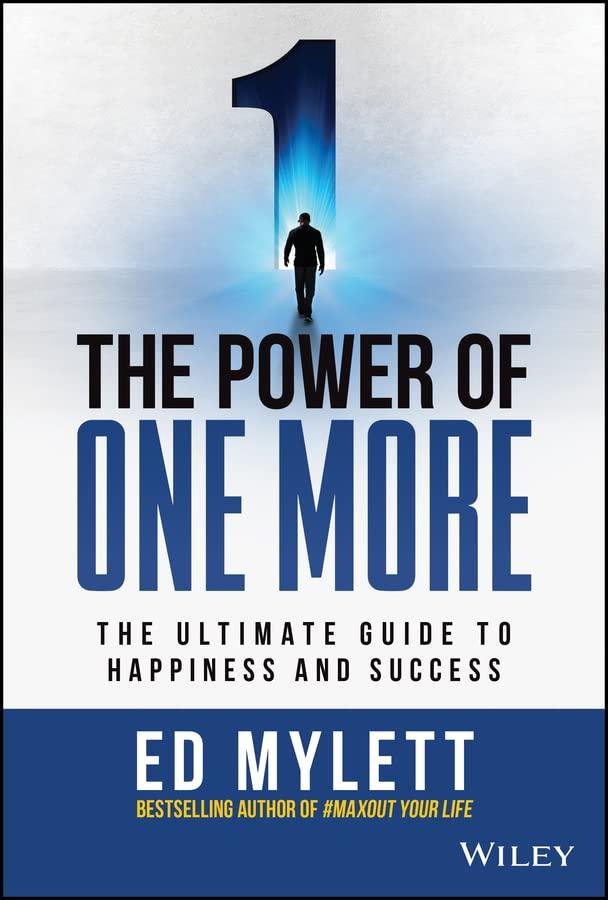
"The Power of One More" by Ed Mylett shows how a single extra effort can transform our lives. Mylett grounds his ideas in real stories from sports, business, and his own journey. He calls this principle “one more”—one more rep, one more phone call, one more minute of focus. Throughout the book, he argues that these small steps build momentum and reshape our identity.
Right away, Mylett challenges the reader’s daily habits. He asks you to notice moments when you stop short, when you settle for average. Then he invites you to push yourself just beyond that comfort line. He uses the example of an athlete who adds one more push-up at the end of a routine. That single rep often makes the difference between good and great.
He dives into mindset next. Mylett insists you must believe you deserve more. You have to see yourself as capable of growth. He shares how as a teenager he struggled with self-worth until a coach told him, “You can always give one more.” That message stuck. It shifted his inner dialogue from doubt to possibility.
Chapter by chapter, Mylett breaks down the key areas we can apply the one-more principle. He starts with health. He recommends adding one more healthy choice each day—one more glass of water or one more minute of stretching. Over weeks, those choices compound into dramatic changes in energy and resilience.
Next comes relationships. He advises making one more genuine connection. That might mean sending a thoughtful text, picking up the phone, or simply listening longer. He tells the story of a busy executive who reached out to a former mentor for one more piece of advice. That single call revived a partnership worth millions.
Career advancement follows. Mylett urges you to take one more small risk. He recalls entering sales contests in his twenties. Each time he dialed one more cold call, he built confidence and skills. At first, he feared rejection. Then he realized every “no” edged him closer to a “yes.”
The book then turns to emotional fitness. Mylett suggests adding one more minute of meditation or journaling. This extra moment helps you notice limiting thoughts before they run your day. He shares his practice of writing three things he’s grateful for, then one more—because gratitude grows fastest at the margin.
Financial habits also get the one-more treatment. He describes saving one more dollar beyond your planned budget. That single dollar symbolizes a change in identity: you become a saver rather than a spender. Over time, those dollars grow into thousands.
Mylett devotes a chapter to leadership. He tells how great leaders give one more ounce of trust to their teams. That extra faith spurs creativity and teamwork. He mentions a CEO who chose to delegate one more responsibility to a junior manager—and watched that person excel.
He then tackles faith and purpose. He encourages you to invest one more minute in reflection on your core values. That extra time can reveal misalignments between daily actions and true purpose. Mylett quotes his own journal, where he added one more sacred goal each morning and found deeper motivation.
The one-more principle applies even to recovery from setbacks. He explains that after a failure you can choose one more step forward rather than retreat. He narrates his own near–bankruptcy episode, when he made one more call to a possible partner. That outreach sparked a comeback beyond his wildest dreams.
Mylett weaves in research on habit formation and neural pathways. He shows that the brain reorganizes itself around repeated small efforts. Each “one more” act rewires our reward system toward perseverance. He keeps the science simple and practical.
Toward the end, he issues a challenge: commit to one more in ten key life areas for thirty days. Track each extra effort in a journal. He promises readers that they’ll end the month transformed—more confident, aligned, and productive.
In closing, Mylett reminds us that big goals feel overwhelming until we break them into micro-steps. One more minute, one more effort, one more chance to succeed. He leaves readers with a mantra: “If you can give one more, you will be one more.” It’s a call to action that resounds long after the final page.
DETAILED SUMMARY
Key Takeaways
1. The One More Mindset
“Success often hides behind the letter ‘M,’ but the real breakthrough comes when you push for one more moment, one more effort, one more call.”
Embracing Incremental Gains: Ed Mylett shows how minor actions, repeated with intention, compound into major achievements over time. You learn to see each opportunity as a chance to do one more push, one more task, or one more rep. This simple shift reframes your thinking from overwhelming goals to manageable steps.
By focusing on just one extra effort, you quiet the inner critic that says it’s enough. That one extra call or minute of practice often separates high performers from everyone else. The book argues that this mindset becomes a habit, rewiring your brain to seek growth in daily moments.
Transforming Habits Into Results: When individuals apply the One More Mindset, they often break through plateaus in work and health. For example, an entrepreneur makes just one more pitch or follows up one more time, and that tiny push yields a new client. Athletes add one more rep and see strength gains they once thought out of reach.
On a broader scale, companies and teams that adopt this culture report improved morale and productivity. Leaders who encourage employees to go one more step foster resilience and accountability. Over time, this approach builds momentum that can reshape entire organizations, turning moderate performers into top achievers.
Key points:
- Reframe big goals into daily increments
- Build a habit of small consistent actions
- Silence self-doubt through one more effort
- Harness compounding effects over time
- Create lasting behavioral change
2. Mastering Personal Routine
“Your morning sets the tone for your entire day. One more minute of meditation can mean one more level of clarity.”
Optimizing Daily Rituals: Mylett insists that success hinges on disciplined routines. He outlines how adding one extra step—like five extra minutes of planning—sharpens focus and reduces stress. In the book, he breaks routines into three stages: preparation, action, and reflection.
You discover methods to enhance each phase by just one additional action. For instance, journaling one more insight or stretching one more minute refines your performance. These marginal tweaks compound, so a small boost in the morning ripples through the rest of your day.
Elevating Productivity at Scale: Individuals who refine their routines see a noticeable jump in energy and output. A professional who reads for one more chapter gains new perspectives daily, which translates into better decision-making. Similarly, adding a single extra gratitude practice can improve mood and relationships.
Organizations benefit when teams adopt these micro-improvements. A sales team that commits to one more team huddle each week syncs better on goals. Over time, these small ritual enhancements accumulate into sustained performance gains.
Key points:
- Structure days with clear phases
- Add one small ritual to each phase
- Leverage micro-improvements for clarity
- Boost energy and focus consistently
- Scale habits across teams
3. Building Relentless Resilience
“Life will knock you down, but one more stand, one more breath, one more choice keeps you moving forward.”
Developing Mental Toughness: Ed Mylett delves into how pushing for one more choice in adversity fosters resilience. You learn techniques to reframe setbacks as steps on the path forward. He shares stories of athletes and business leaders who survived tough losses by refusing to quit.
Through daily mental rehearsals and steady exposure to small challenges, you strengthen your willpower. That extra moment of grit—like standing up one more time—trains your mind to endure bigger trials. Over time, this muscle of resilience becomes your default reaction.
Creating a Culture of Grit: When you adopt the ‘one more’ approach in tough times, you inspire those around you to keep going. Teams facing market dips or product failures that embrace one more experiment often innovate faster. This culture of grit also reduces burnout, since setbacks become chances to learn rather than reasons to quit.
Communities and organizations that highlight this resilience stand out. They weather economic challenges, social shifts, and competition with an unwavering spirit. The ripple effect of sustained resilience can redefine industry standards and societal expectations.
Key points:
- Reframe obstacles as growth steps
- Practice small daily challenges
- Strengthen willpower through repetition
- Model perseverance for others
- Reduce burnout by normalizing setbacks
4. Amplifying Influence Through Service
“Your legacy isn’t built by taking, but by giving just one more act of service when no one’s watching.”
Leading with Generosity: Mylett argues that influence grows when you serve others without expectation. The book highlights simple acts—offering advice, making introductions, or expressing genuine appreciation. Each extra gesture deepens trust and builds lasting connections.
He profiles leaders who advanced careers by investing time in mentees, adding one more minute to listen, one more question to ask. This service-driven mindset not only elevates individuals but strengthens entire networks.
Strengthening Community Ties: In workplaces, teams led by generous leaders report higher engagement and loyalty. Staff members who feel genuinely supported deliver better results. Outside business, community groups that practice ‘one more kindness’ foster stronger bonds and collective resilience.
On a societal level, the one more service ethos can counter isolation and distrust. When individuals perform small, consistent acts of kindness, they trigger a chain reaction. Over months and years, these kindness ripples can reshape social norms toward greater empathy.
Key points:
- Offer one extra act of kindness
- Listen with undivided attention
- Invest time in mentoring relationships
- Build trust through genuine gestures
- Create networks of reciprocal support
5. Harnessing Momentum for Goals
“Momentum isn’t magic. It’s the result of one more push, one more deadline met, one more creative idea.”
Fueling Progress Continuously: The book illustrates how incremental progress powers momentum. You track small wins—like completing one more task on your project board—and watch motivation rise. Mylett emphasizes regular review and celebration of these tiny victories.
By adding one more goal checkpoint or one more feedback session, you maintain forward motion. That small nudge wards off complacency and keeps your vision alive. Over weeks, these mini-milestones form a steady climb toward your ultimate target.
Accelerating Personal and Team Outcomes: Professionals who log and celebrate micro-wins often sustain higher drive levels. A writer finishing one more paragraph daily completes drafts faster and with less stress. Similarly, teams that set mini-deadlines produce more consistent deliverables.
This structured momentum-building reshapes planning in organizations. It helps predict outcomes, allocate resources efficiently, and spot roadblocks early. When momentum becomes part of the culture, groups adapt faster and outpace competitors.
Key points:
- Track micro-wins consistently
- Set mini-deadlines for tasks
- Celebrate small achievements
- Prevent stagnation with extra pushes
- Align daily actions with big goals
6. Investing in Self-Belief
“Belief is a muscle. You strengthen it each time you commit to one more step despite fear.”
Cultivating Unshakeable Confidence: Mylett details exercises to reinforce your belief in yourself through one more affirmation, one more success journal entry, one more reflection on past wins. You learn to challenge negative self-talk by deliberately adding another positive thought.
Over time, these small declarations build a foundation of self-trust. The practice of one more bold claim or one more risk taken fosters a cycle of confidence and action. You break free from limiting beliefs by consistently stretching your comfort zone.
Shaping a Robust Identity: When you feed your mind positive affirmations and review minor triumphs, you rewire your self-image. Employees with strong self-belief perform better in evaluations, propose more innovative ideas, and take ownership more readily. Entrepreneurs overcome early fears and pivot more decisively.
At the societal scale, communities that nurture individual confidence report higher civic engagement and youth participation in leadership programs. This culture of self-belief spawns future leaders who in turn mentor others, sustaining the positive cycle across generations.
Key points:
- Practice one more positive affirmation
- Journal daily successes
- Challenge negative self-talk
- Stretch comfort zones incrementally
- Reinforce self-trust continuously
Future Outlook
The Power of One More invites readers to rethink how they measure progress. By focusing on micro-actions, future leaders will likely design training programs around incremental wins rather than grand milestones. We can expect technology tools to emerge that track and encourage these tiny steps.
In research, academics may explore how the One More Mindset intersects with behavioral economics and neuroscience. Studies could reveal optimal thresholds for marginal gains, refining strategies in education, sports, and therapy. Policymakers might adopt small-step frameworks for social programs, tackling big issues through a series of one-more initiatives.
Ultimately, this philosophy can reshape cultures. Teams, families, and societies may embrace daily micro-goals as catalysts for long-term success. As more people share one extra act of resilience, service, or learning, the collective impact promises to amplify positive change worldwide.