Summary
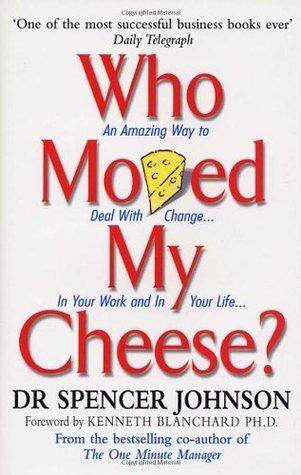
Who Moved My Cheese? by Spencer Johnson uses a simple parable to show how people deal with change in work and life. Four characters live in a maze looking for cheese, their symbol for what makes them happy. Two are mice named Sniff and Scurry. The other two are tiny people called Hem and Haw. Each approaches change differently.
Every morning the group heads to Cheese Station C where cheese lies in abundance. Sniff and Scurry wear jogging shoes. They use simple rules. They check the cheese supply and mark its level. Hem and Haw study the cheese map in detail. They settle in and grow comfortable.
One day the cheese vanishes without warning. Sniff and Scurry quickly accept the loss. They shrug and head off exploring the maze for new cheese. Hem and Haw are stunned. Hem shouts he didn’t sign up for this. Haw tries to think it through but feels betrayed. They feel lost.
Hem and Haw stand by the empty cheese trough hoping it will return. Hem insists someone moved their cheese unfairly. Haw worries but follows Hem’s lead. Neither can see a clear path forward. They cling to their old beliefs.
As days pass Hem complains more and more. He insists the maze maker must replace the cheese at Station C. Haw begins to feel uncertain. He recalls times when change seemed small yet led to better cheese. He wonders if they should explore like Sniff and Scurry.
Haw finally tells Hem they need to move on if they want cheese again. Hem refuses. He fears the unknown corridors. Haw worries too but decides fear won’t help him find new cheese. He plans to leave a note on the wall so Hem might follow later.
Leaving Hem behind, Haw steps into the maze alone. His heart pounds as he faces the dark tunnels. He admits he kept hitting dead ends before but that taught him where not to go. He remembers Sniff and Scurry’s simple rule: adapt quickly.
The maze seems daunting. Haw runs into empty rooms and blind corners. He sometimes feels discouraged. Then he remembers what he wrote on the wall: Change happens. They keep moving the cheese. He laughs at how literal that advice sounds.
Along his journey Haw makes a discovery. He finds little piles of cheese scattered here and there. They’re old bits left by previous travelers. He feels a spark of hope. He writes another message: Smell the cheese often so you know when it’s old.
Each new message gives Haw courage. He learns to imagine himself enjoying new cheese. He pictures the taste of cheddar from Cheese Station N. That image drives him onward.
At times Haw stumbles or almost turns back. He scribbles on the wall: Move with the cheese and enjoy it. He knows stopping for a moment to reflect makes the maze feel friendlier.
Finally Haw spots a glow ahead. He rushes through the last tunnel. There stands Cheese Station N piled high with fresh cheese. Sniff and Scurry cheer. They share a quick nibble and then call Haw to join them. The view seems brighter.
Haw feels pride and relief. He recalls Hem’s stubborn wait at Station C. He wishes Hem would read the messages and venture into the maze. Haw adds on the wall: When you move beyond your fear you feel free.
At the new cheese pile Haw studies the surroundings. He knows cheese might vanish again. So he keeps his running shoes close. He plans to monitor its supply. He writes: Imagining myself enjoying new cheese leads me there.
Back at the empty station Hem still hopes for cheese. He wonders if Haw abandoned him. Yet Hem fears leaving more than he fears being hungry. The lesson stays unread.
Spencer Johnson closes the story noting change is inevitable. Some will adapt early. Others resist too long. The key lies in attitude and action. By watching simple creatures and tiny people we learn that preparing for change and moving swiftly lead to success.
Detailed Summary
Key Takeaways
1. Embrace Change Quickly
“The quicker you let go of old cheese, the sooner you find new cheese.”
Letting Go: In the story, the mice and the littlepeople live in a maze and rely on cheese for happiness and success. When their usual cheese supply runs out, the mice sniff out new sources immediately. In contrast, Hem and Haw, the littlepeople, resist leaving the empty station. They cling to the old routines and comforts.
This hesitation mirrors how people often respond to change in real life. We build habits around familiar routines and cling to past successes. When circumstances shift—jobs close, markets collapse, relationships end—we freeze. We fear uncertainty more than we dislike discomfort. Letting go becomes a radical act of self-trust and hope.
Faster Adaptation: Organizations that embrace change swiftly tend to outpace competitors. Companies that stick to outdated models face market share losses or bankruptcy. For instance, digital photography companies that failed to pivot from film found themselves obsolete. Those that reinvented their products thrived.
On a personal level, individuals who recognize and accept change can discover new opportunities. A friend who lost her long-time job used that moment to retrain in web design. She now enjoys more freedom and higher pay. Change often feels risky, yet it can unlock hidden potential.
When societies stagnate, they fall behind. Economies that refuse to update infrastructure or education systems collapse under global pressures. Adaptation shapes not just business outcomes but the very health of communities.
Key points:
- Recognize when conditions shift
- Release outdated habits swiftly
- Trust in the search for new opportunities
- Avoid dwelling on past losses
- Act before fear paralyzes you
2. Anticipate Change
“Smell the cheese often so you know when it is getting old.”
Early Detection: In the parable, the mice habitually check their cheese station. They sniff the air and notice subtle shifts in scent. This practice lets them spot dwindling supplies. Hem and Haw, however, ignore warning signs until the cheese disappears entirely.
By tuning in to small indicators—customer feedback, economic trends, personal energy levels—we gain early warning. We spot decaying opportunities before they vanish. Anticipation requires curiosity and routine checks on the status quo. It means not waiting for crisis signals to sound.
Proactive Behavior: When businesses monitor market trends, they can pivot strategies before downturns. A retailer tracking consumer habits might shift to e-commerce ahead of foot-traffic declines. That foresight can mean survival rather than closure.
On a personal front, noticing early signs of burnout—falling motivation, sleepless nights—allows one to adjust habits or seek help. Proactive self-care prevents health crises. Anticipation transforms reactive damage control into planned evolution.
In policy and community planning, anticipating demographic or environmental shifts ensures resources match future needs. Planners who forecast population growth can build schools before classrooms overflow.
Key points:
- Perform regular self-checks
- Monitor market or environmental signals
- Cultivate curiosity to spot subtle shifts
- Use small signs as early alerts
- Prevent crises with proactive steps
3. Overcome Fear
“What would you do if you weren’t afraid?”
Facing Fear: Haw hesitates to leave the maze station because fear grips him. He worries about the unknown paths, the lack of cheese, and possible failure. Hem refuses entirely, choosing comfort in emptiness over risk.
Fear often convinces us to stay put. It whispers that the known struggle is better than an unknown adventure. Yet fear also shrinks our world. By asking, “What would I do if I weren’t afraid?” we challenge those invisible barriers. We acknowledge that the risk of regret often outweighs the risk of failure.
Conquering Barriers: When we confront fear, we expand our capacity for growth. Entrepreneurs who overcome fear of rejection pitch bold ideas. Artists who defy fear of criticism create groundbreaking work. Each act of courage redefines what we believe possible.
On a societal level, communities that confront collective fears—of new technologies or cultural shifts—open the door to innovation and inclusion. Fear slows progress. Courage speeds it. When we ask the key question, we discover hidden reservoirs of resolve.
Moreover, teaching children to face fear fosters resilience. Kids who learn to try new things despite anxiety grow into adaptable adults.
Key points:
- Identify paralyzing fears
- Pose the “no-fear” question
- Take small steps outside comfort zones
- Celebrate each act of courage
- Build confidence through repeated practice
4. Visualize Success
“See yourself enjoying the new cheese even before you find it.”
Mental Rehearsal: After initial shock, Haw draws a picture of himself with new cheese. He paints a vivid image in his mind. This vision gives him motivation to venture back into the maze. Each step becomes purposeful because he envisions the reward.
Visualization taps into our brain’s wiring. Athletes mentally rehearse victories. Speakers imagine applause. You create a mental destination that guides each move. The clearer the picture, the stronger the drive to make it real.
Motivational Power: In business, teams rally around a vivid vision of future success. A clear product roadmap inspires engineers. A well-defined mission excites customers. Visualization aligns efforts toward shared goals.
For individuals, imagining positive outcomes reduces anxiety. Before a tough conversation, picturing a constructive dialogue helps choose calming words. Visual rehearsal boosts performance and cuts stress.
Education programs use guided imagery to improve focus and confidence. They find students learn more when they’ve pictured themselves mastering challenges.
Key points:
- Create clear mental images
- Use vision boards or sketches
- Link daily actions to the imagined goal
- Revisit the vision often
- Harness motivation from the mental reward
5. Adapt Quickly to Loss
“When you move beyond your fear, you feel free.”
Moving On: Haw learns that clinging to lost cheese only prolongs suffering. He finally laughs at his own folly and sets out. In the maze, he faces dead ends, but each failure yields new insights about the pathways.
Loss stings, yet it also liberates if we let it. The end of a project, relationship, or career chapter frees energy for fresh pursuits. Adaptation means pivoting swiftly, using lessons from loss rather than mourning forever.
Resilience-building: Communities rebuilding after disasters often emerge stronger. They adopt better infrastructure, improved planning, and tighter bonds. The initial loss triggers innovations in resilience.
On a personal level, a job layoff can spark entrepreneurship. A failed relationship can teach boundaries. Quick adaptation transforms grief into growth.
Psychological research shows that flexibility after loss predicts long-term well-being. Adapting quickly doesn’t erase pain, but it limits stagnation.
Key points:
- Recognize loss as a reset
- Learn lessons from setbacks
- Use new freedom for exploration
- Avoid prolonged rumination
- Channel energy into fresh goals
6. Keep Moving and Enjoy Change
“The more important your cheese is to you, the more you want to hold on to it.”
Continuous Movement: Haw discovers that clinging intensifies suffering. Instead, he writes on the maze wall: “Movement in a new direction helps you find new cheese.” Each step becomes an adventure. He begins to anticipate future cheese rather than mourn the past.
Change ceases feeling threatening when we view it as part of the journey. Movement allows momentum. Rather than fearing each curve in the maze, Haw learns to smile at the unknown and savor the chase.
Sustained Growth: Organizations that embed change into their culture stay relevant. They foster learning, welcome feedback, and reward experimentation. Employees feel empowered, markets respond, and innovation thrives.
Individuals who view life as an ongoing adventure find joy in growth. They embrace new hobbies, travel, relationships, and challenges. Each new experience enriches them. They find fresh ‘cheese’ continuously.
On a broader level, societies that celebrate exploration—be it scientific, artistic, or social—drive progress. By keeping fresh momentum, they avoid stalling and spark waves of creativity.
Key points:
- Value change as a constant
- Reward experimentation
- Build cultural momentum
- Seek novelty actively
- Find joy in each transition
Future Outlook
Spencer Johnson’s simple parable carries profound lessons for a world racing ahead. In the era of rapid technological breakthroughs and shifting marketplaces, “Who Moved My Cheese?” reminds us that agility matters more than ever. As artificial intelligence, climate concerns, and globalization reshape industries, anticipating change and adapting swiftly will define success for individuals and organizations alike.
Looking forward, educational systems may integrate these principles to teach students adaptability from an early age. Workshops and coaching programs could use the maze and cheese metaphor to help people develop mental flexibility. In corporate boardrooms, leaders might track “cheese indicators,” early signals of market shifts, and train teams to pivot without fear or delay.
On a societal level, embracing change could mean redesigning social safety nets that help citizens retrain rapidly when jobs evolve or vanish. Governments might incent continuous learning and risk-taking. Ultimately, if we all learn to move with the cheese instead of lament its loss, we create cultures that thrive amid upheaval rather than collapse.