
Summary
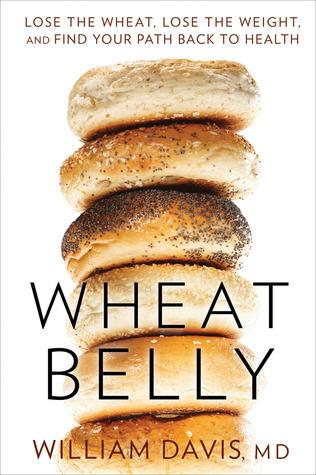
Wheat Belly, written by cardiologist William Davis, challenges the notion that whole grains are inherently healthy. Davis opens by sharing how modern wheat has transformed over the last fifty years. Through selective breeding and chemical treatments, wheat now contains far more addictive forms of gluten. This altered wheat triggers blood sugar spikes and cravings that few people recognize. Davis argues that our standard diet, rich in this wheat, underlies obesity and chronic disease.
At the heart of Davis’s argument is the impact of modern wheat on metabolism. He explains how the body breaks down wheat into simple sugars, often faster than table sugar. Those sugar surges prompt insulin releases, pushing cells to store fat. Over time, repeated spikes desensitize insulin receptors. People gain weight, especially around the waist, while feeling perpetually hungry.
Beyond weight gain, Davis links wheat to a range of health issues. Gluten, he notes, can inflame the gut lining, making it more permeable. This so-called “leaky gut” allows undigested proteins and toxins to enter the bloodstream. The immune system reacts, sometimes attacking the body’s own tissues. Davis points out connections to autoimmune diseases like rheumatoid arthritis, lupus, and type 1 diabetes.
He also examines gastrointestinal distress. Many readers identify symptoms they long dismissed as normal—bloating, gas, diarrhea, or constipation. Davis argues that these stem from wheat’s complex carbohydrates and gluten proteins. Both irritate the gut, altering bacterial balance. By removing wheat, Davis shows evidence of restored gut health in many patients.
Davis dedicates a chapter to skin and mood changes linked to wheat consumption. He recounts patients whose eczema, acne, or psoriasis cleared after quitting wheat. Others report relief from anxiety, depression, and brain fog. He speculates that wheat’s opiate-like peptides disrupt neurotransmitters. When patients avoid wheat, their mental clarity and emotional balance often return.
The book then shifts to the benefits of a wheat-free diet. Davis proposes replacing wheat with low-carb, nutrient-rich foods. He encourages leafy greens, nonstarchy vegetables, nuts, seeds, and high-quality proteins. He stresses healthy fats from olive oil, avocado, and fatty fish. Together, these foods stabilize blood sugar and reduce inflammation.
Davis provides a practical plan for transition. He outlines a two-week wheat-free challenge to break cravings. Readers learn to read labels and identify hidden sources of wheat. He warns that many packaged foods—even those labeled “multigrain” or “whole wheat”—contain the problematic strains. Armed with knowledge, people can make informed choices.
To support long-term success, Davis addresses social and emotional hurdles. He acknowledges how family gatherings, restaurants, and advertising promote wheat foods. He offers strategies for dining out, asking for ingredient details, and suggesting wheat-free swaps at potlucks. He also encourages readers to enlist friends or join support groups. Shared accountability makes change easier.
Davis doesn’t stop at diet. He links exercise, sleep, stress management, and gut health to overall well-being. He recommends daily resistance training and high-intensity intervals to boost metabolism. He explains how poor sleep raises hunger hormones like ghrelin. Stress, he points out, can drive emotional eating and inflammation. By balancing these factors, readers optimize the benefits of a wheat-free lifestyle.
In later chapters, Davis tackles special populations. He advises pregnant women, children, athletes, and seniors on how to adapt the wheat-free plan. For each group, he outlines specific nutrient needs and common pitfalls. He stresses caution with infants and emphasizes whole, unprocessed foods. He offers sample meal plans and quick recipes to suit busy schedules.
Davis also addresses common criticisms. Some experts argue that eliminating wheat causes nutrient deficiencies. He rebuts this by showing how whole grains lack certain vitamins and minerals compared to vegetables and healthy fats. Others worry about social isolation. He counters that a supportive network and creative cooking can make the change sustainable. In every case, Davis uses clinical studies and patient stories to back his claims.
A key takeaway involves reversal of chronic conditions. Davis highlights success stories where patients lower blood pressure, reverse prediabetes, and lose dozens of pounds after quitting wheat. He shares lab results showing improved cholesterol ratios and reduced inflammation markers. These measurable outcomes anchor his argument in science and real-world results.
Toward the book’s end, Davis reflects on the food industry’s role. He explains how government subsidies and marketing campaigns prop up wheat-based products. He urges readers to question those messages and demand healthier options. He advocates for transparency in labeling and more research on processed foods’ long-term effects.
In closing, Wheat Belly offers a clear message: modern wheat does more harm than good. Davis invites readers to try a wheat-free life as an experiment, not a permanent sentence. He encourages curiosity, self-monitoring, and openness to new foods. By losing wheat, he promises that readers can lose weight, curb cravings, and reclaim their health.
With its blend of scientific insight, practical tips, and motivational stories, Wheat Belly serves as both guide and manifesto. Davis aims to change how we view a staple that once fed civilizations but now fuels epidemics. He leaves the question open: what happens when you strip wheat from your diet? For many, the answer is life-changing health and a path back to true well-being.
Detailed Summary
Key Takeaways
1. Grains as Modern Toxins
“Wheat is not the same food your grandmother ate. It has changed in ways that trigger weight gain and disease.”
Genetic Shift: Over the last fifty years, plant breeders have altered wheat to boost yield and pest resistance. These changes reshaped its proteins and starches. Modern wheat now spikes blood sugar faster and provokes a stronger insulin response.
That rise in insulin drives fat storage. It leaves you hungrier soon after you eat. Your body treats today’s wheat like a drug, not a wholesome grain. This shift explains why so many people pack on pounds even when they think they eat
Health Consequences: When insulin remains elevated, it fuels inflammation across your body. You may not notice the inflammation at first. Over time it contributes to diabetes, heart disease, and joint pain.
Weight climbs steadily as your metabolism slows. Many patients discover that removing wheat eases their aches and sheds excess pounds without adopting extreme diets. This insight has reshaped dietary guidelines for millions.
Key points:
- Modern wheat differs genetically from ancestral strains
- High-glycemic starches drive insulin spikes
- Chronic insulin promotes fat storage
- Inflammation underlies common diseases
- Removing wheat can reverse these effects
Future Outlook
As we learn more about wheat’s hidden dangers, the medical community rethinks nutrition advice. Researchers now study refined grains as potential toxins rather than harmless staples. That shift could redefine dietary guidelines globally.
Food manufacturers face rising pressure. We may soon see products certified as “ancient grain” or “non-atherogenic.” Those labels could guide consumers toward safer choices and away from insidious modern hybrids.
Ultimately, Wheat Belly sparks broader questions about agricultural practices. It invites us to consider how human tinkering reshapes the foods on our plates. If wheat can change this much in decades, what else might we need to rethink to protect our health?







