Summary
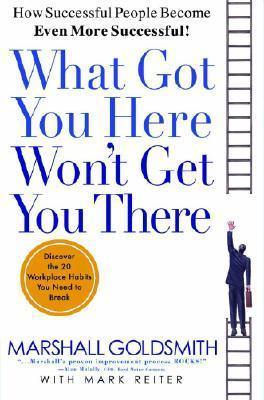
Marshall Goldsmith’s What Got You Here Won’t Get You There offers a fresh blueprint for leaders and professionals eager to move beyond current success. Goldsmith, a renowned executive coach, argues that habits that propelled you forward may now be holding you back. He guides readers through a proven approach to identify and change these behaviors, paving the way for sustained growth.
Goldsmith begins by showing how even talented individuals can derail their careers with small missteps. He highlights common workplace foibles—interrupting others, taking credit, and resisting feedback. These flaws often lurk unnoticed because they once seemed innocuous or even helpful. Yet, as responsibilities expand, these same habits disrupt relationships and performance.
He then introduces the concept of 20 workplace habits that sabotage success. From the need to win every argument to failing to express gratitude, each habit chips away at credibility. For example, talking too much in meetings might once have signaled confidence. But in a leadership role, it stifles collaboration and dampens others’ voices.
Goldsmith stresses that awareness alone isn’t enough. He outlines a six-step behavioral change model adapted from the work of Joseph Juran. First, you must seek honest feedback. Then, you prepare a personal development plan. Next comes soliciting support, after which you take daily action. Finally, you gauge progress through follow-up surveys.
He devotes an entire chapter to feedback, noting that people tend to avoid giving honest input to avoid tension. Goldsmith teaches you to ask clear questions like, “What one thing could I do differently?” That single open-ended query can spark the truth and reveal blind spots you never suspected.
In another pivotal section, he explains the power of feedforward. Instead of dwelling on past mistakes, feedforward invites people to suggest concrete ways you might improve in the future. This positive twist encourages engagement and spares everyone the sting of criticism.
Goldsmith then tackles excuses. He argues that blaming circumstances or other people delays real progress. Readers learn to own their actions and drop phrases such as, “I don’t have time,” or “That’s just the way I am.” By committing to a new plan, you shift from rationalizing to acting.
The author highlights the importance of follow-up and measurement. He shares anecdotes of executives who slipped back into old habits when accountability waned. To prevent relapse, he recommends regular check-ins with colleagues and mentors, and simple surveys to track improvements over time.
Goldsmith also emphasizes the role of apologies and expressions of gratitude. A sincere “I was wrong” can defuse tension and rebuild trust. Likewise, saying “thank you” regularly shows you value others’ contributions. These small gestures reinforce positive relationships.
Throughout the book, Goldsmith peppers in real-world examples. He describes a top executive who couldn’t resist interrupting and nearly lost a high-stakes merger. By applying the six-step method, that leader trimmed the interruptions and watched communication flourish.
Another story centers on a CEO who routinely dominated meetings. He practiced asking open questions and letting others speak, which led to richer ideas and stronger buy-in. Colleagues felt heard and engagement spiked.
Goldsmith follows each anecdote with direct takeaways and exercises. You might commit to a one-word change plan—like “listen”—and then track every interaction. This singular focus helps avoid overwhelm and fosters steady progress.
He dedicates a chapter to sustaining change under stress. He notes that busy periods often trigger old habits. His advice: anticipate pressure, review your plan daily, and remind yourself of the long-term payoff. Small, consistent actions beat dramatic but short-lived efforts.
Toward the end, Goldsmith urges leaders to make behavior change a core competency in their teams. By teaching these methods to others, you create a culture of continuous improvement. Teams become more adaptable and resilient when everyone commits to personal growth.
In the closing pages, he offers a final reflection: success in the future depends less on technical skill and more on emotional intelligence. The ability to listen, empathize, and adjust behavior separates great leaders from merely good ones. What got you here won’t get you there—unless you change.
What Got You Here Won’t Get You There blends insightful stories with hands-on tools. It challenges readers to confront their blind spots and adopt a systematic approach to improvement. For anyone striving to move beyond current achievements, Goldsmith’s guide provides clear steps toward lasting growth.
Detailed Summary
Key Takeaways
1. Success Blind Spots
“What got you here won’t get you there.”
Awareness of Limiting Behaviors: Marshall Goldsmith opens by noting that many successful leaders excel through a set of skills and habits that propelled them upward. Yet those same routines can block further growth. He shows how traits once deemed assets—like speaking up too quickly or resisting feedback—become hindrances at higher levels.
He underscores that awareness marks the first step. Leaders must pause and list the behaviors holding them back. This self-audit demands honesty. Without it, people simply repeat past successes instead of adapting to new demands.
Barrier to Advancement: Goldsmith argues these blind spots stunt careers. For instance, a top sales exec who drove revenue by bulldozing objections may alienate peers when promoted to a collaborative role. The inability to shift away from old patterns erodes trust and stalls progress.
On a broader scale, organizations risk plateauing when their leadership clings to outdated approaches. Teams lose morale and innovation stalls. Recognizing and uprooting these behaviors fosters a culture that embraces learning rather than repeating history.
Key points:
- Habits that once helped can later hinder.
- Self-awareness is crucial for continued growth.
- Successful individuals often resist seeing their own faults.
- Unchecked behaviors erode trust over time.
- Career stalls when leaders ignore feedback.
2. The Feedback Loop
“Listening is not waiting to speak.”
Active Feedback Practices: Goldsmith highlights the power of genuine listening. Many leaders collect feedback superficially—just to check a box. Instead, he advocates creating a continuous loop: seeking input, applying changes, then looping back for more critique.
He outlines a step-by-step process. First, identify a single behavior to improve. Then ask trusted colleagues to rate progress weekly. Finally, thank them for candid input. This cycle embeds listening into daily routines.
Transforming Relationships: When leaders truly listen, they build stronger bonds. Employees feel heard and valued. That goodwill boosts engagement and retention. Teams collaborate more openly, since fear of speaking up fades.
In the long run, companies that embrace continuous feedback outperform peers. They adapt faster to market shifts and foster innovation. Goldsmith’s loop becomes a strategic advantage, not just a soft-skill exercise.
Key points:
- Ask for specific, measurable feedback.
- Limit focus to one behavior at a time.
- Track progress weekly.
- Express gratitude for all input.
- Embed feedback into daily routines.
3. Letting Go of Winning
“Winning the argument can mean losing the relationship.”
Choosing Relationships Over Ego: Goldsmith warns against the constant need to be right. He recalls leaders who demolish objections, only to find colleagues shrink away. To grow, he says, you must surrender the urge to win every debate.
He suggests pausing before sharing a counterpoint. Ask yourself: Does this matter more than our bond? If not, stay silent or acknowledge the other view. That restraint strengthens credibility and opens doors for genuine dialogue.
Building Trust and Influence: By ceding small battles, leaders earn goodwill. Teams see them as fair and open. That fosters loyalty, which proves invaluable during crises or high-stakes decisions.
Culturally, companies shift from combative to collaborative. Employees contribute ideas without fear. In this environment, innovation thrives, and decision-making improves.
Key points:
- Resist the need to prove yourself.
- Weigh relationship vs. winning.
- Interrupt less; ask more questions.
- Acknowledge others’ viewpoints.
- Prioritize long-term trust.
4. Apology as a Tool
“An apology without a change is just words.”
Beyond Words to Actions: Goldsmith stresses that saying sorry means little without behavioral shifts. He recounts executives who apologized repeatedly but never altered their actions. Their teams tuned out the apologies.
He prescribes a three-step apology. Admit the mistake, express genuine regret, and outline steps you’ll take. Then follow through and circle back for feedback. That sequence turns words into credibility.
Restoring Credibility: A sincere, action-backed apology can heal damaged relationships. When colleagues see real change, they rebuild trust. That lays groundwork for stronger collaboration and higher morale.
On an organizational level, leaders who model this pattern set a tone. Teams learn to own errors and fix them. The result is a culture of accountability rather than blame.
Key points:
- Admit specific errors.
- Express real regret.
- Commit to concrete steps.
- Follow up on change.
- Rebuild credibility through actions.
5. Feedforward Focus
“Don’t look back; look forward.”
Shifting from Feedback to Feedforward: Rather than dwelling on past mistakes, Goldsmith introduces “feedforward.” This technique asks peers to suggest future improvements without revisiting old errors. It keeps discussions positive and future-oriented.
He advises holding short sessions where team members propose two or three forward-looking ideas. That simple shift generates creative solutions and avoids blame. The positive framing accelerates behavioral change.
Energizing Change: Feedforward motivates people to envision what’s next instead of rehashing failures. Teams feel optimistic and engaged. They innovate more and tackle challenges proactively.
Companies adopting this method report faster adoption of new strategies. Employees own their development, and managers coach rather than critique. The overall pace of improvement quickens.
Key points:
- Focus on future actions.
- Avoid re-litigating past mistakes.
- Gather positive suggestions.
- Encourage forward-thinking ideas.
- Boost team morale and engagement.
6. Sustaining Change
“What matters isn’t a single breakthrough but daily habits.”
From Short-Term Wins to Lasting Habits: Goldsmith shows that lasting success stems from habit formation, not one-off efforts. He explains how small, repeated actions build new neural pathways over time. He points to research: daily 15-minute exercises yield more impact than occasional marathon sessions.
He outlines a six-step plan: clarify goals, analyze current behaviors, get feedback, practice new actions, measure progress, and celebrate improvements. That cadence cements new habits.
Embedding Excellence: Organizations that embed these routines see sustained performance gains. Leaders model continuous learning and improvement. Teams internalize the process and pass it on.
Over the long term, the company evolves into a learning organization. It adapts to disruptions and seizes opportunities faster. The cumulative effect far outstrips one-time fixes.
Key points:
- Set clear, specific goals.
- Use daily practice sessions.
- Track progress rigorously.
- Celebrate small wins.
- Embed changes into routines.
Future Outlook
Looking ahead, Goldsmith’s ideas reshape leadership development. Companies will lean further into real-time feedback and feedforward. They’ll harness technology—like pulse surveys and peer-rating apps—to streamline the process. Leaders who master these tools will outperform peers in agility and innovation.
On a societal level, the shift toward continuous, forward-looking improvement may spill into education and public policy. We could see schools teaching feedforward methods alongside math and reading. Governments might adopt these practices to refine programs without getting stuck on past missteps.
Ultimately, the core message endures: growth requires letting go of past shortcuts. What lifts you today may hold you back tomorrow. Embracing conscious, habit-based change keeps individuals and organizations relevant, resilient, and ready for whatever comes next.







