Summary
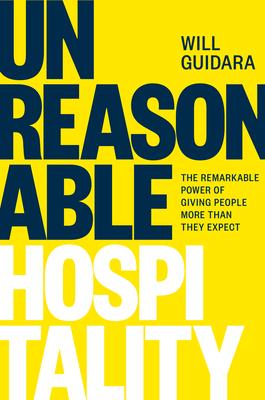
Unreasonable Hospitality by Will Guidara takes you behind the scenes of modern fine dining through the lens of extraordinary service. Guidara, who co-owned the celebrated Eleven Madison Park, argues that true hospitality goes beyond a beautiful plate. It lives in those tiny, unexpected moments when guests feel seen and cared for. Throughout the book he shares vivid stories and hands-on advice aimed at anyone who wants to transform their work and life through generosity.
Guidara kicks off with an anecdote about a simple goldfish. In his early days as a manager he watched a waiter soothe a distressed child at a wedding by offering to refill a goldfish bowl. That small act made an anxious kid grin and turned nervous parents into loyal clients. From that day he grasped how minor details spark big emotions. He learned that hospitality isn’t reserved for grand gestures alone.
He then describes a concept he calls “The Unreasonable Act.” It’s the unexpected gift that surprises a guest long after their meal. At Eleven Madison Park his team once shipped a guest’s favorite dessert home free of charge even when the restaurant was closed. The client returned season after season. Guidara insists that you must ask, “What can we do that nobody else would?” and then do it without hesitation.
Next he explores the importance of curiosity. Guidara profiles a server named Maria who watches diners’ body language closely. She notices when a guest shivers and slips over an extra blanket. Or spots the lonely traveler and strikes up a quick chat about hometown traditions. Maria shows that paying attention to small clues leads to authentic interactions. You can’t deliver remarkable hospitality from a script.
He dives into the power of ownership. Staff at Eleven Madison Park treated the restaurant as if it were theirs. They’d volunteer to stay late polishing silver or taste-test new recipes at odd hours. Guidara writes that leaders should empower teams to make decisions on the spot. When a customer needs a replacement charger or a puppy sitter, staff should say “Consider it done” rather than “Let me check.”
Then comes a chapter on intention. He highlights a banquet in which the kitchen surprised a pianist with his favorite breakfast during a break. No memo from the organizers. Just a cook who remembered a casual comment. That level of care signals respect and thoughtfulness. It turns routine events into memorable experiences.
Hospitality also thrives on trust. Guidara recalls training sessions where he told trainees, “You can fail.” He wanted them to innovate without fearing punishment. One trainee experimented with a five-course tasting menu served blindfolded. Most diners loved it. Some found it odd. But everyone talked about it later. Trust unlocked creativity.
In another section he stresses the value of rituals. Every shift at Eleven Madison Park began with a team huddle called “The Circle.” They’d share good news, laugh at mishaps and set daily intentions. These gatherings bonded the team and focused everyone’s energy. Rituals bring people together in shared purpose.
A surprisingly short chapter reminds you to celebrate mistakes. Guidara tells of a botched dinner service when a guest spilled red wine on a white tablecloth. Instead of panic he watched the sommelier calm the guest by offering a complimentary wine pairing later. That incident ended in laughter and a new friendship. It taught him that mistakes can break the ice.
He revisits the theme of customization. Guests at his restaurant received menus printed in their native languages or flavors inspired by childhood memories. One diner from Sicily got a pasta shaped like her grandmother used to make. She cried tears of joy. Guidara proves that personal touches transform transactions into connections.
Later he touches on sustainability. He describes working with local farmers to source rare grains and heirloom vegetables. Then he persuaded them to tour the dining room so they could see how guests appreciated their produce. Farmers returned home proud knowing their work mattered. By sharing gratitude you strengthen the entire supply chain.
He ties it back to leadership. Guidara doesn’t hide his stumbles as a boss. He confesses to overbooking events and miscommunicating orders. But he steered the ship by owning up and listening to feedback. That vulnerability built respect and trust. Leaders earn loyalty when they admit flaws.
In his final chapter he invites readers to apply these lessons beyond restaurants. He encourages designers, teachers, engineers and parents to treat those they serve with unpredictable generosity. Imagine a school where teachers decorate lockers for new students. Or a software company that sends handwritten notes to users when they hit milestones. Small acts ripple outward.
Unreasonable Hospitality wraps up with a challenge: take one extra minute today for someone. It might change a life. Guidara insists that extraordinary hospitality isn’t a luxury but a necessity in a world where people crave connection. He ends by saying that generosity remains the truest measure of success. And that lesson can reshape any industry willing to embrace it.
Detailed Summary
Key Takeaways
1. Hospitality as a Mindset
“Hospitality isn’t a department. It’s an attitude we breathe in every moment.”
Reframing Service: Will Guidara urges leaders to see hospitality not as a set of tasks but as an ever-present mindset. He argues that every interaction—no matter how small—offers an opportunity to elevate someone’s experience. In his view, a team that breathes hospitality naturally shifts from mere execution to genuine care.
He illustrates how this mindset change starts at the top. Leaders who model kindness, attention, and generosity inspire their teams to follow suit. Over time, this attitude seeps into daily routines. It transforms checklists into personal pledges to delight guests and colleagues alike.
Transforming Culture: Adopting hospitality as a core attitude ripples through an organization. Teams grow more engaged when they feel empowered to surprise and delight. Morale improves, turnover drops, and service quality climbs. Customers sense this shift. They respond with genuine loyalty, often sharing their stories with friends and online.
Historically, service industries treated hospitality as a department—front-of-house or customer support. Guidara flips that assumption. He shows how integrated hospitality has driven record business for top restaurants and hotels. Firms outside food and beverage now follow suit, realizing that a welcoming culture fuels both innovation and profit.
Key points:
- Leadership models shape team attitudes
- Mindset trumps checklist in daily operations
- Engaged teams deliver memorable experiences
- Customer loyalty grows organically
- Culture of care boosts retention rates
2. The Power of Small Details
“It’s the tiniest gesture that lingers longest in the memory.”
Detail-Driven Delight: Guidara devotes several chapters to how small acts spark big emotional responses. He recalls surprising a guest with a handwritten note tucked inside a menu. The guest framed that simple page and treasured it forever. These details cost little yet convey deep thoughtfulness.
He stresses that teams don’t need extravagant budgets to wow customers. Instead, they need permission to observe, remember, and surprise. When staff note preferences—like a guest’s favorite wine or pillow style—they turn routine stays or meals into personalized experiences.
Lasting Impressions: Small details carry an outsized impact on brand perception. Customers share these anecdotes widely. Word-of-mouth referrals soar, and properties earn press coverage. Over time, these seemingly minor touches define an organization’s reputation.
In high-stakes sectors like luxury travel, these subtle gestures decide whether a client returns or tests a rival. Guidara points out that competitors can copy menus or décor but rarely the culture of attentive micro-gestures. That gap becomes a safeguard against commoditization.
Key points:
- Handwritten notes amplify connection
- Teams observe and remember guest preferences
- Low-cost gestures yield high emotional returns
- Stories spread organically through word-of-mouth
- Differentiation through culture, not décor
3. Empowering Every Team Member
“Your front line is your lifeline. Trust them to create magic.”
Distributed Authority: Guidara challenges the notion that hospitality decisions must cascade from executives. Instead, he invites managers to grant autonomy to staff. When servers can comp a dessert or agents can upgrade a room without approval, they seize moments of delight instantly.
He describes training programs that focus less on rules and more on values. Staff learn frameworks for decision-making—like safeguarding the guest’s comfort above all. Those guidelines provide boundaries, yet leave room for creative problem-solving. The result: employees who feel valued and guests who feel cared for.
Scalable Delight: Empowering every employee accelerates responsiveness. When a guest mentions an upcoming anniversary, any team member can arrange flowers or a cake. That speed cements trust. Guests arrive knowing the brand will anticipate their needs.
This approach also fosters leadership from within. Employees who solve problems grow more confident. They mentor peers and champion innovation. Organizations that practice distributed authority report higher retention and a richer pipeline of leaders.
Key points:
- Instant guest problem resolution
- Values-based guidelines over rigid rules
- Staff feel trusted and invested
- Guests sense genuine attention
- Stronger internal leadership development
4. Anticipation Over Reaction
“The best hospitality greets needs before they’re voiced.”
Proactive Care: Rather than waiting for complaints, Guidara teaches teams to read subtle cues. He recounts spotting a guest glance at his watch. The team preemptively sent the check with a thank-you note. The guest left happy, never feeling rushed.
To build this skill, companies use role-playing exercises. Staff practice reading body language and verbal hints. Over time, they learn to identify unspoken desires—extra towels, a low-light ambiance, or a quieter table—and meet them without prompting.
Elevating Service Standards: Proactive care shifts a business from transaction to relationship. Guests leave feeling understood and respected. They view the brand as intuitive and caring rather than mechanical.
In sectors like hospitality and healthcare, this anticipation lowers stress and improves outcomes. Patients and clients feel safer when providers anticipate needs. That perceived foresight becomes a competitive edge, cultivating trust and repeat business.
Key points:
- Spotting unspoken guest cues
- Role-playing for proactive skills
- Transforms transactions into relationships
- Enhances safety and comfort perception
- Builds long-term customer trust
5. Cultivating a Surprise Culture
“Expect the unexpected. Then exceed it.”
Structured Spontaneity: Guidara outlines systems that encourage surprise without chaos. For instance, weekly team huddles include a ‘surprise challenge.’ Staff members propose small ways to delight guests that week. The leaders allocate a modest budget and let the ideas flow.
He stresses that surprises must align with brand values. A five-star hotel might offer mini-spa kits, while a casual bistro could hand out house-made truffles. The key: surprise feels seamless, not gimmicky.
Sustained Enthusiasm: A structured approach to surprise keeps teams engaged. Employees look forward to the challenge and share stories of their successes. That anticipation feeds creative energy and morale.
Guests, in turn, come to expect delightful twists. They return curious about what’s next. Over time, this cycle of surprise and discovery cements brand loyalty and drives social media buzz.
Key points:
- Weekly ‘surprise challenge’ rituals
- Budgeted creativity fosters buy-in
- Brand-aligned delights avoid gimmicks
- Team morale grows through invention
- Guests return for fresh experiences
6. Hospitality as a Growth Strategy
“Great service isn’t a cost. It’s an investment in your future.”
ROI of Care: Guidara makes a financial case for hospitality. He crunches numbers showing how a slight bump in guest satisfaction can yield significant revenue growth. Repeat visits, higher tips, and positive reviews all compound over months and years.
He cautions against viewing hospitality purely as a marketing expense. Instead, he frames it as capital to deploy. Every dollar spent on training, empowerment, and thoughtful gestures returns multiple times in loyalty and referrals.
Sustainable Competitive Edge: In markets crowded with similar offerings, hospitality stands out. Customers will pay premiums for trusted, caring brands. That pricing flexibility bolsters margins and funds further innovation.
Moreover, companies with strong hospitality cultures weather downturns better. Their loyal base sticks with them when budgets tighten. In challenging times, goodwill earned through genuine care becomes a lifeline.
Key points:
- High ROI on satisfaction investments
- Repeat business boosts lifetime value
- Premium pricing tied to trust
- Marketing through genuine word-of-mouth
- Resilience during market downturns
Future Outlook
Guidara’s ideas will shape how businesses think about human connection. As automation and technology advance, travelers and diners will seek authentic warmth more than ever. Companies that integrate unreasonable hospitality into their DNA will stand out in a digital, often impersonal, world.
We’ll see hospitality principles migrate into healthcare, finance, and retail. Advisors who anticipate client anxieties, banks that send thoughtful notes, and clinics that remember patient preferences will redefine best practices in their sectors. Leaders who master these skills now will pioneer new standards of care.
Ultimately, nurturing a culture of generosity and proactive delight will fuel sustainable growth. Organizations that invest in the art of hospitality will not only weather economic shifts but also foster communities of loyal advocates. In an age of competition, unreasonable hospitality may prove the most reasonable strategy.







