Summary
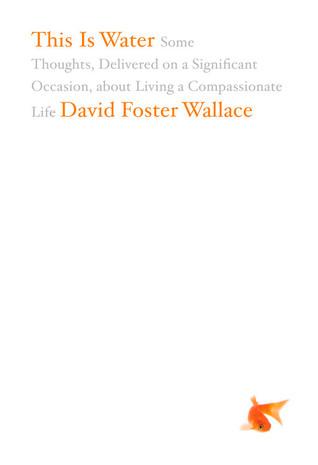
This Is Water, by David Foster Wallace, opens with a simple scenario: two young fish swim by an older fish who asks, “How’s the water?” They pause and ask, “What’s water?” With this, Wallace invites us into the unseen substance of our daily lives—our routines, assumptions, and the truths we ignore.
Wallace frames a commencement address at Kenyon College in 2005. He reminds graduates that they’ll soon gain freedom, responsibility, and complexity. He warns them against the default setting: the unconscious, ego-driven view that life revolves solely around “me.” He urges them to choose awareness instead.
He describes the day-to-day grind: crowded commutes, tedious grocery lines, annoying coworkers. In these moments, he says, we all feel like the world is slow, cruel, and pointless. Yet, he insists, these interruptions are where real life happens. We get to decide how to think about them.
Education, Wallace argues, isn’t about filling your head with facts. It’s a training in how to think. It’s a choice of what has meaning and what doesn’t. Being truly educated means you get to exercise control over your mind—especially in the mundane and frustrating moments.
He illustrates this with a grocery-store anecdote. You stand in line behind a slow shopper who unlatches every coupon ever issued. You fume. Your blood pressure rises. Then Wallace asks: what if you chose compassion instead? What if you imagined that granny really needs this deal to feed her grandkids?
We all have the power to interpret situations differently. It’s like wearing one of two lenses. One lens sees only self—how this delay ruins my day. The other lens sees life in full: that cashier’s broken leg, the parent juggling children, the single mom working two jobs.
He doesn’t sugarcoat it. This practice of awareness takes effort. You slip into autopilot without noticing. It’s the default because it demands less work. But Wallace insists that effort is the point.
In a striking passage, he compares worship to choosing what you worship. You might worship money. You might worship power or beauty. But everyone worships something. He urges graduates: make sure it’s something meaningful.
He circles back to water. It’s invisible most of the time. Yet it shapes every creature that lives inside it. Our culture is the water we swim through. Our habits, our urges, our priorities—they’re all that water.
Wallace confesses that he struggles too. He knows that choosing awareness every minute is near impossible. Yet he believes the attempt matters. He frames it as a lifelong moral effort.
He warns that default arrogance breeds contempt. You start hating the world and the people in it. You dehumanize baristas, drivers, nurses—instead of seeing fellow humans with hopes, fears, and needs.
He closes by saying: this is your real education. It’s not the facts. It’s simple awareness. It’s compassion in the face of monotony. It’s choosing how to think and what to value.
He leaves graduates with a challenge: learn to see past your own assumptions. Notice the water you’re swimming in. Make the conscious choice to see others, to think differently, and to value what truly matters.
In the end, This Is Water reminds us that life’s meaning isn’t handed to us. We build it moment by moment, thought by thought. And in doing so, we find the real freedom and purpose that education promises.”
Detailed Summary
Key Takeaways
1. Default Self-Centeredness
“The most obvious, important realities are often the ones that are hardest to see and talk about.”
Recognizing the Default Setting: David Foster Wallace argues that humans default to an unconscious, self-centered perspective. From the moment we wake up, we see the world through a lens focused on ourselves, our needs, and our comforts. We slip into this default setting without even noticing.
Wallace points out that real education means learning how to step outside that self–absorbed view. It involves developing the skill to notice others’ thoughts and feelings. By cultivating awareness, you can escape the trap of constant inward focus and glimpse the richness of life unfolding around you.
Shifting Personal Awareness: When you catch yourself in that default setting, you gain freedom. You start to see mundane tasks—waiting in line, commuting home—as opportunities to practice mindfulness. Instead of stewing in frustration, you might notice a child’s laughter in front of you or the rhythm of raindrops on the windshield.
That shift ripples outward. In work or relationships, people who step beyond their default setting tend to listen more deeply. They notice small kindnesses and inconvenience without complaint. Over time, this lowers stress and improves empathy in families, teams, and communities.
Key points:
- Humans operate on autopilot, centered on personal needs
- Awareness interrupts self-centered thought patterns
- Everyday moments serve as mindfulness opportunities
- Empathy grows when you see beyond yourself
- Freedom comes from choosing how to think and feel
2. Choosing How to Think
“There’s a decision, right there, about how you’re going to think about this unpleasantness.”
The Power of Conscious Choice: Wallace insists that thinking is an active exercise. You hold the power to decide what thoughts to entertain. When traffic jams or rude co-workers test your patience, you face a choice: cling to anger or reframe your experience.
Choosing to view an annoying situation as a chance to practice patience or compassion changes everything. It doesn’t remove the discomfort, but it changes your response. That simple decision—mental or otherwise—opens a door to a different kind of freedom.
Building Mental Habits: Over time, consciously choosing your thoughts forms new mental habits. You begin to notice automatic reactions and pause before acting. This pause allows you to pick a more constructive response.
In schools and workplaces, teaching this skill could reduce conflict. People learn to steer their minds away from anger or envy. Instead they focus on solutions, gratitude, or caring for others. That shift can raise morale and creativity across teams, and even improve personal well–being.
Key points:
- Thought is an active choice, not just a reaction
- You can reframe pain into practice
- Moments of irritation become mindfulness drills
- New mental habits emerge with consistent choice
- Constructive thinking fosters cooperation
3. True Freedom
“The real value of [a liberal arts education] has almost nothing to do with knowledge and everything to do with simple awareness.”
Freedom Beyond Circumstances: Wallace redefines freedom as the ability to choose how to think and empathize, not the absence of external constraints. No matter how tight your schedule or how oppressive your routine, you can still control your mind.
This mental freedom springs from awareness and choice. It transforms ordinary life into a space where you practice compassion, patience, and creative thinking. That’s the true payoff of education: learning how to think, not simply what to think.
Societal Implications: When people grasp this inner freedom, they stop blaming external forces for their moods. They take responsibility for their mental lives. That shift could reshape social discourse. Instead of venting rage online, individuals choose dialogue and understanding.
On a larger scale, this fosters a culture of empathy. Communities would handle disagreements with curiosity rather than contempt. Leaders could model mental responsibility, encouraging policies focused on mental health and civic engagement. A society that values inner freedom tends to be kinder and more resilient.
Key points:
- Freedom means choosing thoughts, not avoiding issues
- Awareness unlocks compassion and patience
- Education teaches thinking skills over facts
- Mental responsibility reduces blame culture
- Empathy-rich societies handle conflict better
4. Awareness of Others
“Learning how to think really means learning how to pay attention.”
Cultivating True Empathy: Wallace urges us to notice the hidden lives of people around us. The cashier at the grocery store, the passenger beside you on the bus—they each carry burdens you can’t see. When you pay attention, you realize they’re more than roles or annoyances. They’re full people with dreams and fears.
This awareness demands patience. It requires letting go of the impulse to judge or dismiss. When you pause and imagine another’s experience, you cultivate genuine empathy. That practice deepens your connections and softens your judgments.
Impact on Relationships: In families, this practice reduces conflict. A teenager acting out might be carrying stress you never considered. When you tune in, you respond with curiosity instead of anger.
At work, teams that practice empathy collaborate more smoothly. They tolerate mistakes and support each other’s growth. Over time, organizations shift away from blame culture and develop trust. That trust, in turn, fuels innovation and well–being.
Key points:
- Notice people as whole beings, not roles
- Pause judgment to imagine others’ burdens
- Empathy strengthens personal bonds
- Workplaces thrive on supportive collaboration
- Attention builds trust and creativity
5. Default Anger as Easy Out
“The cumulative effect of your willful disconnection from everything else that's going on around you is isolation.”
Anger Becomes the Easy Response: Wallace points out that blaming others or venting frustration shields us from discomfort. It requires little thought to snap at a slow driver or scroll angrily at bad news. That default anger numbs you to real feelings.
However, sustained anger isolates you. You close off to nuance and miss chances for deeper understanding. Recognizing this tendency helps you choose a different path—one that might feel harder at first but leads to genuine connection.
Breaking the Cycle: When communities lean on outrage, they fragment. People occupy echo chambers and lose common ground. Wallace suggests breaking that cycle by noticing your urge to blame and redirecting it toward curiosity.
That change can slow polarization. Public discourse would shift from accusation to shared problem solving. Instead of calling opponents names, citizens ask questions and listen. Over time, that restores civic health and mutual respect.
Key points:
- Anger requires minimal thought, fosters isolation
- Default blame numbs awareness
- Redirecting anger to curiosity builds ties
- Less polarization emerges from empathetic dialogue
- Shared problem solving strengthens civic life
6. Real Value of Education
“Learning how to think means how to exercise some control over how and what you think.”
Education as a Mind–Training: Wallace frames education not as filling minds with facts but as training attention. He values a liberal arts approach because it challenges you to read closely, question deeply, and reflect often.
With these skills, you tackle any subject or problem. You hone the ability to pause, analyze, and choose your response. That mental toolkit serves you in careers, relationships, and self–care.
Long-Term Benefits: Graduates who learn to think for themselves adapt more readily to change. They remain curious lifelong learners, not just passive fact consumers.
Societies benefit when citizens possess critical thinking skills. They discern misinformation, engage responsibly in democracy, and innovate ethically. Education aimed at attention and choice builds a healthier, more vibrant public sphere.
Key points:
- Education teaches how to control thought
- Liberal arts train close reading and reflection
- Critical thinking outlasts specific facts
- Adaptability grows from learning to learn
- Democracy thrives on informed, thoughtful citizens
Future Outlook
Looking ahead, Wallace’s ideas grow in relevance as we navigate a world of constant distraction. Social media and 24/7 news cycles nudge us toward that self–centered, reactive default. Yet his call to awareness offers a counterbalance. By choosing how we think, we can reclaim our attention from endless notifications and cultivate moments of genuine presence.
In education, his message may reshape curricula. Schools and universities might integrate mindfulness and empathy training alongside core subjects. Teaching students how to notice mental habits and direct their thoughts could become as fundamental as math or language skills. Over time, graduates would enter the workforce with stronger interpersonal skills, resilience, and creative capacity.
On a societal level, widespread practice of Wallace’s principles could lessen polarization. When individuals pause before reacting, they open space for respectful dialogue. Communities, workplaces, and governments that value conscious thought and empathy stand a better chance of solving complex challenges. In that future, Wallace’s speech remains not just a commencement artifact but a blueprint for living with awareness in a busy world.







