
Summary
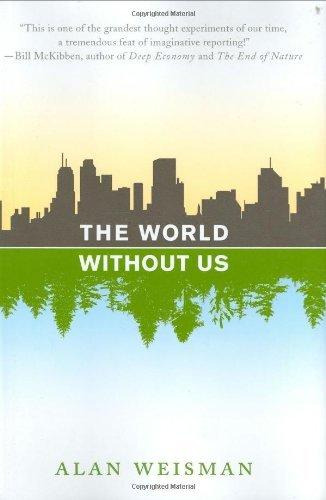
Alan Weisman’s The World Without Us asks a bold, daring question: what would happen to Earth if humans vanished tomorrow? He embarks on a globe-spanning journey, talking with scientists, engineers, and historians to paint a vivid picture of nature’s unshackled resurgence. Through detailed research, Weisman traces the fate of our buildings, roads, and refuse, showing how quickly life erases our mark. His narrative flows like a guided tour, moving from city streets to nuclear plants, from farmland to ocean depths. Yet it never feels dry—he weaves in anecdotes, practical analogies, and even small tangents that make the science grip you.
Within days of our disappearance, power plants would cut out, plunging cities into darkness. Nuclear reactors, without cooling systems, would overheat and spill radiation. Roads would crack under freeze-thaw cycles and tree roots. Sewers backed up, flooding basements and streets. Within weeks, weeds would sprout through sidewalk joints and seeds carried by wind would colonize empty lots.
By the first year, cityscapes would crumble. Without maintenance, steel bridges would corrode, collapse, and sink into rivers. Skyscrapers’ windows would break, letting rain scald and splinter interiors. Asphalt and concrete would erode under acid rain and lichen growth. Meanwhile, coyotes, deer, and birds would roam freely through once-busy thoroughfares.
Over decades, forests would reclaim suburbia. Foundations and roadbeds would rot into soil. In Pennsylvania, Weisman visits a ghost town where trees sprout from living rooms. He describes how bees move into old chimneys and otters slip beneath broken dams. It reminds you that wildlife needs only a little space.
Centuries on, metal structures would buckle. Steel beams weaken when rust spreads from every rivet. Concrete reverts to gravel. Dams succumb to pressure, unleashing floodwaters that reshape valleys. Lakes refill riverbeds, washing out highways and smoothing out scars humans carved.
Within a thousand years, most traces of our civilization would vanish. Wooden houses, if not eaten by termites, would collapse to dust. Plastic items linger longer—Ourland’s nonbiodegradable bags and bottles could drift in landfills for millennia. Yet even plastics slowly fracture under sunlight and microbes. In time, only ceramic and glass shards remain mixed with soil.
On a geological scale, some signs of humanity would still show. Our massive carbon emissions altered the atmosphere, leaving chemical signatures in ice cores. Unusual sediments would mark this era of industrial output. Scientists millions of years hence might identify our layer by metal concentrations and fossilized plastic spheres.
Weisman doesn’t ignore the urgent lessons here. He warns that nuclear sites left unattended pose long-term risks. Abandoned mines leach heavy metals into groundwater. Oil pipelines eventually fracture and spill. We live on a delicate balance that nature will quickly correct once we’re gone.
He also celebrates resilience. Endangered species like Florida panthers and wolves would rebound without poaching and habitat loss. Grasses would blanket former farms, restoring soil health. Polluted rivers would cleanse themselves over decades. Tiny organisms break down toxins that humans once pumped indiscriminately.
In the oceans, coral reefs might recover if climate stress eased. Overfished species would flourish again. Whales and dolphins could reclaim shipping lanes. Yet the record of our plastics remains—a swirling gyre in the Pacific, perhaps shrinking but never disappearing entirely.
Agricultural lands would revert to prairies and forests. Wheat fields turn to meadows dotted with wildflowers. Insects and birds would repopulate formerly monoculture regions. Pesticide residues fade under microbial action. The land heals itself, given time.
Weisman visits New York’s subways, now flooded and dark. He imagines vines dangling from station ceilings and rats replaced by otters slipping through tunnels. It’s a striking mental image—urban infrastructure turned animal refuge. It underscores how transient our constructions are.
He spins off occasionally—like the tale of a Japanese island where engineers rigged channels to direct lava from a volcano, and without maintenance, water levels rose, flooding spawning grounds of salmon years later. That anecdote shows how small human choices cascade across ecosystems long after we’re gone.
Throughout, Weisman writes in active, engaging prose. He avoids jargon, choosing simple words and vivid comparisons. He asks you to picture a park where grass swallows playgrounds, or a damless valley restored to wild torrent. His style is light enough to read easily, yet he never skims over the science.
Ultimately, The World Without Us is both a love letter and a warning. It celebrates Earth’s power to renew itself and reminds us of our fragility. Our built world is impressive—and ephemeral. And while our creations could vanish within centuries, the scars we leave in the air, water, and stone might echo for much longer. It prompts you to ask: if the planet heals so fast without us, can it heal with us?
Detailed Summary
Key Takeaways
1. Nature’s Rapid Reclamation
“Within decades, forests will reclaim our cities, and wildlife will roam where asphalt once ruled.”
Unseen Green Surge: Weisman points out how quickly plants sprout in cracks and abandoned sites. He describes how vines and trees push through concrete, shifting old foundations and breaking roads. This process starts almost immediately after human maintenance stops.
He traces examples from Chernobyl’s exclusion zone and abandoned suburbs. In those places, deer, wolves, and boars now traverse highways. Birds nest in decaying office towers. Weisman argues that without humans, ecosystems move in to fill every niche we vacate.
Urban Wilderness: When buildings crumble, nature moves in without resistance. Trees anchor in weakened mortar. Roots pry apart steel and brick. Over time, entire neighborhoods disappear under layers of vegetation.
This surge affects biodiversity. Species once kept at bay by traffic or development return and even thrive. Urban-adapted animals—raccoons, foxes, coyotes—expand their territories. As they spread, they reshape food chains and alter predator–prey dynamics far beyond city limits.
Key points:
- Plant life cracks and breaks concrete within years
- Wildlife populates empty streets and buildings
- Biodiversity rebounds in urban centers
- Ecosystems expand into former human spaces
- Natural processes accelerate decay
2. Infrastructure’s Swift Demise
“Power grids collapse, bridges corrode, and pipelines leak within a few seasons of abandonment.”
Fragile Human Constructs: Weisman walks readers through the failure points of man-made systems. He notes how power stations need constant cooling water. Once pumps stop, turbines overheat and melt. This meltdown happens fast when no technician resets safety valves.
Similarly, he examines oil pipelines that require steady pressure. As pumps shut off, residual oil settles and corrodes metal from inside. Bridges and overpasses lose paint protection and develop rust. In a matter of decades, entire networks of roads and rails buckle and surrender to gravity.
Systemic Collapse: The breakdown of infrastructure triggers secondary failures. Without power, water treatment halts and sewage floods streets. Fires erupt in uncontrolled facilities and burn until fuel depletes. Airports flood with uncontrolled storms and chemical tanks overflow.
Economies built on maintenance would crumble almost overnight. Supply chains break, food rots in storage silos, and ports sit idle as silt and sand drift into channels. This cascade shows how little buffer societies have against total abandonment.
Key points:
- Power plants overheat without cooling
- Pipelines corrode and rupture from stagnation
- Rust devours bridges and highways
- Water and sewage systems flood cities
- Secondary failures spark fires and contamination
3. Plastic Legacy and Persistence
“Our plastic containers may outlast our stone monuments by millennia.”
Synthetic Stone Age: Weisman emphasizes the durability of polyethylene and PVC. Unlike paper or wood, these materials resist microbes and weathering. They fragment into microplastics but seldom vanish entirely.
He calls plastics the ‘new fossils,’ predicting layers of microbeads and fibers buried in sediment long after we’re gone. Beaches and seabeds will glint with colorful flakes. Future life forms might mistake them for food or nesting material.
Long-Term Pollution: Microplastics infiltrate every ecosystem. They concentrate toxins and enter food chains. Small fish ingest particles, then get eaten by larger predators. Over centuries, plastic accumulates in stomachs and tissues.
On land, soils carry microplastics deep into river deltas. Plants and worms uptake fibers and chemicals. As a result, soils become less fertile and biodiversity drops. Our plastic legacy reshapes evolution itself.
Key points:
- Plastics resist microbial breakdown
- Microplastics spread through oceans and soils
- They bioaccumulate in food chains
- Plastic layers form future geologic markers
- They alter ecosystems and soil health
4. Radioactive Remnants
“Nuclear power plants, left unguided, become deadly ruins generating hot clouds of isotopes.”
Silent Atomic Danger: Weisman examines sites like Fukushima and Chernobyl. He describes how spent fuel rods remain intensely radioactive without cooling pools. Once water evaporates, rods overheat and crack, releasing isotopes into the air.
He also explores how local flora and fauna adapt—or perish—under radiation stress. In exclusion zones, pockets of mutated species survive, showing nature’s capacity to endure but at a genetic cost.
Long-Term Hazards: Radioactive sites pose threats for thousands of years. Isotopes like cesium-137 and strontium-90 disperse through rain and groundwater. They infiltrate food supplies and poison animals that graze or feed on contaminated prey.
Meanwhile, containment structures collapse and allow further releases. Over centuries, radiation leaks into rivers and marine ecosystems. This legacy forces wide exclusion zones and shapes land use long after humans vanish.
Key points:
- Spent fuel rods overheat without cooling
- Isotopes disperse through water and air
- Radiation reshapes genetics of survivors
- Containment decays and leaks increase
- Exclusion zones persist for millennia
5. Species Riding to New Heights
“Without humans, some species will flourish while others collapse in our wake.”
Winners and Losers: Weisman surveys how species adapted to human presence will change their fortunes. Pigeons and rats—synanthropes—lose feeders and nest sites. Their populations shrink but survive in pockets.
In contrast, apex predators like wolves and bears expand. They roam freely across highways and suburbs. Over time, trophic cascades restore balance to ecosystems ravaged by hunting and habitat loss.
Ecological Shifts: As predators reclaim lands, herbivore numbers fall. Deer herds, once overpopulated in suburbs, become regulated by wolves. Forest undergrowth regenerates as grazing pressure eases.
Meanwhile, migratory birds return along flight paths unlit by city lights. Fish stocks rebound without fishing nets. This reshuffling leads to more resilient ecosystems—though many domesticated species vanish without human care.
Key points:
- Human-adapted species decline without support
- Predators expand into new territories
- Trophic cascades rebuild vegetation
- Migratory patterns restore themselves
- Domesticated breeds face extinction
6. Fading Cultural Footprints
“Libraries collapse and books decay, leaving only fragments of our stories.”
Vanishing Archives: Weisman imagines libraries succumbing to mold and moisture. California’s sunshine can’t dry sealed rooms forever. Books turn to pulp or burn when roofs collapse.
He points out how digital archives fail without power. Servers overheat, batteries die, and data centers flood. Human history—encoded in pixels and text—erodes fast in a power-off world.
Lost Knowledge: Without maintenance, museums flood or collapse. Paintings craze, artifacts rust, and videotapes degrade. Whole genres of music and literature might vanish.
Future explorers would find fragments of glass-plate negatives or silicon wafers. They might piece together hints of our civilization. Yet vast swaths of knowledge—medical, scientific, artistic—would lie buried or destroyed.
Key points:
- Libraries rot and burn in years
- Digital data decays without power
- Museums flood or rust away
- Artworks and films deteriorate
- Most human knowledge disappears
Future Outlook
Weisman’s vision holds a mirror to our impact and fleeting presence. By charting how nature reasserts itself, he challenges us to rethink stewardship and sustainability. If our structures fall so fast, perhaps we must invest more in resilience now.
Researchers can use this framework to model urban ecology, predict decay rates, and plan post-industrial land use. Policymakers might apply these insights to decommission nuclear plants and reduce long-lived pollutants. They could also redesign materials for faster biodegradation.
Society may embrace the idea of ‘planned absence’—designing cities and products that minimize harmful legacies. Weisman’s book suggests a future where humans live lightly, aware that our footprints may vanish within generations but shape ecosystems for millennia.







