Summary
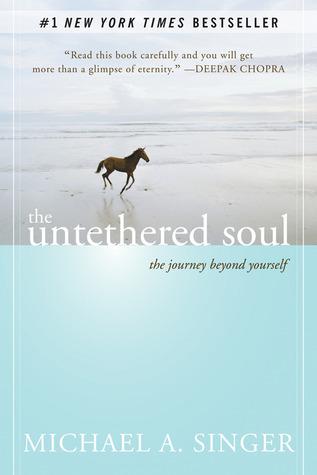
Michael A. Singer’s The Untethered Soul: The Journey Beyond Yourself takes you on an inward voyage. He begins by showing how your inner voice shapes every moment. You’ll see how thoughts come and go like clouds drifting across the sky. Yet most people stay stuck in that chatter and mistake it for their truest self.
Singer invites you to become the calm observer of your own mind. He asks, “Can you watch your thoughts without getting swept away?” That simple shift lets you step back and detach from the endless mental commentary. When you observe rather than identify, you unlock a new kind of freedom.
The author then turns to emotions, those often stormy visitors within us. He points out how we cling to joy or resist pain. In holding on so tightly, we create tension and lock our energy. By learning to release—much like opening a clenched fist—you let feelings flow through without leaving scars.
Next, Singer explores the spiritual heart. He describes it as an energy center that can open or close based on your mental habits. When it shuts down, you feel blocked, anxious, or stuck. If you keep it open, life’s energy courses freely, nourishing every part of your being.
To support that openness, the book introduces simple practices. You learn to pause whenever discomfort arises and gently say “yes” to whatever you feel. That act of surrender dissolves inner barriers. Each time you accept life’s flow, your heart grows braver and more expansive.
Singer doesn’t deny the power of the ego. Instead, he shows how it builds walls around your heart to protect you from past hurts. Over time though, those walls imprison you. The way forward involves noticing the ego’s habits and choosing to loosen each brick through conscious letting go.
As the journey continues, you meet the concept of the Supreme Witness, the part of you that stands apart from mind and heart. Singer invites you to rest in that pure awareness. When you find that place, you transcend personal history and taste boundless peace.
He then links this inner freedom to relationships. By staying centered in your witness, you no longer cling to others for validation. You can love fully, without fear of loss or neediness. That shift deepens connections and dissolves conflict born from selfish attachment.
The book also addresses living in the present moment. Singer notes that regret and anxiety both arise from time placed outside now. When you dwell in memory or projection, you miss the only gift you truly have: this breath, this heartbeat.
Gradually the text builds to a practice of continual surrender. You learn to greet each moment—whether pleasure or pain—as a guest. Over time, you let go faster and live more spontaneously, free from inner resistance.
In later sections, Singer explores the idea of true freedom: permanent inner peace that no circumstance can shake. He warns that many spiritual seekers settle for blissful highs but recoil when raw pain surfaces. True mastery means embracing both extremes with equal grace.
He offers guided meditations and simple exercises to anchor these lessons. For instance, he suggests pausing ten times a day to observe your breath or heart. Those small stops weave mindfulness into ordinary life.
Toward the end, Singer tackles death and impermanence. He urges you to look squarely at mortality so that you stop fearing loss. That confrontation dissolves old wounds and reveals the timeless Self that outlasts body and mind.
Ultimately, The Untethered Soul invites you to journey beyond the confines of habit, history, and hidden fear. It gives you tools to live with an unbarricaded heart and uncluttered mind. It promises that as you let go more fully, you rediscover the vast freedom you’ve always been.
In the final pages, Singer brings it all together by reminding you that every moment offers a choice: cling or release. Each decision shapes your journey. When you choose release again and again, you step into the untethered soul you were born to be.
Detailed Summary
Key Takeaways
1. The Voice Inside Your Head
“You are not the voice in your head. You are the one who hears it.”
Self as Observer: Singer invites you to notice the constant inner commentary that narrates your experience. For many, this voice seems like the core of who they are. It labels events, judges outcomes, and predicts the future.
The book asks you to shift from identifying with that voice to simply observing it. When you step back and watch your thoughts pass by, you create a space between you and your mind. That gap reveals your true self beyond judgments and fears. You begin to experience peace in the silence that follows.
This concept sits at the heart of Singer’s teaching. By recognizing the thinker is not the self, you dismantle the illusion of being trapped in your mental chatter. You regain choice over what you pay attention to.
Freedom from Self-Judgment: When you observe your thoughts without attaching to them, you no longer feed self-criticism. You see destructive patterns for what they are: old recordings playing in a loop. That awareness lets you stop fueling negative loops and instead choose fresh responses.
In daily life, this shift reduces stress and anxiety. You won’t react automatically when your inner critic flares up. Instead, you witness the criticism and let it pass. Over time, you build resilience and emotional balance.
Historically, many spiritual traditions teach the value of witnessing the mind. Singer presents this in a modern, accessible way. His approach bridges psychology and spirituality to show how inner freedom transforms relationships, work, and health.
Key points:
- Separates awareness from thought
- Creates a silent space of observation
- Breaks cycles of self-judgment
- Reduces anxiety through detachment
- Aligns psychology with spirituality
2. Energy Flow in the Heart
“Your heart is a flow of energy that wants to open, though your resistance keeps it closed.”
Heart as Energy Center: Singer describes the heart as an energetic gateway rather than a muscular pump. Emotions and life energy swirl there constantly. When you hold onto pain or fear, the heart’s energy gets blocked.
He encourages you to welcome each feeling without resisting. By allowing emotions to move through, you clear those energetic blockades. That openness brings a sense of ease and joy into your life beyond the ups and downs of circumstance.
The practice he offers involves leaning into discomfort rather than shrinking away. When you drop resistance, the heart naturally expands. You become more loving to yourself and others.
Healing Emotional Wounds: Allowing energy to flow freely breaks the hold of past hurts. When you confront a painful memory and feel its weight fully, the release that follows helps you move on. You stop replaying old traumas.
In relationships, this openness fosters genuine connection. You won’t shy away from vulnerability or close off when things threaten to feel too intense. Instead, you stay present and compassionate.
On a societal level, communities that value emotional honesty and compassion tend to be healthier. Singer’s guidance aligns with movements in psychology and business that emphasize emotional intelligence and heart-centered leadership.
Key points:
- Views heart as energy hub
- Releases blocked emotions
- Encourages vulnerability
- Fosters empathy in relationships
- Aligns with emotional intelligence trends
3. Letting Go of Resistance
“Resistance is what happens when the mind says no to what is.”
Surrender to Reality: Singer shows that most human suffering springs from resisting what already exists. You push against unwanted events or cling to pleasant ones. That mental battle drains energy and causes stress.
He teaches you to welcome each moment exactly as it is. You practice saying yes internally to whatever arises. This surrender does not mean passivity. Instead, it offers clarity about when to act wisely and when to accept.
Through simple inner work, you learn to spot resistance early and drop it. You free yourself from needless tension and frustration.
Reduced Stress and Clarity: When you accept reality, you stop wasting energy on futile mental fights. That shift lowers stress hormones and quiets worry. You regain mental clarity to make better decisions.
In leadership, people who practice acceptance face challenges with calm resolve. They see options clearly and act from a place of balance rather than panic. Their teams often mirror that stability.
Across cultures, traditions like Stoicism and Buddhism stress the value of acceptance. Singer translates these age-old principles into practical steps for modern life, linking inner peace to sustainable action.
Key points:
- Identifies source of suffering
- Encourages inner surrender
- Conserves mental energy
- Enhances decision making
- Draws on Stoic and Buddhist wisdom
4. The Path of Unconditional Happiness
“Your true nature is an open sky of joy that needs no reason to shine.”
Joy Beyond Conditions: Singer argues that lasting happiness doesn’t depend on external circumstances. Instead, it arises from discovering your unconditioned self. This self remains joyful whether you win or lose, gain or lose.
He guides you to turn inward and tap into this ever-flowing happiness. Practices like watching thoughts and releasing tension lead you there. You realize joy shows up when you stop chasing it.
This insight challenges the cultural myth that success or possessions will fill you. True contentment emerges when you rest in your inner freedom.
Transforming Life Satisfaction: When you ground happiness internally, results in career or relationships become bonuses rather than necessities. You perform from a place of ease, free from fear of failure.
People around you feel that centered presence and tend to relax too. Your influence spreads calm and confidence. Teams led by individuals who embody this mindset often show higher morale.
This approach echoes positive psychology studies showing that stable well-being predicts better health and resilience. Singer’s work offers a spiritual framework that supports these findings.
Key points:
- Locates joy within
- Detaches happiness from outcomes
- Reduces fear of failure
- Strengthens leadership presence
- Backed by positive psychology
5. Living in the Present Moment
“The past is not real. The future is not real. Both are projections of mind.”
Here-and-Now Awareness: Singer emphasizes that life unfolds only in this moment. When you dwell on bygone days or worry about tomorrow, you miss living fully now. The mind creates narratives that distract from direct experience.
He teaches methods to anchor awareness in the present. Simple practices like noticing your breath or scanning bodily sensations bring you back. Over time, you cultivate a steady presence that enriches every activity.
Experiencing life moment by moment opens doors to deeper appreciation. You notice small joys—a child’s laugh, a breeze on your skin—that often escape a restless mind.
Enhanced Focus and Well-Being: Mindful presence improves concentration and reduces mental clutter. When your attention stays on the task at hand, you work more efficiently and creatively. You also enjoy simpler pleasures more deeply.
In fields from medicine to sports, studies confirm that present-moment focus enhances performance and reduces errors. Singer’s guidance offers a holistic route to these gains by linking mindfulness to inner freedom.
On a societal scale, communities that value presence foster stronger connections. People listen more closely and empathize better when they aren’t lost in thought.
Key points:
- Highlights momentary experience
- Offers breath and body anchors
- Increases appreciation of simple joys
- Boosts focus and creativity
- Supported by mindfulness research
6. The Inner Release Practice
“Open wide like a fire door and let everything out.”
Releasing Stored Energy: Singer shares a hands-on practice for letting go of built-up tension. He asks you to feel the discomfort fully, then imagine a fire door swinging open and the energy rushing out.
By doing this repeatedly whenever you spot tightness in body or mind, you train yourself to drop resistance instantly. The release feels like deep relief, akin to unclenching a fist after a long hold.
This technique integrates mind and body in real time. It shows how inner work can be simple yet powerful when you apply it in everyday moments.
Practical Emotional Resilience: Regularly using the release practice lessens the hold of old traumas and fears. You respond to stress with calm release rather than rigid resistance. Over time, your default state becomes openness.
In the workplace, this skill prevents burnout by letting tension go before it accumulates. Leaders who model release encourage teams to handle pressure effectively. That builds a healthier culture.
In therapeutic contexts, similar methods appear in somatic therapies and mindfulness-based stress reduction. Singer’s approach adds a spiritual dimension, uniting physical, mental, and emotional release.
Key points:
- Uses imagery of fire doors
- Connects mind and body release
- Reduces build-up of tension
- Prevents burnout
- Aligns with somatic therapy
Future Outlook
Singer’s teachings encourage a new cultural shift toward inner freedom. As more people apply these practices, they may reshape how workplaces, schools, and communities approach well-being. Rather than chasing external metrics, societies could prioritize emotional balance and self-awareness.
In research, we’ll likely see deeper studies on the neuroscience of witnessing thoughts and energy flow. Those insights could inform mental health treatments that blend traditional therapy with spiritual practices. We may also witness technology tools designed to support presence and release techniques in daily life.
Policy makers might adopt Singer’s ideas by funding programs in schools that teach mindfulness and emotional release. Over time, cultivating inner stability in citizens could lead to lower healthcare costs, less social conflict, and more compassionate leadership at every level.