
Summary
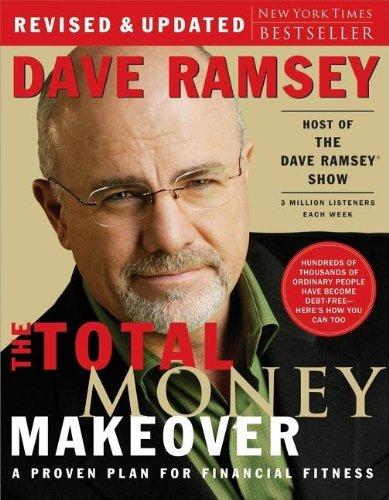
Dave Ramsey’s The Total Money Makeover offers a step-by-step plan to help people get out of debt, build savings, and secure a solid financial future. Ramsey draws on decades of experience guiding families through money struggles. He argues that poverty and debt stem largely from poor choices, not bad economies. By following his simple, actionable plan, readers can break the cycle of living paycheck to paycheck.
First, Ramsey emphasizes the importance of saving a small emergency fund of $1,000. He calls this the “starter emergency fund.” This cushion prevents small mishaps—car trouble or unexpected medical bills—from forcing you back into debt. He urges readers to stash this money in a separate account and resist the temptation to borrow for minor setbacks.
Next comes the debt snowball. You list all your debts from smallest to largest, regardless of interest rates. Then you pay minimums on every bill except the smallest one, which you attack with all extra cash. Once you wipe out that smallest balance, you roll its payment into the next debt. Ramsey recounts dozens of client stories whose momentum grew as each debt disappeared.
He warns against common money traps like minimum payments and balance transfers. Minimum payments stretch debt for years and inflate the total cost. Balance transfers can backfire with hidden fees and short promotional periods. Ramsey insists on discipline: no new credit cards, no refinancing, and no second mortgages until you finish the snowball.
When you clear debt through step two, you move on to a fully funded emergency fund equal to three to six months of expenses. This fund covers major financial storms—job loss, major repairs, or medical crises—without touching retirement or racking up new loans. Ramsey highlights how peace of mind grows when you know you can handle setbacks on your own.
After safeguarding your family with the emergency buffer, Ramsey urges readers to invest 15 percent of household income for retirement. He recommends low-cost, diversified mutual funds—particularly growth stock funds, growth and income funds, and international funds. He stresses that compound interest works miracles over decades, but only if you start early and stay consistent.
With retirement contributions in place, Ramsey shifts to saving for children’s college education using tax-advantaged plans like 529s or Education Savings Accounts. He illustrates how these vehicles grow tax-free and protect your savings, leaving more room in your budget for investing and living.
Next, Ramsey tackles the mortgage. He advises buying a home within your budget and then aggressively paying it off early. By adding extra principal payments, you can shave years off a 30-year loan. Ramsey shares stories of families who reclaimed tens of thousands in interest and became mortgage-free in under ten years.
Once the home is paid off, Ramsey points to building wealth and giving generously. He describes the joy of financial freedom: no house payment, boosted retirement accounts, and the ability to bless others. He cites research showing that generous people report higher life satisfaction, linking money management to personal fulfillment.
Throughout the book, Ramsey peppers in real-life anecdotes. He tells of a single mom whose debt snowballed from $30,000 to zero. He recalls a young couple who lived off beans and rice for months just to keep their snowball rolling. These stories drive home that sacrifice today pays off tomorrow.
Ramsey also covers behavioral habits essential to success. He insists on a monthly zero-based budget where every dollar has a job. This practice forces tough decisions, like choosing groceries over entertainment. By naming every dollar, you gain control over your money rather than letting it slip away unnoticed.
He warns about social pressure too. Ramsey criticizes the “buy now, pay later” culture fostered by ads and easy credit. He encourages readers to ignore flashy lifestyles on social media and focus on their own goals. He even suggests a temporary “no-spend” challenge on non-essentials to break bad spending habits.
The book lays out common pitfalls, such as co-signing loans or falling for get-rich-quick schemes. He dismantles flashy promises of overnight wealth, reminding readers that there’s no shortcut to lasting financial health. Instead, Ramsey champions patience, persistence, and a willingness to live below one’s means.
By the final chapters, readers see that money makeover isn’t just tactics—it’s transformation. Ramsey argues that mastering money teaches character. Families learn teamwork as they tackle budgets together. Children grow up watching parents set goals and reach them, building financial literacy for the next generation.
In the end, The Total Money Makeover offers more than numbers and spreadsheets. It delivers a mindset shift. Ramsey’s no-nonsense tone and clear steps give readers confidence. He reminds them that even those buried under overwhelming debt can turn their lives around. With action, discipline, and faith in the process, financial peace becomes possible.
Detailed Summary
Key Takeaways
1. Embrace the Baby Steps Framework
“Financial peace isn’t the acquisition of stuff. It’s learning to live on less than you make.”
Structured Path to Financial Health: Dave Ramsey introduces a seven-step ladder he calls the Baby Steps. Each step builds on the prior one, giving you a clear pathway to reclaim control of your money. You begin with saving a small starter emergency fund and end with building wealth and giving generously.
The strength of the Baby Steps lies in their simplicity. By focusing on one goal at a time, you avoid feeling overwhelmed. Ramsey argues that incremental wins build momentum. This method transforms financial improvement from a lofty dream into an achievable reality.
Guiding Millions to Stability: The Baby Steps have guided countless individuals out of financial chaos. Families burdened by debt have found renewed hope by following this clear, linear process. They celebrate each completed step, which fuels continued progress.
On a national scale, those who adopt these steps reduce reliance on credit cards and payday loans. That shift can increase overall economic stability. Communities benefit when members free up funds for local spending, investments, and charitable giving.
Key points:
- Seven sequential goals to reach financial peace
- Focuses on one step at a time to build momentum
- Starts with a small emergency fund and ends with wealth building
- Reduces overwhelm by simplifying money management
- Encourages accountability and celebration of progress
2. Build Your Starter Emergency Fund
“Your first step is to save $1,000 as quickly as you can.”
Small Wins Yield Big Results: The Total Money Makeover urges readers to save a $1,000 “starter” emergency fund before tackling debt. This first cushion guards against new setbacks. You won’t need a credit card if an unexpected expense hits.
Ramsey stresses speed in this step. He suggests selling unused items or taking odd jobs to hit the goal fast. That urgency creates an early taste of victory and a shift in mindset toward saving.
Breaking the Credit Card Cycle: Many people turn to credit when emergencies arise. By setting aside a modest buffer, they avoid high interest rates and late fees. That translates to hundreds of dollars saved annually.
At a societal level, less reliance on consumer debt eases pressure on banking systems. Households in control of small emergencies report lower stress. That mental relief often boosts work performance and family relationships.
Key points:
- Quickly save $1,000 for unexpected costs
- Prevents reliance on credit cards
- Boosts confidence with an early win
- Sets the tone for disciplined saving habits
- Lays foundation for tackling larger goals
3. Attack Debt with the Snowball Method
“List your debts smallest to largest and attack the smallest first.”
Momentum Through Mini Victories: Ramsey recommends the debt snowball: you list debts by balance, pay minimums on all except the smallest, and funnel extra cash into that one. Once it’s gone, you roll its payment into the next debt.
This approach leverages psychology. Quick eliminations of small debts provide emotional fuel. That drive keeps you committed when larger debts loom.
Transforming Habits and Credit Profiles: As each balance disappears, self-esteem grows. Borrowers often go from feeling trapped to empowered. They report better sleep, stronger relationships, and reduced anxiety.
Financially, reducing the number of open accounts can improve credit scores. Community lenders notice these shifts, too. Loan defaults drop when people adopt disciplined payoff strategies.
Key points:
- Prioritize debts smallest to largest
- Pay minimums on all but the smallest
- Snowball freed-up cash into next target
- Harnesses emotional wins to sustain progress
- Reduces number of open debts over time
4. Master the Monthly Budget
“A budget tells your money where to go instead of wondering where it went.”
Zero-Based Planning: Budgeting in The Total Money Makeover means assigning every dollar a job. You plan income against expenses and savings so your balance lands at zero. That ensures intentional spending rather than guesswork.
This process demands honesty. You track every category: housing, food, utilities, fun money. By reviewing weekly, you catch overspending before it derails your goals.
Curbing Waste and Chaos: Many households waste hundreds monthly through forgotten subscriptions or impulse buys. A zero-based budget pinpoints those leaks. You redirect money toward debt or savings instead.
Local businesses feel the effect, too. When families shop with clearer intentions, they support valued services rather than mindless consumption. That can strengthen community ties and local economies.
Key points:
- Assign every dollar a role each month
- Track spending weekly to stay on plan
- Eliminate wasted expenses and impulse buys
- Align spending with personal values
- Maintain control instead of chasing receipts
5. Save Three to Six Months of Expenses
“After you pay off all debt, except the house, build a full emergency fund.”
Long-Term Safety Net: Once you clear nonmortgage debt, Ramsey urges saving three to six months of living expenses. This extended fund guards against job loss or major emergencies. It gives you breathing room rather than panic.
Accruing that balance often takes discipline. You may cut back on luxuries, pick up extra work, or allocate raises directly to savings until you reach the target.
Economic Shock Absorption: Households with a robust fund weather recessions and market swings more smoothly. They avoid selling investments at lows or rolling credit balances. Their steadier consumption helps local commerce stay afloat.
On a broader scale, reduced demand for social safety nets can lower public costs during downturns. Citizens who self-insure through savings relieve some burden on unemployment and welfare programs.
Key points:
- Save 3–6 months of basic living costs
- Protects against major job or health crises
- Reduces stress about the unexpected
- Prevents high-interest borrowing
- Strengthens financial independence
6. Invest and Give with Confidence
“Wealth isn’t about your salary. It’s about your savings rate.”
Growing and Sharing Wealth: After securing an emergency fund, Ramsey turns attention to retirement. He recommends investing 15% of income into tax-advantaged accounts. He favors mutual funds with strong long-term records.
Finally, he empowers readers to give. Tithing or charitable donations allow you to pour blessings into causes you care about. Generosity becomes the capstone of financial discipline.
Creating Legacy and Impact: Investing consistently over decades can yield significant nest eggs. Those funds support comfortable retirements and legacy planning. People feel a sense of accomplishment watching their money grow.
Giving back strengthens communities. Generous donors fuel nonprofits, scholarships, and local initiatives. That cycle of support often encourages recipients to pay it forward.
Key points:
- Invest 15% of household income for retirement
- Choose low-cost, diversified mutual funds
- Benefit from compound interest over time
- Cultivate a habit of generosity
- Build a financial legacy for family and causes
Future Outlook
The Total Money Makeover has reshaped how everyday people view personal finance. Its pragmatic, step-by-step blueprint influences financial coaches, mobile apps, and employer wellness programs. As new generations encounter mounting student debt and housing costs, Ramsey’s methods offer clarity amid complexity.
Looking ahead, technology may streamline budgeting and debt payoff. Yet the core principle—focus on one goal at a time—remains vital. Apps can track spending, but they can’t replace the emotional momentum of a paid-off credit card.
Moreover, the emphasis on community and generosity will likely grow. Social platforms may facilitate collective savings challenges or crowd-funded emergency funds. Ramsey’s final steps remind us that wealth is not merely accumulation but impact.







