
Summary
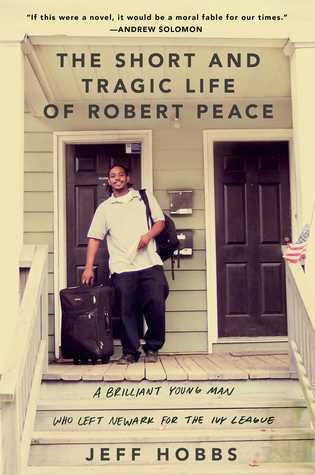
The Short and Tragic Life of Robert Peace by Jeff Hobbs charts the rise and fall of a brilliant young man caught between two worlds. Hobbs sets out to tell the story of his college roommate, Robert Peace, who grew up in Newark, New Jersey, and went on to graduate from Yale. From the first page, you sense the tension between Robert’s academic promise and the pressures of street life. Hobbs balances admiration and sorrow as he traces Robert’s journey.
Robert’s childhood unfolds amid the crumbling neighborhood of Vailsburg. His mother, Jackie, worked two jobs to keep food on the table and provide for Robert and his sister Joy. Poverty followed them home, and Jackie shielded her children from the worst of it while stoically battling cancer. At night, Robert listened to jazz and read in candlelight when the power went out. He absorbed lessons of endurance far beyond his years.
Robert forged a strong bond with his father, Charles, a chemistry teacher at East Orange High School. Charles preached education as the only ticket out of Newark’s traps. He quizzed Robert on Shakespeare and math problems at every dinner. Their talks drifted from books to dilemmas of race and class in America. Charles drilled into Robert that intelligence had to pair with real-world savvy.
By the time Robert reached Newark’s Science and Technology High School, his grades shone. He carried a leather briefcase, practiced baseball, and flirted with the idea of becoming a scientist. Teachers took note of his wit and determination. Yet outside the classroom, drugs and gangsters lurked. Robert navigated both realms with care, determined not to lose himself.
At Yale, Robert embraced campus life with gusto and discipline. He majored in molecular biophysics and biochemistry, logging hours in labs. He joined the King’s Head Society, bonded with friends, and even snuck out for late-night pizza runs. Professors lauded his insights, peers admired his confidence, and Robert reveled in both his intellect and his swagger.
Yet Robert never shed Newark’s pull. He returned home for breaks, slipping back into his old circle. He felt compelled to help his family—especially as Joy coped with her mother’s death and Charles dealt with grief. Robert juggled fraternity soirées with visits to neighborhood corner stores. He claimed he could excel at both worlds, though tension simmered beneath the surface.
After graduating in 2005, Yale hired Robert as a lab assistant. He intended to apply to medical school. He kicked off lectures and experiments with enthusiasm. Still, he couldn’t resist the allure of quick cash. Late nights found him selling marijuana to undergrads and old friends. He justified it as a means to support his family and save for school.
Meanwhile, Hobbs weaves in stories from Robert’s childhood friends. Eva, his first girlfriend, recounts his tenderness and sense of honor. Geneva, his Yale roommate, remembers how Robert took pained students under his wing. These anecdotes humanize Robert beyond the grades and the deals. They reveal a man whose warmth contrasted with the violence that stalked him.
Robert’s dual life escalated after he left Yale. He took a research job at Rutgers and moonlighted as a dealer. His chemistry skills made him a skilled cultivator. He produced high-grade weed and managed distribution circles. He seemed in control, but danger rose around him.
Violence struck his neighborhood with routine cruelty. Friends got arrested or shot. Joy struggled under the weight of addiction. Charles watched helplessly as Robert drifted deeper into the drug trade. Family dinners turned tense. Robert tried to reassure them, but the burden of expectation grew heavier.
In 2011, Robert’s world swirled into chaos. Police raided his apartment. They seized cash and grow-room equipment. He faced felony charges. Yale and Rutgers distanced themselves. His reputation cracked. He clung to hope—lawyers drafted plea deals, proposals circled for medical school. Yet the system moved slowly.
When the case dragged on, Robert sank further. He felt betrayed by the institutions he loved. He sank into depression and resumed larger-scale deals to cover legal fees. He lost track of limits. Friends urged him to quit while he could. But he couldn’t step away. The pull was too strong, and pride wouldn’t let him ask for help.
In 2011’s harsh Newark winter, Robert drove down Hawthorne Avenue with a friend. Suddenly, bullets pierced the car’s windshield. Robert died in his father’s arms at University Hospital. The city felt the blow. Newspapers printed eulogies. Yale raised a memorial plaque. His family, stunned, dismissed the notion that drugs led to this tragedy.
Hobbs lingers on aftermath and grief. Charles retreats into solitude, clutching Robert’s textbooks. Joy battles guilt and loss. Neighborhood kids whisper Robert’s name with respect and regret. Hobbs visits sites tied to Robert’s life—his childhood home, Yale labs, the streets where he sold weed. Each place echoes with possibilities never realized.
In the end, Hobbs asks hard questions about race, class, and opportunity. He admits he can’t fully explain why Robert couldn’t escape Newark’s shadow, though he wanted to. The book leaves you thinking about how society fails young talent in tough neighborhoods. It reminds you that intelligence alone can’t overcome systemic forces.
The Short and Tragic Life of Robert Peace reads like a cautionary tale and a celebration of a brilliant soul cut short. Hobbs’s prose remains tender and candid, never offering easy answers but demanding reflection. Robert’s legacy lives on in scholarships, in family stories, and in every reader who grasps how fragile a path between two worlds can be.
Detailed Summary
Key Takeaways
1. A Tale of Two Worlds
“He belonged to two different worlds and struggled to feel at home in either.”
Dual Identities: Robert Peace grew up torn between his mother’s middle-class expectations and his friends’ streetwise realities.
At Yale, he shone academically and socially among affluent peers. Back home in Newark, he faced poverty, drug trade, and violence every day. This split shaped his sense of self and fueled his inner conflict.
He excelled in biology and chemistry but never escaped the pull of his old neighborhood. His story shows how socioeconomic factors can divide a person’s life rather than unify it.
Bridging Socioeconomic Divides: Peace’s uneasy navigation highlights the broader challenge of social mobility. Many first-generation graduates grapple with guilt, alienation, and the fear of losing ties to family and community.
His life underscores how systemic barriers remain even for high achievers. Wealth and opportunity don’t erase cultural and emotional bonds formed in hardship.
Policymakers and educators can learn from his experience: support must extend beyond admission to include guidance on negotiating identity and belonging.
Key points:
- Raised in Newark, attended Yale on scholarship
- Excelled academically but felt out of place
- Balanced Ivy League life with street obligations
- Experienced guilt and isolation
- Illustrates social mobility’s hidden costs
2. The Weight of Expectations
“Everyone told him he could be anything. He took that to mean he must be everything.”
Pressure to Succeed: As Yale’s star student, Robert carried the hopes of his family and community. They saw his Ivy League acceptance as a ticket out of poverty.
He majored in molecular biochemistry and political science, aiming for medical school. He pushed himself relentlessly, fearing failure would disappoint those who sacrificed for him.
This burden drove his achievements but also chipped away at his resilience. He internalized others’ dreams until they eclipsed his own needs.
Psychological Toll of High Achievement: High achievers from underprivileged backgrounds often endure extreme stress. The fear of letting loved ones down can morph into anxiety and self-doubt.
Robert’s breakdown illustrates that academic success alone doesn’t guarantee well-being. Institutions must recognize emotional strain and provide mental health support tailored to first-generation students.
His life story urges universities to pair scholarships with mentoring, counseling, and community networks to foster balanced growth.
Key points:
- Family and community expectations soared
- Majored in two demanding fields
- Driven by fear of failure
- Neglected his emotional health
- Shows need for holistic student support
3. Friendship and Betrayal
“He never forgot where he came from, or who was waiting on the corner.”
Loyalty Amid Risk: Robert’s closest friends remained his childhood circle. They wanted him to thrive but also expected favors—sometimes illegal ones.
He supplied prescription drugs to supplement income. He believed helping friends was part of his responsibility. Yet he knew these actions could compromise his future.
His loyalty reveals the moral gray zone in communities facing economic hardship. Helping loved ones sometimes meant breaking laws, blurring right and wrong.
Community Bonds and Ethical Dilemmas: Tight-knit neighborhoods offer support but can also pressure members into risky behavior. When legal opportunities fall short, informal economies fill the gap.
Robert’s choices mirror a larger trend: underfunded areas foster underground markets. Such dynamics perpetuate cycles of crime and punishment rather than economic stability.
Breaking this pattern requires investment in job programs and affordable health care. Strengthening legal pathways prevents undue burden on individuals torn between loyalty and legality.
Key points:
- Stayed close to childhood friends
- Provided prescription drugs illegally
- Struggled between help and risk
- Illustrates moral ambiguity in poverty
- Highlights need for legal economic options
4. Addiction’s Descent
“He solved his problems with pills until the pills became his problem.”
Self-Medication Spiral: Under stress, Robert started using prescription opioids. What began as relief became a dependency he couldn’t control.
He balanced classes and labs with secret doses. His addiction eroded performance and strained relationships. He oscillated between confidence and despair.
His decline shows how easily stress management can tip into substance abuse when support systems fail.
Opioid Crisis in Higher Education: Prescription drug misuse extends beyond street corners to campus dorms. Students under pressure sometimes turn to pills as study aids or emotional escape.
Universities need robust awareness programs and accessible counseling. Quick fixes mask deeper issues that require professional help.
Robert’s tragic end underscores the dire consequences of untreated addiction. It calls for collaboration between medical providers, schools, and community groups to tackle this epidemic holistically.
Key points:
- Started using painkillers to cope
- Became dependent despite success
- Addiction harmed studies and bonds
- Mirrors broader opioid crisis
- Calls for better campus support
5. Family Bonds and Fractures
“His mother was his anchor, his grief, and his guilt.”
Maternal Influence: Robert’s mother, Jackie, raised him after his father’s death. She worked multiple jobs to provide stability and instill discipline.
She celebrated his Yale acceptance with pride but also warned him against forgetting his roots. Their bond remained strong, but his choices sometimes broke her heart.
Jackie’s story reflects many single parents’ sacrifices. Their children owe their achievements to tireless work and unspoken personal cost.
Parental Sacrifice and Child Outcomes: Single parents in low-income areas face immense stress. They juggle work, childcare, and emotional guidance without safety nets.
Children like Robert carry their parents’ struggles on top of academic burdens. Families need community resources—affordable childcare, after-school programs, and support groups.
Recognizing and aiding parental sacrifice can improve children’s outcomes. Schools and nonprofits must collaborate to ease these families’ load.
Key points:
- Raised by single mother
- Mother funded his education
- Shared pride and worry
- Highlights parental sacrifice
- Suggests stronger family support systems
6. The Lure of Easy Money
“In the lab he mapped DNA; on the street he moved pills.”
Contrasting Economies: Robert earned minimal pocket money at Yale, while his friends prospered in the drug trade. The disparity tempted him to supplement his income.
He rationalized that small-scale dealing wouldn’t hurt anyone. He needed cash for rent, food, and sending money home.
His choice shows how legal wages fail to compete with illicit profits, especially when family needs loom large.
Economic Inequality and Crime: Legal labor often pays too little to meet basic needs in struggling communities. Illicit markets fill that void.
Reducing crime requires creating viable legal jobs and fair wages. Policymakers must address minimum wage gaps and living costs.
Robert’s story illustrates that without economic opportunity, talented individuals may resort to crime out of necessity.
Key points:
- Faced low legal earnings
- Moved pills on the side
- Balanced lab and street life
- Reveals income disparities
- Advocates for living wages
7. A Legacy Cut Short
“He was brilliant, but brilliance can’t shield you from tragedy.”
Unrealized Potential: At 30, Robert died in a car crash after leaving a family gathering. His death stunned friends and colleagues.
He left behind academic awards, research papers, and a Yale degree. Yet his life ended before he could start a medical career.
His story reminds us that talent alone can’t overcome systemic and personal hurdles. Support must address all facets of a person’s life.
Rethinking Success Metrics: We celebrate diplomas and grades, but overlook factors like mental health, community ties, and economic security.
Robert’s fate urges institutions to redefine success. Graduation rates matter less than sustainable well-being.
Future efforts should intertwine career development with emotional and social resources. Only then can talent truly flourish.
Key points:
- Died suddenly at 30
- Left unfulfilled ambitions
- Sparked community grief
- Highlights limits of talent
- Calls for holistic success measures
Future Outlook
Jeff Hobbs’s narrative pushes us to rethink social mobility. It shows that lifting a person into elite circles isn’t enough. We must build bridges back to home communities. That means crafting programs that support identity, mental health, and economic stability long after graduation.
Researchers can extend this work by studying first-generation graduates’ post-college lives. Policy makers can fund mentoring and job initiatives in underprivileged areas. Educators can foster inclusive campus cultures that value diverse backgrounds.
Ultimately, Robert Peace’s life compels us to address inequality at its roots. We can honor his memory by creating pathways where ambition and well-being go hand in hand.







