Summary
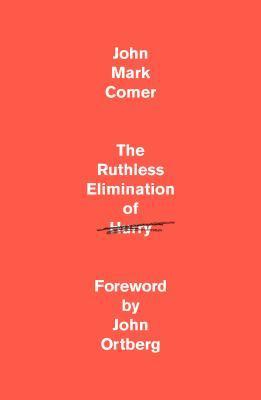
John Mark Comer’s The Ruthless Elimination of Hurry shows how our hurried lives erode our health, relationships, and spiritual well-being. He argues that hurry isn’t just a minor inconvenience but a cultural disease. Drawing on Scripture, modern science, and his own experience, Comer lays out practical steps to slow down and reconnect with God, ourselves, and others. He frames the process around four rhythms: Stop, Silence, Sabbath, and The Fence. By following these, he claims, we can cultivate a life marked by rest, presence, and purpose.
In the opening chapters, Comer describes how hurry hijacks our minds. We fill every moment with tasks, notifications, and obligations, yet we feel empty. He points to research showing chronic stress weakens our immune systems, impairs memory, and damages relationships. Meanwhile, the church often mirrors culture, praising busyness as a sign of significance. Comer insists the Gospel calls us to something different: a pace of life rooted in security, not scarcity.
He tells the story of a successful restaurant owner who barely saw his family. Despite wealth and acclaim, the man felt hollow. A breakdown forced him to reexamine his priorities. He discovered that slowing his pace and carving out time for prayer, rest, and meaningful conversations brought deeper joy than any professional milestone. This anecdote illustrates the stakes: hurry kills our souls.
Part one, “Stop,” challenges us to pause the frantic swirl of life. Comer recommends carving out daily margin—blocks of unscheduled time to breathe. He suggests starting with ten minutes of silence or prayer, resisting the urge to fill every gap. Though it sounds simple, this act of stopping stretches our capacity for patience. Gradually, we learn to notice God’s presence in ordinary moments.
In “Silence,” the second rhythm, Comer invites us to embrace solitude and stillness. He warns that noise and distraction drown out the voice of God and our own hearts. Drawing from Christian mystics, he describes practices like centering prayer and gazing meditation. These exercises teach us to turn inward, face our anxieties, and rest in God’s love. Over time, silence becomes a pathway to clarity.
The third rhythm, “Sabbath,” focuses on weekly rest from work and digital noise. Comer urges readers to treat one twenty-four-hour period as sacred. That means no emails, no social media, and no work projects. Instead, we gather around the table, read books, or take walks. He stresses that Sabbath isn’t optional—it’s a divine gift meant to renew body and mind.
Comer doesn’t leave us with mere ideals; he outlines steps for implementing a genuine Sabbath. First, plan ahead—complete chores and errands before sundown Friday. Second, set clear boundaries: silence phones, close laptops, and resist social media. Third, prioritize restoration by spending time with loved ones or immersing yourself in nature. Even one Sabbath a month can transform your relationship with time.
In the fourth rhythm, “The Fence,” Comer addresses healthy boundaries. He encourages us to define work and rest limits, protecting both from trivial demands. That may mean setting an email cutoff or turning off notifications after 7 p.m. He shares how he built daily routines, including morning prayer, mid-day breaks, and evening reflections. By erecting these fences, we defend margin against creeping busyness.
Digital detox features prominently in Comer’s approach. He challenges us to ask tough questions: What apps hijack my attention? Which notifications fuel anxiety? He suggests uninstalling or muting nonessential apps, batching email checks, and using analog tools like paper planners. These moves reclaim focus and calm. Without constant pings, we rediscover undistracted conversation and creative flow.
Beyond simply saying no, Comer invites us into a life of delight—his final theme. He defines delight as celebrating creation and creativity. Whether in cooking a meal, playing music, or marveling at a sunset, delight awakens our souls. He quotes Psalm 37:4: “Delight yourself in the Lord,” to show that joy and worship go hand in hand. When we delight in God’s gifts, we live more fully.
Community plays a key role, too. Comer reminds us that rhythms of rest thrive best in groups. Small gatherings for shared meals, prayer, or Sabbath walks create accountability and encouragement. He draws from early Christian practices where believers met nightly for worship and daily for fellowship. In our isolated age, such patterns restore connection and strengthen faith.
To help readers build these rhythms, Comer offers a flexible framework. He proposes a three-month plan: Month one focuses on Silence, month two on Sabbath, and month three on The Fence. Each week, we add new habits, adjust as needed, and reflect in a journal. He warns that setbacks are normal but encourages persistence. Over time, small changes add up to profound transformation.
Comer peppers the book with personal anecdotes about juggling ministry, marriage, and parenting. He admits he often stumbles, then finds fresh resolve. These moments of humility make his advice relatable. They remind us that the goal isn’t perfection but faithfulness. Even when progress feels slow, every act of rest and presence matters.
Throughout, Comer roots his guidance in Scripture. He revisits Jesus’ own rhythms—times when Jesus withdrew to pray, healed on the Sabbath, and called disciples to follow. He contrasts these patterns with the frantic pace of the crowd. By imitating Christ’s pace, we shift from performance to relationship.
In closing, Comer issues an invitation: Choose to ruthlessly eliminate hurry. It may cost us convenience and status, but it brings back life. He writes with warmth, honesty, and urgency. Anyone worn out by busyness will find in this book a roadmap to a more human, grounded, and joy-filled existence. After all, when we slow down, we open space to love—and to be loved—in return.
Detailed Summary
Key Takeaways
1. The Trap of Hurry
“Hurry is the great enemy of the spiritual life.”
Recognizing the Cost of Speed: Most of us live with a constant sense of rush. We fill our days with meetings, chores, and digital noise. John Mark Comer argues that this hurried pace erodes our well-being and severs our connection with God and others.
He points out how modern culture equates busy schedules with success. In reality, when we race through life, we sacrifice margin—the space we need for rest, reflection, and meaningful relationships. By tracing hurry back to its roots in industrialization and consumerism, Comer shows that it’s not just a personal issue but a cultural epidemic.
Consequences of Living Fast: Living in a hurry creates stress, anxiety, and burnout. Over time, our bodies respond with higher blood pressure, depressed immunity, and disrupted sleep. We grow more irritable and less compassionate toward those around us.
On a community level, hurry fragments families and weakens friendships. Parents miss crucial moments with their children. Colleagues lose sight of shared purpose. Comer warns that a hurried church cannot foster genuine faith communities or spiritual growth.
Key points:
- Hurry diminishes spiritual depth
- Stress and health problems rise
- Relationships suffer neglect
- Cultural values fuel constant busyness
- Genuine rest becomes rare
2. Rediscovering Sabbath
“Sabbath is our soul’s one-day-a-week refuge.”
Rest as a Spiritual Discipline: Comer reclaims the ancient practice of Sabbath as a weekly rhythm of rest and worship. He explains that Sabbath isn’t merely shutting off work. It’s an intentional break to delight in creation, deepen community bonds, and center our attention on God.
Drawing on Old Testament teachers, he shows how Israel used Sabbath to resist the economic pressures of their time. By observing a day wholly devoted to rest, they signaled trust in God’s providence rather than the constant drive to produce and consume.
Restoring Body and Soul: When we honor Sabbath, we give our bodies the chance to heal and our minds permission to recuperate. We invite creativity to flourish in unhurried moments. Psychologists confirm that periodic rest improves focus, problem-solving, and emotional stability.
Spiritually, Sabbath helps us remember that our identity isn’t tied to performance. It resets our priorities and cultivates gratitude. On a social level, families who practice Sabbath share meals, stories, and laughter. These small acts build resilience against the pressures of modern life.
Key points:
- Weekly fixed rhythm of rest
- Resists consumer and work pressures
- Boosts mental focus and health
- Fosters family and community ties
- Reorients identity toward grace
3. Embracing Solitude
“Solitude is God’s gymnasium for our souls.”
The Gift of Being Alone: Comer challenges us to step away from noise and distraction into periods of intentional solitude. He distinguishes it from loneliness by noting solitude’s goal: encountering God and ourselves without outside interference.
He highlights Jesus’ own practice of withdrawing to pray early in the morning. Solitude allows us to see our inner clutter—anxiety, fear, ambition—and bring it before God. It trains us to listen as much as speak, shaping us into people who can hold contentment amid chaos.
Deepened Self-Awareness and Compassion: In solitude, we confront our limitations and idols. This raw honesty helps us grow humility and dependence on God. Psychotherapist studies show that regular solitude lowers stress hormones and fosters self-awareness.
Solitude also clears space for compassion. As we wrestle with our own brokenness, we become less judgmental and more empathetic toward others. Communities that encourage quiet reflection often display greater patience and gentleness in their interactions.
Key points:
- Intentional time alone with God
- Distinguishes from harmful isolation
- Cultivates self-awareness and humility
- Reduces stress and anxiety
- Increases empathy and patience
4. Simplifying Life
“Simplicity is the countercultural path to freedom.”
Choosing Less to Gain More: Comer argues that clutter—material, digital, mental—clogs our lives and distracts us from what truly matters. He invites readers to simplify possessions, commitments, and media consumption to create the margin we desperately need.
He offers practical steps: decluttering physical spaces, unfollowing unnecessary social feeds, and saying no to non-essential tasks. By shedding excess, we unmask what we value most and create room for relationship, creativity, and spiritual formation.
Margin for Growth: When we reduce our possessions and commitments, we reduce stress and decision fatigue. Economically, minimalism can free us from debt and consumerism’s cycle. Psychologists link simpler living to higher life satisfaction and lower anxiety.
Spiritually, simplicity models reliance on God’s provision. It frees time for prayer, rest, and community. Societies that embrace simpler values often display stronger social bonds and larger charitable efforts.
Key points:
- Declutter physical and digital spaces
- Reduce commitments and obligations
- Lower stress and increase focus
- Free resources from consumerism
- Encourage generosity and community
5. Practicing Slowness
“Slow down and you’ll see the world again.”
The Discipline of Pace: Comer highlights slowness as an antidote to chaotic living. He advocates for walking, eating, and working at unhurried paces. This practice reconnects us with bodily rhythms and encourages mindful attention to our surroundings.
He cites research showing that slowing down eating improves digestion and enjoyment. In conversations, a measured pace builds deeper listening and connection. Slowness isn’t laziness; it’s a countercultural stance that honors presence over productivity.
Reclaiming Presence: Slowness helps us notice beauty—a sunset’s glow, a friend’s laughter. This attentiveness fuels gratitude and counteracts anxiety. Medical studies link mindful pacing to lower blood pressure and improved well-being.
In workplaces, deliberate rhythms boost creativity and reduce errors. Teams that prioritize quality over speed often outpace frantic rivals in innovation. Societally, embracing slowness can curb burnout epidemics and foster sustainable living.
Key points:
- Mindful walking, eating, working
- Improved health and digestion
- Deeper listening and relationships
- Enhanced creativity and quality
- Counteracts burnout and stress
6. Cultivating Community
“We were made for one another.”
Building Spiritual Family: Comer stresses that our solitary efforts fall short without authentic community. He encourages us to form small groups where we practice honesty, prayer, and accountability. In these close bonds, we find support against hurry’s pull.
He describes ancient Christian traditions like monastic cells and modern house churches. By sharing meals, struggles, and spiritual disciplines, members help one another grow. Authentic community also models grace and forgiveness in daily life.
Strength in Togetherness: Communities provide emotional support, reducing loneliness and improving mental health. A network of friends can spot harmful patterns when we’re too close to see them ourselves. Studies link strong social ties to longer life expectancy.
Faith communities that practice hospitality and service influence neighborhoods positively. They combat isolation, feed the hungry, and advocate for justice. Comer argues that a life tethered to others is the best safeguard against falling back into old hurried habits.
Key points:
- Small groups for prayer and honesty
- Mutual support and accountability
- Combats loneliness and isolation
- Boosts mental health and longevity
- Fuel for service and justice
Future Outlook
Looking ahead, Comer’s call to eliminate hurry challenges individuals, churches, and societies to rethink success. If we integrate these ancient rhythms of Sabbath, solitude, simplicity, slowness, and community, we may witness a renewed sense of purpose. Future research in psychology and neuroscience will likely confirm the long-term benefits of these practices for mental and physical health.
On a cultural level, movements promoting slow living, digital minimalism, and mindfulness gain traction. Policies that encourage flexible work hours, protected rest periods, and communal spaces echo Comer’s vision. As more people testify to restored well-being, we may see a shift away from exploitative productivity toward sustainable flourishing.
Ultimately, the ruthless elimination of hurry offers more than personal tranquility. It presents a blueprint for social transformation. When individuals reclaim margin and community, they build resilience against burnout, strengthen families, and foster societies that value people over profit.







