
Summary
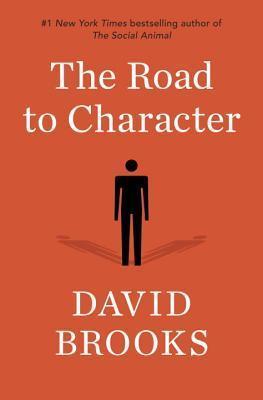
In The Road to Character, David Brooks explores the tension between what he calls “resume virtues” and “eulogy virtues.” He argues that modern culture prizes external success—wealth, status, achievement—over inner moral depth. Brooks invites us to rethink our priorities by looking at lives of historical figures who wrestled with ego, self-doubt, and moral failure. Each chapter profiles a person who chose character growth over worldly gain and offers lessons on humility, self-examination, and service.
Brooks begins by contrasting two ways of living: the “strong,” self-promoting outer life, and the “weak,” inward life of humility and conscience. He calls the outer life Adam I, driven by ambition and self-reliance. The inner life is Adam II, guided by humility, moral struggle, and surrender to a higher purpose. These concepts frame his personal reflections and the stories he tells.
The first portrait is of Frances Perkins, FDR’s labor secretary and America’s first female cabinet member. Brooks shows how Perkins battled imposter syndrome, societal prejudice, and personal loss. Despite her high office, she carried deep guilt over her failure to prevent the Triangle Shirtwaist Factory fire. That tragedy haunted her, spurring the reforms she championed. Perkins’ life illustrates how shame and empathy can fuel moral resolve.
Next, Brooks examines Samuel Johnson, the eighteenth-century writer famous for his dictionary. Johnson was crippled by anxiety and depression yet developed steady routines of prayer, reading, and friendship. He leaned on his friend James Boswell and on his Anglican faith to navigate moral darkness. Johnson’s self-awareness and honesty about his flaws gave him depth and compassion. From him, we learn that honest self-scrutiny can yield both wisdom and humility.
Brooks then turns to Dorothy Day, cofounder of the Catholic Worker movement. Day abandoned a promising journalism career and comfortable lifestyle to live among the poor in New York City. She endured criticism, health scares, and tension with Church authorities. Yet she famously said, “Don’t call me a saint” because she knew her own failings. Day’s life shows that service to others can be a path to inner strength and moral clarity.
The book profiles also John Stuart Mill, the philosopher who championed liberty at the cost of personal crisis. Raised by a strict utilitarian father, Mill suffered a midlife breakdown. He recovered by embracing poetry, friendship, and humility. That transformation demonstrates Brooks’s point that intellect alone cannot fill the soul; we need art, love, and moral struggle to grow.
In another chapter, Brooks highlights George Eliot, the novelist Mary Ann Evans, who used her pen to explore moral complexity. As a woman in Victorian England, she defied convention by living with a married man. Her scandalous choice cost her social standing yet gave her insight into human frailty. Through her novels, she championed compassion, self-examination, and the importance of community in moral development.
Brooks also profiles A. Philip Randolph, the civil‐rights leader who organized the Brotherhood of Sleeping Car Porters. Randolph fought both racial injustice and his own doubts about leadership. He planned a march on Washington that helped push FDR to ban discrimination in war industries. Randolph’s steadfastness under pressure shows how moral courage requires both vision and inner fortitude.
Later chapters turn to the life of Dwight Moody, the nineteenth‐century evangelist, who overcame a rough childhood and alcoholism. Moody devoted himself to ministry and social reform, refusing to indulge in self‐promotion or theology contests. He preached simple messages of repentance and service. His humility and single‐minded focus remind us that authentic faith grows from personal brokenness.
Brooks then contrasts these people with modern figures such as Joe Biden, who has endured family tragedy and political missteps. Biden’s empathy for loss and capacity for apology illustrate the continuing struggle between ego and humility. Through personal anecdotes, Brooks shows that even high‐profile leaders need moral grounding and accountability.
Throughout the book, Brooks shares moments from his own life—his youth, his career, and the turning points that led him to question his ambitions. He recounts a health scare, his wife’s illness, and his encounter with spiritual mentors. These personal stories mirror the themes in the historical portraits and show how moral growth is an ongoing process.
Brooks emphasizes that character forms through grit, self‐denial, and confrontation with weakness. He urges readers to embrace moral strife instead of avoiding it. He suggests daily practices such as confession, gratitude journaling, and service to community. These routines act as moral anchors in a world that pushes for self‐promotion.
In the final chapters, Brooks calls for a cultural shift away from the cult of individual achievement. He wants institutions—schools, media, workplaces—to value character as much as credentials. He imagines a society where people measure success by kindness, integrity, and resilience. Such a world would honor the “eulogy virtues” at life’s end.
The Road to Character ends on a hopeful note. Brooks doesn’t promise an easy path. He admits that the inward life demands struggle, sacrifice, and continual self‐examination. Yet he believes that choosing humility and love over self‐interest leads to deeper fulfillment. By following the examples of Perkins, Johnson, Day, and others, each of us can build a richer moral life. In doing so we travel our own road to character, one step—and one failure—at a time.
Detailed Summary
Key Takeaways
1. Resume Virtues versus Eulogy Virtues
“We obsess over achievements and acclaim, but character resides in depth beyond our public resumes.”
Two Forms of Success: David Brooks draws a clear distinction between resume virtues and eulogy virtues. Resume virtues describe your external accomplishments—your degrees, promotions, and public accolades. They outline how you stand out in the workplace and in social circles. Eulogy virtues, by contrast, represent your deeper moral traits: kindness, bravery, honesty, and compassion. These virtues show up in private moments and define who you are at your core.
Brooks argues that modern culture makes us chase resume virtues at all costs. We measure ourselves by external metrics—job titles, salaries, and social media followers. We neglect the inner life that builds eulogy virtues. Without reflection on our motives, we risk living hollow lives. We end up polished on the outside but brittle on the inside.
Reorienting Personal Priorities: When people prioritize eulogy virtues, they invest in relationships and community. They develop empathy, humility, and moral courage. Those traits foster stable families, supportive workplaces, and stronger civic bonds. A society rich in eulogy virtues weather crises better because people trust and care for each other.
On the other hand, a society fixated on resume virtues experiences greater anxiety and burnout. We chase status and recognition so fiercely that we push aside contemplation and rest. That imbalance drives loneliness and moral emptiness. Brooks suggests that shifting focus back to internal character nurtures well-being and social health.
Key points:
- Resume virtues measure external success.
- Eulogy virtues reflect inner morality.
- Modern culture overvalues resume credentials.
- True fulfillment comes from moral depth.
- Balance between both virtues yields a richer life.
2. The Importance of Humble Beginnings
“We must go down to rise up. We build character in struggle, not in ease.”
Roots of Character: Brooks profiles figures like Frances Perkins and Dorothy Day to show how hardship shaped their moral fiber. Each faced personal crises—poverty, prejudice, health challenges—and emerged with deeper empathy and resolve. Those low points forced them to confront fear, pride, and selfishness.
The author stresses that character grows when we grapple with our flaws. Trials expose our weaknesses and push us toward humility. When we accept setbacks, we become more compassionate toward others in pain. Hardship invites self-examination, and self-examination leads to moral growth.
Transforming Society Through Adversity: Communities that endure adversity together often form lasting bonds. When people support one another through trials—natural disasters, economic downturns, or social unrest—they forge trust and solidarity. Those shared experiences yield leaders who serve with compassion, not ambition.
On a national scale, embracing difficult lessons can lead to reforms. Frances Perkins helped create the Social Security system after witnessing worker suffering. Her own struggles drove her lifelong commitment to social welfare. Brooks argues that without those crucibles, society risks complacency and inequality.
Key points:
- Character builds through challenges.
- Setbacks foster humility and growth.
- Empathy arises from personal struggle.
- Shared hardship strengthens communities.
- Leaders forged in trials serve others.
3. Moral Humility and Self-Examination
“True self-knowledge comes from acknowledging our moral failings.”
Facing the Shadow: Brooks highlights figures like Augustine and John Newton who examined their dark impulses. Augustine wrote tirelessly about his past sins, and Newton confessed his role in the slave trade. Their candor revealed a level of honesty rare among public figures.
By owning their moral failings, they invited forgiveness and change. Their self-reflection enabled them to guide others. Brooks suggests practicing moral humility by journaling, meditation, or candid confessions to close friends. These practices illuminate hidden biases and destructive habits.
Cultivating Ethical Leadership: Leaders who admit mistakes earn trust and loyalty. When CEOs own up to errors, employees feel safe speaking up. Organizations become more transparent and innovative. Accountability becomes part of the culture rather than a source of shame.
In politics, candidates who talk honestly about past missteps connect with voters. They show they can learn and adapt. Brooks argues that moral humility counters cynicism. It reminds people that we all share flaws and that redemption is possible.
Key points:
- Own up to moral failings.
- Use reflection to uncover biases.
- Admit mistakes to build trust.
- Humility fosters innovation.
- Honesty invites forgiveness.
4. The Role of a Moral Mentor
“We grow when someone pulls us aside and calls us higher.”
Guiding Lights: Brooks profiles mentors like Dorothy Day’s spiritual guides and George Marshall’s superiors in the military. These mentors did more than teach skills—they challenged core assumptions and inspired purpose. They often embodied the eulogy virtues they wished to instill.
Mentors act as mirrors and models. They reflect our blind spots and model the character they seek. When we work closely with a wise guide, we internalize habits of service, discipline, and courage. Brooks suggests seeking mentors both in formal roles and informal relationships—friends, clergy, coaches, or older colleagues.
Strengthening Character Networks: Mentorship spreads moral values beyond individuals. A single mentor can influence thousands by shaping one mentee who then leads others. Educational institutions and faith communities that embed mentorship programs often produce leaders with strong ethical foundations.
In corporate settings, mentorship fosters loyalty and retention. Companies that pair junior employees with seasoned mentors see better performance and job satisfaction. Society at large benefits when moral mentors cultivate citizens who contribute to the common good.
Key points:
- Mentors challenge deep beliefs.
- They mirror strengths and weaknesses.
- Modeling moral habits is key.
- Mentorship multiplies positive impact.
- Seek guides in many life areas.
5. Internal Opposition: Moral War Within
“Inside each of us a war rages between creature self and moral self.”
Inner Conflict: Brooks borrows from theologian Kierkegaard to describe the struggle between our lower impulses and higher aspirations. We feel pulled toward laziness, vanity, or selfish gain. At the same time, we yearn for integrity, compassion, and self-control.
That conflict provides the raw material for character development. When we resist easy temptations—like gossip, envy, or indiscipline—we strengthen our moral muscles. Each small victory over instant gratification makes us more resilient in future battles.
Building Moral Resilience: Societies that valorize self-control and integrity tend to have lower rates of corruption and crime. When citizens learn to master personal desires, they act more responsibly at work and in civic life. Brooks argues that moral education should emphasize self-discipline alongside technical skills.
Religions and philosophies that structure daily practices—prayer, fasting, reflection—help people rehearse these victories. Schools and families can adopt similar exercises. Teaching young people to pause, reflect, and choose virtue cultivates a generation less prone to instant gratification. That stability benefits communities and economies alike.
Key points:
- We face an inner moral struggle.
- Resisting temptation builds discipline.
- Small victories matter most.
- Structured practices aid growth.
- Moral resilience reduces corruption.
6. The Centrality of Love and Service
“You find character when you put others first.”
Service Over Self: Brooks profiles people like Fred Rogers and Cecelia Payne-Gaposchkin, who showed gentle care and pursued science for public good. Their lives remind us that love and service rank above ambition. They devoted themselves to uplifting others whether through children’s TV or groundbreaking research.
Service shifts focus from personal gain to community welfare. When we help neighbors, mentor students, or volunteer at shelters, we cultivate empathy and selflessness. Brooks calls this the “moral humidity” that prevents selfishness from drying us out.
Fostering Civic Virtue: Communities rich in volunteers and mutual aid display stronger social trust. Neighborhoods with active service projects see lower crime and better health outcomes. Businesses that engage in corporate social responsibility also boost employee morale and public image.
On a global scale, service-minded citizens drive progress in education, healthcare, and environmental protection. Brooks argues that emphasizing service in education and public policy can revive civic life. It builds bridges across divisions and creates a culture where character matters as much as careers.
Key points:
- Character grows through service.
- Love counters self-centeredness.
- Volunteering builds empathy.
- Service boosts social trust.
- Policy should encourage giving.
Future Outlook
Brooks’s roadmap invites us to rebalance our lives around moral depth rather than mere credentials. As technology and social media push us toward performance metrics and comparison, the call to nurture eulogy virtues becomes more urgent. Future research in psychology and education may explore new methods to teach humility, resilience, and moral introspection to young people.
In policy circles, emphasizing character education alongside STEM subjects could reshape school curricula. Pilots in civic learning, mentorship programs, and ethical training may expand. Companies might adopt values-based leadership models that reward ethical decision-making as much as profit. If leaders at every level heed Brooks’s lessons, we could see a wave of renewed trust and community engagement.
At a societal level, the tension between resume virtues and eulogy virtues points toward a cultural shift. Movements that honor unsung heroes—teachers, social workers, community volunteers—can lift public esteem for selfless service. The road to character suggests a future where success metrics include moral depth. By choosing that path, we create a society that prizes both achievement and the quiet strength of the human spirit.







