
Summary
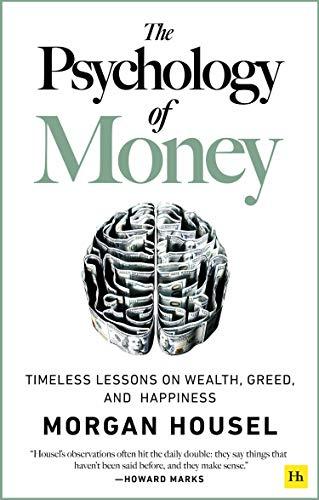
"The Psychology of Money" by Morgan Housel explores how personal beliefs and emotions shape our financial lives far more than spreadsheets or market forecasts. Housel argues that managing money well isn’t about mastering math. It’s about mastering behavior. He weaves stories from history, business, and everyday life to show why people make surprising choices with money.
Housel begins by explaining that chance and risk drive outcomes we often attribute to skill. He tells the tale of Bill Gates, who benefited from being a young programmer on the right machine at the right time. Meanwhile, another talented coder with the same drive but different timing missed that opportunity. That contrast highlights how luck can loom larger than effort.
Next, he explores how tail events––rare outcomes––dominate finance. A handful of winners often generate the majority of returns. Take Berkshire Hathaway, which owes most of its stock gains to just a few investments. Housel warns readers not to assume average experiences based on spectacular outliers.
We then shift to the importance of time and compounding. Housel recounts the story of Warren Buffett, whose wealth exploded thanks to decades of patient investing. Compounding works like a snowball rolling downhill, gaining size and speed. Yet few people embrace its slow-burning magic.
Housel devotes a chapter to saving and spending. He insists that savings rate matters more than investment returns alone. Living below your means gives you flexibility and freedom. Still, he acknowledges that frugality feels awkward in a world obsessed with status symbols.
We learn that controlling ego and envy beats timing the market. Housel notes how investors chasing the hottest stocks often buy expensive peaks and sell in panic. In contrast, disciplined investors ride out volatility with calm. He encourages readers to adopt a margin of safety in both life and finance.
The author then discusses wealth versus rich. Rich looks flashy—big houses, fast cars—while wealth hides in bank accounts and investments. Housel argues that true wealth grants options and security. It’s the freedom to choose how you spend your time.
He pauses briefly to reflect on goals. People pursue money for different reasons: safety, comfort, prestige. Without clarity on why they save or invest, they chase hollow objectives. Housel urges everyone to define personal financial goals before setting a strategy.
Risk and resilience form the next theme. He shares the example of families who survived the Great Depression by living frugally. When crises hit, having a buffer matters more than chasing higher returns. Housel reminds us that financial plans must endure real-world setbacks.
One shorter detour highlights the emotional cost of market swings. Even seasoned investors report sleepless nights when their portfolios dive. Emotional pain often leads to selling low. This tells us that a sound plan needs an emotional cushion too.
Housel also tackles the illusion of control. He quotes John Maynard Keynes: “Markets can stay irrational longer than you can stay solvent.” Attempting to time every market turn usually backfires. Instead, he advises focusing on things you can manage: saving, patience, and behavior.
Another chapter examines the role of stories. People cling to narratives that fit their worldview. A hot tip about an emerging industry can seem irresistible. Yet following fads without skepticism often ends in losses. Housel counsels building financial beliefs on solid evidence, not anecdotes.
Short and sweet: the final chapters stress humility. No one can predict markets or guarantee future returns. Housel recalls how many experts missed major crashes. Admitting uncertainty keeps us prudent and prepared.
He concludes with a reflection on wealth’s true purpose: living a life that feels fulfilling. Money matters, but not as an end in itself. It’s a tool to enable experiences, relationships, and peace of mind. If handled wisely, money grants the luxury of time.
Ultimately, "The Psychology of Money" teaches that personal finance boils down to behavior. Knowledge of formulas and models helps only if you can apply them consistently. By understanding our quirks, biases, and emotions, we can choose better habits. Housel’s blend of research and storytelling makes the journey both insightful and engaging.
Detailed Summary
Key Takeaways
1. Luck and Risk
“Nothing is as good or as bad as it first seems.”
Balancing Uncertainty: Morgan Housel argues that luck and risk shape every financial outcome. He reminds us that a great result can stem from chance. Equally, failure can come from forces beyond control.
He urges readers to accept uncertainty. Recognizing luck doesn’t undermine effort. It simply keeps expectations realistic. By seeing life as probabilistic, you avoid self-blame or overconfidence when events tilt your way.
Humbling Our Financial Decisions: Acknowledging luck and risk tempers our judgment. Investors often credit skill for gains and blame themselves for losses. Yet markets swing on events no one predicted. When we honor risk’s role, we ease regret and curb overreaction.
On a broader level, this mindset fosters empathy. We stop harshly judging people who fail in business or investing. We also avoid hubris when outcomes favor us. That humility can guide better policy, fairer taxation, and more support for those hit by misfortune.
Key points:
- Outcomes blend skill and randomness
- Accept uncertainty to reduce regret
- Humility prevents overconfidence
- Empathy grows from risk-awareness
2. The Power of Compounding
“The most powerful force in investing is time.”
Small Actions, Big Rewards: Housel showcases compounding as growth on growth. A small sum earns interest. Then you earn interest on interest. Over decades, that effect turns modest savings into substantial wealth.
He stresses starting early. Time unlocks compounding most effectively. Even low returns transform into handsome sums if you resist withdrawals and remain patient.
Lifetime Financial Impact: Compounding reshapes retirement planning. If you begin saving in your twenties, you need lower monthly contributions than someone in their forties. The math rewards early adopters in every field, not just finance.
Education, skills, and relationships also compound. Learning a little each day snowballs into deep expertise. Strong habits build over years. Recognizing this principle pushes individuals to plant seeds today for harvests tomorrow.
Key points:
- Interest on interest accelerates growth
- Start early to maximize returns
- Patience beats high returns on short time frames
- Principle applies beyond money
3. Savings Rate Over Income
“Wealth is what you don’t see.”
Hidden Wealth: Housel distinguishes between income and wealth. High earners often display lavish lifestyles. Yet true wealth sits unspent. It’s savings that sit quietly in accounts or investments.
He argues that how much you save matters more than how much you earn. A modest salary paired with a high savings rate can outperform a large salary spent freely.
Societal Spending Habits: When societies chase status through consumption, they miss financial security. High consumption fuels debt and anxiety. A culture that values savings can weather downturns more gracefully.
On an individual level, tracking your savings rate encourages discipline. It shifts focus from boosting income to controlling lifestyle inflation. That mindset fosters long-term stability and freedom.
Key points:
- Wealth equals unspent resources
- High income doesn’t guarantee wealth
- Savings rate drives long-term security
- Controls lifestyle inflation
4. Reasonable Beats Rational
“Doing well with money has little to do with how smart you are.”
Human Over Machine: Housel contends that ideal financial models assume perfect logic. Humans rarely follow them. We worry, procrastinate, and panic. Instead of perfect rationality, we aim for reasonable behavior you can stick with.
He suggests rules that reflect real life. For example, hold ample cash to sleep at night. That may lower returns slightly. But it prevents emotional sell-offs during crashes.
Better Financial Habits: When investors adopt reasonable plans, they stay disciplined. They avoid chasing high-flying stocks or timing markets. Emotionally sustainable strategies last across decades.
Policy makers also benefit. Designing retirement systems around actual human behavior—automatic enrollment, default contributions—boosts participation. It aligns regulations with how people really think.
Key points:
- Embrace practical over theoretical
- Design plans you’ll follow
- Reduce emotional mistakes
- Apply behavioral insights in policy
5. Tail Events Dominate
“History is driven by a few people doing rare things.”
The Impact of Outliers: Housel describes tail events as rare but massive shifts—black swans. A handful of trades produce most market gains. Few innovations drive economic leaps.
He warns against ignoring these extremes. By focusing only on averages, we miss the true drivers of change.
Preparing for Extremes: Investors must balance for both normal times and crashes. Holding some dry powder during booms lets you seize bargains in busts. Firms that plan for tail risks survive shocks better.
Society sees parallels in pandemics or climate events. Planning for black swans—through reserves, insurance, or diversified supply chains—can save lives and livelihoods when rare crises strike.
Key points:
- Rare events shape history
- Outliers drive investment returns
- Average-focused plans underprepare
- Tail-risk planning builds resilience
6. Freedom as Wealth
“Control over your time is the highest dividend money pays.”
Time Independence: Beyond material gains, Housel highlights freedom. Money buys options: to work less, travel, or pursue passions. That flexibility delivers genuine happiness.
He urges readers to define goals early. Is your aim to amass assets or to master your schedule? Tailoring saving and investing to gain time aligns finances with real desires.
Redefining Success: When people value time over status, work culture shifts. Companies offer remote work, shorter weeks, or sabbaticals. Such perks attract talent seeking autonomy.
On a policy level, discussions around universal basic income or flexible benefits rise. Societies wrestle with balancing productivity and well-being. Recognizing freedom as wealth reframes economic priorities.
Key points:
- Time control trumps luxuries
- Define personal goals first
- Work culture follows shifting values
- Policy debates reflect autonomy needs
Future Outlook
Morgan Housel’s insights reshape how we teach and practice finance. Educators may pivot from formula-driven curricula to lessons in behavior, patience, and humility. Mentorship programs could emphasize mindset over technical skills.
Research will likely explore emotional and psychological factors in economic decision-making. Behavioral sciences may merge more deeply with financial theory. As algorithms get smarter, understanding human quirks remains vital to avoid machine-driven mistakes.
On a societal plane, valuing freedom, resilience, and reasonable behavior may inform policy design. Retirement systems, safety nets, and regulations could shift toward simplicity and sustainability. In the end, acknowledging our own limits might build a more stable financial world.







