Summary
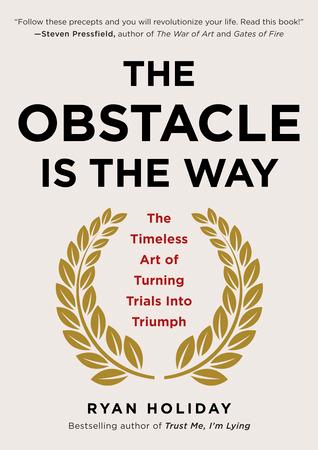
The Obstacle Is the Way by Ryan Holiday shows how challenges can become advantages when we change how we see them. Holiday draws on ancient Stoic wisdom and modern stories to guide readers through three steps—perception, action, and will—that turn setbacks into success. He argues that obstacles are not just roadblocks but essential tools for growth.
First, Holiday highlights perception. He urges you to strip away emotion and bias when you face trouble. He recommends pausing, breathing, and examining situations with clear eyes. By reframing problems as neutral events rather than personal attacks, you start to see opportunity in adversity. This shift in mindset alone can spark creative solutions.
Marcus Aurelius anchors this theme. The Roman emperor wrestled with war, plague, and betrayal, yet he viewed every turmoil as a chance to practice virtue. He wrote that obstacles made him stronger and wiser. In doing so, he modeled how to face external chaos while preserving inner calm. His Meditations serve as a handbook for interpreting hardship as a stepping stone.
Holiday also recounts how John D. Rockefeller’s early life of poverty became his greatest teacher. The future tycoon learned thrift, patience, and resilience from hardship. Rather than regret his humble background, he used it to fuel ambition and innovation. Rockefeller’s story shows that humble origins, when embraced, become a sturdy foundation rather than a liability.
Next, the book turns to action. Holiday stresses the importance of constant, deliberate work and bold moves. He warns against overthinking and paralysis by analysis. By breaking big obstacles into smaller tasks, you can chip away at them without feeling overwhelmed. Momentum builds when you start acting, even imperfectly.
Thomas Edison exemplifies relentless action. After thousands of failed light-bulb experiments, he famously said, “I have not failed. I’ve just found 10,000 ways that won’t work.” Holiday points out that Edison’s dogged iteration—testing filament after filament—made invention inevitable. His persistence under pressure reminds us that effort multiplies results.
Another figure featured is Amelia Earhart. She confronted sexism, fear, and technical setbacks yet pressed on until she became a record-setting pilot. She planned meticulously but adapted when storms or mechanical issues forced her off course. Her aviation feats illustrate how decisive steps and flexible problem-solving work hand in hand.
Holiday then explores will, the internal power to endure what you cannot change. He urges readers to build mental toughness through reflection, gratitude, and creativity. He notes that while perception and action shape your external responses, will steadies you when outcomes remain uncertain.
He points to James Stockdale, a Navy pilot held captive in Vietnam for over seven years. Stockdale survived torture and isolation by cultivating an inner fortress. He accepted reality calmly and sustained hope without illusions. His resilience under extreme duress shows the depth of will needed to outlast prolonged suffering.
The author also touches on the role of faith, whether in religious, philosophical, or personal convictions. Belief in something larger than oneself can fuel perseverance when hope dwindles. Holiday shares anecdotes of entrepreneurs who leaned on moral or spiritual beliefs to navigate bankruptcy and betrayal.
A recurring theme is amor fati—the love of fate. Instead of wishing things were different, you embrace whatever life throws at you. This active acceptance redirects energy into solving issues rather than resenting them. It transforms obstacles into allies and hardship into a rite of passage.
Holiday summarizes his lessons with practical tactics: simplify your inputs by focusing on essentials, channel frenetic energy into constructive work, and cultivate an unbreakable inner core through daily habits like journaling or meditation. He reminds readers that these aren’t quick fixes but lifelong practices.
In the final chapters, he challenges you to apply this Stoic approach in everyday life. Small annoyances at work, traffic jams, or criticism become exercises in calm and resourcefulness. He suggests keeping a personal record of wins over obstacles to reinforce confidence and remind you of past triumphs.
The Obstacle Is the Way closes with an inspiring call to action: don’t shrink from problems; face them head-on, learn from them, and let them guide you toward your goals. Holiday’s blend of classic philosophy and modern stories offers a clear, actionable path to resilience. By shifting perception, taking bold action, and strengthening your will, you can transform every obstacle into an opportunity.
Detailed Summary
Key Takeaways
1. Perception Shapes Reality
“It’s not what happens to you, but how you react to it that matters.”
Reframing Challenges: Holiday draws on Stoic wisdom to show how perception filters every experience. He argues that by choosing how we interpret events, we can turn setbacks into advantages. When you see obstacles as neutral facts rather than personal slights, you free yourself to act rather than panic.
He presents stories of leaders and athletes who faced ruin yet refused to see themselves as victims. Each example underlines that a calm, objective mind creates space for solutions. By training your mind to stay clear and rational, you transform fear into focus and paralysis into progress.
Empowerment Through Objectivity: When individuals reframe problems, they break free from self-imposed limits. In modern business, teams that adopt this mindset pivot quickly when markets shift. They ask “What can we learn?” instead of “Who’s to blame?” This shift fosters innovation and resilience under pressure.
Historically, figures like Thomas Edison viewed each failure as a stepping stone. His calm tenacity led to countless inventions despite thousands of failed prototypes. Today, startups echo this ethos: they iterate fast, learn fast, and treat setbacks as data. By mastering perception, organizations and people worldwide build durable success.
Key points:
- Focus on what you can control – your thoughts and reactions.
- See facts objectively, without emotional distortion.
- Train your mind with daily reflection or journaling.
- Use setbacks as feedback, not as verdicts.
- Cultivate a calm response to stress.
2. Action Defeats Despair
“Action is the antidote to despair.”
Turning Intention into Motion: Holiday insists that clarity alone can’t solve crises; you must act. He traces how decisive, purposeful steps break the deadlock of fear and doubt. Action doesn’t have to be grand – even small moves reset mental momentum.
He cites Roosevelt’s hands-on leadership during the Depression. Instead of waiting for perfect plans, Roosevelt initiated immediate relief programs. Each modest effort built confidence, mobilized resources, and restored hope. Holiday urges readers to do the same: start somewhere, anywhere, but start.
Momentum Through Doing: On a personal level, simply beginning a project cures the paralysis caused by overthinking. Athletes know this: the first lap on the track banishes pre-race jitters. In workplaces, quick prototypes and pilots gather feedback early and prevent wasted months of planning.
Societies benefit too. When communities face disaster, those who step forward to clear debris, deliver supplies, and rebuild homes inspire others to join. Action multiplies itself. Confronting problems head-on dismantles despair and ushers in collective progress.
Key points:
- Break big challenges into small, doable steps.
- Start immediately, even without full certainty.
- Use early action to gather feedback.
- Leverage momentum to tackle tougher tasks.
- Inspire others by leading through doing.
3. Will Is Unbreakable
“The obstacle in the path becomes the path. Never forget, within every obstacle is an opportunity to improve our condition.”
Cultivating Inner Strength: Holiday defines will as the inner fortress you build against hardship. It’s not about brute force but about patient endurance. By accepting things you can’t change and focusing on what you can, you conserve energy and build lasting resilience.
He recounts Marcus Aurelius coping with plague and war while ruling an empire. The emperor’s journals reveal a mind shaped by discipline, acceptance, and moral purpose. We learn that will grows when we face troubles with calm persistence rather than avoiding them.
Resilience in Trials: In sports, champions push through injuries, relying on mental grit as much as physical skill. In business, founders endure lean years and tough markets by holding a clear vision and refusing to quit. Families weather loss and grief by leaning on shared purpose and unshakeable hope.
Beyond individuals, entire cultures rise by honoring collective will. Post-war societies rebuilt cities and economies by affirming shared values and refusing to be defined by destruction. Will transforms adversity into collective renewal.
Key points:
- Accept what you cannot change.
- Focus on steady, patient endurance.
- Draw on a higher purpose or principle.
- Develop routines that reinforce resilience.
- See hardship as training for strength.
4. Amor Fati: Love Your Fate
“I began to love the inner citadel— the place where my will could stand unharmed by external events.”
Embracing All Outcomes: Holiday revives the Stoic idea of amor fati—loving everything that happens. Rather than merely resigning yourself to fate, you actively embrace even hardship as part of your journey. This radical acceptance frees your energy for productive work instead of wasted resistance.
He includes anecdotes of entrepreneurs whose bold choices backfired horribly, only to set them on better paths. By loving the turn their fate took, they discovered unexpected talents and markets. Holiday shows that by welcoming every twist, you turn every moment into an ally.
Freedom Through Acceptance: When you embrace circumstances fully, negative emotions lose power. In therapy and coaching, clients who practice acceptance report lower anxiety and higher creativity. They stop battling reality and start shaping it.
On a societal scale, movements that accept tragic history yet honor resilience uplift communities. Countries that face past wrongs openly build more stable democracies. By loving fate, leaders and citizens alike unlock peace of mind and collective progress.
Key points:
- Practice wholehearted acceptance of events.
- Turn setbacks into springboards for growth.
- Use journaling to notice resistant thoughts.
- Find lessons in every outcome.
- Align your will with reality, not wishful thinking.
5. Iterate and Improve
“Small wins fuel the engine of ambition.”
Progress Through Repetition: Holiday urges readers to tackle problems through repeated attempts. He highlights how quick experiments reveal what works and what fails. By iterating, you refine solutions faster and learn more deeply than through endless planning.
Examples range from inventors testing thousands of designs to writers rewriting dozens of drafts. Each cycle strips away flaws and clarifies the core idea. Holiday reminds us that mastery isn’t born of one grand stroke but of countless small corrections.
Innovation by Trial: In technology, agile development depends on sprints and user feedback. Teams that push updates weekly stay ahead in fast-moving markets. Elsewhere, chefs adjust recipes by tasting continually until they reach perfection.
This approach spreads beyond products. Personal habits improve by tracking progress daily and tweaking routines. Over time, incremental gains compound into significant transformation. Iteration becomes the engine of lasting success.
Key points:
- Break big goals into rapid tests.
- Gather quick feedback and adjust.
- Accept failures as data points, not verdicts.
- Build improvement cycles into your routine.
- Celebrate small wins to stay motivated.
6. Momentum Through Preparation
“By preparing for every obstacle, you neutralize its power to defeat you.”
Anticipation and Planning: Holiday stresses that preparation softens the blow of future challenges. He advocates mental rehearsals, role-playing, and scenario planning. By imagining worst-case scenarios, you reduce fear and increase confidence when they arrive.
He points to explorers who visualized every supply shortage and weather threat. When storms hit, they met them with calm resolve. In business, crisis teams run drills so real emergencies become familiar. Preparation primes your mind and builds muscle memory for adversity.
Turning Unknown into Known: Preparedness transforms uncertainty into a known variable. In emergency services, drills save lives because responders don’t freeze when alarms blare. In finance, stress tests reveal weak spots before markets crash.
Individuals who practice “premortems” on personal plans catch blind spots early. By naming potential pitfalls, they craft safeguards. Over time, this habit broadens foresight and trims surprises, making resilience automatic.
Key points:
- Run mental rehearsals for possible setbacks.
- Conduct premortems on major plans.
- Build checklists and routines for crises.
- Develop habits through regular drills.
- Convert fear of unknown into structured response.
Future Outlook
Ryan Holiday’s blend of ancient Stoic wisdom and modern storytelling speaks directly to our unsettled age. As technology accelerates change and markets shift overnight, the principles of perception, action, and will grow only more vital. Leaders, entrepreneurs, and everyday people will find in these lessons a guide to steer through volatility with calm clarity.
Looking ahead, we can expect these ideas to shape training programs in business schools and executive workshops. The emphasis on rapid iteration and mental preparation dovetails with agile methodologies across industries. Meanwhile, mental-health practitioners may adopt Stoic reframing exercises to help clients face anxiety and loss with equanimity.
On a societal level, as communities confront climate threats and political upheaval, Holiday’s message offers a unifying framework. By teaching us to treat every obstacle as a path forward, the book plants seeds for collective resilience. In time, this mindset may prove essential for building a more adaptable, empowered future.