
Summary
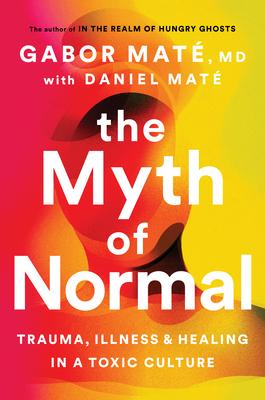
The Myth of Normal: Trauma, Illness, and Healing in a Toxic Culture by Gabor Maté explores how our society’s definition of “normal” masks widespread suffering. Maté argues that what we accept as ordinary stress, pain, or disease actually represents deep wounds born of emotional neglect and trauma. He challenges the traditional medical model that views illness as a purely biological glitch. Instead, he shows how culture shapes our health by denying the effects of trauma on mind and body.
Maté begins by unpacking the concept of “normal.” He points out that our cultural standards equate toughness and self-sufficiency with success. Feeling anxious, depressed, or tired, we label ourselves abnormal. Yet these responses often arise from unmet needs for safety, connection, and care. When society loops trauma into daily life, it makes dysfunction seem ordinary and hides the root causes behind labels and pills.
Tracing the history of medicine, Maté highlights how doctors have long separated mind from body. He recalls his own practice as a family physician, watching chronic conditions stack up while emotional wounds stayed invisible. The prevailing model treats symptoms—high blood pressure, autoimmune flares, addictions—without asking why. Maté insists that to heal illness, we must look beyond genes and germs to the soil of early experience.
Central to this view is trauma, which he defines broadly. Not only extreme events like war or assault but also repeated emotional neglect and chronic stress count as trauma. A child whose needs go unmet learns to tone down feelings and disconnect from self. Over time, this adaptation fosters patterns of emotional suppression, leading to anxiety, depression, or physical breakdown.
He devotes a chapter to childhood underdevelopment. Maté shows that when parents or caregivers can’t attend to a child’s needs—whether through addiction, mental health issues, or simple distraction—the child’s brain wiring shifts. Stress hormones flood the immature nervous system, altering neural pathways. This rewiring shapes how that person copes with stress all their lives.
Maté then explores the neurobiology of stress. He describes how chronic cortisol release damages brain regions involved in self-regulation and social connection. Overactive stress responses erode immune function, disrupt digestion, and fuel systemic inflammation. Instead of seeing these outcomes as separate diseases, he frames them as collective signs of a body under siege.
The mind-body connection underlies much of Maté’s argument. He draws on research showing that psychological stress can trigger or worsen conditions like multiple sclerosis, heart disease, and cancer. He recounts patient stories where trauma preceded the onset of illness by months or years. These narratives challenge the myth that disease strikes at random and remind us that our inner world shapes our physical fate.
Addiction receives special attention as a response to emotional pain. Maté insists addiction is not a moral failure but a survival strategy. Substances and behaviors that numb inner turmoil temporarily relieve distress. Yet they reinforce neural circuits that demand more relief, trapping the person in a cycle of craving and shame. Healing requires compassion, not judgment.
In unpacking ADHD and related diagnoses, Maté points to environmental factors more than genetics. He notes that overly constraining schools and overstimulating screens offer little room for authentic engagement. Children locked in this dynamic can’t regulate attention or impulses because they lack reciprocal emotional attunement. Labeling them “disordered” merely obscures the deeper relational deficits at play.
Depression and anxiety emerge as other facets of trauma’s imprint. Maté describes how a sense of aloneness infects those whose emotional needs were sidelined. They learn to hide vulnerability behind workaholism, perfectionism, or numbness. These coping mechanisms lead to burnout or breakdown, yet remain normalized in a culture that prizes productivity over presence.
Autoimmune diseases illustrate how the immune system itself becomes a scapegoat when stress runs high. Maté reviews studies linking adverse childhood experiences to later autoimmunity. He underscores that clinicians often treat the immune system as gone rogue, without questioning why it would attack the body. The real culprit, he insists, is chronic stress rooted in unmet emotional needs.
Maté also critiques how our culture marginalizes the very idea of emotional literacy. We fail to teach people to recognize and speak about feelings. Instead, we valorize stoicism or hideous busyness. This collective emotional illiteracy steers us away from healing connections and deeper self-knowledge.
Turning to solutions, Maté calls for a new vision of healing. He champions compassionate inquiry—a therapeutic approach that invites people to trace their symptoms back to inner wounds. He argues that empathy, authenticity, and nonjudgmental witnessing can undo the isolation trauma creates. When people feel seen, they reconnect with parts of themselves long furtive.
He expands this approach into a broader social movement. Healing doesn’t happen solely in therapy rooms. It unfolds in families, schools, workplaces, and communities that honor vulnerability and mutual support. Maté points to examples of trauma-informed schools and peer support networks as promising starts. By shifting policies and practices, we can transform toxic cultures into nurturing ones.
In closing, Maté urges readers to reconsider what “normal” means. He suggests that genuine health requires acknowledging our emotional lives alongside our physical ones. Healing invites us to reclaim parts of ourselves lost to trauma. Only then can we create a culture that values true wholeness over the empty ideal of normality.
Detailed Summary
Key Takeaways
1. Toxic Culture Distorts Normal
“Our definition of ‘normal’ has become the pathology.”
Reframing Normality: Gabor Maté argues that what our society labels as “normal” often reflects widespread dysfunction rather than health. He traces how consumerism, relentless performance demands, and social alienation shape a cultural baseline that tolerates chronic stress, anxiety, and disconnection. Maté shows that people adapt to these toxic norms and then mistake their symptoms—insomnia, digestive upset, and emotional numbing—for individual failures rather than outcomes of a broken system.
He unpacks how children internalize these pressures from an early age. Schools reward compliance over curiosity. Parents under stress may inadvertently pass on shame when they can’t meet society’s high bar. Over time, individuals lose touch with their authentic needs. They start to believe they’re flawed, rather than recognizing the cultural environment as the root cause.
Redefining Health and Illness: Once we see normal as a moving target shaped by a toxic context, we begin to challenge medical and social definitions of health. Many chronic illnesses—autoimmune disorders, digestive diseases, depression—have roots in long-term stress and unaddressed trauma. Maté cites studies linking early adversity to altered immune responses. Recognizing the cultural role helps shift treatment toward mind–body approaches, not just symptom suppression.
On a societal level, this insight urges policy change. Schools would emphasize emotional literacy over standardized tests. Workplaces might prioritize human connection instead of nonstop productivity. When we widen our lens, healing becomes more than a medical model. It becomes a movement to reshape institutions so they support genuine well-being.
Key points:
- “Normal” often masks chronic dysfunction
- Society rewards compliance over authenticity
- Early stress rewires mind and body
- Chronic illness links to cultural pressures
- Healing demands systemic change
2. Early Trauma Shapes the Body
“Adverse childhood experiences carve neural pathways for a lifetime.”
Trauma’s Lasting Mark: Maté explains that trauma doesn’t only mean physical abuse. Emotional neglect, witnessing parental conflict, or chronic family stress all count. He draws on decades of clinical practice to show how even subtle forms of emotional wounding can rewire the developing brain. Stress hormones flood a child’s system. Neural circuits adapt to constant threat by narrowing attention and suppressing sensation. Over years, this leads to heightened reactivity, impaired self-regulation, and vulnerability to illness.
He emphasizes that trauma lives in the body. Pain, fatigue, autoimmune flares, and digestive disorders often reflect unprocessed emotional pain. Patients arrive with bewildering symptoms. Standard tests may appear normal. Yet, by exploring their life history, Maté finds recurring patterns of early adversity. He argues that physical ailments and emotional wounds are two sides of the same coin.
Toward Holistic Medicine: By acknowledging trauma’s imprint on physiology, medicine can move from reductionism to holistic care. Doctors would screen for adversity and incorporate trauma-informed therapy. They’d recognize that prescribing meds alone often falls short. Maté cites programs where integrating psychotherapy, community support, and bodywork reduced chronic pain and autoimmunity.
On a broader scale, communities could foster resilience through safe childhood environments. Parenting programs and social safety nets become preventive medicine. When we treat trauma as a root cause, we reclaim resources lost to endless doctor visits and failed interventions. Healing becomes possible when we reconnect body and mind.
Key points:
- Trauma includes neglect and emotional wounds
- Chronic stress alters brain and body
- Symptoms often lack clear medical cause
- Treating root trauma prevents chronic disease
- Holistic care integrates mind–body therapy
3. Mind and Body Are One
“There is no such thing as a purely physical ailment.”
Unity of Self: Maté challenges the mind–body split that dominates Western medicine. He insists that our thoughts, emotions, and social environment co-create physical health. Stressful experiences trigger hormonal cascades that affect digestion, immunity, and pain perception. Conversely, physical discomfort feeds back into anxiety and depression. He illustrates this with cases of patients whose gastric ulcers abated only after they processed deep-seated grief.
He draws on neuroendocrinology to explain how the autonomic nervous system links emotional states to organ function. When fear or shame dominate, digestion stalls. When we feel safe and connected, healing pathways open. Maté urges clinicians to see patients as whole people. Lab values matter, but the story behind them often holds the key to lasting recovery.
Rewriting Medical Practice: Accepting mind–body unity transforms clinical encounters. Physicians would ask patients about life stressors as routinely as they record blood pressure. Treatment plans would combine talk therapy, nutrition, movement, and social connection. By addressing emotional or relational upheaval, doctors can break vicious cycles that fuel chronic pain and fatigue.
At a policy level, this approach calls for integrated care models. Health systems would fund mental health, social work, and patient education alongside pharmaceuticals and procedures. Insurance would cover trauma therapy as medical necessity. Ultimately, this vision rehumanizes healthcare and lowers costs by preventing the downstream consequences of untreated stress.
Key points:
- Stress hormones affect all organ systems
- Emotions shape disease progression
- Healing flows when we address the whole person
- Clinical care must include life context
- Integrated care reduces long-term costs
4. Shame Blocks Healing
“We heal in relationship, not isolation.”
Toxic Power of Shame: In Maté’s view, shame is the central obstacle to health. When people feel unworthy, they hide pain rather than seek help. Shame tells them they caused their suffering. This self-blame deepens isolation. It triggers further stress responses, worsening conditions like chronic pain or addiction. He recounts patients who endured years of undiagnosed illness simply because they felt too ashamed to speak up or trusted professionals would dismiss them.
He underscores that genuine healing unfolds in safe, trusting relationships. Therapists, caregivers, or support groups provide spaces where individuals can lower their defenses. They replace shame with empathy. In this environment, people learn to reconnect with their bodies and emotions. They gain permission to feel and express pain without judgment. That shift unlocks the body’s innate capacity to repair itself.
Cultivating Compassionate Communities: Combatting shame calls for cultural change. Families, schools, and workplaces must model empathy and vulnerability. When children see adults openly share struggles, they learn that hardship is part of life. Support networks can form in neighborhoods, online platforms, and faith communities. Maté highlights peer-led trauma groups that foster belonging and reduce self-blame.
Healthcare providers also play a role. By adopting trauma-informed communication, they can welcome disclosures rather than deepen stigma. Simple gestures—active listening, validating feelings—build trust. Over time, shame’s grip loosens, and individuals engage fully in treatment. That change ripples outward, improving public health and social cohesion.
Key points:
- Shame causes self-isolation
- Self-blame worsens illness
- Healing requires safe relationships
- Empathy replaces toxic shame
- Communities can foster trust and healing
5. Addiction as Adaptation
“Addiction arises from pain trying to soothe itself.”
Reframing Addiction: Maté defines addiction broadly to include substances, work, technology, or relationships. He explains that compulsive behaviors serve an adaptive purpose: they numb unbearable feelings born of trauma or chronic stress. Brain imaging shows that addictive patterns hijack reward circuits. People chase relief from anxiety or shame. Over time, they need higher doses of stimulation, whether from drugs or dopamine hits on social media.
He stresses that moral judgment and punishment only deepen the problem. When addicts hear they lack willpower, shame intensifies. That shame fuels the next binge or relapse. Instead, he calls for compassion. Understanding addiction as a desperate coping strategy opens the door to treatment that addresses underlying trauma. It shifts focus from controlling behavior to restoring emotional balance.
From Criminalization to Care: This perspective demands a radical shift in policy. Rather than incarcerating people for drug possession, society should invest in trauma-informed addiction treatment. Programs that combine housing, counseling, and community support yield better outcomes. Maté points to Portugal’s decriminalization model, which slashed overdose rates and HIV infections.
Employers, schools, and criminal justice systems also need to adapt. Drug courts can offer therapy instead of jail. Workplaces can support employees dealing with addiction through flexible leave and counseling. By treating addiction as a health issue rather than a crime, we reduce harm, cut costs, and restore human dignity.
Key points:
- Addiction numbs trauma and stress
- Reward circuits drive compulsive use
- Shame worsens addictive cycles
- Compassionate care outperforms punishment
- Policy must fund treatment over incarceration
6. Connection Heals
“Our greatest medicine is human connection.”
Power of Belonging: Maté concludes that healing flows when people feel seen and accepted. Social isolation and loneliness produce stress hormones that fuel disease. By contrast, supportive relationships calm the nervous system and unleash repair processes. He draws on research showing that strong social ties predict longer lifespans and lower rates of heart disease.
He recounts clinical encounters where simple acts—holding a patient’s hand, listening without interruption—led to measurable improvements. Beyond individual care, he advocates for cultural practices that deepen connection: community gatherings, intergenerational mentorship, and time in nature. These foster a sense of belonging that underpins psychological and physical health.
Building Healing Networks: To translate this idea into practice, societies must prioritize community infrastructure. Urban planners can design parks and communal spaces that invite interaction. Schools can integrate peer mentoring and social-emotional learning. Workplaces can encourage team projects and regular check-ins rather than solitary cubicle work.
At the policy level, funding for community centers, mental health services, and group therapies reflects an understanding that public health thrives on social cohesion. By weaving connection into daily life, we create environments where individuals recover from trauma and build resilience together.
Key points:
- Loneliness fuels stress and disease
- Supportive ties lower illness risk
- Small gestures can spark healing
- Communal spaces foster belonging
- Public policy must fund social infrastructure
Future Outlook
Looking forward, Maté’s insights challenge us to redefine health, not as absence of disease, but as freedom from chronic stress and deep social wounds. Researchers will likely explore epigenetic links between early trauma and illness, uncovering how community interventions can reverse harmful biological markers. This could transform prevention from a medical to a socio-emotional mission.
On the policy front, we’ll see growing calls for trauma-informed schools and workplaces. Lawmakers might integrate emotional literacy into curricula and mandate mental health breaks at work. Healthcare systems may realign funding to cover psychotherapy and peer support as essential components of treatment.
Culturally, the myth of normal will give way to narratives that honor vulnerability and collective care. As we embrace Maté’s vision, society may shift from individual achievement to shared well-being. Our future health depends not on more pills or higher performance, but on deeper human connection and compassionate systems that heal both body and soul.







