
Summary
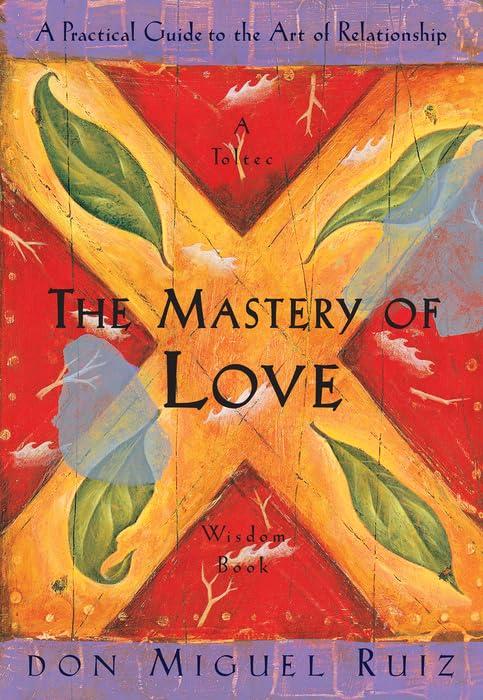
The Mastery of Love, by Don Miguel Ruiz, invites you to rethink how you relate to yourself and others. Ruiz argues that most of our pain comes from faulty beliefs we adopted in childhood. He calls these beliefs “agreements,” and says they shape our emotional world. By examining those pacts, you can free your heart to love again.
Ruiz begins by describing the ‘domestication’ process we endure as children. Our parents, teachers, and society set rules about how to behave. We learn to seek approval and to avoid shame. Over time, those external demands become internal judgments. They build fear, anxiety, and a longing to please.
As we grow, Ruiz says, we make more agreements—with friends, lovers, or work—to feel safe. We promise to behave in certain ways, even if they suppress our true selves. In relationships, those pacts demand that we win approval at any cost. We trade authenticity for acceptance, and we lose the ability to love freely.
Fear enters the picture when we worry about being rejected or abandoned. Ruiz explains that fear distorts our view of love. Instead of giving, we expect payment or validation. We keep a mental ledger of favors owed and received. Love becomes a business deal instead of a gift.
In one vivid anecdote, Ruiz compares our wounds to garden plots overrun with weeds. Each hurtful word or betrayed trust plants a seed of doubt and despair. We water those seeds with worry and tears until our garden looks like a wasteland. We blame others for the mess instead of taking responsibility.
To heal, Ruiz urges you to uproot those old beliefs. He suggests daily self-love practices, like speaking kindly to yourself and forgiving your own mistakes. He likens forgiveness to pulling weeds—you might tug at old hurts again and again until they finally come loose.
Ruiz also introduces the idea of the “emotional parasite.” This is the voice in your head that reminds you of every slight you ever suffered. It feeds on your pain. By refusing to relive old grievances, you starve the parasite and reclaim your joy.
Relationships, he says, act as mirrors. Your partner reflects your own self-image, strengths, and insecurities. You might criticize them for being jealous, when in fact you’re projecting your own fears. Recognizing projection helps you stop blaming and start understanding.
The author encourages personal responsibility in love. Instead of waiting for the other person to change, you tend your own inner garden. You drop demands and rigid roles. You embrace compassion over control. In doing so, you invite collaboration and play.
Ruiz invites you to rediscover innocence and curiosity. He recalls how children explore their world without fear or shame. In love, you can revive that wonder by dropping expectations. You can ask questions instead of making accusations and listen without judgment.
Breaking old agreements takes courage. Ruiz suggests writing down the rules you’ve followed and crossing out the ones that no longer serve you. By doing so, you free yourself from guilt and obligation. You reaffirm your right to choose joy and peace.
He offers practical tools, like creating loving agreements with yourself and your partner. These pacts focus on respect, honesty, and kindness. Rather than demanding perfection, they invite growth. They allow each person to remain whole while sharing life together.
Cultivating freedom in intimacy means honoring each other’s independence. Ruiz maintains that two complete people bring their abundance to a relationship. They share love, yet they stand firmly on their own. That balance prevents codependency and stifling demands.
He stresses that mastery of love requires constant practice. He paints a scene of daily rituals—morning affirmations, kind words at dusk, gentle touch before sleep. These simple gestures reinforce your new agreements and nourish the bond you share.
In the end, Ruiz promises that when you master love within yourself, you transform every relationship. You shed fear, you speak from your heart, and you welcome happiness. You no longer negotiate love; you live it. The Mastery of Love leaves you with a roadmap to heal old wounds and uncover the freedom that true love brings.
Detailed Summary
Key Takeaways
1. Self-Love as Foundation
“You cannot give to another what you do not have yourself.”
Cultivating Inner Wholeness: Ruiz begins by stressing that true love springs from acceptance of oneself. He shows how many people seek validation outside and forget to value their own worth.
When we love ourselves, we free our mind from judgments and fears that block genuine connection. Ruiz uses simple anecdotes to reveal how self-rejection sabotages relationships and personal joy.
Raising Emotional Resilience: When you build self-love, you become less dependent on others’ approval. This shift reduces anxiety in social and romantic bonds. Over time, you learn to protect your energy and set healthy boundaries.
Society often praises sacrifice and codependence. Ruiz argues that this norm erodes self-esteem. By practicing self-love first, individuals resist toxic patterns that deplete mental health and strain communities.
Key points:
- Love starts within
- Self-worth precedes giving
- Boundaries grow naturally
- Freedom from external approval
2. The Wounded Mind
“We all carry a wounded mind that was born from fear and betrayal.”
Origins of Emotional Scars: The wounded mind comes from early experiences of rejection or abuse. Ruiz describes how we build personal “belief systems” to protect ourselves but end up imprisoned by guilt and shame.
These mental wounds guide our reactions in every encounter. He uses the metaphor of a puppet show: the wounded mind pulls strings that make us replay old dramas instead of living freely.
Breaking Cycles of Hurt: Understanding the wounded mind allows us to interrupt destructive patterns in families and friendships. When we recognize our triggers, we can choose new, healthier responses.
On a cultural level, collective trauma shapes social norms. Ruiz’s insights encourage healing at both personal and community scales. Over time, this can foster societies where trust and compassion replace suspicion.
Key points:
- Fear-based beliefs
- Emotional triggers
- Replaying old dramas
- Path to healing
3. The Book of Knowledge
“We read the Book of Knowledge to learn right from wrong.”
Cultural Conditioning: Ruiz likens our learned beliefs to chapters in a massive book we carry. From childhood, we absorb cultural rules that tell us how to behave and judge.
These rules can protect, but they often limit creativity and joy. He invites readers to question the book’s content and to rewrite its pages with truth and compassion.
Rewriting Life’s Story: By challenging inherited beliefs, you regain creative freedom. People begin to craft new narratives that support love over fear.
At scale, this approach can reshape social institutions. Education, media, and family traditions evolve when individuals choose to draft kinder, more truthful stories for future generations.
Key points:
- Inherited beliefs
- Questioning norms
- Creative freedom
- Personal narrative
4. The Dream of Love
“Most of us live in a dream where we expect others to fix our wounds.”
Illusion of Rescue: Ruiz warns against the trap of expecting partners to heal us. This dream of love burdens relationships with unrealistic demands.
He encourages readers to wake up by healing wounds themselves. Once self-responsibility replaces rescue fantasies, bonds become partnerships of growth rather than codependence.
Healthier Relationships: When individuals stop seeking rescuers, they engage in more balanced connections. They offer love freely rather than cling out of fear.
This shift impacts families too. Children raised by self-healed parents learn to value autonomy and cooperation over dependence and conflict.
Key points:
- Rescue fantasies
- Self-responsibility
- Balanced partnerships
- Generational impact
5. Transforming Fear
“Fear poisons love and turns it into obligation.”
Distinguishing Love from Fear: Ruiz explains that fear-driven actions masquerade as love when we feel obligated. He shows how guilt, shame, and duty can erode true affection.
By identifying fear’s grip, we learn to let go of toxic patterns. Love then becomes a choice rather than a burden we carry to avoid conflict or guilt.
Cultivating Genuine Affection: When fear subsides, we express love authentically. Relationships thrive on mutual respect and joy instead of anxiety-driven rituals.
Communities benefit as well. Fear-based social controls give way to voluntary cooperation, promoting innovation and shared well-being.
Key points:
- Fear vs. love
- Guilt and obligation
- Authentic choice
- Social transformation
6. The Art of Appreciation
“Gratitude is the key to open your heart.”
Practicing Daily Gratitude: Ruiz invites readers to list blessings and praise themselves and others each day. This simple act rewires the mind toward abundance instead of lack.
He shares exercises such as gratitude journals and morning affirmations. Over time, these habits shift focus from complaints to celebration.
Strengthening Bonds: Expressions of gratitude deepen intimacy in families and friendships. When people feel seen and appreciated, they reciprocate with kindness and loyalty.
On a larger scale, gratitude campaigns in schools and workplaces boost morale and productivity. Societies that value appreciation tend to display lower stress and higher trust.
Key points:
- Daily practice
- Mindset shift
- Deeper connection
- Collective well-being
Future Outlook
The Mastery of Love lays a roadmap for personal and collective healing. As more individuals embrace self-love and question fear-based beliefs, we may see a shift in how we relate at home and in public. Relationships could center on growth rather than rescue, forging communities grounded in compassion and mutual respect.
Looking ahead, these ideas influence fields from psychology to education. Therapists might integrate Ruiz’s simple yet profound exercises into mainstream practice. Schools could teach gratitude and self-responsibility alongside reading and math.
On a societal level, embracing love over fear offers hope for a more cooperative world. When we master love within, we plant seeds for peace beyond. This new paradigm may define the next chapter of human connection.







