Summary
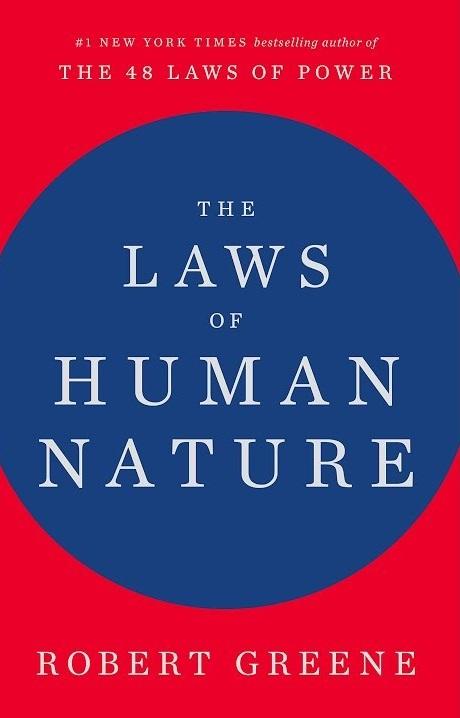
“The Laws of Human Nature,” by Robert Greene, explores the hidden forces that shape our actions and relationships. Greene argues that mastering these forces brings greater self-awareness and influence. He draws on history, psychology, and real-life anecdotes to reveal seventeen laws. Each law uncovers a universal pattern in human behavior. Together they form a guide to understanding ourselves and others.
Greene begins with the Law of Irrationality. He shows how emotions steer our thoughts without us noticing. People lash out when they feel threatened or slighted. By tracking emotional triggers, we can pause before reacting. Greene suggests observing our feelings as an impartial witness. That act alone weakens impulses that lead to regret.
Next comes the Law of Narcissism. We all carry some self-absorption but differ in degree. Greene asks us to spotlight our hidden needs for praise and validation. He recommends practicing empathy as an antidote. By deliberately tuning into others’ concerns, we deflate our own ego. Over time that continuous focus on outside perspectives reshapes how we connect.
The Law of Role-playing exposes how everyone wears masks in social settings. Body language and tone often betray the facade. Greene instructs readers to detect inconsistencies between words and nonverbal cues. Noting a slight hesitation or a terse smile can reveal unspoken motives. Learning to play a fitting role strengthens rapport. Yet overcommitment to any role invites vulnerability.
Through the Law of Compulsive Behavior, Greene examines how past patterns dominate actions. Childhood experiences cast long shadows on adult choices. He points out that unresolved traumas resurface in work and love. Facing those wounds with honest self-reflection turns repetition into growth. Journaling, reflection, or therapy serve as practical tools here. Confronting our inner scripts rewrites unhealthy defaults.
In the Law of Covetousness, desire rules more than reason. Greene illustrates how envy drives people to imitate and undermine each other. He advises shifting focus from what others have to what we can build ourselves. Setting personal standards defuses comparison. Crafting a unique vision anchors satisfaction. That sense of purpose prevents the hunger for external approval.
The Law of Shortsightedness warns against fixating on immediate gains. Greene highlights how powerful leaders balance near-term tactics with long-term strategy. He tells stories of generals who seized a hill but lost an empire for lack of foresight. Readers learn to map potential outcomes several moves ahead. They also practice slowing their pace to reassess changing conditions. That habit nurtures more sustainable success.
Defensiveness strikes at our ability to learn from criticism. Under the Law of Defensiveness, Greene encourages us to welcome feedback instead of flaring up. He shows how people protect fragile self-images by rejecting unwelcome truths. By adopting a beginner’s mindset, we replace self-defense with curiosity. Asking “What can I learn?” transforms even harsh critique into opportunity. That shift breeds resilience and adaptability.
The Law of Self-Sabotage examines why we undermine our own ambitions. Greene reveals how deep-seated beliefs about unworthiness or failure sabotage progress. He suggests replacing negative self-talk with a fact-based appraisal of strengths. Setting realistic milestones and celebrating small wins rewires our inner dialogue. Step by step, we build a track record of competence. That track record quiets internal doubts.
Next, the Law of Repression addresses hidden anger and fear. Greene explains how suppressed emotions bubble up in unexpected ways. He urges readers to name their anxieties and resentments openly. Confession, whether through writing or conversation, defuses pent-up tension. Recognizing these emotions as natural reduces their power. In doing so, we gain emotional freedom.
Under the Law of Envy, Greene exposes how envious thoughts corrode goodwill. Even successful people harbor a secret longing for others’ fortunes. He counsels cultivating gratitude and celebrating peers’ achievements. When envy arises, naming it and reframing the feeling as admiration breaks its grip. Sharing genuine praise transforms envy into a positive force that strengthens bonds.
The Law of Grandiosity warns against seeing ourselves as invincible or exceptional. Greene uses examples of brilliant figures undone by overconfidence. He recommends periodic reality checks with trusted peers. Embracing humility invites wiser decisions. It also keeps us open to learning and limits the blind spots that lead to downfall.
Gender rigidity appears in the Law of Gendered Behavior. Greene shows how societies enforce narrow roles for men and women. He invites readers to draw from both masculine assertiveness and feminine empathy. Balancing these traits in ourselves enriches leadership and relationships. It also breaks limiting stereotypes. We become more adaptable in various social contexts.
The Law of Aimlessness addresses the aimless drift that grips many lives. Greene urges crafting a clear life purpose anchored in personal values. He suggests visualizing a ten-year plan broken into annual goals. Then we track progress and adjust as needed. That disciplined approach channels energy toward meaningful outcomes. It turns chance into strategy.
Conformity seeps in under the Law of Group Dynamics. People often mirror peers to belong. Greene points out how crowds amplify emotions and distort judgment. He encourages independent thinking. Questioning popular views reveals fresh insights. It also shields us from impulsive group decisions that lead to regrets.
Aggression, under its law, can arise overtly or as passive resistance. Greene describes how subtle hostility bubbles beneath polite facades. He advises identifying the sources of frustration in others and defusing tensions with empathy. Directly addressing issues restores balance. If we refuse provocation, hostility loses its momentum. That tactic cultivates more harmonious interactions.
Finally, Greene confronts our denial of mortality in the Law of Death Awareness. He argues that acknowledging life’s limits spurs urgency and authenticity. Contemplating our finite time clarifies priorities. It also softens petty resentments and fear of steps outside our comfort zone. By internalizing death’s reality, we gain freedom to live boldly and true to ourselves.
Detailed Summary
Key Takeaways
1. Recognizing the Influence of Emotions
"Emotions cloud our judgment and steer us away from rational thought."
Emotional Awareness: Emotions act like lenses that distort how we see reality. When we let strong feelings take charge, we lose clarity. For example, anger can make us fixate on perceived slights and ignore broader context. Meanwhile, fear can shrink our world view and force overly cautious decisions.
By learning to observe feelings rather than blindly respond to them, you reclaim mental control. You notice the signs of an emotional surge—rapid heartbeat, tight chest, racing thoughts—and pause. In that space, you choose action instead of reflex. This practice builds steadiness under pressure.
Cultivating Rational Decisions: Emotional mastery fosters better leadership and personal relationships. Leaders who manage their feelings inspire trust. When they stay calm during crises, teams follow suit. They avoid rash moves and find creative solutions.
In relationships, emotional control prevents destructive fights. You learn to listen rather than lash out. You see underlying needs instead of blaming. Over time, this habit builds respect and deep connection.
On a societal level, collective emotional intelligence can defuse conflict. Communities that teach awareness reduce crime and boost cooperation. Schools that include emotional training see fewer behavioral issues.
Key points:
- Feelings can blind us to facts
- Pause and observe before reacting
- Builds steadiness under stress
- Improves leadership credibility
- Strengthens personal bonds
2. Decoding Social Masks
"Everyone wears a social mask, hiding what they truly feel."
Social Persona: We instinctively craft masks to fit in or gain advantage. A friendly smile may conceal resentment. Flattery can hide ulterior motives. These personas serve short-term goals but can become traps. Over time, a person forgets who they were before the mask.
By studying subtle cues—tone shifts, inconsistent body language, micro-expressions—you learn to read beyond the façade. You start to spot hidden agendas. That skill protects you from manipulation and helps build genuine connection.
Navigating Relationships: Detecting masks empowers negotiation. Sales professionals spot buyer fears. Mediators sense when parties resist. Politicians read public mood under polished speeches. When you see truth behind the mask, you align offers with real needs.
In personal life, seeing sincere emotion deepens trust. You respond to real pain, not a crafted image. You address the heart issue instead of mere symptoms. This openness strengthens bonds and diffuses tension.
On a broader scale, mass psychology hinges on masks. Advertisers craft images that resonate with hidden desires. Voters follow politicians who seem authentic. Recognizing these patterns allows for more informed civic choices.
Key points:
- People hide true feelings
- Learn to read micro-expressions
- Spot manipulation tactics
- Enhance negotiation skills
- Foster authentic bonds
3. Harnessing the Power of Irrationality
"Rational argument rarely changes hearts; emotion does."
Emotional Persuasion: Humans act more on emotion than logic. A well-structured argument might impress your mind but won’t move your will. Instead, a vivid story or a shared feeling ties people to your cause. Great orators—from Churchill to Dr. King—invoked hope and fear to spur action.
To persuade effectively, you tap into listeners’ desires and anxieties. You craft a narrative that resonates. You speak images rather than facts. That combination unlocks deep motivations and prompts change.
Leadership and Influence: In business, brands that evoke joy or belonging win loyalty. A product promise tied to identity outsells cold data. In politics, speeches that stir shared pride or dread mobilize crowds. Mundane policy details rarely attract votes; emotion does.
Activists use emotional narratives to highlight injustice. A single story of suffering can spark movements. The emotional impetus sustains commitment when the path gets hard. It bonds diverse groups under a shared feeling.
Understanding this law helps you resist undue influence. When you spot emotional manipulation—fear-mongering ads or sentimental ploys—you pause and seek evidence. You reclaim your autonomy.
Key points:
- People follow feelings over facts
- Use narrative to connect
- Elicit shared emotions
- Mobilize action effectively
- Guard against rhetoric traps
4. Mastering Group Dynamics
"Groups develop a collective mind that shapes individual behavior."
Collective Psychology: When people gather, they form a new entity with its own rules. Individuals surrender part of their judgment to align with the group. That unity offers security but also stifles independent thought. In crowds, personal morals can fade under peer pressure.
By observing group rhythms—status signals, inside jokes, ritual sequences—you predict behavior. You learn the unwritten rules. This insight allows you to guide group energy rather than be swept away.
From Teams to Mass Movements: At work, high-performing teams cultivate constructive norms. Clear rituals—daily check-ins, peer recognition—create trust. Leaders who grasp this law shape culture positively.
Conversely, mobs can turn violent when a trigger unites feeling. Historical riots erupted from a shared spark. Modern social media can amplify emotion instantly, forging mass consensus. Understanding group laws helps you design systems that leverage unity for good rather than chaos.
In civic life, social campaigns use rallies and hashtags to build momentum. They tap into collective identity. Citizens aware of these dynamics resist blind followership and choose constructive civic engagement.
Key points:
- Groups form a shared mindset
- Individuals yield personal judgment
- Observe rituals and status cues
- Guide group energy strategically
- Build positive culture
5. Transforming Self-Love into Empathy
"Deep self-awareness frees you to see others without judgment."
Self-Reflection: When you explore your own biases, desires, and fears, you break free from ego’s prison. That journey often starts with honest self-questioning—examining what angers you, what seduces you. You admit flaws without shame.
This openness softens your stance toward others. You see your own faults mirrored in them. You respond with curiosity instead of contempt. That shift fuels empathy.
Building Meaningful Connections: Empathy bridges divides. In negotiations, showing genuine understanding opens dialogue. Clients trust advisors who grasp their concerns. In friendships, empathy dissolves resentment and fosters loyalty.
Communities that promote self-reflection and empathy show lower conflict rates. Students who practice perspective-taking bully less. Organizations that value vulnerability see higher morale.
On a global level, empathy projects—cultural exchanges, storytelling platforms—help heal racial and ideological rifts. They remind us of shared humanity.
Key points:
- Self-awareness reduces ego
- Admit flaws without shame
- Empathy grows from reflection
- Strengthens trust and loyalty
- Heals social divisions
6. Using the Law of Mortality as Motivator
"Awareness of death sparks urgency to live fully."
Mortality Salience: We often forget life’s fragility. A sudden loss or serious health scare jolts us. That awareness makes every choice precious. It shakes off petty distractions.
By regularly contemplating mortality—through journaling or meditation—you keep urgency alive. You focus on meaningful goals rather than fleeting pleasures.
Purpose and Fulfillment: Individuals who embrace mortality tend to pursue passion projects sooner. They quit unsatisfying jobs. They mend broken relationships. That drive yields growth and deeper satisfaction.
Organizations using purpose statements tied to legacy inspire employees. When staff see their work mattering beyond profit, engagement soars.
Societies that promote remembrance—memorials, rituals—encourage civic duty. They channel awareness of loss into support for health, safety, and social welfare.
Key points:
- Death awareness creates urgency
- Prioritize meaningful goals
- Inspires personal transformation
- Boosts organizational engagement
- Fuels civic responsibility
Future Outlook
Robert Greene’s insights chart a path toward deeper self-understanding and social savvy. As technology accelerates change and amplifies emotional triggers, mastery of human nature becomes vital. AI algorithms already exploit emotional biases in media feeds. Individuals who grasp these laws can sidestep manipulation and make mindful choices.
Leaders and educators will likely integrate emotional intelligence and social-dynamic training into curriculums. Early exposure to these ideas could reduce conflicts and foster cooperation in diverse societies. In business, companies might hire human-behavior coaches to guide teams through group pitfalls and empathy blocks.
Looking ahead, societies that value human laws will balance technological power with psychological wisdom. Communities that teach emotional mastery and empathy stand best equipped to navigate global challenges—from political polarization to digital echo chambers. Greene’s work serves as a blueprint for steering collective energy toward constructive ends.







