
Summary
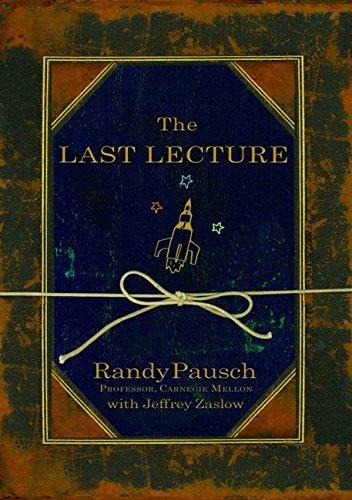
Randy Pausch begins his book by explaining the origins of his famous “Last Lecture,” delivered when he learned that pancreatic cancer would soon end his life. He didn’t intend to talk about dying so much as to pass on lessons he’d gathered over decades of work in computer science and human-centered design. By framing his advice as answers to the assumptions of a last lecture—“We all have the same 24 hours”—he sets the tone for straightforward, heartfelt guidance. Right from the start, you sense his warmth and humor, the mix that made his Carnegie Mellon address go viral. He wants you to know that leaving a legacy isn’t about grand monuments but about simple, lasting impressions.
Pausch then dives into his childhood dreams, sharing how he longed to be an astronaut, a Disney Imagineer, and an NFL player. He details how each wild ambition taught him something crucial. When he didn’t make it to space, he pivoted to virtual reality labs that simulated weightlessness. Denied an NFL career, he coached youth football and discovered the thrill of teaching. His candid retelling of triumphs and letdowns feels like a conversation with a friend who’s not afraid to admit he fell short.
Next, Randy recounts the mentors and teachers who guided him. He recalls Professor George Zeltzer’s tough love, which pushed him to excel in robotics and programming. He remembers Dr. Smith, who made him repeat assignments until they were perfect. Each anecdote highlights how honest feedback and high expectations shaped his work ethic. He stresses that mentors don’t coddle you; they demand your best.
In a standout story, Pausch describes collaborating with Disney Imagineers to bring virtual characters to life. He paints a vivid picture of late-night brainstorming sessions, whiteboard sketches, and endless cups of coffee. Watching his students build interactive simulations gave him a thrill akin to those childhood dreams of working at Disney. This behind-the-scenes glimpse shows how creativity thrives when you balance playfulness with discipline. It also underscores his core message: Dream big, then work like crazy.
The book moves on to the idea of overcoming obstacles. Randy calls these “brick walls,” designed to test how badly you want something. He shares how rejection letters, failed experiments, and health scares strengthened his resolve. When pancreatic cancer arrived, he saw it as the final brick wall and decided the best response was to teach. He urges you to embrace setbacks as proof that you’re reaching for something worthwhile.
He then offers practical advice for leading teams and building trust. He insists on clear communication, saying, “Tell the truth; good news and bad news.” He recounts awkward meetings where honesty diffused tension and built credibility. Pausch also emphasizes gratitude, reminding leaders to thank their team often. His tips feel honest, not preachy, as if he’s jotting notes for a friend just starting out.
A central theme unfolds: the so-called “head fake.” While he claims to be teaching lessons on time management and goal setting, he’s really teaching the importance of play, passion, and perseverance. He uses childhood games and research projects at CMU to show that when you learn by doing something you love, you absorb life’s most vital skills without noticing. It’s a clever twist that keeps you smiling even as you realize how much you’re absorbing.
Randy shares tender moments with his wife, Jai, and their young children. He worries about leaving them too soon and wants them to remember his love and lessons. He recounts bedtime consultations, silly rituals, and serious talks about integrity. These glimpses into his family life give the book emotional weight and remind you that legacy lives in small, everyday acts.
He then tackles the art of apology and forgiveness. Pausch tells of a falling out with a friend over a project. Instead of letting it fester, he laid aside pride, reached out, and repaired the bond. He notes how forgiveness doesn’t erase mistakes but frees everyone involved to move forward. His model of humility makes you rethink grudges you might hold.
Toward the end, Randy turns to practical time management tips. He advises using an “enabling constraint”—deadlines and budgets—to spark creativity. He shares his own dashboards and checklists, tools he used to balance cancer treatments, family time, and work. His no-nonsense style cuts through fluff, leaving you with easy steps to take control of your day.
Just when you think you’ve absorbed all the lessons, he circles back to gratitude. He thanks nurses, students, colleagues, and strangers who sent letters of support. He reflects on how kindness spread through the lecture’s ripple effect. This gratitude section feels like a group hug, warm and sincere.
In the final pages, Pausch imagines how people will use his lessons. He pictures students taking risks, families bonding over projects, and teams tackling “impossible” problems. He doesn’t promise they’ll avoid failures but assures them those failures matter less than the attempt. This hopeful vision leaves you energized, ready to face your own brick walls.
Randy closes with a simple wish: that we all live with the sense of wonder and urgency he embraced until the end. He encourages you to write your own last lecture, to say what matters before time runs out. It’s not a morbid exercise but a reminder that every day counts.
The Last Lecture reads like a warm conversation with an inspiring teacher who refuses to quit. Pausch blends humor, honesty, and practical advice in a way that feels immediate and personal. You finish the book not just nodding at clever tips but feeling a genuine connection to someone who made every second count.
Reading these pages, you realize the book isn’t just about Randy’s story. It’s about your story, too. You’re invited to chase dreams boldly, learn from every twist, and leave a legacy rooted in love. That’s the lasting impact of this uplifting book—a blueprint for living fully, no matter how many days you have left.
Detailed Summary
Key Takeaways
1. Chasing Childhood Dreams
“Experience is what you get when you don’t get what you want.”
Roots of Motivation: Randy Pausch begins by tracing his lifelong passion for technology and storytelling back to childhood. He paints a vivid picture of building roller coasters with discarded wood, designing virtual reality worlds with primitive computers, and staging elaborate home movies with friends. These early experiments fueled his belief that no dream sits beyond reach.
He stresses that imagination often outpaces resources. In his case, simple tools and boundless curiosity let him test ideas that professional labs wouldn’t touch. Childhood, he argues, offers a unique freedom to tinker without fear of failure.
Power of Early Experimentation: By pursuing small-scale projects early on, Pausch illustrates how we develop resilience. When a homemade roller coaster derails or code crashes, we adapt. This trial-and-error mindset shaped Pausch’s later breakthroughs in computer graphics and virtual reality.
On a broader level, his story encourages educators to nurture youthful curiosity. Schools that integrate hands-on projects help students learn that failure often precedes success. Society benefits when we empower children to chase big ideas with limited means.
Key points:
- Passion often emerges in early play
- Hands-on failures build resilience
- Imagination bridges gaps in resources
- Youthful freedom encourages risk-taking
2. Overcoming Obstacles
“Brick walls are there for a reason. They let us prove how badly we want things.”
Embracing Challenges: Pausch recounts facing academic setbacks and visa denials on his way to earning a PhD in computer science. Each rejection felt like a brick wall. Yet instead of deterring him, these barriers spurred creativity. He devised new study methods and sought mentors who believed in his vision.
He insists brick walls aren’t meant to block us but to test our determination. Once we decide how badly we want something, we learn to dig deeper, find alternate routes, or build ladders—all without losing sight of our goals.
Resilience in Practice: In Pausch’s lab, failed experiments led to unexpected insights. A misaligned code routine revealed a simpler algorithm. He credits failure for many “eureka” moments. When we view obstacles as invitations to innovate, progress accelerates.
On a personal level, his message resonated with audiences worldwide. Cancer patients, career-changers, and students alike shared how they reframed setbacks into stepping stones. His idea reshapes how we approach adversity: not as defeat but as an opportunity to grow stronger.
Key points:
- Barriers test true commitment
- Failure sparks new solutions
- Mentorship helps navigate defeats
- Persistence outlasts obstacles
3. Enabling Others
“It’s not about how to achieve your dreams; it’s about how to lead your life.”
Legacy Through Teaching: Pausch dedicates a significant portion of his lecture to mentoring younger colleagues and students. He details how he established ‘brick wall’ assignments that forced students to collaborate on solving tough problems in virtual reality. He gave candid feedback and modeled open-source sharing.
He argues that success multiplies when you help others succeed. Teaching isn’t just passing on knowledge. It’s planting seeds that grow into innovations no single person could achieve alone.
Ripple Effects of Mentorship: His students went on to develop cutting-edge simulations for medical training and architectural design. Each project built on concepts first taught in Pausch’s lab. The domino effect underscores how empowering others yields transformations far beyond one lifetime.
In industry, his approach inspired companies to fund internal mentorship programs. Organizations realized that a culture of peer-support and open feedback speeds up product development and staff satisfaction. Enabling talents, he shows, reshapes entire fields.
Key points:
- Mentorship spreads expertise
- Collaboration fuels innovation
- Teaching deepens understanding
- Cultures of support boost morale
4. The Art of Time Management
“We cannot change the cards we are dealt, just how we play the hand.”
Prioritizing What Matters: Faced with terminal illness, Pausch outlines a simple four-step process for making tough choices: list your dreams, identify obstacles, break them into tasks, and prioritize by urgency and impact. He stresses saying no to good things so you can say yes to great ones.
He pairs each principle with stories—like declining extra committee work to spend focused time on VR research. That choice led to breakthroughs that reshaped his career and delighted students. His process helps readers reclaim control over busy schedules.
From Busy to Purposeful: In corporations, teams adopted his four-step method in strategic planning sessions. They cut outdated initiatives and reallocated resources to promising R&D projects. The result: leaner operations and higher staff engagement.
On a personal level, many readers reported improved work-life balance. By defining core goals, they delegated low-value tasks and freed hours for family, hobbies, or passion projects. Pausch’s framework proves that clarity yields both productivity and joy.
Key points:
- List dreams, name obstacles
- Break goals into tasks
- Prioritize by impact
- Learn to say no
5. Sincerity and Gratitude
“No matter how bad things are, you can always find something to be thankful for.”
Honest Reflection: Pausch candidly shares moments of fear, regret, and gratitude as he faced cancer. He admits feeling vulnerable when tearful messages poured in after his diagnosis. Yet he also highlights how those messages became a lifeline—proof that honesty builds deep connections.
He insists that gratitude doesn’t come from perfection. Even amid hardships, a simple thank-you note can uplift spirits. He suggests carving out ten minutes each day to write one note of thanks.
Cultivating Strong Bonds: In workplaces, leaders who practiced his gratitude exercise noticed improved team morale and reduced turnover. Employees felt seen and valued when even minor efforts earned a personal thank you.
Family relationships also strengthened. Readers told stories of how dinner-table gratitude rituals led to open conversations and deeper mutual support. Pausch’s message reminds us that sincerity transforms fleeting interactions into lasting ties.
Key points:
- Be honest about struggles
- Express daily gratitude
- Write thank-you notes
- Build deeper connections
6. Leading with Positivity
“Find the best in everybody. No matter how long you look, you’ll always find someone’s redeeming quality.”
Optimism as Strategy: Pausch explains how he led teams through tough funding shortfalls by focusing on individual strengths. Rather than dwell on budget cuts, he tasked each person with a unique role. He spotlighted wins in weekly meetings—no matter how small.
He calls this approach ‘green-lighting.’ By affirming good work, he lifted spirits and fostered teamwork. Positivity, he says, doesn’t ignore problems. It provides the energy needed to tackle them.
Boosting Collective Drive: Universities adopting green-lighting reported higher publication rates and grant success. Faculty felt empowered to propose bold ideas, knowing they’d receive supportive feedback even if projects stalled.
In communities, local clubs that recognized volunteers’ strengths saw membership swell. Celebrating small victories created momentum for larger initiatives—from building playgrounds to organizing charity events. Pausch’s method proves optimism yields tangible results.
Key points:
- Spotlight individual strengths
- Celebrate small wins
- Use optimism to energize teams
- Balance realism with encouragement
Future Outlook
As Pausch’s ideas spread, educators and leaders will continue refining experiential learning. His ‘brick wall’ challenge may evolve into virtual labs where students worldwide collaborate on real-time problem solving. Such platforms could simulate medical, environmental, or engineering crises—accelerating skill development beyond traditional classrooms.
In business, his time-management framework will likely integrate with AI-driven assistants that suggest priorities based on impact metrics. Imagine a personal coach that nudges you to defer low-value emails or allocate blocks for creative work. Pausch’s principles will gain new force as technology helps us execute them with precision.
On a personal level, the culture of gratitude and positivity that he championed will invite creative rituals—digital gratitude walls, micro-celebrations in virtual teams, or global thank-you chains. In a world hungry for authentic connection, his lessons will remain both timely and transformative.







