
Summary
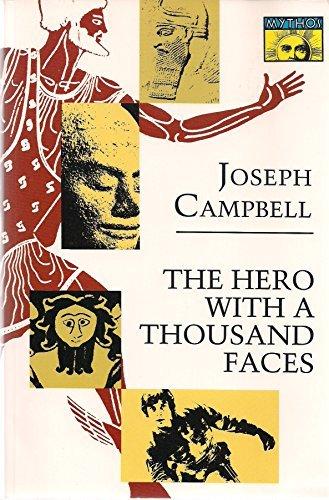
Joseph Campbell’s The Hero with a Thousand Faces explores a pattern he calls the monomyth, or the Hero’s Journey, which appears across many cultures’ myths and stories. Campbell argues that heroes everywhere follow a similar path, one that reflects universal aspects of the human experience. He draws on myths from Asia, the Americas, Europe, and beyond to trace this archetypal story shape. By comparing tales from vastly different traditions, he uncovers a shared structure that resonates with readers and listeners in every age.
At its core, the Hero’s Journey begins with the Call to Adventure. Here, the hero lives in an ordinary world until something disrupts the status quo. That disturbance might arrive as a challenge, threat, or message, compelling the hero to leave behind familiar ground. Often the hero hesitates or refuses the call at first, wary of what lies ahead. But eventually, with guidance from a mentor figure—a wise teacher, parent, or supernatural being—the hero commits to the adventure.
Once the hero crosses the threshold into the unknown, Campbell labels this phase the Belly of the Whale. It marks a clear break from the old world, and the hero enters a realm of trials and tests. These challenges serve to shape the hero’s character and reveal hidden strengths. Along the way, the hero meets allies and foes, forging crucial relationships and undergoing moral tests. The hero’s trials push them to their limits, often forcing a confrontation with inner fears and weaknesses.
A key component of the Journey is the Road of Trials, a series of obstacles that grow in difficulty. With each test, the hero gains knowledge, confidence, or special tools needed for later challenges. These trials might involve battling monsters, solving riddles, or resisting dark temptations. Campbell emphasizes that these ordeals mirror psychological growth; heroes slay literal or figurative dragons to master their own impulses. Through overcoming these trials, the hero proves worthy of transformation.
At the peak of the Journey lies the central ordeal, sometimes called the Supreme Ordeal. Here the hero confronts death, failure, or the darkest forces at full strength. This ultimate test often occurs in the enemy’s lair or at the deepest point of the journey. Successful heroes endure or cheat death, emerging reborn. This rebirth shapes the hero’s newfound power or insight, symbolizing an inner awakening that could not have happened otherwise.
Emerging from the ordeal, the hero seizes the reward—sometimes a magical object, a love interest, or profound wisdom. Campbell calls this phase the Apotheosis and the Ultimate Boon. The hero now holds the prize that was the quest’s original goal. Yet Campbell warns that claiming the boon does not end the journey. The hero must still return to the ordinary world and risk losing what has been won.
The Return journey begins with refusal, as heroes often doubt they can bring their gift back or fear the consequences. In some tales, supernatural forces block the return, and the hero must flee or be rescued by allies. Campbell outlines a stage called the Magic Flight, in which the hero must escape with the boon under pursuit or danger. This phase underscores how transformational power is rarely easy to share.
Next comes the Crossing of the Return Threshold. The hero brings the boon back to ordinary life, blending wisdom from the adventure with everyday reality. Campbell stresses that heroes must balance the wisdom of two worlds to benefit their community. Failure to integrate the boon can lead to isolation or wasted potential. Successful heroes reintroduce the boon, inspiring renewal, healing, or beneficial change.
Campbell’s analysis extends beyond mere story beats. He argues the monomyth represents psychological truths echoed in rites of passage, dreams, and rituals. The hero’s trials correspond to universal stages of growth—from childhood innocence through trials of maturity to eventual wisdom. In this way, myths become metaphors for individual transformation. Readers find familiar echoes of their own struggles and triumphs in the hero’s path.
Throughout the book, Campbell illustrates his points with examples from Greek epics, Native American legends, medieval romances, and modern tales like fairy tales and early cinema. He shows, for instance, how Odysseus, Moses, Buddha, and Jesus all follow similar outlines of departure, initiation, and return. Even contemporary stories like science fiction and fantasy draw on this structure, reinforcing the monomyth’s enduring power.
Campbell also examines the role of the threshold guardian, the shapeshifter, and the trickster. These figures test the hero’s resolve, disrupt patterns, or provide unexpected help. The trickster’s mischief can force the hero to adapt, while the shapeshifter’s ambiguity teaches caution. Campbell believes such archetypes represent aspects of the psyche, mirroring inner voices that challenge or support the hero’s will.
In later chapters, Campbell explores the alchemy of myth, viewing symbols as tools for personal transformation. He interprets mythic imagery—labyrinths, caves, gardens—as maps of the unconscious mind. By engaging with these symbols, people connect with deep currents of meaning that lie beneath surface consciousness. For Campbell, studying myths becomes a form of self-discovery and healing.
The Hero with a Thousand Faces influenced artists, writers, and filmmakers worldwide. George Lucas famously drew on Campbell’s ideas while crafting Star Wars, and countless storytellers have followed suit. Campbell’s monomyth offers a blueprint for creating compelling narratives that tap into fundamental human yearnings. By showing how stories resonate across cultures, he revitalized interest in mythology and comparative religion.
Though some critics argue Campbell’s model glosses over cultural specifics and flattens diversity, his work opened doors for interdisciplinary study. Psychologists, anthropologists, and literary scholars have built on or critiqued his theories, sparking rich debates. Nonetheless, the monomyth remains a vital concept for understanding narrative structure and its psychological impact.
In the end, The Hero with a Thousand Faces stands as a testament to storytelling’s power to unite and transform. Campbell’s vision invites readers to see themselves as heroes on their own journeys. By recognizing the stages and symbols of the monomyth in their lives, individuals can find purpose, courage, and a sense of connection to a vast tapestry of human experience.
Detailed Summary
Key Takeaways
1. The Monomyth: A Universal Pattern
“A hero ventures forth from the world of common day into a region of supernatural wonder.”
Shared Story Structure: Across cultures and eras, myths display a common narrative shape. Campbell calls this the Monomyth or Hero’s Journey. It starts with an ordinary world, a call to adventure, and a refusal. Then the hero crosses a threshold into the unknown.
In this new realm, the hero faces challenges, finds supernatural aid, and endures an ordeal. After victory, the hero seizes the boon and returns home transformed. This pattern echoes in Greek epics, Buddhist legends, and modern films alike.
Bridging Cultures: Campbell’s Monomyth shows how diverse societies tap the same narrative well. Anthropologists and writers use it to trace shared human concerns. Myths helped communities explain life’s mysteries and social values.
In literature and cinema, creators map stories onto this structure to craft compelling arcs. From Star Wars to The Lord of the Rings, we see Campbell’s blueprint at work. It shaped Hollywood’s blockbuster era and gave writers a reliable guide to emotional resonance.
Key points:
- Begins in the ordinary world
- Responds to a call to adventure
- Crosses into a special world
- Faces trials and gains a boon
- Returns transformed
2. The Call to Adventure
“The danger is to remain inwardly passive, to stand still at the threshold.”
Initiation into Growth: The Call to Adventure disrupts the hero’s stable life. It arrives as a direct invitation or a crisis. Often the hero hesitates at first, fearing change.
This refusal highlights inner conflict. It shows how people resist leaving comfort zones. Ultimately, answering the call marks a conscious choice to grow.
Embracing Change: In real life, moments akin to the Call force us to leave routines. A career shift, a relationship, or a crisis can push us into unknown territory. We often doubt but stand to gain new skills and perspectives.
Therapists and coaches draw on this idea to help clients face transitions. They frame life changes as calls to adventure, encouraging active engagement rather than avoidance. Embracing the call fosters resilience and self-discovery.
Key points:
- Disrupts ordinary life
- Brings invitation or crisis
- Hero initially refuses
- Highlights inner conflict
- Choice to embark
3. Supernatural Aid and Mentors
“When the pupil is ready, the teacher will appear.”
Guidance Beyond Self: As heroes cross the threshold, they often meet a guide or mentor. This figure offers tools, wisdom, or magical gifts. Think of Athena advising Odysseus or Gandalf aiding Frodo.
The mentor provides vital support until the hero can stand alone. This relationship models how guidance shapes growth. It underscores the value of community in personal journeys.
Mentorship in Society: Real‐world mentors appear in many roles: teachers, parents, coaches, or spiritual leaders. They offer advice, resources, and moral support. Mentorship programs in schools and workplaces reflect this archetype.
Research shows mentored individuals often achieve more career success and personal satisfaction. This mirrors the hero’s reliance on supernatural aid. Communities thrive when novices learn from experienced members.
Key points:
- Mentor appears at threshold
- Offers tools or wisdom
- Supports hero’s journey
- Prepares hero for trials
- Encourages independence
4. The Belly of the Whale
“The hero, instead of conquering or conciliating the power of the threshold, is swallowed into the unknown.”
Symbol of Transformation: Entering the Belly of the Whale marks the hero’s first major trial. It feels like defeat or entrapment. In myth, heroes may fall into caves or be devoured by monsters.
This moment signifies death of the old self. Inside darkness, the hero sheds prior identities. Emerging from the crisis, they gain new strength and perspective.
Personal Breakthroughs: In therapy or self-help, clients describe hitting a low point before real growth. Addiction recovery often starts with rock-bottom moments. This mirrors the whale’s belly.
Survivors of trauma use the belt-of-the-whale concept to frame turning points. Understanding it as a necessary rupture helps people anticipate growth after crisis.
Key points:
- Represents first ordeal
- Feels like utter defeat
- Symbolizes self-death
- Leads to inner transformation
- Prepares for greater trials
5. Trials and Temptations
“Where you stumble, there lies your treasure.”
Tests of Resolve: Having crossed the threshold, the hero faces trials that test resolve, resourcefulness, and morality. They might fight monsters, solve riddles, or quell internal doubt.
Temptations often lure the hero away from the mission. These obstacles force heroes to clarify values. They strip away illusions and build inner strength.
Modern Challenges: In our lives, tests come as career setbacks, ethical dilemmas, or personal loss. Temptations might include shortcuts or distractions. Facing them sincerely fosters character.
Corporate training programs use simulated trials to prepare employees for stress. Coaches frame real-world obstacles as hero trials, inspiring resilience and integrity when confronting adversity.
Key points:
- Series of escalating challenges
- Tests moral fiber and courage
- Includes temptations
- Strips illusions
- Builds true character
6. Return and Apotheosis
“Return to the world with the blessing.”
Gift to the Ordinary World: After victory, the hero must return home. Sometimes guardians oppose return. Yet when they do cross back, they carry the boon or elixir.
This gift heals the community or enlightens society. Heroes become teachers or leaders. Their journey completes when the ordinary world integrates the new insight.
Social Impact of Transformation: Leaders often mirror this return. They gain expertise abroad or through challenge then bring knowledge home. Public figures who survived crises use stories to motivate communities.
Scientific breakthroughs follow this pattern too. Researchers venture into unknown problems, return with discoveries, and share them for public good. Their boons advance medicine, technology, or social welfare.
Key points:
- Hero returns changed
- Brings boon or elixir
- May face resistance on return
- Heals or enlightens society
- Completes the cycle
Future Outlook
Campbell’s Hero’s Journey transcends mere storytelling. It shapes how we view personal growth and social change. As digital media evolves, interactive narratives and video games use its steps to deepen player engagement. We don’t just watch myths now; we live them in virtual worlds.
Researchers in psychology and neuroscience explore how narrative patterns affect brain function. Understanding the Monomyth may offer new therapies for trauma by framing recovery as heroic transformation. In education, teachers adopt adventure frameworks to boost student motivation and curiosity.
Looking ahead, Campbell’s model could guide artificial intelligence in generating meaningful stories that resonate with human archetypes. As societies face global challenges, the Hero’s Journey invites individuals to step forward. It reminds us that every crisis holds the promise of renewal and that we all possess the capacity to return home bearing gifts for our communities.







