SUMMARY
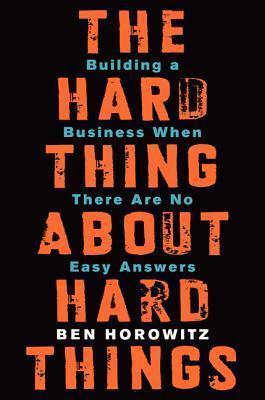
“The Hard Thing About Hard Things” by Ben Horowitz offers candid advice on the challenges of running a startup and leading a company through crises. Horowitz draws from his time as cofounder and CEO of Opsware and his years as a venture capitalist. He mixes practical lessons with personal anecdotes, showing why managing through chaos is harder than it looks. From hiring and firing to strategic pivots, he covers the decisions that define a leader. His tone remains direct, honest, and often humorous.
Horowitz begins by acknowledging that no business school prepares you for the real struggles of being a CEO. He describes the dread he felt facing decisions that could sink his company overnight. He doesn’t sugarcoat the fact that loneliness and doubt can overwhelm founders. Therefore, he introduces the concept of “the Struggle,” a state of anxiety that every leader experiences. He argues that surviving this phase requires perseverance and self‐awareness.
Next, he tackles hiring and building a strong team. He stresses that recruiting great people is both urgent and difficult. He advises leaders to look beyond resumes and assess candidates’ character and ability to learn. He warns against hiring too quickly to fill gaps, since hiring mistakes can slow down an entire company. He also explains how to structure interviews to reveal how candidates perform under pressure.
Once you have talent on board, Horowitz shifts focus to management style. He rejects one‐size‐fits‐all leadership models and urges CEOs to develop their own approach. He describes his own evolution from a command‐and‐control style to one based on clear communication and accountability. He stresses the need for constant feedback, both giving and receiving it. And he notes that cultural norms only stick when leaders model them.
Layoffs and firings become inevitable in tough times. Horowitz devotes a full chapter to making these decisions with both compassion and clarity. He recommends honest, timely conversations rather than hiding bad news. He outlines scripts for delivering termination messages and handling emotional reactions. He also explains why letting people go with dignity can protect morale and the company’s reputation.
In another detailed section, Horowitz discusses the art of managing through a downturn. He calls this period “wartime” and contrasts it with “peacetime” leadership. During wartime, speed and decisiveness dominate every move. He shares stories from Opsware when a sudden loss of revenue forced drastic cuts and strategic shifts. He shows how leaders must adapt their mindset and communication style to match the urgency of the moment.
Horowitz then addresses the pressures of raising capital. He provides guidance on when to seek funding, how to pitch VCs, and how to negotiate term sheets. He emphasizes that founders should understand every clause and avoid giving away too much control. He recalls his own missteps and lessons learned at Loudcloud, the precursor to Opsware. Through these examples, he stresses the importance of preparation and transparency.
Growth brings its own problems, especially scaling operations and culture. Horowitz explores pitfalls like bureaucracy, poor coordination, and loss of startup spirit. He suggests ways to keep teams aligned through clear goals and metrics. He also offers a framework for establishing a culture that rewards risk‐taking and honest feedback. He highlights the role of rituals, like weekly all‐hands meetings, in reinforcing a unified vision.
Mergers and acquisitions appear in a later chapter, where Horowitz outlines best practices. He warns that many deals fail because acquirers neglect cultural integration. He details how to conduct diligence without crushing the target’s morale. He also advises on structuring earnouts to protect both parties. Drawing from his board experience, he illustrates successful and failed deals to show what really matters.
One of the book’s most personal sections covers mental health and the toll of leadership stress. Horowitz admits to sleepless nights, panic attacks, and moments of despair. He urges founders to seek support, whether from mentors, therapists, or peers. He insists that admitting vulnerability is a sign of strength, not weakness. His honest anecdotes help normalize the emotional roller coaster of startup life.
In discussing company culture, Horowitz reframes values as operational tools rather than slogans. He explains how to define, hire for, and reinforce specific behaviors aligned with those values. He gives concrete examples of culture decks he’s seen work well. He also warns about the dangers of copying other companies’ cultures without tailoring them to fit your own needs.
Horowitz next examines the CEO’s highest responsibility: making decisions with incomplete information. He calls this “circumstantial leadership,” where context drives the right style of decision‐making. He outlines when to centralize authority and when to delegate. He reminds readers that a leader’s primary job is to decide what’s most urgent and allocate resources accordingly.
A shorter chapter dives into technology management and product development. Horowitz shares tactics for balancing innovation with reliability. He suggests ways to structure engineering teams to deliver features faster. He also highlights the risk of feature bloat and how to avoid creating messy codebases.
Another brief section highlights the importance of communication during crises. He encourages CEOs to speak candidly to employees and investors. He even provides sample memos to illustrate effective transparency. The result is a team that trusts its leader and stays aligned under pressure.
Finally, Horowitz closes with reflections on stoicism and resilience. He quotes philosophers and mixes in his own mottos, like “embrace the suck.” He reminds readers that overcoming the hardest problems builds character and makes companies stronger. His closing message is simple: if you can endure the hard things, you can survive and eventually thrive.
Throughout the book, Ben Horowitz refuses to offer easy answers. Instead, he equips leaders with frameworks, examples, and hard‐won wisdom. He makes clear that the path to success is rarely smooth but always instructive. Anyone who picks up this book will find practical guidance and a reassuring voice to help them tackle the toughest challenges of leadership.
DETAILED SUMMARY
Key Takeaways
1. Embrace the Struggle
“There’s no recipe for dealing with adversity. You learn by doing.”
Learning Through Adversity: Ben Horowitz argues that tough times reveal our true capacities. He insists that no case study or theory can fully prepare an executive for a sudden crisis. Instead, leaders must act, reflect, and adapt rapidly. Each setback becomes a lesson in resilience and decision making.
He describes how early in his career he faced layoffs, product failures, and internal betrayals. In each scenario, he had no manual to follow. Horowitz explains that confronting fear and uncertainty directly builds a leader’s confidence and judgment. The process becomes its own teacher.
Resilience as Competitive Edge: When founders accept that struggle is inevitable, they stop fearing failure. They experiment more boldly, knowing that each mistake carries insight. Horowitz shows how companies that embrace艰難 grow enduring cultures. They innovate faster, pivot sooner, and attract talent that values candor over comfort.
Historically, firms that masked problems have collapsed under pressure. Silicon Valley’s success stories often credit transparent leadership. When teams share raw data about struggles, they mobilize collectively. This openness drives creative solutions and forges stronger bonds among employees. In short, transparency about hardship becomes a strategic advantage.
Key points:
- Struggle forces leaders to improvise
- Real-time feedback sharpens judgment
- Transparency unites teams
- Failure offers unique insights
- Resilience differentiates winning firms
2. Lead with Authenticity
“The hard thing about hard things is that there is no formula. You’ve got to find your own way.”
Personalized Leadership: Horowitz stresses that good leaders stay true to their style and values. He warns against mimicking famous CEOs. Instead, he encourages introspection. You must define your own principles and tactics.
He recounts how he refused to adopt a top-down approach because it clashed with his personality. By communicating honestly—even when the news was bleak—he built trust. His candor set a tone where employees felt safe sharing bad news early rather than hiding it.
Trust and Credibility: Authenticity fosters credibility. Teams sense when a leader’s words don’t match actions. Over time, misaligned rhetoric breeds cynicism and low morale. Horowitz shows that when executives admit uncertainty and show vulnerability, they invite collaboration.
In practice, such leaders attract people who share core values. They build cultures where employees enjoy meaningful work rather than chasing empty slogans. This alignment drives productivity, reduces turnover, and spurs innovation across departments.
Key points:
- Define personal leadership values
- Avoid copying others blindly
- Share honest updates regularly
- Demonstrate vulnerability
- Align actions with words
3. Master Decision Making
“Great CEOs rely on a process they’ve honed over years of failures.”
Structured Yet Flexible Choices: Horowitz outlines a decision framework built on clear criteria and rapid feedback. He divides decisions into reversible and irreversible. For reversible ones, he urges swift action. Speed outperforms perfection. For irreversible moves—like major acquisitions—he advises thorough analysis.
He also highlights the importance of seeking input from a diverse set of advisors. Gathering honest feedback prevents blind spots. Then you weigh options against long-term goals and organizational health before committing.
Reducing Analysis Paralysis: When leaders get bogged down in data, they miss windows of opportunity. Horowitz recounts how his hesitance delayed product launches, handing competitors first-mover advantage. By classifying decisions correctly, you conserve energy for truly critical choices.
On a larger scale, this approach fosters a bias toward action. Teams know which calls they can resolve quickly and which merit careful study. This clarity speeds execution and reduces frustration caused by endless debates.
Key points:
- Classify decisions by reversibility
- Gather honest, diverse feedback
- Balance speed with analysis
- Focus on long-term impact
- Avoid overanalyzing trivial issues
4. Cultivate a Fighting Culture
“If you want to build a winning startup, hire people who thrive on challenges.”
Hiring for Grit: Horowitz believes that culture starts with people who relish hard problems. He recommends looking beyond technical skills and checking how candidates handled past crises. Did they solve the unsolvable or buckle under stress?
He also warns against hiring “yes” people who avoid conflict. Instead, he calls for team members who speak up and engage in constructive tension. Healthy disagreements surface critical concerns early and lead to stronger solutions.
Sustaining Momentum Under Pressure: When markets shift suddenly, a fighting culture keeps morale high. Employees band together rather than flee. They share war stories and rally around the mission, even if it demands late nights or new skills.
This spirit often differentiates companies that survive downturns from those that collapse. In downturns, a culture of shared struggle and mutual support drives creative cost-cutting and new revenue streams. It becomes the lifeline that keeps the organization afloat.
Key points:
- Prioritize grit over credentials
- Seek candidates comfortable with conflict
- Encourage constructive debates
- Share crisis success stories
- Reinforce mission under stress
5. Implement Tough Love
“If you decide to scale your business, you’ll have to lay people off. If you don’t, you’re avoiding reality.”
Decisive Yet Compassionate Actions: Horowitz tackles the most painful leadership task: layoffs. He insists that cutting costs quickly can save the company and many jobs in the long run. He advises leaders to act with humanity—provide clear reasons, severance, and career support.
He recounts how he handled mass layoffs at Opsware. By communicating openly and helping employees transition, he retained trust and minimized legal risks. He admits it felt brutal, but delaying the decision would have risked collapse.
Preserving Company Viability: Premature cost-cutting can cripple growth. Yet delaying cuts can drain cash until the business fails. Horowitz shows that a swift, well-communicated reduction often spares remaining employees from prolonged anxiety. They see that leadership acts decisively, boosting confidence.
Over time, surviving teams respect leaders who balance firmness with empathy. That trust translates into higher performance and loyalty. Customers notice stability. Investors gain confidence. The company stands a better chance of recovery and future expansion.
Key points:
- Act swiftly on necessary cuts
- Communicate reasons clearly
- Offer support to departing staff
- Balance firmness with empathy
- Protect remaining team’s morale
6. Scale Management Processes
“You can’t manage 10 or 100 people the same way you manage two.”
Evolving Organizational Structures: As startups grow, informal systems start to break down. Horowitz outlines processes that ensure consistency: regular one-on-ones, performance reviews, and transparent OKRs. He explains how to introduce these without stifling innovation.
He highlights that each new layer of management requires clear roles and feedback loops. Without them, responsibilities blur and decisions stall. He uses his own mistakes to show how ad-hoc structures lead to chaos.
Maintaining Agility at Scale: Companies often lose their startup spirit as headcount rises. By codifying key processes, they retain clarity and speed. Managers know how to hire, develop talent, and resolve conflicts. Teams focus on impact rather than turf wars.
Over years, this consistency enables reliable product roadmaps and customer service. It sustains growth and helps attract investors. Employees appreciate clear expectations and career paths. The result: a healthy organization that scales gracefully.
Key points:
- Introduce structured reviews early
- Define roles at each level
- Use transparent goal-setting
- Maintain clear feedback loops
- Avoid over-bureaucratization
Future Outlook
Ben Horowitz’s blunt wisdom reshapes how we think about leadership under fire. His lessons on embracing struggle will influence entrepreneurs who brace for collapse and rebirth. Expect business schools to adopt his case studies, teaching students that resilience trumps theory in crises.
Looking ahead, the focus on authenticity and culture will grow as remote work reshapes companies. Leaders will need Horowitz’s playbook to keep teams aligned across time zones. His emphasis on candid communication and structured processes will help future executives balance flexibility with control.
Finally, the rise of AI and automation poses new challenges. Hard decisions about layoffs and reskilling will become routine. Horowitz’s guidance on tough love and transparent execution offers a framework for navigating tech-driven upheavals while preserving human dignity.