
Summary
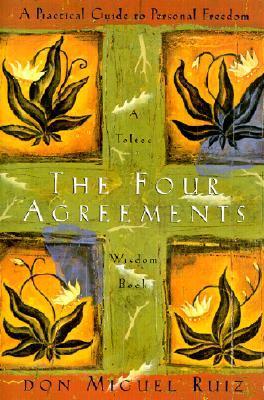
The Four Agreements by Don Miguel Ruiz offers a practical guide to personal freedom through ancient Toltec wisdom. Ruiz invites you to question deeply held beliefs and to see how they shape your life. He claims that most of your pain comes from agreements you made as a child with yourself, other people, and society. By breaking those old agreements and creating new ones, you can live with more joy and meaning.
Ruiz explains that the Toltecs were masters of life who saw reality as a dream, or “the dream of the planet.” They believed you can transform your ways of being by shifting your dream. If you wake up from a nightmare, you stop suffering. He says modern people live in a “dream of hell” created by rules and fears. Recognizing that dream means you can change it.
Childhood “domestication” teaches you what is right or wrong, good or bad. Parents, teachers, and society install these beliefs without asking if they serve you. They punish or reward your behavior and you internalize their rules. Over time, you end up judging yourself harshly when you don’t measure up. Ruiz shows how this mental prison keeps you stuck.
The first new agreement is to be impeccable with your word. Ruiz calls the word a powerful force. You can build or destroy with it. When you speak truth and kindness, you strengthen your self–worth. When you lie or gossip, you poison others and yourself. He urges you to use words in the direction of truth and love.
In practice this means no self–criticism or blaming others. You refuse to spread rumors. You don’t make small lies to feel safe. It sounds simple, yet it takes courage.
The second agreement tells you not to take anything personally. Ruiz points out that nothing others do is because of you. What they say and do is a projection of their own reality. If you don’t adopt their drama, you remain immune to suffering. You learn that insults and praise say more about the speaker than about you.
He shows how taking things personally brings you into endless conflict. You waste energy defending your ego, or you collapse under attack. You start building emotional walls. By staying detached, you let others live their own dream and keep your peace.
The third agreement says don’t make assumptions. You have a tendency to interpret events and read minds. You assume others know what you mean and they assume the same of you. Misunderstandings fester and create needless drama. Ruiz advises you to ask questions and communicate clearly.
Doing this cuts gossip chains and silent resentments. It frees you from fear of what might happen. It also deepens your relationships, since you share real thoughts and feelings.
The fourth agreement is to always do your best. This shifts all judgment into action. Your best will vary from day to day depending on your health and circumstances. If you overdo it, you burn out. If you slack off, you feel guilt. Ruiz says find your balance and give your fullest effort without expectation of reward.
By combining the first three agreements with constant effort, you create a life of integrity. You learn self–love and you let go of blame. You recover from past hurts and you heal your mind. You stop colluding with old agreements that once held you hostage.
Ruiz warns that mastery of these principles comes with practice and forgiveness. You will fall back into old habits. When you catch yourself, you simply notice and return to the new agreements. Over time your new dream becomes stronger than the old one.
Applying these ideas transforms your life into a work of art. You choose freedom over fear, love over hate, and truth over lies. You become a beacon for others and inspire change without preaching.
In the end, The Four Agreements shows you a path to your authentic self. It invites you to wake up from the dream of suffering. It promises that if you live by these agreements, you can enjoy true happiness and peace.
Detailed Summary
Key Takeaways
1. Be Impeccable with Your Word
“Speak with integrity. Say only what you mean. Avoid using the word to speak against yourself or to gossip about others.”
Power of Language: Words carry energy. When you choose them carefully, you shape reality for yourself and those around you. Ruiz argues that language can heal or wound, build bridges or burn them. Using your word impeccably means aligning speech with truth and love.
When you refrain from gossip and self-criticism, you free yourself from unnecessary conflict. You stop reinforcing negative beliefs about yourself. Over time, this practice rewires your mind toward kindness and clarity.
Transforming Relationships: In everyday life, speaking with integrity reduces misunderstandings and builds trust. Imagine a workplace where colleagues avoid back-handed comments and speak honestly. Teams become more cohesive, productivity rises, and stress dips. Personal bonds deepen as people feel heard and respected.
Historically, societies that value truth in speech tend to resolve conflicts through dialogue rather than force. Modern movements for civil rights and social justice often hinge on precise, compassionate language. Be impeccable with your word, and you contribute to a culture of accountability and empathy.
Key points:
- Align speech with truth and love
- Avoid gossip and self-criticism
- Use words to build, not destroy
- Cultivate mental clarity
- Strengthen trust in relationships
2. Don’t Take Anything Personally
“Nothing others do is because of you. What others say and do is a projection of their own reality.”
Personal Armor: When you absorb every comment as an attack, you carry a heavy emotional load. Ruiz shows that people filter experience through their own beliefs, fears, and dreams. Their words reflect their inner world, not your worth.
Recognizing this frees you from unnecessary suffering. You no longer depend on external approval. Instead, you become the observer, choosing calm over reactivity. This shift builds resilience and self-respect.
Emotional Freedom: Imagine a scenario where criticism no longer cuts you to the core. You hear feedback, extract what’s useful, and let the rest slide off. You remain centered, productive, and kind. Your relationships lose toxic drama.
Across cultures, this insight aligns with stoic teachings on detachment. By not personalizing slights, people endure hardships with dignity. They focus on what they control—actions and attitudes—rather than others’ judgments.
Key points:
- See others’ words as projections
- Reduce emotional reactivity
- Build resilience and self-respect
- Focus on what you control
- Maintain inner peace
3. Don’t Make Assumptions
“Find the courage to ask questions and to express what you really want.”
Clarity Through Communication: Assumptions breed misunderstandings. We often fill gaps in our knowledge with fearful scenarios. Ruiz warns that this leads to conflict, hurt feelings, and wasted time. Instead, ask clear questions and express your needs openly.
When you verify facts rather than guess, you prevent needless drama. This habit fosters honest dialogue. You deepen connections and minimize regret.
Bridging Misunderstandings: Consider a family dinner where one person assumes an insult and responds in anger. The evening unravels over a misheard remark. If instead they asked for clarification, tension would vanish. Everyone feels respected.
In business, assumptions can cost millions. Clear communication prevents costly errors. Teams that cultivate open dialogue innovate faster. They handle complex problems without finger-pointing.
Key points:
- Ask clear questions
- Express your needs openly
- Avoid filling gaps with fear
- Foster honest dialogue
- Prevent conflict and regret
4. Always Do Your Best
“Under any circumstance, do your best, and you will avoid self-judgment, self-abuse, and regret.”
Consistent Effort: Ruiz emphasizes that ‘best’ changes daily. It’s your top effort in that moment. On good days, your best might look spectacular. On tired or sick days, it’s enough to rest or heal. Doing your best builds self-esteem.
By focusing on effort rather than perfection, you break free from guilt. You learn from each experience rather than dwelling on failure. This habit strengthens perseverance.
Sustainable Growth: Athletes and artists who apply consistent effort improve steadily. They avoid burnout because they listen to their bodies and minds. Over time, small improvements add up to mastery.
In education and business, reward systems that honor effort alongside achievement create healthier environments. People feel motivated rather than afraid. They take calculated risks and innovate.
Key points:
- Define ‘best’ per moment
- Shift focus from perfection
- Build self-esteem through effort
- Avoid guilt and regret
- Foster perseverance
5. Awareness of Domestication
“From early childhood, we receive a code of conduct based on fear. We learn to please and obey.”
Inherited Beliefs: Ruiz traces how societies instill rules—what he calls ‘domestication.’ Parents, teachers, and peers reinforce norms through praise and punishment. You internalize these codes and accept them as absolute truths.
This programming dictates behavior long after the original context fades. Becoming aware of it allows you to question which rules serve you and which hold you back. You reclaim freedom of choice.
Breaking Conditioning: Civil rights activists and spiritual teachers challenge collective beliefs that restrict equality or well-being. By exposing harmful norms, they spark social change. Personal transformation begins with spotting internal biases.
In therapy, clients often unpack childhood rules that no longer apply. Shedding these outdated beliefs reduces anxiety and self-doubt. You craft a life aligned with your true values.
Key points:
- Recognize fear-based conditioning
- Identify inherited norms
- Question outdated rules
- Reclaim freedom of choice
- Align actions with true values
6. The Toltec Path to Mastery
“A master is one who lives in the present moment, aware of every breath and step.”
Living Consciously: Ruiz presents the Toltec as wisdom keepers of ancient Mexico. They practiced mindfulness long before modern psychology. Masters observe thoughts without judgment. They respond rather than react.
This path demands daily practice. You pause before speaking, breathe through emotions, and witness internal chatter. Over time, awareness becomes habit, revealing peace beneath life’s noise.
Cultural Resonance: Mindfulness practices now permeate global wellness industries. People meditate, practice yoga, or simply pause at their desk. Scientific studies link these rituals to reduced stress and improved focus.
Toltec mastery reminds us that ancient insights still guide modern challenges. By living consciously, you cultivate resilience against overwhelm and rediscover simple joy.
Key points:
- Practice mindfulness daily
- Observe thoughts without judgment
- Pause before reacting
- Cultivate inner peace
- Apply ancient wisdom today
Future Outlook
The Four Agreements offers more than personal strategies. It outlines a blueprint for collective transformation. As individuals embrace impeccability, detachment, curiosity, and effort, they ripple these habits into families, communities, and workplaces.
In coming years, we may see societies adopt these principles in education and leadership. Schools could teach emotional literacy alongside math. Companies might replace punitive reviews with supportive dialogues. Public discourse would tilt toward understanding over blame.
Ultimately, Ruiz’s vision challenges us to redefine success. If we measure progress by compassion and clarity rather than competition and fear, we reshape the future. The Four Agreements stands as an invitation to co-create a world rooted in awareness, kindness, and genuine connection.







