
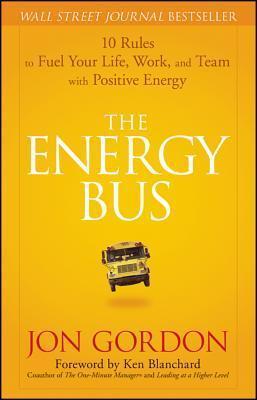
Summary
In The Energy Bus, Jon Gordon tells the story of George, a middle manager whose life and career stall under a cloud of negativity. He’s on the brink of losing his job and his marriage. One bleak Monday morning, his car dies. That breakdown forces him to take a bus driven by Joy, a vibrant woman who radiates positivity. From that moment, George’s journey shifts from despair to hope as he confronts his attitudes and choices.
Joy introduces George to the idea that he must become the driver of his own bus. She insists he adopt a positive vision for his life rather than succumbing to complaints and blame. Through their conversations, George learns that energy attracts similar energy. Negative thoughts and actions only breed more negativity. Conversely, positivity fuels motivation, teamwork, and success.
Soon Joy outlines five core rules to help George—and the reader—change the way they think and act. The first rule calls for a clear vision of where you want to go. If you don’t know your destination, you can’t drive with purpose. Joy challenges George to write down one defining goal and to read it aloud every morning, so it becomes a compass guiding each day’s choices.
The second rule demands that George fuel his bus with positive energy. Negative people are labeled “energy vampires.” Joy warns him to spot them, limit time spent in their presence, and resist their draining effects. George begins noticing how some coworkers derail meetings with their criticisms and slowly distances himself, choosing instead to spend time with supportive colleagues.
Next, Joy emphasizes the importance of welcoming people on the bus. Rule three is about surrounding yourself with the right team. George reflects on his own circle and realizes many friends and coworkers are cynical. He makes small shifts—offering encouragement, asking questions, and listening more. Gradually, he finds that genuine appreciation draws people closer rather than pushing them away.
Rule four focuses on purpose: steering clear of unnecessary drama. Joy insists that every conflict distracts the bus from forward momentum. She teaches George to catch himself when he starts to gossip or dwell on past slights. He rehearses simple phrases like “Let’s focus on solutions” to redirect tense conversations and keeps meetings short and constructive.
The fifth rule asks George to have fun and enjoy the ride. Joy urges him to laugh, celebrate wins big and small, and infuse creativity into daily tasks. George begins playing upbeat music at work, organizing impromptu lunches, and sharing jokes in meetings. These lighthearted moments break the tension and remind everyone that a positive atmosphere fuels productivity.
As George applies these five rules, his mood lifts. His team at work notices his newfound enthusiasm. Projects once stalled gain momentum. He proposes fresh ideas in meetings, and colleagues follow his lead. The simple act of focusing on solutions rather than problems shifts the entire department’s energy.
Beyond the workplace, George sees changes at home. Instead of shutting down at night, he listens actively to his wife’s concerns and offers support. By practicing positivity, he rekindles warmth in their relationship. They laugh more often and plan weekend outings, restoring the sense of partnership they’d lost amid stress.
Joy reminds George that setbacks will come. Rule six teaches him to overcome obstacles with optimism. When the bus’s brakes squeal one morning, he resists frustration. Instead, he asks the driver how they maintain the vehicle. That small shift in attitude reminds him that every problem presents an opportunity to learn and grow.
Rule seven encourages George to develop a gratitude ritual. He starts each evening by listing three things he’s grateful for—small wins, kind gestures, or a moment of peace. Keeping a gratitude journal trains his mind to seek the positive, even when stressful deadlines loom or tough feedback arrives.
In rule eight, Joy tells George to invest in himself. He commits to reading uplifting books, exercising daily, and eating healthfully. He carves out morning jogs and swaps sugary snacks for fruit. He notices that caring for his body bolsters his energy and sharpens his focus at work.
Rule nine asks him to serve others. George volunteers to mentor a junior colleague and pitches in on a charitable fundraiser at the office. Giving his time and expertise awakens a sense of fulfillment he hadn’t felt before. He realizes that helping others strengthens his own positive mindset.
Finally, rule ten underscores balance and renewal. Joy urges George to schedule regular breaks and vacations to recharge. He learns that nonstop hustle leads to burnout. By honoring his need for rest—taking short walks, enjoying quiet evenings, or away weekends—he maintains consistent energy rather than crashing under the weight of relentless demands.
By the end of his bus ride, George has transformed. His boss commends his new leadership style, and he lands a promotion. His marriage gains fresh energy, and he feels more purpose than ever. Joy congratulates him, pointing out that the bus never broke down again—because he became its capable driver.
The Energy Bus teaches that positive energy is a choice you must make each day. George’s story shows how simple shifts in attitude and behavior—setting clear goals, surrounding yourself with supportive people, practicing gratitude, and balancing work with renewal—pave the way to success. The book reminds readers that when you drive your own bus with enthusiasm and purpose, you’ll carry others along and reach destinations once thought impossible.
With its ten transformational rules, Jon Gordon offers a practical roadmap for leaders, teams, and individuals. When you apply these principles, you’ll not only overcome negativity but also inspire your world to come together, moving forward with hope, drive, and shared optimism.
Detailed Summary
Key Takeaways
1. Drive Your Positive Energy
“Your energy is your currency. Spend it well.”
The Power of Positive Outlook: Every day Lou begins with a choice: will he fuel his bus with positive energy or let negativity take the wheel? Gordon explains that our mindset steers our actions. When we choose optimism, we unlock resilience, creativity, and focus. Conversely, harboring doubt or grudges drains our drive.
He illustrates this idea through the story of George, a manager who transformed his struggling team simply by focusing on strengths. Rather than complaining about missed targets, George celebrated every small win. His shift in tone sparked enthusiasm. The team’s mood lifted, and productivity climbed.
This concept rests on one insight: positivity isn’t naive. It’s strategic. By framing challenges as opportunities, we engage our full mental resources. We stay open to solutions instead of freezing under pressure.
Cultivating Resilient Teams: In workplaces around the world, negativity can spread faster than any virus. A single skeptic can drain a room. That’s why leaders who model positive energy see real change. Teams feel safer to share ideas. They tackle setbacks instead of hiding them.
On a larger scale, organizations that foster upbeat cultures outperform their peers. They handle market shifts with agility. They innovate. Customers sense the enthusiasm and reciprocate with loyalty. Investors notice too, often rewarding vibrant cultures with better support.
At home, positive energy changes family dynamics. Children mirror optimism. Spouses support each other rather than blame. When parents choose to cheer even small achievements, they build confidence in their kids. That confidence fuels success in school and beyond.
Key points:
- Positivity frames challenges as opportunities
- Optimism fuels creativity and focus
- Negative talk drains group morale
- Celebrating small wins builds momentum
- Positive leaders inspire loyalty and trust
2. Visualize Your Destination
“First you create the vision. Then the vision creates you.”
Clarity Through Vision: Gordon argues that we need a clear picture of where we’re going. Like a driver planning a route, we start with an end goal. When vision stays in focus, distraction loses its power. We work purposefully.
He shares the tale of Carla, who dreamed of expanding her bookstore but felt stuck. She sketched her ideal shop on paper. Suddenly her tasks aligned: she pitched to landlords, designed an inviting layout, and attracted investors. Her vision acted like a magnet, drawing resources toward it.
This process works because vision primes our minds for opportunity. When we see clearly what we want, we notice solutions and alliances that once eluded us. It’s as if our brain switches to a tuned frequency, picking up signals it previously ignored.
From Idea to Reality: Vision acts as a compass in both business and personal projects. Companies that launch new product lines start by envisioning the customer experience. They reverse-engineer every step. This reduces waste and aligns teams around the same goal.
On an individual level, athletes and artists use visualization to boost performance. Olympians picture every phase of their race before stepping on the track. Musicians rehearse each note in their minds. That mental rehearsal builds confidence and neural pathways that make actual execution smoother.
Communities also benefit. When citizens dream of cleaner parks or safer streets, they form committees to fulfill that vision. They secure funding and volunteer time because they believe in a shared future. Vision becomes the glue that binds purpose with action.
Key points:
- Vision gives clear direction
- Mental rehearsal unlocks hidden resources
- Shared vision unites teams
- Reverse-engineering tasks boosts efficiency
- Visualization builds confidence
3. Fuel With Gratitude
“Gratitude turns what we have into enough.”
The Gratitude Mindset: Gordon insists we must recognize the good already present. A thankful heart repels envy and scarcity thinking. It reminds us that we’ve overcome past hurdles and can do so again.
He recounts when Liz, a sales leader, introduced weekly gratitude huddles. The team took turns naming successes and people who helped them. They felt more connected and less stressed. They sold more because they focused on opportunities rather than market threats.
This habit rewires our brain. Neuroscience shows that gratitude activates reward circuits. We process stress more calmly. We even sleep better. That rest further sharpens our performance.
Building Lasting Satisfaction: Gratitude shifts culture. In schools, teachers who encourage students to note daily wins see increased engagement. Students support each other more and handle criticism with grace.
In healthcare, practitioners who practice gratitude report lower burnout. They remember the lives they touched instead of the long shifts. They show up with empathy. Patients sense it and recover faster.
Even policymakers benefit. Leaders who highlight communal gains—new parks, safe streets—unite neighbors. Citizens rally behind projects because they feel appreciated. Gratitude becomes a force for collective well-being.
Key points:
- Gratitude counters scarcity mindset
- Weekly recognition boosts team bonds
- Brain’s reward centers reinforce positive habits
- Better sleep and focus follow thankfulness
- Communities thrive on shared appreciation
4. Invite Others Onboard
“You can’t win the race alone. You need a great team driving with you.”
Team Alignment and Support: Gordon makes clear that success rarely happens solo. We need allies who share our vision and add energy. They keep us honest and push us forward when we falter.
He tells of Mike, who tried to launch his coaching practice alone. He struggled to market effectively and felt isolated. When he joined a mastermind group, he found accountability partners. They traded ideas, offered tough feedback, and cheered each other on. His growth accelerated.
That story reflects the broader truth: synergy beats solo effort. Teams leverage diverse skills. They distribute tasks and learn from each other. They create momentum that no single person can match.
The Ripple of Collaboration: In business, cross-functional teams solve complex problems faster. A mix of marketing, design, and engineering minds breaks silos. Products launch sooner and fit market needs better.
On a personal front, entrepreneurs who partner with mentors avoid common pitfalls. They gain shortcuts born of experience. They also enjoy emotional support during setbacks.
In communities, volunteer groups multiplying good deeds show how collaboration scales impact. One person planting a garden helps a few neighbors. A team can green entire neighborhoods and teach sustainable practices.
Key points:
- Success depends on aligned teams
- Mastermind groups boost accountability
- Diverse skills speed innovation
- Mentors provide shortcuts and support
- Collaboration multiplies impact
5. Share Your Positive Story
“Stories shape our beliefs. Share the one that fuels you.”
Narrative as Inspiration: Stories connect us. Gordon notes that a well-told tale sparks emotion and clarity. When we hear how someone overcame doubt, we feel capable too.
He shares how Joy, a nonprofit director, began her talks with a single rescue story. She described finding one frightened pup and nursing it back to health. Donors responded with tears and checks. They saw the impact and wanted to join.
That narrative worked because it personalized the mission. Numbers alone don’t move people. But a real-life example creates empathy. It compels action.
Engaging Hearts and Minds: In marketing, brands that weave human stories out-sell those that list features. People remember narratives. They share them at dinner tables and on social media.
In leadership, sharing personal setbacks builds trust. Teams realize their boss understands challenges. They open up about their own struggles and seek guidance.
Education benefits too. Students grasp history through individual lives rather than abstract dates. Biography and anecdote bring facts to life and anchor lessons.
Key points:
- Stories evoke empathy and action
- Personal anecdotes beat dry data
- Narratives build trust
- Story-driven marketing wins customers
- Education thrives on real-life examples
6. Keep the Wheels Turning
“Momentum is the magic that keeps your bus moving forward.”
The Role of Small Wins: Gordon highlights how tiny victories add up. Each checkmark on a to-do list fuels confidence. Those micro-moments keep us motivated through bigger challenges.
He illustrates this with Karen, who broke her marathon goal into weekly milestones. She ran a little more each time and celebrated each achievement. By race day, finishing felt almost easy.
Momentum works like compounding interest. Early effort pays dividends in enthusiasm. It propels us toward goals that once seemed distant.
Sustaining Progress: Organizations use agile sprints to capture this effect. Teams commit to small deliverables every two weeks. They review progress and adjust. That rhythm prevents burnout and keeps innovation alive.
In personal growth, daily habits build routines. Reading ten pages daily leads to dozens of books in a year. Those pages accelerate wisdom and confidence.
Communities that set small local goals—like planting ten trees—expand efforts citywide. Success breeds ambition and more involvement.
Key points:
- Small wins build confidence
- Micro-goals prevent overwhelm
- Agile sprints sustain momentum
- Daily habits compound growth
- Community projects scale through milestones
Future Outlook
As we look ahead, The Energy Bus reminds us that energy management will stay central to both leadership and daily life. In a world accelerating ever faster, organizations that master positive energy may outpace those stuck in fear or cynicism. We’ll see more firms embed gratitude and vision into their training programs.
On an individual level, personal development apps will likely adopt these principles. Visualization exercises, gratitude journals, and online mastermind forums are already gaining traction. They’ll integrate more social features to amplify collaboration and storytelling.
Finally, as global challenges grow—from climate change to social inequity—the principles of collective positivity and shared purpose can unite diverse groups. When we fuel our buses with optimism and direction, we not only advance our own goals but also steer society toward solutions.







