SUMMARY
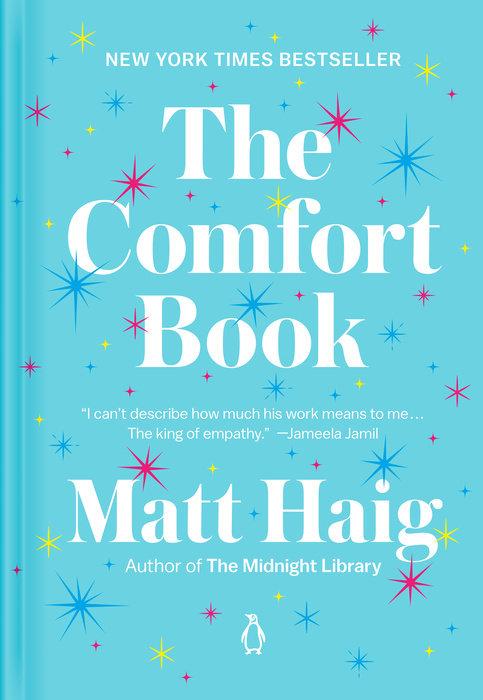
“The Comfort Book” by Matt Haig offers readers a gentle embrace through a tapestry of reflections, anecdotes, and observations. Haig arranges his thoughts like a playlist of solace, with each entry acting as a small beacon on a dark night. He speaks directly to the reader, acknowledging life’s frayed edges and offering simple tools to mend them. The book never builds a sweeping narrative but rather drifts from topic to topic, mirroring how we navigate our own minds. Each passage stands alone yet connects to a larger thread of empathy and hope.
Haig begins by reminding you that you’re not alone in your struggles. He paints an image of people across time, bound by the same fears and insecurities. He proposes that acknowledging vulnerability becomes a bridge rather than a barrier. When you admit you’re hurting, you also invite connection and compassion. Through short stories of historical figures and personal admissions, he shows how honesty has saved him in moments of despair.
He then turns to the idea of gratitude, encouraging you to list simple joys. A door opening after a long day. The taste of tea. A neighbor’s smile. In these small gifts, he insists, we find a reservoir of comfort that often goes unnoticed. He suggests keeping a gratitude note tucked in your pocket, then pulling it out whenever anxiety strikes. The exercise feels subtle but accumulates into a habit of noticing light even when shadows dominate.
Next, Haig explores the notion of presence—being fully here, right now. He warns against dwelling too heavily on the past or drifting into a future filled with “what ifs.” By practicing mindful pauses—feeling your feet on the floor, naming three sounds you hear—you break the cycle of worry. Such moments ground you, he argues, and anchor you in safety. He recounts a park bench ritual that helped him reclaim calm after days spent chasing thoughts.
A shorter reflection follows, urging you to embrace ceremonies of self-care. Haig describes simple rituals: brewing coffee with intention, wrapping yourself in a favorite blanket, writing a single line of poetry. He insists these acts aren’t indulgent but vital. They remind you that life matters, even when it hides behind exhaustion.
Later, Haig delves into the power of words, both to wound and to heal. He confesses his own battles with self-talk that could tear him down like a storm. Then he shares the gentle practice of speaking to yourself as you would to a friend. He suggests replacing judgmental phrases with supportive ones. Over weeks, this shift transforms the way you view your own efforts, lessening the weight of perfectionism.
He dedicates a sequence to the idea of impermanence, noting that difficulty never lasts forever. Citing nature’s cycles—seasons of bloom and decay—he reassures the reader that pain can ebb like a tide. He offers a metaphor of mountain hikers cresting a ridge: the climb feels endless until they glimpse the valley below. In the same way, our struggles often feel infinite until we reach a new perspective.
Then the book turns to connection, highlighting how simple gestures matter. A text that says “I’m thinking of you,” a friend’s dog that bounds to greet you. These small acts become lifelines. Haig describes reaching out when he felt unseen and finding that others, too, were craving the same acknowledgement. The acknowledgment itself feels like a quiet celebration of shared humanity.
A brief but poignant note reminds you that it’s okay to ask for help. He recounts the moment he reached out for therapy after months of resisting. Admitting weakness, he realized, was an act of strength. That simple truth, once embraced, opened a door to better days. It’s an invitation you can accept at any point in your life.
In another section, Haig examines how boundaries protect our well-being. He recalls a friend who learned to say “no” without guilt and discovered time to rest. By setting limits on work, social demands, or screen time, she carved out breathing room. Haig encourages you to view boundaries not as barriers but as acts of self-respect.
Then comes a reflection on play and creativity. He remembers childhood afternoons spent drawing without thought for outcome. He urges you to reclaim that freedom—whether through painting, dancing in your kitchen, or constructing stories in your mind. By allowing yourself to play, you loosen the grip of relentless seriousness and invite joy back in.
Haig also honors silence, the space between words and ideas. He suggests sitting in a quiet room for a few minutes each day, letting your thoughts drift without judgment. In that stillness, he writes, you might overhear your own inner compass. It’s not about solving problems but about giving your mind a chance to rest and reorganize.
A shorter passage follows, celebrating the ordinary. He marvels at how a loaf of bread can taste like a miracle when you’ve gone hungry. By savoring the mundane, we remind ourselves that life’s miracles are woven into routine. It only takes attention to reveal them.
Finally, Haig circles back to self-compassion. He reminds you that healing is not linear—there will be setbacks and plateaus. He encourages you to greet each moment with kindness, whether it feels like progress or not. In closing, he offers a simple mantra: “I am here. I am alive. I will try again tomorrow.” It isn’t the end of a journey but the gentle promise of another day.
Throughout “The Comfort Book,” Haig never prescribes a one-size-fits-all cure. Instead, he lays out a mosaic of practices—gratitude, presence, play, and compassion—so you can choose what fits. The result feels less like a manual and more like a friend whispering encouragement over the phone. In these pages, you find comfort not as a distant ideal but as something you can carry in your pocket, ready to unfold whenever life shakes your footing.
DETAILED SUMMARY
Key Takeaways
1. Embracing Imperfection
“Perfection is a myth we chase. Comfort lives in the cracks.”
Finding Beauty in Flaws: Matt Haig reminds us that life unfolds in messiness and unexpected turns. He argues that chasing an impossible ideal drains our joy and energy. Instead, he invites readers to notice how small flaws and idiosyncrasies give life its character and warmth.
By accepting that mistakes are part of the human story, we free ourselves from constant self-criticism. Haig uses simple anecdotes—like a chipped coffee mug reminding him of a friend—to show that imperfection can spark gratitude. He gently steers us away from perfectionism toward a gentler acceptance of who we are and how we live.
Shifting Cultural Expectations: In a culture obsessed with flawless images and highlight reels, embracing imperfection can feel radical. Haig’s reflections encourage a shift away from curated lives toward honest presence. This idea challenges social media norms and prompts us to value authenticity over polish.
Historically, many philosophies from Stoicism to Buddhism have celebrated impermanence and imperfection. Haig updates these traditions in accessible, modern language. His approach highlights how valuing rough edges in ourselves and others can foster deeper connection and resilience, both personally and socially.
Key points:
- Reframe mistakes as learning moments
- Notice small imperfections that bring character
- Resist social pressure for perfect images
- Cultivate self-acceptance daily
- Celebrate uniqueness over uniformity
2. Cultivating Daily Gratitude
“Comfort lives in noticing a moment: the warmth of a mug, the taste of morning light.”
Gratitude as Practice: Haig emphasizes that comfort often hides in ordinary moments. He suggests writing down one small thing each day that brought warmth or relief. Over time, this habit rewires attention toward the positive details we normally overlook.
He draws on research showing how gratitude journaling can improve mood and reduce anxiety. By focusing on the mundane—a bird’s song or a kind word—we train our minds to scan for comfort regularly. This practice turns fleeting moments of happiness into lasting mental resources.
Boosting Well-Being: Gratitude practice has well-documented benefits for mental health. Haig links personal anecdotes with scientific studies to show how our brain’s reward centers light up when we give thanks. Over weeks, this practice can lower stress hormones and raise life satisfaction.
On a broader scale, communities and cultures that emphasize gratitude often display stronger social bonds. Haig’s call to notice simple pleasures can ripple outward. When people share sincere appreciation, they build trust and kindness in their circles, shaping more supportive environments.
Key points:
- Keep a daily comfort list
- Focus on small sensory experiences
- Combine personal stories with research
- Track mood changes over time
- Share gratitude to strengthen bonds
3. Nurturing Self-Compassion
“Speak to yourself like you would to a friend in pain.”
Turning Kindness Inward: Haig urges us to adopt a softer inner voice. He points out how we scold ourselves for every slip. Instead, he proposes asking, "What would I say to someone I love who felt this way?"
By using gentle language, we can soothe anxious or critical thoughts. Haig offers simple phrases—"It’s okay to feel tired"—to replace harsh judgments. He argues that self-compassion fuels resilience and slows the spiral of negative thinking.
Healing Inner Wounds: Self-compassion has roots in clinical psychology and mindfulness. Studies show it reduces depression and boosts emotional regulation. Haig weaves these findings with personal stories of dark days to show that kindness toward oneself can spark real recovery.
In social terms, self-compassion can decrease burnout in caregiving professions and reduce conflict in relationships. When we treat ourselves with care, we tend to treat others the same way. Haig’s insights encourage a ripple effect of gentleness across families and workplaces.
Key points:
- Use friend-like inner dialogue
- Replace shame with understanding
- Learn simple compassionate phrases
- Combine personal experiences with evidence
- Recognize self-care as strength
4. Finding Solace in Nature
“A leaf’s crackle or a bird’s song can anchor us in a moment of calm.”
Nature as Emotional Refuge: Haig describes stepping outside as a short reset for the mind. He invites readers to notice small signs of life—a budding bud or falling leaf—and use them as entry points to calm. This connection to nature can break cycles of worry and rumination.
Drawing on nature therapy research, he shows how green spaces lower stress and boost creativity. Even brief encounters—like watching clouds drift—can shift us out of negative loops. Haig pairs vivid observations with simple prompts to help readers tune into the natural world more often.
Environmental and Personal Health: The benefits of nature extend beyond mood. Public health studies link access to parks with lower rates of anxiety and chronic illness. Haig’s reflections underscore the urgency of protecting green spaces for our well-being.
By valuing nature as a comfort source, communities may advocate for conservation. Haig’s gentle urgings can nudge policies to preserve urban trees and parks. In this way, personal healing aligns with environmental stewardship.
Key points:
- Notice small nature details
- Use outdoor breaks to reset mind
- Integrate evidence from nature therapy
- Advocate for green spaces
- Link personal wellness with conservation
5. Embracing Mortality for Perspective
“We’re all borrowing time. That’s what makes life precious.”
Impermanence Sparks Gratitude: Haig confronts our fear of death as a path to full living. He argues that acknowledging our finite days brings sharper focus to what truly matters. We start to treasure moments we once took for granted.
He draws on historical traditions that celebrate impermanence, from Buddhist teachings on transience to Stoic reflections on mortality. By welcoming the idea of no-return, we reclaim our attention from trivial worries and invest it in genuine connection and purpose.
Shaping Life Priorities: Facing mortality can radically shift personal goals. Haig shares stories of people who reprioritized family and kindness after health scares. Their examples show how a death reminder can spark more meaningful, value-driven lives.
On a cultural level, societies that embrace death rituals often exhibit stronger community bonds and richer storytelling traditions. Haig’s insights encourage us to revive thoughtful conversations about dying and living well, potentially influencing medical ethics and end-of-life care.
Key points:
- Acknowledge life’s finiteness
- Reprioritize what matters
- Learn from global impermanence traditions
- Use mortality as gratitude catalyst
- Foster open death discussions
6. Building Community Support
“We’re threads in a larger fabric. Comfort thrives in shared stories.”
Shared Humanity: Haig stresses that isolation deepens despair. He invites readers to open up about struggles and hear others do the same. In sharing small failures or daily comforts, we remind ourselves we’re not alone.
He illustrates this with letters from fans who offered solace to each other in online groups. These personal exchanges show how telling simple truths—"I felt low today too"—can break stigma. Community then becomes a living comfort book.
Strengthening Social Ties: Community support has deep historical roots—from neighborhood gatherings to spiritual circles. Modern technology extends these connections beyond geography. Haig highlights how digital communities can offer empathy when in-person contact isn’t possible.
On a societal scale, fostering open conversations about mental health can reduce isolation and suicide rates. Haig’s call to share small comforts resonates with public health campaigns promoting peer support. This approach expands our toolkit for collective resilience.
Key points:
- Encourage sharing daily experiences
- Use online groups for empathy
- Recognize isolation as a risk factor
- Revive local meetups and circles
- Link personal stories to broader support
Future Outlook
As readers absorb Haig’s gentle wisdom, they may carry these comfort practices forward into work, schools, and families. Gratitude journals could become as common as planners. Self-compassion exercises might pair with traditional syllabi in classrooms, helping students manage anxiety.
On a research level, The Comfort Book may spur more studies into everyday rituals that protect mental health. Policymakers might design urban spaces around small nature refuges. Healthcare providers could integrate tiny comfort prompts into therapy or pre-surgery routines. Haig’s simple yet profound insights will likely ripple out across fields, reminding us that lasting change often lives in the little moments.