
Summary
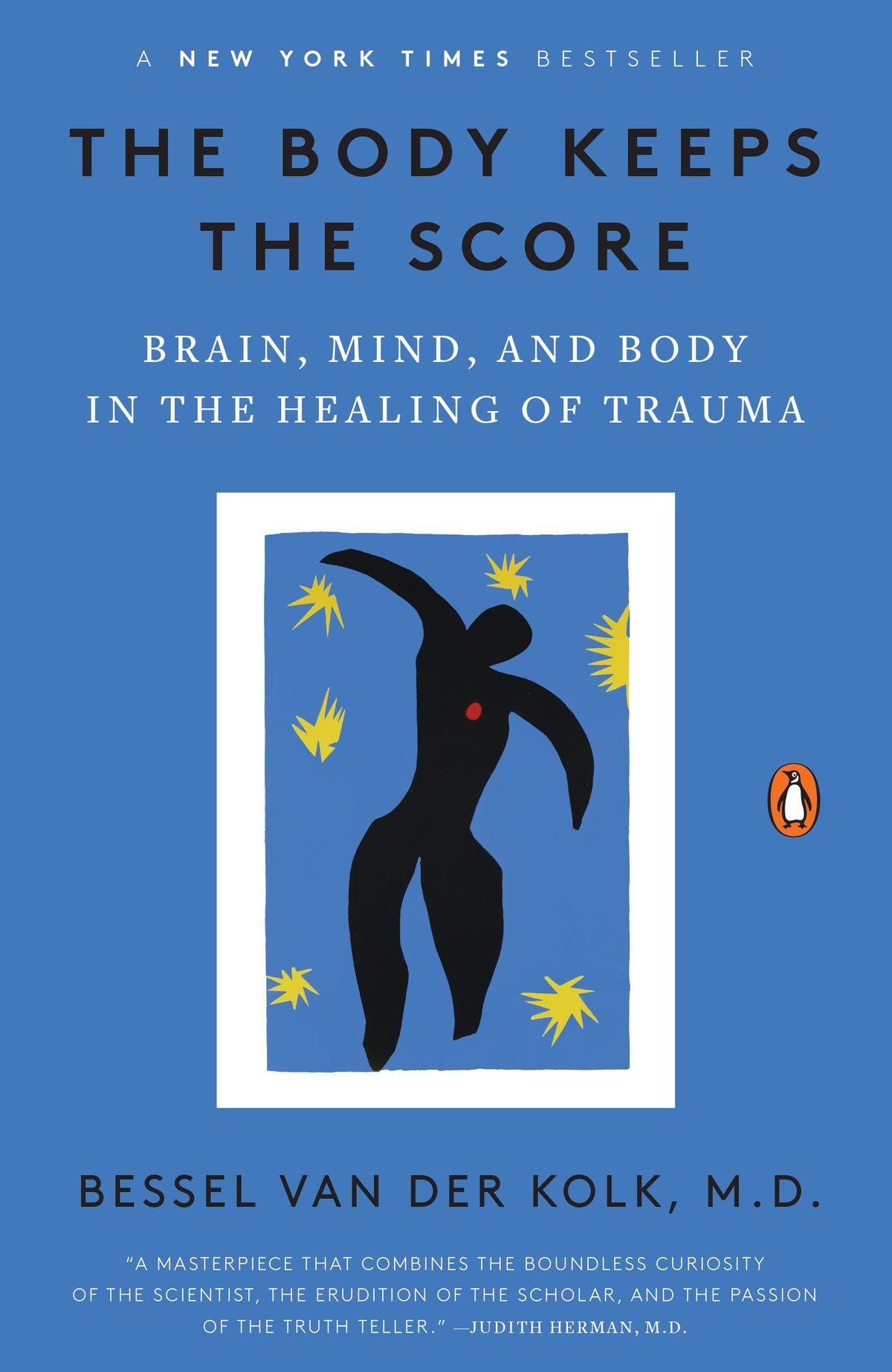
“The Body Keeps the Score” by Bessel van der Kolk offers a deep dive into how trauma reshapes both mind and body. Van der Kolk begins by charting the lasting impact of traumatic stress, showing how events like abuse, combat, or accidents can rewire neural pathways. He argues that trauma isn’t simply a past event but lives on in bodily reactions, in flashbacks, and in subtle shifts in attention.
Trauma disrupts our sense of safety. Van der Kolk explains that when we experience a threat beyond our capacity to cope, the brain’s alarm system hijacks rational thought. The amygdala goes on overdrive, flooding the body with stress hormones. Meanwhile, the prefrontal cortex, which normally helps us regulate emotions, goes offline.
Memories of trauma lodge not in neat stories but as sensory fragments and bodily sensations. Van der Kolk shows that survivors often relive past horrors through physical cues—a sudden smell, a touch, or a sound. These unbidden sensations intensify anxiety and make it hard to stay grounded in the present.
He explores how trauma changes the autonomic nervous system. Some people live in chronic hyperarousal, always on edge. Others default to dissociation, zoning out or feeling numb. Both responses stem from the same survival mechanism: fight, flight, or freeze.
Studies in neuroimaging confirm that trauma scars the brain. Van der Kolk references PET scans showing altered blood flow in areas tied to emotion and memory. He notes that trauma survivors often show reduced activity in Broca’s area, which governs speech, explaining why many struggle to find words for what they’ve lived through.
Van der Kolk emphasizes that talking alone doesn’t heal the body’s memory. He critiques traditional talk therapy for focusing on the mind while ignoring the body’s stored stress. Instead, he urges integrating somatic approaches—methods that tap into bodily wisdom and recalibrate the nervous system.
One key method he describes is Eye Movement Desensitization and Reprocessing (EMDR). Patients recall traumatic memories while tracking a therapist’s finger. Van der Kolk reports how this bilateral stimulation helps reprocess painful images and ease the body’s alarm response.
Mindfulness and yoga feature prominently as tools for trauma recovery. By attending to breath and posture, survivors learn to notice tension and release it. Van der Kolk shares stories of veterans finding calm in simple yoga poses, regaining a sense of agency over their bodies.
Group therapies also play a vital role. He describes theater workshops where survivors act out their stories, reclaiming narratives that once felt uncontrollable. Sharing these enactments in a safe community helps rebuild trust and connection.
Van der Kolk highlights the power of interpersonal relationships in healing. He draws on attachment theory to show how safe bonds—whether with therapists, peers, or family—can rewire the brain’s fear circuits. Love, in its many forms, becomes a potent antidote to isolation.
He turns to developmental trauma next, discussing how adverse childhood experiences shape lifelong patterns. Early neglect or abuse disrupts attachment and can set a child on a path of hypervigilance or emotional shutdown. Van der Kolk stresses that early intervention can alter these trajectories.
Throughout the book, he weaves in case studies that humanize complex science. A woman unable to hug her newborn, a soldier haunted by battlefield sounds—these anecdotes ground theory in lived reality. They remind us that each recovery journey is unique.
Van der Kolk also examines neurofeedback, a technique that teaches patients to modulate their own brain waves. By monitoring electrical activity, trauma survivors learn to calm runaway neural circuits, gaining a tangible sense of control.
He doesn’t shy away from the challenges of treatment. Many survivors fear revisiting trauma or feel discouraged when progress stalls. Van der Kolk acknowledges these setbacks and urges patience, emphasizing that rewiring one’s brain takes time and repeated practice.
In the final chapters, he offers a vision of integrative care. He calls on mental health professionals to blend talk therapy, body-based practices, medication when needed, and community support. Healing, he argues, requires treating the whole person—mind, brain, and body together.
Van der Kolk closes on a hopeful note: despite trauma’s deep imprint, the brain retains plasticity. Through sustained practice and compassionate care, trauma survivors can rewrite their stories, reclaim their bodies, and reconnect with life.
Detailed Summary
Key Takeaways
1. Trauma Alters Brain Wiring
“Trauma is not what happens to you. Trauma is what happens inside you.”
Neurobiological Shift: When someone endures extreme stress or injury, their brain circuitry changes. Neural networks tied to fear and survival grow hyperactive. At the same time, regions responsible for rational thought and emotional regulation can shrink. These shifts happen outside conscious control, yet they determine how survivors perceive the world.
Over time, the brain adapts to constant alarm. It learns to spot threats everywhere. That response once kept our ancestors alive. Now, it can trap people in a cycle of hypervigilance. They feel unsafe even when they’re safe. Everyday events trigger overwhelming fear, flooding the body with stress hormones.
Widespread Clinical Consequences: Clinicians see these rewired brains in patients who struggle with relationships, work, or self-care. Standard talk therapy often falls short because it doesn’t target the brain’s survival circuitry. Unless a therapy can soothe that biological alarm system, patients stay stuck. They talk about their past but can’t break free from persistent fear.
Schools and hospitals also feel the effects. Children with trauma history may act out or withdraw. Teachers misinterpret their behavior as defiance rather than distress. In medical settings, patients with trauma often mistrust doctors. They can’t relax even when receiving care. That mistrust worsens health outcomes. It shows how deeply trauma rewiring can ripple through society.
Key points:
- Chronic stress rewires fear pathways
- Rational brain regions diminish in volume
- Hypervigilance persists long after danger
- Standard therapies often miss the biology
- Effects extend into education and medicine
2. Body Remembers What Mind Forgets
“The body keeps the score: if the memory of trauma is encoded in the viscera, in heartbreaking, gut-wrenching sensations, verbal recall and narrative may not touch it.”
Somatic Memory: Trauma imprints itself on the body as well as the mind. Survivors often feel physical symptoms—tight muscles, racing heart, digestive upset—when memories surface. They might not even connect these sensations to their past. Instead, they see them as isolated health issues or mood swings.
When talk therapy tries to access trauma stored outside of language, it can falter. The body holds memories in neural and hormonal patterns. Unless therapy addresses those patterns directly, a survivor’s narrative work remains incomplete. They risk retelling the story without releasing the physical tension that continually replays it.
Therapeutic Innovation: This insight has shifted many clinicians toward body-focused approaches. Yoga, sensorimotor therapy, and biofeedback now join talk therapy. These methods aim to help survivors rewire the bodily responses tied to threat. By doing so, they can gradually restore a sense of safety within their own skin.
On a societal level, this view challenges the separation between mind and body in healthcare. It urges integration of mental health and physical health services. Primary care doctors learn to spot trauma’s physical signs. Therapists gain tools to soothe the nervous system as well as the psyche. The ripple effect improves outcomes across trauma-focused treatments.
Key points:
- Trauma stored as bodily sensations
- Verbal memory can miss somatic imprint
- Integrates yoga and sensorimotor methods
- Encourages mind-body integrated care
- Improves healing when body and mind connect
3. Interpersonal Safety Rebuilds Trust
“Healing happens when people feel safe in relationship with others.”
Relational Repair: Trauma often shatters trust in others. Survivors may expect betrayal or danger in every encounter. That makes relationships feel precarious. Without safety, social networks collapse. Isolation deepens the wounds.
To heal, survivors need safe relational experiences. Therapists become attachment figures. Empathy and steady presence rebuild the survivor’s capacity for trust. Over time, new neural pathways develop. They link the social brain to pleasure rather than threat, undoing the isolation trauma once enforced.
Community and Policy Implications: This takeaway has transformed group therapy and peer support. Programs emphasize stable, trustworthy relationships among survivors. Veterans, abuse survivors, and refugees find solidarity in shared stories and mutual safety.
At a policy level, social services now focus on stable caregiving environments. Foster care agencies train caregivers in trauma-informed parenting. Schools implement mentorship programs. Communities build safe spaces for youth at risk. All these efforts rely on the idea that safe connections spark lasting repair.
Key points:
- Trauma erodes basic trust
- Therapist-client bond fosters safety
- Group support leverages shared healing
- Policies emphasize stable caregiving
- Community programs build trust
4. Trauma Resides in Autonomic Nervous System
“We learn to live our lives by ignoring our physical impulses or escaping them in violence.”
Autonomic Dysregulation: The autonomic system controls our fight-flight-freeze responses. Trauma survivors can’t regulate it. Their bodies slosh between high arousal and shutdown. Simple events can trigger intense heart pounding or a sudden numbness.
When those impulses go unchecked, survivors may self-soothe with harmful behaviors—substances, self-harm, or aggression. They try to silence the internal alarm. But each act can reinforce the cycle. Only by retraining the autonomic system can they find balance.
Intervention Strategies: Healing this system calls for bottom-up therapies. Neurofeedback trains survivors to modulate their brain activity. EMDR uses guided eye movements to integrate traumatic memories while maintaining calm. Yoga and breathwork directly influence the autonomic balance.
Wider adoption of these methods demands training for mental health professionals. Insurance coverage must expand to cover body-based therapies. Research into autonomic regulation therapies continues, promising refined interventions. As clinicians and policymakers recognize autonomic dysregulation’s role, treatment models become both more humane and more effective.
Key points:
- Trauma disrupts fight-flight-freeze
- Survivors self-soothe with harmful acts
- Neurofeedback and EMDR recalibrate system
- Yoga and breathwork aid regulation
- Calls for insurance and training reforms
5. Mindfulness Anchors Present Moment
“Mindfulness helps us learn to tolerate the present moment in a way that doesn’t re-traumatize us.”
Present-Centered Awareness: Trauma often anchors survivors in past tragedy or future dread. Mindfulness calls them back to here and now. It trains notice without judgment. Instead of reliving a memory, they observe sensations and thoughts as passing events.
That distance from internal storms builds resilience. They learn that thoughts and feelings don’t have to control them. By practicing simple exercises—body scans, focused breathing—they strengthen their capacity to stay grounded, even when distress flares.
Broad Applicability: Clinicians across disciplines now integrate mindfulness. Psychiatrists use it alongside medication. Social workers teach it in community centers. Schools introduce age-appropriate practices to help students focus and manage stress.
The ripple effect reaches workplaces too. Employers offer mindfulness training to reduce burnout and enhance performance. As more people learn present-centered skills, society gradually shifts. We become better at tolerating discomfort, regulating emotion, and connecting compassionately with others.
Key points:
- Breaks cycle of past/future fixation
- Observes thoughts without reactivity
- Builds resilience through practice
- Integrated in schools and clinics
- Expands into workplace wellness
6. Play and Creativity Heal Deep Wounds
“Play and creativity are powerful antidotes to trauma.”
Imaginative Engagement: Trauma narrows a person’s world to survival. Play reopens curiosity and joy. Art, dance, and storytelling let survivors express what words cannot capture. They tap into implicit memory and emotion.
Creative activities engage different brain areas than talk therapy. They bypass the over-active alarm centers. Here, survivors experiment safely with new narratives and identities. That imaginative freedom rewrites old scripts of helplessness into ones of agency.
Cultural and Institutional Shifts: Hospitals and clinics now run art and music therapy programs. Schools adopt play-based interventions for at-risk youth. Prisons offer theater workshops to help inmates process violence. All stem from the belief that creativity can restore agency.
Research shows these programs reduce symptoms of PTSD, anxiety, and depression. They improve social skills and self-esteem. When systems embrace creative healing, they invest not just in symptom reduction but in renewed humanity. That transformation can ripple across families and communities.
Key points:
- Restores curiosity beyond survival
- Engages implicit memory nonverbally
- Supports art, dance, theater programs
- Reduces PTSD and anxiety symptoms
- Fosters agency and social skills
Future Outlook
As trauma work evolves, we’ll see deeper collaboration across disciplines. Neuroscientists, therapists, educators, and policymakers will co-author new models. They’ll blend body-based methods with social-environmental reforms. Schools might screen for trauma and offer integrated support. Primary care could include brief somatic exercises in routine visits.
On a larger scale, we may shift from reactive to preventive approaches. Communities could invest in safe spaces, mentorship, and creative outlets long before crisis emerges. Technology—virtual reality, wearable sensors—may aid regulation in real time. The future points toward a society that treats trauma as a public health priority rather than an individual burden.
Ultimately, this book’s legacy will lie in its insistence that healing demands both science and compassion. As we refine our tools, we must also cultivate empathy, curiosity, and play. Those human qualities may prove our greatest resource in restoring lives marred by trauma.







