Summary
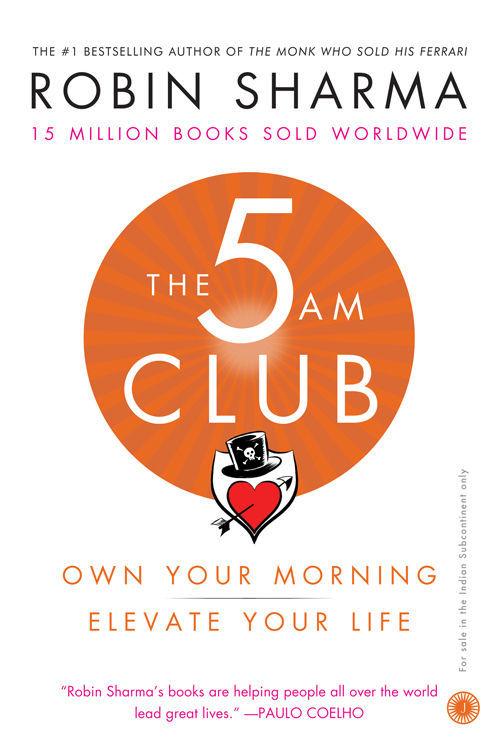
In "The 5 AM Club," Robin Sharma invites you into a transformative journey that blends storytelling with self-mastery. He frames his message through a fable about a wildly successful tycoon who imparts life-changing wisdom to two struggling individuals—an artist and an entrepreneur. This clever narrative carries practical lessons about how embracing the earliest hours can spark extraordinary personal growth.
The tale begins when a disillusioned artist and an overworked entrepreneur attend a leadership seminar. They leave the venue feeling deflated until they chance upon a reclusive tycoon on a rooftop. The tycoon offers them a seat at the exclusive 5 AM Club and promises to reveal the secrets of his remarkable success. Intrigued but skeptical, they agree—and thus their training begins.
At dawn, the tycoon presents the core tool of his system: the “20/20/20 Formula.” He explains that each morning, from 5:00 to 6:00 AM, you divide your hour into three equal parts. The first twenty minutes are devoted to intense movement. The next segment focuses on reflection. And the final twenty minutes are reserved for growth.
Sharma stresses that the first twenty minutes of the day should ignite your metabolism and flood your brain with feel-good neurotransmitters. You sprint, cycle, or skip rope in darkness. You feel your heart pound, your body heat up, and your mind clear. By the time you finish, you’re energized and ready to tackle any challenge.
The second block of twenty minutes shifts you inward. You journal, meditate, or simply breathe deeply. You review your goals and express gratitude for your journey so far. This period cements a positive mindset and centers your attention on what truly matters.
During the final twenty minutes, the focus turns to learning. You read a few pages of a powerful book or listen to an enlightening podcast. You feed your mind with fresh ideas that enrich your life and sharpen your skills. This habit sparks ongoing growth, keeping you ahead of the curve.
Beyond the Formula, Sharma underlines that forming any new habit takes time and consistency. He borrows research showing it often takes 66 days to lock in a routine. He calls this the Habit Installation Protocol. By showing up at 5 AM for a full cycle, you move from annoyance to ritual and, eventually, to automatic mastery.
The author also describes the Four Interior Empires you need to nurture: Mindset, Heartset, Healthset, and Soulset. Mindset shapes how you perceive challenges. Heartset governs your emotional life. Healthset refers to your physical vitality. And Soulset connects you to purpose and peace.
Sharma argues that the victory hour—the first hour each day—gives you control over all four empires. By following the 20/20/20 Formula, you build mental toughness, emotional balance, physical strength, and spiritual calm. You stay in peak condition, no matter what storms life may bring.
He doesn’t stop at mornings. He lays out evening rituals that prepare you for success. You dim the lights, power down your devices, and reflect on wins and lessons. You plan tomorrow’s schedule and visualize your highest intentions. This wind-down ritual accelerates deep sleep and ensures you wake eager rather than groggy.
Sharma then explores the Twin Cycles of Elite Performance. He likens human energy to a sine wave of high focus and deep rest. You need intense bursts of work followed by conscious recovery. When you ignore the rest phase, you risk burnout. But when you honor it—through sleep, relaxation, and fun—you recharge fully.
He peppers the book with vivid anecdotes of ultra-productive leaders, athletes, and artists. These stories illustrate how simple morning habits led to radical breakthroughs. You meet a musician who doubled her creativity by rising at dawn. You learn about an executive who tripled his productivity in ninety days. These concrete examples show you what’s possible.
Throughout, Sharma uses direct, punchy language. He avoids jargon and keeps sentences tight. Yet he sprinkles in playful asides—"rise with the sun and own your day"—to keep the tone lively. You almost feel the dawn light breaking as you turn each page.
In the closing chapters, the tycoon charges his pupils with a final challenge: to commit to the club for a full year. He reminds them that small, daily wins accumulate into legendary success. He leaves them on a rooftop at sunrise, urging them to savor each moment and pass on the torch.
By book’s end, you’ve absorbed more than a morning routine. You’ve learned a system that rewires how you approach every day. The 5 AM Club isn’t only a habit—it’s an investment in your highest self. You walk away convinced that conquering the dawn can help you conquer life.
If you’ve ever felt stuck, overwhelmed, or merely average, Sharma provides a clear roadmap out. He shows you how to seize the first hour, turn it into your fortress of solitude, and build unstoppable momentum. In doing so, he offers a blueprint for turning potential into performance—and performance into purpose.
Ready to set your alarm? The 5 AM Club awaits, and sunrise has never looked so inviting.
Detailed Summary
Key Takeaways
1. Embrace the Power of Early Rising
“Own your morning. Elevate your life.”
Transformative Dawn Routine: Sharma argues that the first hour after waking shapes your entire day. By rising at 5 AM, you step into a quiet world free from distractions. In that silence, you can plan, reflect, and prime your mind before the bustle begins.
This early rising habit taps into what Sharma calls the victory hour. You gain headspace to focus on growth activities—exercise, reflection, learning—without interruption. Over time, this practice rewires your brain to crave progress over procrastination.
Boosting Productivity and Well-Being: Adopting a 5 AM wake-up provides extra hours for self-care and strategic work. Studies link morning routines to higher focus and lower stress. When you tackle your most important tasks at dawn, you avoid decision fatigue and perform at peak cognitive levels.
Historically, many leaders—from Benjamin Franklin to Apple’s Tim Cook—champion early starts. This habit can shift social norms around work-life balance. Communities that embrace morning rituals often report increased creativity, stronger mental health, and deeper sense of purpose.
Key points:
- Creates quiet time for high-value work
- Reduces distractions and interruptions
- Enhances mental clarity and focus
- Establishes consistency and discipline
- Fuels a proactive rather than reactive mindset
2. Leverage the 20/20/20 Formula
“Move. Reflect. Grow—all before dawn’s light dims.”
Structured First Hour: Sharma breaks the first 60 minutes into three 20-minute blocks. The first block demands intense exercise to jump-start your metabolism and flood your brain with dopamine and serotonin. You literally sweat out lethargy and grit takes its place.
The second block focuses on reflection—journaling, meditation, prayer. You process emotions, set daily intentions, and cultivate calm. The third block calls for learning: read, listen to podcasts, study a language or business tactic. This last burst fuels ongoing growth.
Creating a Balanced Morning: This formula tackles body, mind, and spirit in quick succession. Physical movement releases built-up stress and primes your body for the day. Reflection builds emotional intelligence while you set goals and express gratitude.
The learning segment keeps your brain young and adaptable. In fast-changing industries, a habit of daily learning ensures you stay ahead. Collectively, the 20/20/20 formula fosters resilience, creativity, and consistent progress.
Key points:
- 20 minutes of intense exercise
- 20 minutes of reflection or meditation
- 20 minutes of focused learning
- Holistic mind-body-spirit approach
- Habit loop reinforced by structure
3. Cultivate the Four Interior Empires
“Your mindset, heartset, healthset, soulset shape your destiny.”
Holistic Self-Mastery: Sharma defines four pillars you must train to reach elite performance. Mindset governs your beliefs and focus. When you adopt a growth mindset, you see challenges as opportunities rather than threats.
Heartset refers to emotional wellness—gratefulness, empathy, joy. Healthset covers physical vitality through sleep, nutrition, and movement. Soulset addresses purpose and inner peace via reflection and service. Together they form an unshakable foundation.
Sustainable High Performance: Most programs target skill or strategy. Sharma insists that lasting success demands inner work on four levels. A balanced interior life guards against burnout. Leaders with strong interior empires inspire trust, loyalty, and creativity.
In society, the Four Empires model can reshape education, coaching, and corporate training. It puts character and wellness on equal footing with skill and results. Cultures that emphasize inner growth often see deeper innovation and collaboration.
Key points:
- Mindset: beliefs and mental focus
- Heartset: emotional balance and joy
- Healthset: physical energy and resilience
- Soulset: purpose and inner peace
- Integrated approach to success
4. Honor the Twin Cycles of Elite Performance
“Work with intensity. Recover with purpose.”
Rhythm of Work and Rest: Sharma highlights the importance of alternating high-intensity effort with deliberate recovery. He calls this the high-performance cycle. When you sprint through deep work, you tap peak creativity and efficiency.
Then you must enter the recovery cycle—sleep, active rest, social connection, nature. This restoration period replenishes neurotransmitters and reduces stress. Ignoring recovery leads to burnout, decreased focus, and poor health.
Preventing Burnout and Maximizing Results: In the modern hustle culture, you might glorify constant grind. Sharma flips that notion. He shows that world-class performers guard their rest as much as their work blocks. Proper recovery boosts memory consolidation and immune function.
Organizations that embed rest cycles see fewer sick days and higher morale. When employees alternate intense focus with well-designed breaks, creativity skyrockets and turnover drops. Societies that value rest yield happier, healthier citizens.
Key points:
- Deep work sprints with full concentration
- Recovery through quality sleep and rest
- Active breaks: walks, social time, creativity
- Prevents burnout and sustains momentum
- Aligns biology with performance demands
5. Implement the Habit Installation Protocol
“Ritual plus repetition births mastery.”
Building Lasting Routines: Sharma outlines a 66-day process to cement any habit. It divides into three key stages: Destruction (days 1–22), Installation (days 23–44), and Integration (days 45–66). Initially, you break old patterns with active resistance.
Midway, the new habit starts to feel natural but wobbly. You push through “discomfort spikes.” Finally, integration turns the habit into second nature. This timeline reflects neuroscience research on neural plasticity.
Turning Actions into Identity: Many programs promise quick fixes yet ignore how behaviors embed themselves. Sharma’s protocol maps directly onto studies of habit loops and dopamine rewards. When you follow each phase, you’re far more likely to maintain change.
In corporate and educational settings, structured habit installation can boost wellness, productivity, and learning outcomes. Rather than rely on fleeting inspiration, people adopt rituals that reshape their identity and yield compounding benefits.
Key points:
- 66-day three-phase process
- Destruction: break old patterns
- Installation: push through discomfort
- Integration: habit becomes automatic
- Leverages neuroscience insights
6. Leverage the 90/90/1 Rule
“For 90 days, spend the first 90 minutes on your single most important project.”
Laser-Focused Priority: Sharma urges you to dedicate your best morning hours to one high-impact project. This rule combats fragmentation and multitasking. By giving your prime alertness window to your most meaningful work, you generate breakthrough results.
You resist lures of email, meetings, and trivial tasks. Instead you enter a flow state where deep value is created. Over 90 days, small daily wins compound into major breakthroughs.
Accelerating Progress on Key Goals: Most people scatter their best energy across multiple tasks. The 90/90/1 rule reallocates that energy to what matters most. In business, this can mean rapidly advancing a product launch or strategic plan.
In personal life, you might complete a book, learn a skill, or build a business. When individuals and teams commit to focused sprints, they finish critical milestones faster and with higher quality, which boosts confidence and momentum.
Key points:
- 90 days of sustained focus
- First 90 minutes on a single goal
- Avoid early distractions and email
- Unlock deep work and flow states
- Compound daily progress into big wins
Future Outlook
As more people embrace the 5 AM Club, we may witness a cultural shift toward proactive living. Businesses could structure early-morning innovation labs, and schools might introduce dawn study sessions to nurture lifelong learners. This habit fosters discipline and creativity in tandem, offering a blueprint for societies craving both well-being and productivity.
In research, habit-formation studies will find fertile ground in Sharma’s protocols. Scientists may refine the timelines and variations for diverse populations. Meanwhile, wellness industries will design apps and wearables to optimize dawn routines, guiding users through each 20-minute block with biofeedback.
Policy makers could also take note. Encouraging flexible work hours and valuing rest alongside productivity can reshape labor laws. If dawn-rising becomes more common, cities might adjust public transit and health services to support early risers, creating urban ecosystems tuned to peak human potential.