
Summary
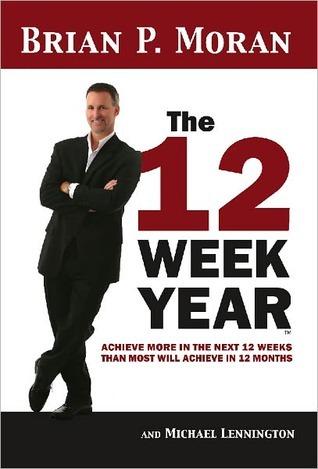
“The 12 Week Year” by Brian P. Moran and Michael Lennington challenges the traditional annual planning cycle and invites readers to compress their goals into concentrated 12-week blocks. Moran and Lennington argue that lengthy, year-long plans breed complacency and delay. By focusing on a shorter horizon, individuals and teams experience urgency daily, rather than once every twelve months. This shift reframes time from an abstract resource into an immediate driver of action.
At the heart of the approach lies a simple premise: treat each 12-week period as a standalone year. The authors explain that most of us operate with a false sense of security when January seems far away. We believe we have time to start later, postpone tasks, or coast when things feel comfortable. A 12-week span dissolves that illusion. Suddenly, every week, every day, and every moment counts.
Moran and Lennington lay out a step-by-step system. First, you craft a vision that spans professionally and personally. This vision fuels purpose but stays abstract. Next, you distill it into concrete goals for the next 12 weeks. You choose one or two critical objectives—the ones that will move the needle most. Overloading yourself with too many targets defeats the entire concept.
Once goals are clear, you build a tactical plan. Each week you identify the highest-impact actions required to inch closer to your targets. The authors recommend no more than three to five weekly tactics. That tight focus prevents diffusion of effort and keeps you committed. Each action has a due date, a measurable outcome, and an owner, even if that owner is you.
Execution is where many plans falter, so the book devotes significant attention to accountability. Moran and Lennington introduce the WAM Scorecard—Weekly Accountability Meetings powered by a rubric that grades performance. You track Weekly Execution Score through simple Yes or No indicators. These metrics aren’t for punishment; they’re for instantaneous feedback.
A core strength of the 12-week model lies in its regular review cycles. You don’t wait months to assess progress. Instead, you hold a weekly review. You celebrate wins, examine missed commitments, and adjust tactics. This rapid feedback loop allows you to course-correct before small issues become insurmountable obstacles.
Moran includes vivid anecdotes from entrepreneurs, sales teams, and athletes. One story follows a small business owner who doubled her monthly revenue within a single 12-week span. She credits unrelenting focus on two priorities: generating leads and nurturing client relationships. By shedding non-essential tasks, she supercharged her productivity.
The authors also introduce a behavior called Conquer Cycle. At the end of each 12-week period, you dedicate an entire week to reflection and renewal. You review what worked, what fell short, and why. You celebrate accomplishments and mourn failures. Then you reset, recharge, and begin a fresh 12-week plan with lessons firmly in hand.
Moran emphasizes the role of mindset in sustaining momentum. He warns against falling prey to “breakglass” moments—waiting to start until conditions feel perfect. Instead, you cultivate discipline and embrace discomfort. You train yourself to start strong on day one and maintain intensity until week twelve’s close.
Balancing personal life with professional aspirations also features prominently. The authors stress that your vision must include health, relationships, and learning. You allocate time blocks for exercise, family dinners, and reading. Those non-work blocks become sacred appointments, not afterthoughts squeezed in between meetings.
To support sustained change, the book encourages peer accountability. You find a partner or small group to exchange scorecards weekly. That outside perspective keeps you honest and energized. It also fosters camaraderie as you tackle obstacles together and share best practices.
“The 12 Week Year” doesn’t ignore long-term strategy. It weaves the 12-week cycles into an annual rhythm of four “years.” Each cycle builds on the previous, enabling you to accumulate significant results over time. You avoid burnout by design, since each cycle ends with a deliberate recovery week.
Technology integrates seamlessly into the system. Whether you use spreadsheets, apps, or a simple notebook, the mechanics remain the same. The authors provide templates for goal setting, weekly planning, and scorecards you can adapt. They remind readers that tools support behavior, but they don’t replace it.
By the end of the book, readers have a clear blueprint: set bold 12-week goals, map out critical tactics, track performance weekly, and review outcomes with honesty. You develop a habit of relentless execution and introspection. Over time, this tight feedback loop produces breakthrough results that many mistake for luck.
Ultimately, “The 12 Week Year” redefines productivity. It urges you to abandon the fleeting promise of resolutions and instead harness the power of urgency. By living in 12-week cycles, you realize that every day is a chance to win. And when you win consistently, you transform not just your calendar, but your life.
Detailed Summary
Key Takeaways
1. Embrace a 12-Week Horizon
“The real magic happens when you shorten the timeframe for results.”
Compressing Time for Focus: Most plans stretch over twelve months. We set lofty goals yet lose energy by midyear. The authors argue that a full year often dilutes urgency. Shifting to a 12-week cycle amps up focus and drives action.
In this model, each 12-week block stands on its own. You craft a vision, map key tactics, and commit to weekly goals. You track progress daily. That sense of short-term accountability stokes motivation. It forces timely decisions and fierce execution—no more kicking priorities down the road.
Building Urgency and Momentum: When organizations adopt 12-week cycles, they report faster results. Teams rally around tighter deadlines and clear targets. Because you measure success every quarter, you spot issues early and pivot before they balloon.
On a personal level, the 12-week horizon combats overwhelm. You break big dreams into bite-sized sprints. You stay engaged and energized. Over time, you develop the habit of consistent execution, making you more reliable and effective.
Key points:
- Creates a strong sense of urgency
- Breaks annual inertia into manageable chunks
- Encourages frequent course-corrections
- Fosters momentum through rapid wins
- Reduces procrastination by tightening deadlines
2. Define Your Vision with Clarity
“A clear vision energizes you to overcome obstacles.”
Vision Anchors Strategy: Vision isn’t fluff. It’s your north star. The authors insist you craft a vivid image of success. Detail how your life or business looks when you hit your targets. Include metrics and feelings.
This concrete vision taps into emotion. It fuels perseverance when tasks get tough. You’ll return to it daily to remind yourself why you grind through the work. That connection bridges the gap between daily tasks and long-term aspirations.
Aligning Actions to Purpose: Teams with shared vision outperform those chasing isolated targets. Everyone understands why they do what they do. That alignment boosts engagement and cuts wasted efforts.
On an individual level, a clear vision helps you choose the right 12-week goals. You avoid distractions that don’t serve your bigger dreams. Over weeks, your daily work compounds toward the end-state you vividly described.
Key points:
- Creates emotional buy-in
- Guides goal-setting and tactics
- Aligns team and individual efforts
- Prevents mission drift
- Sustains motivation through challenges
3. Execute Through Weekly Plans
“Your week is the bridge between strategy and results.”
Weekly Planning as Execution Engine: Long-term goals falter when not backed by weekly action. The book highlights a simple tool: the Weekly Plan. Every week, you list key tactics tied to your 12-week goals.
You block time for those tactics and track completion. This habit ensures strategy never floats above daily work. It connects vision to to-dos, giving you control over progress and pumping up accountability.
Turning Intentions into Habits: Organizations that insist on weekly plans see clearer priorities and less reactivity. Teams know exactly what matters each Monday. They allocate resources intentionally rather than firefighting.
Individually, you learn discipline and consistency. You develop a rhythm of planning and reviewing. That cycle strengthens your ability to stick to high-impact activities and drop lower-value work.
Key points:
- Establishes concrete weekly targets
- Aligns daily tasks with overarching goals
- Reduces reactive work by prioritizing
- Builds planning and review habits
- Boosts consistency in execution
4. Measure What Matters with Scorekeeping
“What gets measured gets done.”
Tracking Key Metrics: You need visible proof of progress. The authors introduce Scorekeeping: a simple scoreboard for your weekly and daily goals. You mark each tactic as complete or not, then calculate a weekly score.
This immediate feedback highlights where you excel and where you lag. You stop guessing. Instead, you hold yourself to clear standards. That layer of accountability drives sharper focus on the actions that truly move the needle.
Creating a Culture of Accountability: In companies that adopt scorekeeping, transparency skyrockets. Teams openly discuss their scores in weekly meetings. They celebrate wins and own shortfalls without blame.
On a personal front, the scoreboard keeps you honest. You can’t fudge progress. Over time, your daily discipline improves. You take ownership of your outcomes and learn where to sharpen your approach.
Key points:
- Provides objective progress data
- Highlights performance gaps quickly
- Encourages open team discussions
- Drives individual ownership
- Promotes continuous improvement
5. Cultivate Commitment and Ownership
“Execution is about commitment, not just planning.”
From Plans to Pledges: Many set goals but few commit to them fully. The text stresses formal commitments: you publicly declare your targets, share them with a coach or team, and agree to mutual accountability.
That social contract deepens your resolve. When people check in on your score, you feel the weight of expectation. That pressure nudges you toward follow-through on daily choices and weekly tasks.
Strengthening Accountability Bonds: Teams that practice peer accountability see stronger trust and cohesion. They know each person shoulders real responsibility. That creates a safety net where members encourage and alert each other to impending risks.
Individually, you’ll find commitment rituals—like weekly check-ins—elevate your follow-through rate. You become less likely to skip tasks when you know a colleague or coach will ask for your score.
Key points:
- Formalizes goal declarations
- Builds peer and coach accountability
- Raises the cost of failure
- Strengthens team support networks
- Boosts individual resolve
6. Master Time Blocking for Focus
“Protect your time by scheduling what matters first.”
Intentional Time Management: You can’t let your calendar fill with other people’s demands. The authors advocate Time Blocking: you carve out uninterrupted slots for your highest-value tasks, called “Golden Hours.”
These time blocks stay sacred. You build boundaries—meeting policies, email rules, quiet spaces—so you dive deep into your most critical work. That cuts context-switching and elevates work quality in less time.
Elevating Productivity Through Boundaries: Organizations that respect blocked time see fewer pointless meetings. People schedule around focused work windows. That improves both speed and creativity.
Personally, dedicated blocks let you concentrate without the itch to multitask. You finish high-impact tasks faster and feel more accomplished each day. Over weeks, this habit becomes your secret weapon for moving key goals forward.
Key points:
- Schedules high-value work first
- Reduces context switches
- Establishes meeting boundaries
- Boosts deep-work capacity
- Enhances task completion speed
Future Outlook
The 12-week year challenges conventional annual planning. As more individuals and organizations adopt shorter horizons, we’ll see faster cycles of learning and innovation. Quarterly agility may become the new norm, replacing rigid annual budgets and roadmaps.
Coaches, leaders, and productivity platforms will integrate 12-week frameworks into their offerings. They’ll offer tools for vision crafting, weekly planning, and real-time scorekeeping. This shift could transform how we work, making us more adaptable and accountable.
On a personal level, the 12-week year fosters a lifelong habit of focused execution. As people achieve more in 12 weeks than they once did in 12 months, they’ll refine their discipline constantly. The ripple effect could redefine success in both careers and lives.







