
Summary
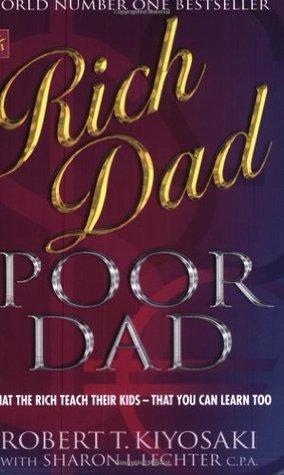
Robert T. Kiyosaki’s Rich Dad Poor Dad contrasts the financial lessons he learned from two father figures. His biological father—the “Poor Dad”—valued job security, a college degree, and living beneath his means. His friend’s father—the “Rich Dad”—taught him to think like an entrepreneur, embrace risks, and build assets that generate cash flow. These conflicting viewpoints set the stage for Kiyosaki’s exploration of wealth building.
As a boy in Hawaii, Kiyosaki admired his Poor Dad’s academic success and steady government job. Meanwhile, Rich Dad owned small businesses and understood how money worked. The author watched him buy properties, invest in franchises, and guide others into profitable ventures. Kiyosaki felt torn between these worlds, uncertain whether to follow his father’s cautious path or his mentor’s bold one.
Kiyosaki stresses that schools don’t teach financial literacy. He explains the difference between assets and liabilities. An asset puts money in your pocket: rental properties, stocks that pay dividends, or a business that requires little day-to-day involvement. A liability takes money out: a personal residence funded by a large mortgage, consumer debt, or costly hobbies. Most people confuse liabilities for assets, and that error keeps them trapped.
Early on, Rich Dad encouraged Kiyosaki to start small. He asked the boys to sell bubble gum and Coca-Cola door-to-door. They faced rejection, negotiated prices, and learned to spot demand. In that trial-and-error process, Kiyosaki realized that business skills mattered more than book smarts when it came to making money. He also saw how fear of failure can paralyze aspiring entrepreneurs.
Later, Rich Dad taught Kiyosaki about the power of corporations. He showed him how incorporating could shield personal assets from risk and lower taxes. Rich Dad advised reinvesting profits to grow the business rather than paying out all earnings as personal income. Through this structure, cash flow could multiply and shield the owner from certain liabilities.
Kiyosaki introduces the “Cashflow Quadrant” to categorize income sources. Employees earn wages, self-employed individuals work for themselves, business owners run systems, and investors make money from assets they did not manage daily. Only the last two quadrants yield the true scalable wealth Rich Dad prized. Most people remain stuck in the first two, trading time for money.
The author dives deeper into the mindset shift required to move quadrants. He warns against the “rat race” of living paycheck to paycheck. People buy liabilities—houses, cars, vacations—to showcase success, yet these purchases drain their finances. Instead, Kiyosaki urges readers to spend time learning market trends, understanding tax codes, and exploring opportunities that generate passive income.
Rich Dad also stressed that financial intelligence comes from experience rather than theory. Kiyosaki recounts attending seminars, reading balance sheets, and practicing with small deals. Success came when he learned to analyze real estate markets, negotiate terms, and juggle multiple properties. Mistakes happened—some deals tanked—but each loss taught lessons he couldn’t learn in a classroom.
One memorable chapter addresses overcoming fear and cynicism. Kiyosaki notes that fear of losing money stops most people from taking their first step. Yet Rich Dad insisted that the greatest risk lies in doing nothing. He pushed Kiyosaki to set clear goals, assemble a team of advisors, and take calculated risks. Gradually, the author’s confidence grew as his portfolio expanded.
Taxes and debt take center stage next. Kiyosaki argues that wealthy people use debt as leverage to acquire more assets. He distinguishes between good debt—borrowed funds used to buy income-generating assets—and bad debt, used to purchase depreciating items. By managing good debt wisely, investors can amplify returns while maintaining positive cash flow.
Kiyosaki also critiques the traditional path of working until retirement and relying on pensions or social security. He points out that longevity and healthcare costs threaten that model. Instead, building passive income streams early in life provides security and freedom. Readers learn how creating multiple streams—from royalties and rental income to dividends—secures their future.
The author dedicates a chapter to teaching children about money. He believes parents often pass along poor financial habits by example. Kiyosaki suggests engaging kids with real money lessons: giving them small sums to invest, encouraging them to start mini-businesses, and discussing basic accounting. By doing so, families can break the cycle of ignorance.
Rich Dad Poor Dad stresses taking action over endless planning. Kiyosaki challenges readers to read financial statements, network with investors, and begin small. He warns that fear, laziness, cynicism, and arrogance derail progress. Overcoming those internal obstacles sets the stage for capturing opportunities others overlook.
In closing, Kiyosaki reiterates that anyone can change their financial destiny. He urges taking control of money, learning consistently, and building a portfolio of productive assets. While formal education taught him to study hard and get a job, his Rich Dad taught him to buy assets and let those assets pay him. That lesson remains the heart of Rich Dad Poor Dad and its call to think differently about wealth.
By sharing personal stories, clear definitions, and practical steps, Kiyosaki offers a roadmap for readers to escape the rat race. He invites you to question conventional advice, embrace financial education, and take measured risks. Ultimately, the book’s message is simple: build assets, minimize liabilities, and let your money work for you rather than the other way around.
Detailed Summary
Key Takeaways
1. The Mindset of Assets and Liabilities
“An asset puts money in my pocket. A liability takes money out.”
Redefining Wealth: Kiyosaki challenges readers to rethink what they own. He shows that traditional possessions like houses or cars can drain your finances if they don’t generate income. He insists that true assets must produce cash flow, not just hold sentimental or resale value.
He contrasts this view with common advice—that buying a home is an investment. Instead, he calls many such purchases liabilities because they come with ongoing costs like maintenance, taxes, and insurance. By focusing on acquiring genuine assets, you can build passive income and achieve financial freedom.
Shifting Financial Decisions: This insight reshapes how people plan their budgets and investments. Rather than buying items that simply depreciate, readers start hunting for income-generating vehicles such as rental properties, dividend stocks, or small businesses. Over time, this shift can reduce reliance on paychecks and increase financial resilience.
Historically, middle-class families became trapped in a cycle of earning and spending. Kiyosaki’s asset-liability framework breaks that cycle. It encourages a long-term mindset where money works for you. As more individuals adopt this view, we could see a gradual change in consumer culture—one where building wealth matters more than showing it off.
Key points:
- Assets generate cash flow
- Liabilities create ongoing expenses
- Homeownership isn’t always an asset
- Focus on income-producing investments
- Shift spending toward wealth building
2. The Importance of Financial Education
“The greatest asset you can own is your mind.”
Learning to Learn About Money: Kiyosaki argues that formal schooling often neglects money management. He urges readers to educate themselves about taxes, investing, and the law. He calls this knowledge ‘financial literacy’—a skill set that anyone can develop with time and effort.
He emphasizes practical lessons over theory. For instance, he suggests tracking your cash flow, reading financial statements, and understanding how corporations use debt and leverage. This hands-on approach equips you to spot opportunities that others might overlook.
Empowering Financial Choices: Improved financial literacy leads to smarter decisions. People learn to optimize their tax obligations, structure deals, and avoid bad debt. Over decades, these small gains compound, vastly increasing one’s net worth.
On a societal scale, widespread financial education can reduce inequality. When more citizens grasp the basics of investing and saving, they’re less vulnerable to scams and predatory lending. In time, communities could experience higher rates of entrepreneurship and shared prosperity.
Key points:
- Schools ignore money skills
- Study taxes, law, and investing
- Track cash flow religiously
- Read balance sheets
- Practice with small investments
3. Working to Learn, Not to Earn
“You must know the difference between working to learn and working for money.”
Skill Over Salary: Rather than chasing a big paycheck, Kiyosaki encourages seeking jobs that teach valuable skills. He shares his own journey—working in sales and bookkeeping to understand how money flows through businesses. This learning prepares you for running your own ventures later.
He contrasts this with the typical career ladder—where people climb for higher titles and raises. That path can leave you debt-bound and dependent on a paycheck. A learning-first attitude builds capabilities that pay off far beyond any one job.
Building Versatile Careers: A focus on learning opens doors. You might gain negotiation, leadership, or marketing skills that let you pivot when industries shift. That versatility reduces career risk and boosts long-term earnings potential.
In the broader economy, workers with diverse skills foster innovation. They start companies, advise nonprofits, or consult across sectors. Their contributions can spur new markets and drive sustainable growth.
Key points:
- Seek jobs that teach skills
- Don’t focus only on salary
- Gain sales, management, or technical know-how
- Apply lessons to your own ventures
- Turn experience into opportunities
4. Overcoming Fear and Taking Risks
“The fear of losing money is real. But it doesn’t have to control you.”
Managing Emotional Blocks: Kiyosaki dives into the emotional barriers that hold people back. He tracks how fear and cynicism stop individuals from investing. He shows that these feelings can be tempered through small, calculated risks and learning from failure.
He illustrates with anecdotes—like buying the first rental unit despite trembling hands. By starting small, you build confidence. You learn that losses can teach more than wins, and that a controlled gamble often beats endless caution.
Cultivating Resilience: Learning to face financial fears leads to bolder decisions. Entrepreneurs launch ventures, investors back startups, and professional careers benefit from calculated risks. This cycle creates wealth and breakthroughs.
When more people embrace smart risk-taking, economies gain momentum. New businesses form, jobs appear, and innovation accelerates. Society reaps the rewards of collective boldness matched with prudent oversight.
Key points:
- Identify fears early
- Start with small investments
- Learn from mistakes
- Balance risk and reward
- Build confidence over time
5. The Power of Corporations
“Corporations pay their employees first, then the government. They use the law and taxes to their advantage.”
Understanding Corporate Advantage: Kiyosaki explains how corporations shield income from high tax rates. He lays out the tax code—showing that companies write off expenses before paying taxes. This structure leaves more profit in corporate hands compared to individual earnings.
He advises leaping from employee to business owner. By setting up corporations, you can funnel personal expenses through the company, reduce taxable income, and protect assets from lawsuits.
Shifting the Balance of Power: This knowledge reshapes how individuals structure their enterprises. More small businesses adopt corporate forms, boosting after-tax income and reinvestment potential. Those funds fuel growth, hiring, and dividends.
At a policy level, widespread corporate literacy might prompt tax reforms. Lawmakers could close loopholes or redesign incentives. Either way, the debate pushes toward a fairer balance between individuals and companies.
Key points:
- Learn corporate tax breaks
- Set up LLCs or corps
- Write off business expenses
- Protect assets legally
- Reinvest corporate profits
6. Making Money Work for You
“Don’t work for money; have money work for you.”
Shifting Roles: This phrase encapsulates the book’s core promise. Rather than trading time for dollars, you build streams that pay you while you sleep. Kiyosaki shows how dividends, rental income, and royalties let cash flow past your active effort.
He outlines steps: save capital, research opportunities, deploy funds, and monitor performance. Over time, your asset base grows and requires less hands-on management. You become an investor instead of an employee.
Realizing Financial Freedom: Once passive income exceeds living expenses, you achieve freedom. You choose work you love, volunteer, travel, or start new projects. You’re no longer bound by payroll cycles.
As more individuals reach this state, they innovate in education, healthcare, and community development. They support causes, mentor others, and drive social good without seeking paychecks.
Key points:
- Build passive income streams
- Invest in stocks and real estate
- Reinvest returns
- Aim for income > expenses
- Enjoy freedom of choice
Future Outlook
Rich Dad Poor Dad’s lessons will echo in the years ahead as more people seek financial independence. Entrepreneurs and investors will embrace its asset-liability mindset to power new ventures, from green energy startups to online platforms. As digital finance tools spread, even novice investors can apply Kiyosaki’s principles on smaller scales.
Global economies stand to benefit. When citizens understand money, they make wiser policy demands. Governments may shift from taxing labor to incentivizing investment and innovation. That could spur sustainable growth and broader wealth distribution.
On a personal level, rising financial literacy can reshape family dynamics. Parents will teach kids about cash flow, not just saving. Kids will graduate with real-world money skills instead of student-debt burdens. Over time, we might see entire generations empowered to create wealth and share it for social impact.







