
Summary
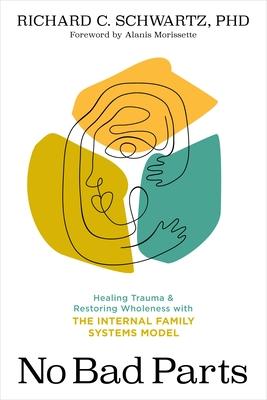
No Bad Parts, by Richard Schwartz, introduces readers to Internal Family Systems (IFS), a therapeutic approach that sees the mind as a community of distinct parts. Schwartz argues that every part holds positive intentions, even when its actions feel destructive. He frames the true self—calm, curious, compassionate—as the natural leader meant to guide these parts toward harmony.
Schwartz recounts how he developed IFS while treating complex trauma. He noticed that patients often described conflicting inner voices. One part might berate them for being lazy, while another wept with hidden grief. By engaging these voices separately, he uncovered an orderly system rather than chaos.
Central to IFS is the idea of Self energy. When clients learn to connect with their Self, they tap into qualities like confidence and empathy. Self leads by listening and respecting each part’s role. As trust builds, parts feel safe enough to reveal their burdens, and healing begins.
Parts fall into three broad categories: managers, firefighters, and exiles. Managers work ahead, trying to prevent pain by controlling behavior. Firefighters jump in when exiles’ memories burst forth, using distractions like overeating or substance use. Exiles carry overwhelming emotions from past wounds and stay hidden to avoid triggering the other parts.
Managers guard daily life. They nag you about perfection, plan every detail, and show up as inner critics or worriers. Though exhausting, they argued long ago that only strict control would protect the system. Managers tend to block exiles’ feelings entirely. They push tasks and responsibilities far beyond what might feel realistic or fair.
Firefighters, by contrast, swipe in when exiles spring their painful memories. They seek relief in chaos: binge drinking, impulsive spending, or frantic work sprees. A firefighter might light up a cigarette the moment sadness wells up. They don’t care if the coping hurts you later; in the moment, they save you from unbearable anguish.
Healing in IFS starts with unblending. Clients learn to step back from parts and notice them without judgment. For instance, you might say, “I see you, anxious part, and I appreciate you keeping me safe.” Naming and acknowledging a part often softens its intensity. That simple act can transform an enraged manager into a curious ally.
Once a part feels heard, the Self approaches with compassion. The Self might ask an exile, “What memory are you holding?” or reassure an overworking manager, “You don’t have to do this alone.” Through patient dialogue, parts begin to trust the Self and release extreme roles. They no longer need to carry burdens on their own.
Schwartz illustrates the process with an example of a man who blamed himself relentlessly whenever he made a mistake at work. Initially, the inner critic screamed nonstop. In IFS sessions, he and his therapist welcomed the critic, learning its fear that any mistake would lead to total failure. When the critic felt seen, it shifted from an unrelenting bully into a cautious advisor.
Another case features a woman plagued by shame from childhood neglect. Her exile part felt unworthy and submerged her in depression. As the therapist guided her into Self, she discovered that this exile also protected her from deeper trauma. With gentle curiosity, she let the exile tell its story. Over time, shame loosened its grip and the woman reclaimed joy.
Through these examples, Schwartz emphasizes that no part is inherently bad. A part’s extreme role formed out of love long ago, in a context that simply overwhelmed it. By listening, we untangle that love from the unhelpful behaviors that followed.
Schwartz also shows how to apply IFS outside therapy. You might journal dialogues with parts, draw them as characters, or quietly ask your anxious part how it manages stress during the day. These practices help moments of Self leadership flourish wherever you go.
In relationships, IFS offers a map for empathy. When a partner’s anger flares, you can connect with your Self and inquire about the part it triggered. Instead of reacting defensively, you listen: “I hear your anger. What else do you need right now?” That shift often diffuses conflict faster than any logic could.
By the end of No Bad Parts, readers see that healing depends on accepting every piece of ourselves. Schwartz invites us to lead from our Self, creating inner unity and resilience. As parts learn they’re welcome and understood, they settle into fulfilling roles rather than extremes.
Ultimately, IFS reveals a simple but profound truth: when we welcome all our parts, we discover wholeness. Healing happens not by banishing unwanted aspects but by embracing them with compassion—and guiding them toward balance under the wise, caring leadership of the Self.
Detailed Summary
Key Takeaways
1. Multiplicity of the Mind
“Your mind is not a single voice but a community of vivid subpersonalities.”
Understanding Inner Parts: Schwartz shows that each person hosts a range of inner “parts,” each with its own feelings and beliefs. These parts emerge from experience, coping with challenges or protecting you from harm. They carry memories, desires, and fears that shape how you respond to life’s ups and downs.
He urges you to meet these parts with curiosity instead of judgment. By noticing their unique roles—like an anxious part warning of danger or a critic part pointing out mistakes—you start to see your mind as a dynamic system. Recognizing this complexity brings clarity to internal conflicts.
Shifting Therapy and Self-View: This insight reframes mental health treatment. Rather than suppressing unwanted thoughts, therapists guide clients to dialogue with their parts. This approach spares people from feeling flawed and encourages self-compassion. Over time, many report less anxiety, fewer self-critical urges, and increased emotional resilience.
At a broader level, this model reshapes how society views mental wellness. It shifts stigma away from labeling someone “broken.” Instead, we recognize that inner struggles often arise from protective parts doing their best under stress. That reframing makes it easier to ask for help and to support others in therapy.
Key points:
- Mind hosts multiple subpersonalities
- Each part has distinct memories and roles
- Internal conflict reflects parts in opposition
- Therapy focuses on dialogue with parts
- Leads to self-compassion and resilience
2. The Core Self
“Inside all of us lives a calm, curious, compassionate Self.”
Central Seat of Leadership: Schwartz introduces the Self as an inner presence marked by calm clarity. This Self remains unaffected by the ups and downs of emotions. When you shift into Self, you observe parts without fear or judgment. You move from being overwhelmed by a part to leading it with kindness.
He describes eight qualities of Self—such as compassion, clarity, curiosity, and confidence. Together, they form a stable foundation. By inviting parts to join Self in conversation, you allow them to relax and release burdens they have carried for years.
Empowering Inner Harmony: This framework empowers individuals to become their own healers. When Self leads, parts feel safe to express their concerns. They share hidden beliefs that once caused distress. With that release, their extreme behaviors—like excessive worry or self-criticism—subside.
In clinical practice, therapists train clients to find Self in meditation or guided imagery. Once clients learn to access Self, they report a stronger sense of agency. They no longer feel controlled by intrusive thoughts or emotional storms. This self-led approach scales into everyday life, improving decision-making and relationships.
Key points:
- Self is a calm, compassionate observer
- Has eight key qualities
- Leads parts safely
- Reduces extreme part behaviors
- Boosts personal agency
3. Unburdening Trauma
“When parts release their pain, healing moves through the whole system.”
Letting Go of Painful Memories: Schwartz shows that many parts carry burdens of past trauma—like shame, anger, or fear. These burdens weigh parts down and trigger reactive behaviors. Unburdening means guiding a part to release its painful belief or memory. You invite the part to choose a new intention that serves your well-being.
He offers step-by-step exercises. First, you locate a part and its burden. Next, you access Self and ask the part what it wants to release. Finally, you symbolically let the burden go—often through imagery or ritual. Parts emerge lighter, more flexible, and better integrated.
Transforming Trauma Care: This method offers an alternative to exposure-based therapies. Rather than reliving trauma over and over, clients transform the meaning of painful memories. Many find fewer flashbacks and less avoidance. They reclaim parts that once locked them in fear.
Communities also benefit. When people move beyond reactive survival modes, they relate more openly. Families reconnect as members learn to carry less collective shame. Workplaces notice improved emotional intelligence and teamwork among staff who practice unburdening.
Key points:
- Parts hold trauma burdens
- Unburdening releases painful beliefs
- Involves guided self-leadership
- Reduces flashbacks and avoidance
- Fosters emotional integration
4. Internal Collaboration
“Healing happens when parts learn to cooperate under Self’s guidance.”
Building an Inner Council: Rather than battling, parts learn to collaborate. Schwartz likens the process to forming an inner council chaired by Self. Each part speaks in turn. You listen to its needs, fears, and goals. Then Self mediates so they find common ground.
Over repeated sessions, parts develop respect for one another. They agree on new ways to protect you that are healthier. A part that once prompted overeating might support balanced meals instead. A critical part shifts into an ally that points out strengths.
Lasting Behavioral Change: This collaborative model underpins long-term growth. Habits rooted in entrenched parts become negotiable. Once parts trust Self, they trade old coping tactics for healthier ones. That change sticks, because parts feel heard and valued.
Schools and businesses have begun teaching teamwork lessons based on this model. Teams mirror inner parts: diverse voices must align under shared leadership. Groups report better conflict resolution and innovation when they apply inner council principles to external teams.
Key points:
- Parts form an inner council
- Self mediates their dialogue
- Fosters mutual respect
- Enables practical behavior shifts
- Inspires teamwork in groups
5. Self-Compassion over Self-Criticism
“The worst enemy you meet inside is a part that tries to shame you.”
Turning Shame into Support: Schwartz identifies a common inner critic part. It fights to keep you safe by pointing out mistakes and weaknesses. Sadly, that part fuels shame and lowers confidence. By meeting it with Self compassion, you calm its fear and find its deeper purpose—often protection against social rejection.
When you thank the inner critic for its service and offer it a gentler role, it typically relaxes. Over time, it shifts from shamey remarks to supportive reminders. You still improve, but without the guilt trip.
Reducing Anxiety and Depression: Cultivating self-compassion transforms mental health outcomes. Clients who practice this method report fewer depressive thoughts and less social anxiety. They internalize a voice of encouragement rather than harsh judgment.
Educational systems create programs to replace negative self-talk with compassionate self-leadership. Students show higher motivation and resilience under pressure. Society at large benefits when people treat themselves kindly and extend that attitude toward others.
Key points:
- Inner critic fuels shame
- Self-compassion calms protective intent
- Critic morphs into ally
- Lowers anxiety and depression
- Boosts motivation
6. Practical Exercises for Everyday Life
“Gently check in with your parts every day, and notice what wants to speak.”
Integrating Parts in Routine: Schwartz offers short daily check-ins. You pause, take a few breaths, and invite parts to share thoughts or feelings. This practice becomes a habit. You spot stressed parts early and soothe them before they hijack your mood.
He also suggests journaling dialogues or simple imagery exercises at bedtime. Over time, you gain a clear map of your inner system. You keep parts in balance and head off conflicts before they escalate.
Widespread Well-Being: These user-friendly tools spread rapidly outside therapy. Managers teach quick team check-ins based on the same steps. Employees feel heard and stay calmer in crises. Families use short rituals to resolve arguments with kids or partners.
As more people adopt these habits, emotional literacy grows in communities. People learn to name parts and empathize with inner experiences. That empathy fuels kinder interactions, and a shared language of healing emerges.
Key points:
- Daily part check-ins
- Breathing and journaling exercises
- Creates inner map over time
- Adopted by teams and families
- Boosts emotional literacy
Future Outlook
Schwartz’s No Bad Parts charts a course for self-led healing that blends psychology, mindfulness, and compassion. As research grows, we’ll see more rigorous studies validating IFS outcomes. Clinicians will refine these methods for trauma, addiction, and chronic pain. Insurance companies may cover IFS work as evidence accumulates.
Meanwhile, technology could offer guided IFS apps. Virtual Self-led conversations might help people in remote areas access relief. Educational systems will weave part-awareness into social-emotional learning, strengthening the next generation’s resilience.
On a societal level, adopting a parts-based mindset can reshape how we view conflict. Governments and communities might use inner council models to mediate social divides. If we can listen compassionately to ourselves, perhaps we’ll learn to listen to each other.







