
Summary
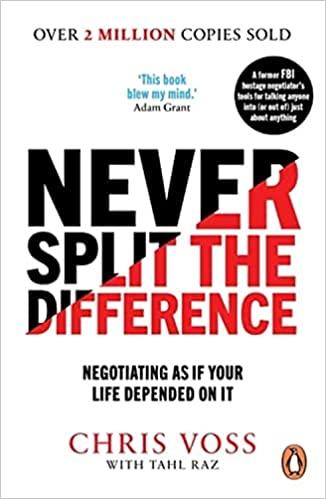
Never Split the Difference, by former FBI hostage negotiator Chris Voss with journalist Tahl Raz, offers a fresh approach to bargaining that treats every negotiation as a high-stakes encounter. Voss draws on decades of field experience, translating lessons from the world of international kidnappings into practical tools for business deals, salary talks, and everyday disputes.
Voss begins by underlining the importance of emotional intelligence. He rejects the idea that logic and reason alone seal deals. Instead, he shows that tuning into your counterpart’s feelings creates trust. He calls this practice "tactical empathy," a way to step into another person’s world and see things through their eyes before making your own pitch.
A key tactic Voss introduces is mirroring. By repeating the last few words your counterpart says in an inquisitive tone, you subtly prompt them to expand on their thoughts. A simple mirror can disarm tension and draw out otherwise hidden concerns. It feels natural and puts the other side at ease because people instinctively want to clarify themselves.
Labeling follows mirroring as a way to acknowledge emotions. You name what you sense—“It sounds like you’re frustrated by the timeline,” for instance—and then stay silent. This quiet nudge encourages confirmation and reveals deeper motivations. Voss stresses that you don’t lie about feelings; you only make educated guesses, then let the other person correct or confirm your label.
Voss also tackles the fear of hearing “no.” He argues that a “no” is often just a request for more information or a way for people to protect their autonomy. Once you shift your mindset to see “no” as a door rather than a wall, you can ask calibrated questions that gently guide your counterpart toward solving your challenge. Questions beginning with “what” or “how” can prompt them to open up and collaborate.
One memorable exercise involves getting the other side to say “how am I supposed to do that?” This loaded question forces them to engage with your constraints. It turns the negotiation from an argument into a joint problem-solving session. And it makes them part of the solution rather than a stubborn obstacle.
When you sense pushback, use the late-night FM DJ voice—a calm, slow, reassuring tone. It lowers defenses and shows confidence without aggression. Voss explains that matching your tone to the emotional tenor of the exchange can prevent misunderstandings and keep the conversation moving forward.
In high-stakes dealings, Voss recommends the Ackerman model for bargaining. You set an ambitious target price, make calculated calibrated offers at 65, 85, 95, then 100 percent of that goal. Along the way, you pepper the process with labels and empathy to maintain goodwill. You also add a nonmonetary item at the end to sweeten the package, giving the other side the illusion of victory.
Voss devotes a chapter to uncovering the “Black Swans”: those small pieces of information that, once revealed, change everything. They’re rarely obvious and often hidden behind social niceties. You can fish them out with active listening, by testing assumptions, and by observing behavioral cues like tone of voice and word choice.
Throughout the book, Voss stresses the importance of calibrated questions and pauses. He shows that the moments of silence after you ask a question can be as powerful as the words themselves. People feel compelled to fill the void, often volunteering key insights or concessions.
Voss counters common myths too. He warns against splitting the difference, arguing that it often leaves both sides feeling unsatisfied. Instead, he helps readers aim higher and craft creative solutions that meet deeper needs on both sides. He says that impatience kills deals; slowing down and listening wins them.
He also illustrates each principle with real-world examples—from tense hostage standoffs to boardroom showdowns. These vivid anecdotes bring the tactics to life and prove they work under extreme pressure. They also underscore that negotiation is a skill anyone can learn, not a talent reserved for the bold or ruthless.
In business contexts, readers learn to negotiate salaries, vendor agreements, and partnerships with less stress and better outcomes. Voss demonstrates how to apply labeling and calibrated questions to uncover budget limits and hidden agendas. You come away armed with tools to influence decisions without resorting to manipulation or force.
On a personal level, the techniques help resolve disputes with friends, family, and neighbors. By practicing tactical empathy, you defuse conflicts and build stronger connections. You learn to recognize when emotions drive behavior and how to steer them toward positive resolutions.
In the end, Never Split the Difference reshapes how we think about negotiation. It’s not about winning at all costs but about understanding human nature and forging agreements that respect everyone’s needs. Voss leaves you with one final insight: every conversation is a chance to negotiate. Whether you’re asking for a raise or convincing a friend to pick a restaurant, these lessons could make all the difference—perhaps even save a life.
Detailed Summary
Key Takeaways
1. Tactical Empathy
“Tactical empathy is understanding the feelings and mindset of another in the moment and also hearing what is behind those feelings so you increase your influence in all the moments that follow.”
Understanding Before Influencing: Tactical empathy means you step into someone else’s shoes without judging. You listen for their emotions and intentions, both spoken and unspoken. This skill involves more than nodding along. You mirror their language and tone while identifying their core concerns. This way, you do not just hear words; you sense the story behind them.
By acknowledging another person’s perspective, you lower their defenses. They feel seen and safe to open up. In a negotiation, that can turn zero-sum stances into collaborative problem-solving. You guide the conversation rather than forcing your agenda. The result feels natural and respectful.
Building Trust and Breaking Barriers: When negotiators show tactical empathy, the other side often reciprocates. This shared goodwill helps dissolve hostility. It can turn a tense standoff into a constructive dialogue. Business deals, hostage talks, or salary discussions all benefit when both parties feel heard.
Tactical empathy also helps you predict reactions. By mapping emotional triggers, you avoid blind spots. You sense objections before they erupt. In practice, this reduces surprises and builds confidence on both sides. The real power lies in creating rapport that lasts beyond a single conversation.
Key points:
- Step into the counterpart’s emotional world
- Acknowledge feelings to lower defenses
- Listen for both spoken words and hidden meanings
- Use empathy to guide, not manipulate
- Build sustainable rapport for future talks
2. Mirroring
“Mirroring is identified by repeating the last three words (or the critical one to three words) of your counterpart’s sentence.”
Subtle Coordinated Reflection: Mirroring involves echoing your counterpart’s words back to them. You pick their final few words and repeat them with a questioning tone. This small act encourages them to expand on their thoughts. It signals that you pay attention, and it feels natural rather than rehearsed.
Once you mirror, silence follows. That pause tempts the other person to fill the gap. They offer more information, often revealing desires or fears. When you mirror effectively, you gather intelligence without asking direct questions. It feels collaborative and nonconfrontational.
Encouraging Deeper Engagement: Mirroring can break through guarded answers. In business meetings, it uncovers hidden objections. In crisis talks, it reveals underlying motivations. Each mirrored repetition nudges the counterpart to clarify, which reveals valuable leverage points.
Skilled negotiators use mirroring to collect data. They avoid making assumptions. Instead, they hear the full story before crafting a solution. Over time, this approach fosters an atmosphere of mutual respect. People talk openly when they feel truly understood.
Key points:
- Repeat the last few words with a questioning tone
- Use silence to prompt elaboration
- Uncover hidden concerns without direct probing
- Build rapport through attentive listening
- Gain intel to shape better proposals
3. Labeling Emotions
“Labeling is acknowledging and naming your counterpart’s emotion.”
Naming to Tame: When you label an emotion, you give it a name: “It seems like you’re frustrated.” This simple act shows you notice and respect the feeling. It calms the emotional surge that might otherwise derail the talk. It also tests whether you understand correctly, since they often confirm or correct your label.
Labels remove the mystery. They detach emotions from identity, making them easier to manage. When someone hears their friction captured in words, they feel validated. That validation eases tension. It clears the path for more rational discussion.
Soothing Tension and Redirecting Focus: In tense negotiations, poorly managed anger can kill a deal. Labeling reduces that heat. People feel less threatened when someone else names their feelings fairly. Once emotions settle, both parties can refocus on the problem.
Labeling also builds trust. It positions you as an ally rather than an adversary. You share the burden of emotion instead of denying or exploiting it. That trust can steer negotiations through choppy waters to satisfactory outcomes.
Key points:
- Name the emotion you observe
- Validate feelings to reduce escalation
- Invite confirmation or correction
- Shift focus back to problem-solving
- Foster trust through acknowledgment
4. The Accusation Audit
“List every terrible thing the other side could say about you, and label it before they do.”
Preemptive Disarmament: In an accusation audit, you call out potential complaints upfront: “You probably think I undervalue this issue.” By airing negatives first, you neutralize their sting. The other side knows you see it coming. That honesty disarms suspicion and frustration.
This technique relies on humility. You admit flaws before they become ammunition. When you own your weaknesses, you appear credible. Negotiators then focus on solutions instead of dwelling on blame.
Defusing Criticism and Gaining Credibility: By acknowledging objections before they arise, you steer the conversation away from defense. It creates a safe space for candid dialogue. The counterpart feels less need to attack. Instead, they dive into constructive problem-solving.
The audit also sharpens your offer. It highlights weaknesses you must address. You can adjust terms or provide extra context. In high-stakes talks, this level of transparency sets the tone for genuine cooperation.
Key points:
- List all potential complaints
- Label negatives before they arise
- Show humility and credibility
- Steer talk away from blame
- Encourage collaborative solutions
5. Calibrated Questions
“How am I supposed to do that?”
Guided Problem-Solving: Calibrated questions start with “what” or “how.” They push your counterpart to solve your problem. By asking “How am I supposed to meet that deadline?” you force them to consider options. You avoid yes/no traps and open the floor to new ideas.
These questions feel consultative. They shift ownership of the solution to the other side. They also slow the pace. Instead of rapid-fire demands, you create a thoughtful discussion. That yields creative and durable agreements.
Redirecting Objections into Collaboration: When a negotiation stalls, a calibrated question revives it. You turn resistance into brainstorming. The other party becomes co-author of the outcome. They feel invested in implementing the answer they helped design.
Calibrated questions also reveal hidden constraints. You learn logistical or emotional barriers that matter. With that intel, you craft offers that actually work. In effect, you transform adversaries into allies.
Key points:
- Ask “what” or “how” rather than yes/no
- Push the counterpart to propose solutions
- Slow the exchange for deeper thought
- Uncover hidden constraints
- Foster joint ownership of outcomes
6. The 7-38-55 Rule
“Only 7 percent of a message is based on words; 38 percent comes from tone of voice; and 55 percent from body language.”
Multichannel Communication: This rule highlights how much we rely on nonverbal cues. Your body language and tone often speak louder than your words. A confident posture makes you appear credible. A calm voice soothes tension. Recognizing these channels helps you control their impact.
In virtual talks, tone matters even more. Without face-to-face contact, vocal inflections carry extra weight. You must modulate pace, volume, and pitch. That way you convey strength, empathy, or urgency as needed.
Leveraging Nonverbal Signals: Skilled negotiators harness body language to reinforce their message. They maintain eye contact, use open postures, and mirror gestures subtly. All these cues build rapport without spoken agreement.
Tone management also reduces misinterpretation. A misread pitch can trigger defensiveness. By keeping your voice calm and steady, you maintain control of the emotional temperature. This lets you steer the negotiation smoothly.
Key points:
- Words carry only 7% of meaning
- Use tone to convey confidence or empathy
- Employ body language to reinforce your stance
- Mirror gestures to build rapport
- Adjust voice for clarity and calm
Future Outlook
As automation and AI reshape business landscapes, mastering human-centric tactics like those in this book will set negotiators apart. Technology can crunch numbers and propose deals, but it cannot replicate genuine empathy or emotional attunement. Professionals who blend data with tactical empathy will win harder contracts and stronger alliances.
In international diplomacy and conflict resolution, these tools promise de-escalation, even in high-stakes crises. Leaders trained in mirroring, labeling, and calibrated questions can defuse tensions before they spark violence. That approach points to a future where careful listening and emotional insight steer policy as much as economic leverage.
Ultimately, the lessons here extend beyond boardrooms and battlefields. They apply to everyday conversations—parenting, community work, and personal relationships. As we face a world that craves connection, knowing how to negotiate with empathy might turn disagreement into collaboration.







