
Summary
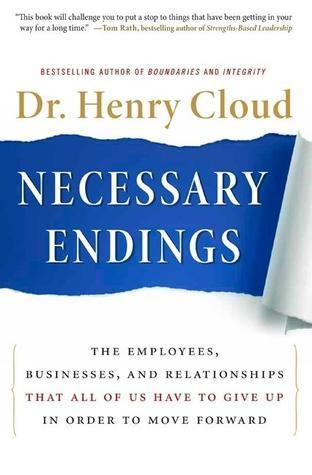
Necessary Endings, by Henry Cloud, explores why we sometimes have to let go of people, projects, and habits that no longer serve us. Cloud argues that endings are not just sad goodbyes but vital steps toward growth. He peppers his advice with real-world examples from business and personal life, showing both the pain and the relief that follow decisive endings.
Cloud begins by pointing out that most of us hate endings. We cling to struggling relationships or failing assignments long after they’ve turned toxic. He suggests we treat our commitments like plants: if they don’t grow, we prune them. Otherwise, they’ll choke out the healthy shoots around them. His gardening metaphor keeps things concrete, so you can see how cutting back here leads to new growth there.
To know when it’s time to end something, Cloud says we must face the brutal facts about reality. He encourages you to ask tough questions: Is this connection improving my life? Is this job still worth my energy? Not sugarcoating the truth allows you to make clear decisions. He shares a story of a CEO who ignored sinking sales for years before finally admitting the flagship product was obsolete.
Cloud then divides necessary endings into three types: pruning, divorcing, and grieving. Pruning covers small cuts, like stopping a weekly meeting that never yields results. Divorcing involves severing major ties, such as firing a toxic employee or breaking off a friendship that drains you. Grieving, he explains, addresses the emotional fallout that often follows cutting loose.
In the pruning phase, you identify low-impact tasks or relationships you can trim away without drama. Cloud advises listing your top five priorities and eliminating anything that doesn’t support them. He recounts a nonprofit leader who saved thousands of dollars—and months of volunteer hours—by canceling two committees that never met their goals.
Divorcing feels harsher. Cloud admits it usually triggers resistance. You might feel guilt or fear of conflict. To move forward, he recommends setting firm boundaries and sticking to them. He tells the story of a manager who calmly told a negative employee, “I appreciate your past work, but from today on, your attitude has to change or we’ll part ways.” That clarity prevented months of continued frustration.
After the split, you enter the grieving stage. Cloud stresses that letting go often brings sadness, anger, or regret. He urges you to acknowledge these emotions rather than shove them aside. Journaling, talking with a friend, or simply taking a quiet walk can help process loss. Only by grieving can you fully embrace what’s next.
Timing matters, too. Cloud warns against both rushing and dragging things out. End too soon, and you risk throwing away potential. Wait too long, and the damage deepens. He suggests creating a clear ending plan with milestones. For instance, you might tell a partner you need three weeks to decide before moving out if nothing improves.
Cloud also anticipates the inner saboteur that whispers, “What if I’m wrong?” He counters that indecision often costs more than a failed experiment. He shares a case where a startup spent six months debating a software pivot before finally pulling the plug—time they could have spent building something new.
Leading others through endings requires empathy. Cloud shows how to craft a caring message that states the facts without blame. He describes a teacher who told her class, “Our project hasn’t brought us where we hoped. We’ll close this chapter and start fresh next week.” By framing it as a collective step forward, she kept trust intact.
Once you remove toxic elements, space opens for fresh opportunities. Cloud compares it to clearing a crowded desk: suddenly you see the form for a new idea. He recounts a client who, after laying off a few underperformers, found time to innovate and doubled her company’s revenue the next year.
Cloud ends by stressing that necessary endings are not one-and-done. Life throws new challenges at every turn. He encourages you to build the habit of checking in regularly. Every quarter, ask yourself what’s thriving and what needs its chapter closed.
Throughout the book, Cloud balances tough love with compassion. He reminds you that endings hurt—but they don’t have to break you. They can set you free. By learning to end well, you cut away dead weight and make room for what really matters. In doing so, you give yourself permission to grow.
Necessary Endings leaves you with practical tools—lists to fill out, scripts to follow, questions to ask. It doesn’t sugarcoat the pain of letting go, but it shows you how to do it with grace. If you’ve ever held on too long to a bad situation, Cloud’s advice will help you find the courage to close that door and welcome new beginnings.
Detailed Summary
Key Takeaways
1. The Necessity of Ending Unproductive Relationships
"Not every relationship serves your growth; some must end for you to move forward."
Clearing the Path: Every relationship—whether personal, professional, or organizational—carries an implicit cost when it no longer contributes positively. Growth stalls when we cling to ties that drain energy, obscure vision, or perpetuate stagnation. Cloud argues that identifying these unproductive bonds is the first step toward renewal.
He urges readers to view endings not as failures but as strategic decisions that free up resources. By reframing an ending as a deliberate choice, you reclaim agency. This perspective shift helps you recognize when a relationship has outlived its usefulness and encourages action rather than avoidance.
Reallocating Resources for Growth: When leaders and individuals let go of draining relationships, they free time, attention, and emotional energy. This surplus can then channel into new partnerships, creative projects, or personal development. Organizations that practice this approach often see faster innovation and greater morale, as teams no longer feel bogged down by unproductive ties.
On a cultural level, normalizing necessary endings reduces stigma around separation. People stop viewing endings as taboo or shameful. Instead, they celebrate them as steps toward healthier networks and more aligned collaborations. Over time, this creates a workplace and social climate where continuous renewal becomes a shared value.
Key points:
- Recognize signs of stagnation in relationships
- Frame endings as strategic choices not failures
- Reclaim time and energy for productive pursuits
- Encourage open dialogue about when ties no longer serve
- Build a culture that supports healthy separation
2. Embracing Change Over Comfort
"You cannot keep doing what’s comfortable and expect to grow beyond your current limits."
Moving Beyond the Status Quo: Comfort zones feel safe but often hide hidden costs. Cloud emphasizes that sticking with the familiar can blindside individuals and organizations to emerging threats and opportunities. Growth demands stepping into uncertainty, which naturally feels uncomfortable.
He suggests a mindset shift: view discomfort as a signal for growth rather than a warning to retreat. By acknowledging the tension that comes with change, you prepare mentally for challenges ahead. This approach transforms fear into curiosity and opens pathways for innovation.
Sparking Innovation and Resilience: Embracing discomfort equips teams to adapt swiftly when market conditions shift. Organizations that intentionally push boundaries develop resilience. They don’t crumble when unexpected disruptions occur because they’ve practiced navigating uncertainty.
Individually, people who accept change build confidence in their ability to tackle new tasks. Over time, they cultivate a habit of continuous learning. They treat setbacks as experiments rather than disasters. This attitude ripples across teams, creating an environment that values exploration and rewards creative problem solving.
Key points:
- Identify comfort zones and their hidden costs
- Reinterpret discomfort as a growth indicator
- Encourage small experiments outside the familiar
- Build resilience through repeated exposure to change
- Foster a culture that prizes learning over comfort
3. Setting Clear Boundaries
"Boundaries define what you will and will not tolerate; they protect your priorities and purpose."
Defining Healthy Limits: Without boundaries, work and relationships can bleed into every corner of life. Cloud makes a compelling case that clarity about what you will accept is essential. Boundaries safeguard your time and energy, ensuring you devote resources only to pursuits aligned with your goals.
He outlines practical steps: articulate your limits in writing, communicate them to stakeholders, and enforce them consistently. This effort creates mutual understanding. People learn where to find you and, critically, where not to cross.
Preventing Burnout and Conflict: When teams respect clear boundaries, they experience less chronic stress. Employees understand expectations and avoid overcommitment. This clarity leads to healthier workloads and more sustainable performance. It also reduces conflicts caused by unmet or unclear demands.
On a larger scale, organizations with well-defined boundaries foster trust. People feel safe expressing needs and pushing back against unreasonable requests. As a result, decision-making becomes more transparent and collaborative. Boundaries thus support both individual well-being and collective productivity.
Key points:
- Write down your non-negotiables
- Communicate limits clearly to others
- Enforce boundaries with consistency
- Monitor adherence to avoid burnout
- Use boundaries to foster trust and clarity
4. The Role of Leadership in Necessary Endings
"Leaders who can end what no longer works build stronger, more agile teams."
Guiding Teams Through Change: Ending outdated strategies or roles often falls on leaders. Cloud stresses that effective leaders don’t shy away from tough conversations. They must diagnose what’s no longer serving their vision and then take decisive action to remove it.
Leaders set the tone by modeling healthy endings. When they address poor performance or obsolete processes candidly, they invite others to follow suit. This transparency reduces fear and ambiguity around change, helping teams embrace endings as part of growth.
Cultivating Accountability and Agility: Leaders who remove ineffective elements accelerate decision-making and foster accountability. Team members learn that mediocrity won’t linger and that contributions matter. This clarity enhances morale and drives higher standards.
Moreover, agility increases when leaders release old priorities promptly. Resource allocation becomes more nimble, and teams pivot faster in response to new data or market shifts. Over time, this approach builds an organizational culture that values learning, speed, and accountability.
Key points:
- Conduct honest performance reviews
- Model tough decisions to end unhelpful practices
- Encourage team input on what to discontinue
- Use data to guide ending decisions
- Reinforce accountability after endings
5. Overcoming Emotional Resistance
"Your heart will protest, but your mind must lead when endings are necessary."
Balancing Head and Heart: Endings trigger grief, guilt, or fear. Cloud acknowledges that emotions can cloud judgment. He offers strategies to navigate this resistance: pause to recognize feelings, then pivot to objective criteria. This balance ensures decisions align with long-term goals instead of short-term comfort.
He also recommends enlisting trusted colleagues or coaches to provide perspective. External input helps you stay grounded. When feelings run high, a neutral advisor can remind you why the ending is essential and keep the process on track.
Reducing Regret and Second-Guessing: By consciously separating emotions from decision criteria, you minimize the risk of reversal or hesitation. Teams that follow a structured approach to endings report fewer second thoughts and clearer commitments post-change.
On a personal level, managing emotional resistance leads to better mental health. You build confidence in your capacity to face hard choices. Over time, these skills translate into greater resilience, as you learn to process loss constructively and move forward.
Key points:
- Acknowledge emotions before deciding
- Use objective criteria to guide endings
- Seek external perspective for balance
- Anticipate grief and plan support
- Practice emotional resilience over time
6. Creating a Culture that Encourages Healthy Endings
"When everyone values renewal, endings become a routine part of progress."
Institutionalizing Renewal: Cloud argues that healthy endings scale when embedded in culture. He suggests establishing rituals—like quarterly reviews of projects and roles—to surface what’s obsolete. By making endings routine, you destigmatize them and reduce anxiety.
He also promotes storytelling. Teams share examples of successful endings and their positive aftermath. These narratives reinforce the value of letting go and help shift mindsets. Over time, people learn to spot ending opportunities and act without fear.
Sustaining Continuous Improvement: Organizations with a culture of renewal maintain a steady cycle of improvement. They avoid the pitfalls of complacency, and they reinvest resources strategically. This leads to higher innovation rates and better alignment with evolving goals.
Furthermore, employees in such cultures feel empowered. They understand that ending a project or role doesn’t carry a stigma but is a sign of insight. This sense of permission fosters initiative, as people bring ideas forward without worrying they’ll be trapped in outdated structures.
Key points:
- Hold regular reviews of roles and projects
- Share success stories of past endings
- Reward initiative to sunset ineffective work
- Embed renewal into performance metrics
- Train leaders to facilitate endings
Future Outlook
As industries evolve faster than ever, Cloud’s ideas gain urgency. Organizations that master necessary endings will outpace slower rivals. They’ll reallocate talent, capital, and ideas more efficiently. In turn, this fosters continuous innovation and adaptability in volatile markets.
On an individual level, people who practice healthy endings cultivate a growth mindset. They move through career stages with clarity, avoiding dead-end roles and relationships. This agility not only boosts personal fulfillment but also shapes a workforce ready for tomorrow’s challenges.
Lastly, as society grapples with rapid technological and social shifts, communities that normalize endings can handle disruption more gracefully. They’ll build resilient networks that welcome renewal rather than fear it. In doing so, they lay the groundwork for sustained collective progress.







