
Summary
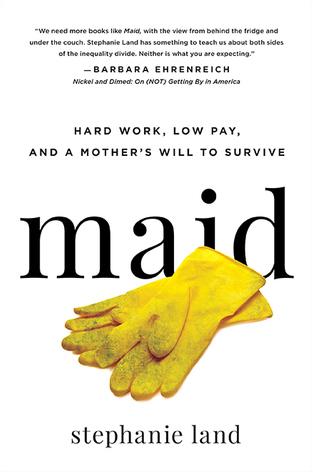
Maid: Hard Work, Low Pay, and a Mother’s Will to Survive by Stephanie Land recounts one woman’s struggle to escape poverty while raising a young daughter. Stephanie loses her partner, leaves an abusive home, and heads to a new state with nothing but hope. She arrives with no job, little money, and a baby in tow. Rental units cost too much, so she cycles through motels and shelters. Hunger, shame, and exhaustion become her daily companions.
To pay the bills, Stephanie takes the only work she can find: cleaning houses. She scrubs toilets, sweeps floors, and wipes away other people’s messes for barely minimum wage. Still, she tries to treat each job with pride and care. After a long day of labor, she arrives home to her daughter, Mia, and tries to be both mother and friend. She squeezes in bedtime storytime and lullabies even as her muscles ache.
Welfare and food stamps offer a fragile safety net. Every month, Stephanie juggles paperwork, interviews, and threatening notices. She worries that a single typo or missed appointment will cost her aid. She hides her shame at relying on public assistance. In her mind, she fears judgment from caseworkers and strangers alike.
Through it all, Mia’s laughter keeps Stephanie going. On weekends, they visit the library, splash in public fountains, or chase geese at the park. Those moments of normalcy remind Stephanie why she endures. She keeps a small journal of Mia’s first words and favorite songs. Each entry steels her resolve.
Stephanie’s employers vary widely. Some treat her kindly, tipping generously or leaving thank-you notes. Others barely make eye contact and expect perfection. One client hoards broken glass in a vase, then scolds her for dust on the shelves. Another dumps bags of dog hair in Stephanie’s car and refuses to pay for the extra mess. The inequity burns her.
Despite the heavy workload, Stephanie tries to study. She enrolls in community college courses at night and on weekends. She fights fatigue and self-doubt each step of the way. Her classmates pity her, but she refuses pity in return. She stays late in the library to finish essays and group projects.
When she wins a scholarship, relief floods her. She can finally drop one cleaning client and breathe. More hours become available for school and Mia. Still, new bills appear—daycare costs, textbooks, bus passes. Every dollar feels borrowed.
Stephanie’s health declines under the stress. She neglects regular checkups, fearing extra expenses. Anxiety steals sleep. During a late-night panic attack, she collapses in tears on her apartment floor. That moment reminds her she needs community and counseling.
She opens up to a support group for single parents. There, she hears others’ stories of eviction, addiction, and violence. Their struggles mirror her own. She shares her fear of failure and of raising Mia in poverty. Their collective strength helps rebuild her confidence.
As graduation approaches, Stephanie organizes her time like a machine. Mornings start at dawn with cleaning clients. Afternoons shift to courses. Evenings become dedicated to homework and Mia’s bedtime routine. Weekends blur between housework, group meetings, and library research.
Finally, the day comes. Stephanie walks across the stage to accept her associate degree. Mia waves proudly from the front row. Stephanie’s heart swells. She holds her diploma high, thinking of every scrubbed floor, every sleepless night.
With her degree in hand, Stephanie applies for office jobs. She lands a position as a caseworker in a nonprofit that once helped her. Now she helps other families navigate the welfare system. Her daughter watches her sign papers and make phone calls. Stephanie feels a new sense of purpose.
Yet the cycle of poverty still casts long shadows. She must negotiate health benefits, build a credit score, and adjust to a slightly higher paycheck. She wonders if she’ll ever truly feel secure.
Toward the end of her memoir, Stephanie reflects on the myths of meritocracy. She questions why so much responsibility falls on individual will. She argues that society should provide better support for parents striving to work and learn. She admits she still dreams of a home where bills don’t dominate dinner conversations.
Maid concludes with hope tempered by realism. Stephanie and Mia share a small but safe apartment. Stephanie pays rent on time and files her taxes every year. She knows setbacks can come, yet she also sees how far they’ve come. Her story becomes a testament to resilience, a reminder that one person’s hard work alone can’t fix systemic barriers, but it can carve a path toward survival and dignity.
Detailed Summary
Key Takeaways
1. The Hidden Costs of Poverty
“I learned that poverty steals your dignity before it steals your house.”
Unseen Burdens: Stephanie Land shows us how living on the edge of poverty goes beyond just lacking money. She describes nights shivering in a rent-by-hour motel, rationing quarters for laundry, and skipping meals to feed her daughter. Each choice chipped away at her self-worth and sense of security.
She walks readers through the slow erosion of confidence that comes when every penny counts. While society often measures poverty by income alone, Land reveals the hidden costs: lost time hunting bargains, the mental toll of constant worry, and the exhaustion of juggling multiple jobs. These burdens make it hard to think beyond the next paycheck.
Dignity Under Siege: When people face constant financial strain, they often avoid asking for help. Shame keeps them silent, even when they qualify for aid. Land’s account highlights how cutbacks in social services leave working mothers with nowhere to turn.
Her story echoes larger trends in America. As the gap between rich and poor widens, more families teeter at the poverty line. Land’s experience calls for policies that address not just income support but also the hidden struggles — childcare, healthcare, and safe housing — that trap families in a cycle of hardship.
Key points:
- Poverty inflicts psychological stress beyond financial loss
- Basic needs like food and shelter compete with childcare costs
- Shame prevents many from seeking public assistance
- Economic instability erodes long-term planning and hope
- Structural gaps leave low-wage workers vulnerable
2. The Work–Life Tightrope
“I spent most of my days cleaning strangers’ toilets so my daughter could sleep under a roof I paid for.”
Juggling Roles: Land describes the brutal schedule of a single mom balancing two or three jobs and parenting. She cleans houses during the day, scrubs floors at night, and squeezes in homework for school. Sleep became a luxury she traded for overtime shifts.
Her narrative shows the weathered line between caregiver and worker. Many low-wage workers face unpredictable hours, no sick leave, and few breaks. Land’s relentless pace reflects a hidden workforce often dubbed “essential,” yet denied respect and stability.
Invisible Labor: When millions handle cleaning, retail, or food service, they prop up the economy. Yet their toil remains unseen and undervalued. Land’s hands-on account stresses the need for fair wages, reliable schedules, and benefits that match the demands of modern life.
Her story adds fuel to discussions on living wages and workers’ rights. By spotlighting her own struggle, Land urges businesses and policymakers to rethink labor standards. She points out that supporting working parents isn’t charity — it’s an investment in community resilience.
Key points:
- Erratic work hours strain family life
- No safety net for sudden illness or emergencies
- Essential services rely on low-paid workers
- Lack of benefits deepens financial insecurity
- Reliable schedules foster stability and growth
3. The Maze of Social Assistance
“The system treated me like a number, not a mother trying to feed her child.”
Bureaucracy vs. Humanity: Land navigates Medicaid, food stamps, and childcare subsidies only to face tangled forms and long waits. She describes lines at welfare offices, suspicious caseworkers, and rules that change without warning. Each visit felt like proving she deserved help.
Her account illustrates how bureaucracy can break down trust. Instead of support, many face demeaning interviews and threat of losing benefits over minor mistakes. Land argues that a system designed to help often punishes the very people it claims to serve.
Policy Pitfalls: Red tape discourages many in need. Fear of paperwork errors or case closures keeps families from applying. Land’s experience underscores how complex eligibility rules and underfunded agencies can trap people in poverty.
Her memoir adds urgency to calls for “no-wrong-door” policies. Simplified applications, automated renewals, and respectful treatment could help families thrive. By humanizing her struggle, Land pushes for reforms that balance accountability with compassion.
Key points:
- Complex rules limit access to benefits
- Frequent renewals and interviews drain time
- Stigma and judgment add emotional strain
- Misdirections and delays worsen hardship
- Simplified systems could improve outcomes
4. Motherhood’s Dual Role
“I was a maid at work and a mother at home, never fully one or the other.”
Identity Under Pressure: Land grapples with her role as provider and caretaker. She cleans homes by day, then becomes a storyteller and playmate for her daughter at night. She craves moments with her child but must keep cleaning to pay rent.
Her narrative captures the tension many working parents feel. The pressure to earn collides with the desire to nurture. Land’s struggle shows how low wages force parents to make heartbreaking trade-offs between income and presence.
Invisible Sacrifices: When parents juggle work and childcare, kids often endure reduced support. Land delivers a raw portrait of missed concerts, hurried dinners, and tears she wiped away in her car. These hidden costs affect children’s development and stress family bonds.
Her memoir strengthens the argument for affordable childcare and paid parental leave. By sharing her sacrifices, Land prompts a rethink of how society values parenting labor. She asserts that supporting working families benefits everyone.
Key points:
- Constant role-switching drains energy
- Quality time with children becomes scarce
- Economic needs override personal desires
- Parenting labor goes undervalued
- Public support can ease familial stress
5. The Power of Resilience
“I refused to let circumstances write my story.”
Finding Strength: Despite setbacks — eviction scares, leaking roofs, and job losses — Land never gave up. She leaned on community, counted on emergency shelters, and learned new skills. Each hardship fueled her determination to finish college and tell her story.
Her memoir highlights how resilience emerges from both struggle and support. While personal grit matters, so do mentors, friends, and charitable programs. Land’s path shows that resilience isn’t solo; it’s a network of small victories and helping hands.
Collective Hope: Resilience stories inspire policy change. Lawmakers and advocates often point to survivors like Land to push for education grants, housing assistance, and job training. Her triumph shows that smart investments in people can pay big dividends.
Her journey reminds readers that resilience isn’t about “pulling yourself up by the bootstraps” alone. It’s about having boots to pull. Land’s example urges society to build bridges for those striving to escape poverty rather than expecting them to do it all alone.
Key points:
- Resilience grows from small wins and support
- Community resources can ignite personal change
- Education offers a path out of hardship
- Survivor stories galvanize reform efforts
- Networks matter as much as willpower
6. The Importance of Storytelling
“If no one hears our voices, our struggles remain invisible.”
Voice to the Voiceless: By sharing her memoir, Land casts light on lives often ignored. Cleaning homes may seem ordinary, but her narrative reveals the courage behind every scrubbed toilet and waiting room visit. She turns personal memory into collective testimony.
Her story stresses how narratives shape public opinion. When readers connect with a single mother’s reality, they start to see policies in human terms. Land transforms statistics into faces, proving that storytelling can bridge empathy gaps.
Shaping Dialogue: Personal accounts like Land’s influence media coverage and policy debates. Her memoir spurred news articles, podcasts, and legislative hearings about poverty. Storytelling forces decision-makers to confront lived experiences rather than abstract numbers.
Her example shows that writing matters. When marginalized voices reach mainstream audiences, they can shift cultural attitudes. Land’s success encourages others to speak out, creating a chorus that demands real change.
Key points:
- Stories humanize policy issues
- Firsthand accounts foster empathy
- Memoirs influence media and lawmakers
- Personal narratives break stereotypes
- Collective voices build momentum for reform
Future Outlook
Stephanie Land’s memoir ends on a note of cautious optimism. She presses readers to see poverty as a solvable issue rather than a personal failing. Her experience suggests that expanding affordable housing, childcare subsidies, and living wages can transform countless lives. By focusing on dignity and respect, future policies might close the gap between hard work and security.
Looking ahead, Land’s story invites scholars and activists to collaborate on compassionate solutions. Researchers can track the long-term effects of universal childcare or guaranteed income pilots. Meanwhile, community organizations might test streamlined assistance programs that cut red tape and maintain accountability.
Ultimately, Maid urges us to reimagine social safety nets not as handouts but as investments in human potential. As more voices join the conversation, we can forge a future where no mother must choose between a clean floor and a warm meal for her child.







