Summary
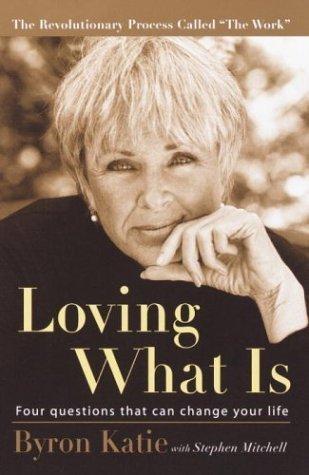
“Loving What Is” by Byron Katie, as presented with commentary by Stephen Mitchell, introduces a straightforward path to inner peace by inviting readers to question the very thoughts that cause them stress. Katie recounts her own moment of radical clarity when, in the throes of severe depression, she realized every painful thought she’d ever had about life was nothing more than a mental story. In that instant, she felt a thrill of freedom and understood that suffering arises only when we insist that reality be different from how it actually is. From this revelation comes the heart of her method, simply called "The Work."
The Work rests on four questions designed to interrogate any stressful thought. First, you ask, “Is it true?” That often feels deceptively simple because our minds instantly answer “yes.” Next, you probe further: “Can you absolutely know it’s true?” Here you invite genuine curiosity. The third question, “How do you react, what happens, when you believe that thought?” nudges you to notice emotions, physical sensations, and behaviors that follow. Finally comes, “Who would you be without the thought?”—a glimpse of liberation from mental clutter.
Once the questions have done their work, Katie prescribes a turnaround. You restate your original judgment in three ways: by reversing it toward yourself, toward others, and toward the opposite—searching for specific, genuine examples of how each turnaround is as true or truer than the original. For instance, if your thought was “My boss doesn’t appreciate me,” you might turn it around to “I don’t appreciate my boss,” “I don’t appreciate myself,” or “My boss appreciates me.” Finding real instances for these alternatives loosens the grip of your first, stressful idea.
Early in the text, Katie emphasizes that The Work doesn’t depend on faith in any ideology, guru, or guru-like perfection. You don’t have to meditate for hours, chant, or adopt a whole new belief system. Instead, you use The Work with your own painful thoughts in daily life. The process feels almost playful: you jot down a troubling thought, you apply the four questions, and you write down what surfaces. Over time you build a habit of looking inward rather than lashing outward.
Katie illustrates her method through vivid anecdotes. One woman wrestling with the thought, “He should call me,” opens to seeing how she herself resists calling. Another man discovers that, underneath his anger, he hates feeling helpless. In each story, The Work quietly unravels the assumption causing pain and shows the person a perspective they’d never considered. That shift brings relief, clarity, and often a spontaneous sense of gratitude for what is.
The book gently warns you not to mistake The Work for wishful thinking or denial. Instead, it’s a radical honesty with yourself. You don’t pretend harm doesn’t exist, nor do you force yourself to feel happy. You simply question whether your thoughts about that harm match reality. In this way, The Work becomes a tool for deep inquiry rather than surface cheer.
Katie also addresses common obstacles. When doubt creeps in, or resistance surfaces, she suggests you investigate those feelings just like any other thought. You might ask, “Is it true that I can’t do The Work?” Then you follow the four questions. Resistance, she says, often hides a deeper longing to be free from suffering.
Readers learn that The Work applies to relationships, finances, health issues, aging, and even larger social or political beliefs. When a friend upsets you, you can work through your complaints about them, then turn them around. If you worry about money, you can question the fear-filled stories you tell yourself. Katie insists that every stressful thought can yield to inquiry.
Stephen Mitchell’s commentary weaves throughout, clarifying Katie’s words and offering reflections on how The Work aligns with traditions like Buddhism, Stoicism, and modern psychology. He points out that questioning thoughts resembles the Socratic method or cognitive-behavioral therapy, yet Katie’s approach stands out because it turns the mind’s judgment back on itself. Mitchell underscores that this method requires no external authority—only your willingness to look at your own mind.
As the reader practices, The Work reveals not only old, hidden patterns of thought but also deeper needs and longings. You notice that beneath anger often lies fear, beneath blame lies a wish for connection, beneath resentment lies a longing for acceptance. In one moving example, a woman working through her resentment toward her mother discovers how she’d shut down her own warmth as a child. That discovery alone opens a new possibility for love.
Katie invites you to keep a “Judge-Your-Neighbor Worksheet” handy. When a judgment arises—whether it’s about your partner, coworker, or even the weather—you pause to fill in the worksheet. Over time, you archive stacks of these worksheets. As you review them, you see how often your suffering sprang from believing unexamined stories rather than seeing things as they are.
In later chapters, Katie explores the implications of fully embracing reality. She calls this “loving what is.” When you love what is, you find that life flows smoothly. Problems don’t disappear, but you meet them from a calm, spacious mind. You stop wasting energy on battles with reality. Instead, you redirect your focus to creative solutions or simply enjoy the moment.
Katie acknowledges that some days you’ll forget to question thoughts, and that’s okay. She encourages self-compassion. When you catch yourself in old patterns, you simply notice and return to The Work. Over time, that effort proves liberating. People often report improved relationships, less stress, and a growing sense of joy in ordinary life.
“Loving What Is” concludes by reminding you that this work is not another item on your to-do list, but a way to meet life every moment with clarity and love. Katie writes that freedom lies in loving life precisely as it unfolds. No more resisting, no more fighting. Just quiet inquiry, deep acceptance, and the freedom that comes when you finally see that reality never needs fixing.
Ultimately, Byron Katie and Stephen Mitchell offer a map back to yourself. By questioning your most painful thoughts, you uncover the peace you’ve always carried within. The Work asks nothing more than your curiosity and courage—and it promises nothing less than freedom from suffering.
Detailed Summary
Key Takeaways
1. The Four Questions
“Is it true? Can you absolutely know it's true?”
Core Inquiry: Byron Katie introduces a simple yet profound process of self-inquiry. The method hinges on four questions that help you challenge stressful thoughts. You start by asking: “Is it true?” This direct question cuts through assumptions and beliefs that fuel anxiety.
Next, you ask: “Can you absolutely know it’s true?” This second question pushes you to test the certainty of your mind’s stories. Many worries fall apart when examined closely. You then explore the emotional impact and the possibility of a turnaround—seeing the opposite of your thought as true.
Mental Clarity Unveiled: People who practice these questions begin to notice how seldom they can prove their fears. The repeated inquiry weakens habitual negative thinking. Over time, they feel less triggered by daily challenges.
Historically, many spiritual traditions encouraged self-examination. Katie’s approach modernizes this practice. It gives a clear, structured path. Communities, therapists, and coaches have adopted the Four Questions worldwide. They report improved stress management and deeper self-awareness.
Key points:
- Questions target stressful beliefs.
- Increases mental clarity and calm.
- Encourages emotional resilience.
- Adapted by coaches and therapists.
- Roots in ancient self-inquiry traditions.
2. Inquiry and Turnaround
“Turn the thought around and find three genuine examples of how the turnaround is as true as the original belief.”
Reframing Beliefs: After identifying a stressful thought, you learn to turn it around. You take your original belief—for example, “He must respect me”—and reverse it. Possible turnarounds include “I must respect him” or “I don’t need respect at all.”
Then you look for three real-life examples supporting each turnaround. This encourages creative thinking and dismantles rigid mental patterns. It’s not about forced positivity. It’s a genuine search for truth in different perspectives.
Deep Behavioral Shift: Finding examples for turnarounds often reveals overlooked blessings or alternative truths. For instance, noticing when you respect someone even if they don’t respect you shows your own strength.
This shift in viewpoint can transform conflicts. Couples who journal their turnarounds report more empathy. Teams in business apply it to reduce blame and foster cooperation. The turnaround process breaks cycles of criticism and fosters personal growth.
Key points:
- Reverses negative beliefs.
- Requires real, specific examples.
- Fosters cognitive flexibility.
- Improves empathy in relationships.
- Transforms conflict into growth.
3. Identifying Stressful Thoughts
“It’s not the situation that hurts you; it’s your thinking about it.”
Source of Suffering: Katie emphasizes that our suffering stems from thoughts, not external events. You first observe moments of stress and write down the beliefs behind them. These might include “She should listen to me” or “I can’t handle loss.”
By pinpointing exact thoughts, you bring hidden assumptions into daylight. You then apply the Four Questions and turnarounds. This practice helps you see how your mind creates pain by holding onto rigid narratives.
Empowerment through Awareness: When people realize their thoughts cause their distress, they feel empowered. They stop blaming others or circumstances for their upset. This shift reduces resentment and victimhood.
In educational settings, teachers use this approach to help students manage test anxiety. In workplaces, managers train teams to reframe stress points. The result is a culture that values personal responsibility and resilience.
Key points:
- Highlights mind’s role in suffering.
- Demands precise thought tracking.
- Enables targeted self-inquiry.
- Reduces blame on outside factors.
- Builds emotional ownership.
4. Self-Acceptance
“Loving what is frees you to love yourself.”
Radical Embrace: As you question painful beliefs, a deeper sense of acceptance emerges. You begin to love parts of yourself you once denied. Mistakes, flaws, and regrets lose their power to shame you.
Katie calls this “Loving what is.” You accept reality exactly as it appears. By embracing yourself fully, including fears and limits, you unlock creativity and inner peace.
Healing and Growth: Self-acceptance fuels lasting healing from trauma. Clients in therapy who integrate The Work show quicker recovery from depression and anxiety. Their self-esteem rises when they stop punishing themselves mentally.
Communities of practice report that regular inquiry groups foster trust and belonging. When members share their stories without judgment, they model true acceptance. This ripple effect strengthens families, schools, and workplaces.
Key points:
- Cultivates inner peace.
- Dissolves self-criticism.
- Accelerates trauma healing.
- Boosts self-esteem.
- Strengthens community bonds.
5. Transforming Relationships
“When you change the way you see another person, the way you treat them changes too.”
Relational Shift: Loving What Is applies The Work to interpersonal conflicts. You write down your grievances about someone and question each thought. This process reveals how your own mind contributes to the tension.
As you find turnarounds toward compassion, your behavior follows suit. You might see that your partner’s impatience masks their insecurity. This insight softens your response and opens space for healing dialogue.
Lasting Connection: Couples who use The Work report fewer arguments and deeper trust. Parents who apply inquiry to conflict with teenagers foster respect instead of rebellion. Teams in organizations learn to treat feedback as information, not attack.
Across cultures, The Work has bridged divides in community reconciliation projects. People from opposing backgrounds sit together and question their beliefs about each other. They often discover common humanity where they expected only conflict.
Key points:
- Reduces interpersonal conflict.
- Enhances empathy and compassion.
- Builds trust in relationships.
- Used in family and business contexts.
- Supports community reconciliation.
6. Freedom from Suffering
“There is peace in the middle of chaos when you stop believing stressful thoughts.”
Liberation through Inquiry: By consistently applying The Work, people break free from the cycle of worry and regret. They learn that thoughts are optional, not inevitable. This insight opens a door to sustained well-being.
The book frames this freedom as natural. You don’t need to become a different person. You simply need to question the stories that block your joy. The result is a state of inner calm that remains stable even amid external turmoil.
Societal Impact: Large groups using The Work report lower stress-related illnesses and improved mental health. In healthcare settings, patients who practice inquiry show reduced need for medication and therapy sessions.
Schools integrating The Work into social–emotional learning see declines in bullying and absenteeism. Public health campaigns in several countries now include self-inquiry as a tool for community resilience.
Key points:
- Ceases habitual suffering.
- Maintains calm in chaos.
- Reduces reliance on medication.
- Lowers bullying in schools.
- Guides public health initiatives.
Future Outlook
Loving What Is ushers in a new era of self-care. As mental health challenges grow worldwide, the Four Questions offer a low-cost, accessible tool. Future research will likely measure its impact on stress biomarkers, PTSD recovery, and workplace performance.
Therapists and educators may integrate inquiry into standard curricula. We’ll see digital apps guiding users through questions and turnarounds. These tools could personalize prompts based on real-time mood tracking.
On a societal level, embracing rigorous self-inquiry can shift how cultures handle conflict. Instead of external solutions alone, communities might adopt inner work as a first step. This dual approach—combining policy change with individual inquiry—could lead us toward more compassionate societies.