
Summary
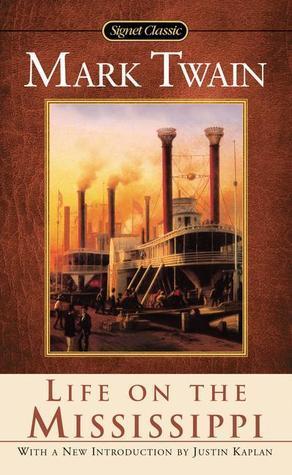
Life on the Mississippi by Mark Twain recounts the author’s youthful adventures as a steamboat pilot on America’s great river and his later journey back to explore the river’s towns and lore. Twain opens with vivid childhood memories of watching paddle steamers glide past the shores near his Missouri home. He recalls the rattle of their engines and the magic of their soaring smoke stacks against the sky. Those early impressions stoked his lifelong love affair with the Mississippi, a river he would come to know as both friend and teacher. His fascination led him on a path from deckhand to licensed pilot.
In his teen years, Samuel Clemens—later known as Mark Twain—signed on as a cub pilot’s apprentice. He describes long days at the wheel, learning to read the river’s shifting sandbars and hidden snags. He memorized every bend, every backwater, and every subtle change in current. Twain writes that the river demanded constant vigilance; a moment’s inattention could spell disaster. Yet he relished the challenge, finding pride in mastering a craft that seemed almost mystical.
When the Civil War loomed, Twain’s career on the river took an abrupt turn. Union forces captured New Orleans and later Vicksburg, closing much of the river to civilian traffic. Twain signed off his pilot’s job and returned north, narrowly avoiding involvement in the conflict. He considered returning to the river after the war but found new opportunities in journalism and publishing instead. Still, memories of his steamboating days remained etched in his mind.
Years later, already a celebrated author, Twain set out on a grand excursion down the Mississippi from St. Louis to New Orleans. He traveled by train to reach each river town and then boarded local steamboats to continue downstream. Along the way, he collected anecdotes, tall tales, and snapshots of fading river culture. He met former pilots, boatmen, and merchants whose voices carried the river’s past. Each conversation revealed how the waterway had shaped the lives around it.
Twain paints New Orleans as a vibrant, chaotic city, full of music, markets, and endless river traffic. He marvels at the grandeur of its levees and the crowds that gathered at the riverbank. He notes how commerce thrived on the docks and how people from every region mingled in the port’s dusty streets. Yet he also laments the decaying clapboard houses and the relentless threat of flooding. Even in its splendor, the city lived in uneasy balance with the river.
Traveling northward again, Twain describes life on board a modern packet boat. He contrasts its elegant saloon and dining room with the cramped cabins and rough floors of earlier vessels. He nods to the engineers who tended to the boiler fires day and night, keeping steam high and the paddle wheels turning. Twain expresses gratitude for their skill, knowing well what could happen if pressure fell too low or if a whistle gave way. He peppers his account with humorous incidents—drunken gamblers, chatty deckhands, and runaway cattle loosed onto the decks.
One of Twain’s most vivid chapters focuses on Vicksburg, a city scarred by siege during the Civil War. He walks its historic earthworks and surveys the old gun emplacements. He interviews locals who lived through endless shelling and winter deprivation. Their tales of courage and loss linger in the silent red hills. From there, he drifts on through Mississippi’s plantation country, tracing the river’s slow curves past untold miles of cotton fields and cypress swamps.
As he nears Memphis, Twain observes the river’s rising floodwaters, which threaten levees and lowlands each spring. He recounts dramatic rescues of stranded families and the frantic rebuilding of breached banks. He notes how the river’s moods could shift in an instant, from gentle ribbon to raging torrent. Its power humbled even the most seasoned pilots. Yet the communities along its banks adapted year after year, turning disaster into seasonal routine.
Near Helena, Arkansas, Twain meets a veteran pilot who once guided the steamer Pennsylvania. The man shares his memories of the great channel races of the antebellum era, when captains wagered fortunes on who could run from Natchez to New Orleans fastest. Twain relishes these tales of fierce rivalries, highlighting both the dash and the dangers—boilers exploding, hulls grinding on hidden snags, heroes burned or drowned in fiery catastrophes.
Twain pauses to reflect on the river’s role in America’s growth. He argues that no highway or railroad has matched the Mississippi’s reach or economic impact. Towns sprouted wherever its waters touched the land. He suggests that the river shaped the nation’s character—restless, bold, unpredictable. He weaves in humorous digressions about rival pilots’ boasts, gamblers’ schemes, and showboats that carried theater troupes and circuses upriver.
In one tender chapter, Twain recalls a chance meeting with an old friend from his cub-pilot days. The man had settled at a small landing and opened a tavern for passing crews. They shared a glass of whisky and swapped stories of ghosts said to haunt the river bends. Twain listens as his friend describes seeing eerie lights above the water on misty nights—floating lanterns of drowned souls. Twain resists believing in spirits but admits the river holds mysteries no logbook can capture.
Further upriver, he reaches Natchez, where Spanish moss drapes antebellum mansions on high bluffs. He compares the grandeur of those homes with the humble cabins of freedmen laboring in the fields below. He questions how prosperity on that scale could coexist with such stark human inequality. Twain’s tone turns more reflective here, as he ponders the river’s ties to slavery, war, and social change. He never lectures, yet his observations resonate with quiet moral weight.
On the final leg back to St. Louis, Twain reviews his lifelong bond with the Mississippi. He recalls how the river taught him patience, courage, and the value of steady work. He praises the pilots for their seasoned judgment and the deckhands for their tireless labor. He suggests that anyone who truly understands the river owes a debt to its currents and moods. At journey’s end, he sees the water not as a threat but as a living force that carries history along its banks.
By blending memoir with travelogue, Twain crafts a portrait of a river in motion and a nation in flux. His chapters brim with humor and folklore, yet they never stray into idle bragging or mere novelty. He writes as a son who grew up on the riverbank, then left and returned with new eyes. Throughout, he balances attentive detail—like the way a paddle wheel churns harbor water—with lyrical admiration for the river’s sweep across the continent.
Life on the Mississippi stands as both a celebration and a farewell. Twain captures a vanished world of steamboats and river lore just before railroads and engine whistles silenced paddle-wheel chatter. He preserves the voices of pilots, gamblers, and dockworkers in lively dialogue. In the end, he affirms that the river lives in memory as strongly as in water. Its stories, he hints, will flow downstream long after any manmade vessel has vanished.
Detailed Summary
Key Takeaways
1. The Steamboat Pilot’s World
“The pilot’s life is full of responsibility and romance, for he steers a noble vessel over a living highway.”
Navigating the River: Twain immerses you in the delicate art of steamboat piloting. He details how a pilot learns every bend, sandbar, and current of the Mississippi through repeated runs. Months of study and apprenticeship build an almost instinctive map in the pilot’s mind.
This knowledge feels more like an art than a science. Twain shows how pilots read subtle clues—a changing ripple or color shift—to sense hidden shoals. You witness a profession that demands both technical skill and deep intuition.
Shaping Regional Commerce: River pilots anchored the economy of mid-19th-century America. Their skill determined whether a boat ran safely or wrecked on a hidden bar. Towns along the river thrived or starved based on reliable navigation.
As railroads began to compete, steamboat safety and speed remained a selling point. Twain’s portrait of pilots underscores how integral they were to trade, migration, and communication. Their expertise symbolized human mastery over a vast, unpredictable natural force.
Key points:
- Years of study and river observation
- Reading water conditions like a living text
- Blend of skill, art, and intuition
- Central to mid-19th-century commerce
- Bridge between nature and technology
2. Childhood Memories and River Lore
“I have cherished the remembrance of these childish days on the Mississippi ever since.”
Formative River Years: Twain recalls growing up along the Mississippi, where riverboats fascinated him from a tender age. He describes hopping aboard wrecked hulls and watching pilots guide massive vessels with calm expertise. Those youthful experiences planted a lifelong obsession with steamboats.
He peppers his narrative with anecdotes—how he first heard the echo of a steamboat whistle or watched crewmen wrestle lines against a current. These scenes blend memoir and local tall tales, casting the river as a living character in his story.
Cultural Identity: Twain’s memories offer a window into frontier life. River towns brimmed with diverse accents, goods, and gossip carried by passing steamers. That mingling forged a distinct regional culture, ripe with opportunity and danger.
His recollections remind us how environments shape identity. The river’s rhythm influenced daily routines, festivals, even superstitions. Twain immortalizes a disappearing world just as railroads and industrial growth began to redefine life far from the water’s edge.
Key points:
- Personal anecdotes from boyhood
- The river as a living presence
- Blend of fact and folklore
- Snapshot of frontier culture
- River’s role in shaping identity
3. Technological Change and Progress
“I remember well the nervous wonder with which I hailed every new engine.”
Steam Power Revolution: Twain charts the rise of newer, faster, and more powerful steamboats. He marvels at improvements in engine design, hull shape, and steering systems. Each upgrade meant shorter journeys and greater cargo capacity.
He narrates conversations with captains eager to tout their latest engine’s horsepower. Yet he also hints at risks—boiler explosions and overconfidence. Progress brought astonishing speed but often outpaced safety standards.
Industry and Innovation: The Mississippi steamboat trade exemplified America’s industrial age. Ingenious inventors bolstered river commerce. Towns competed for docking rights by offering better fuel or deeper channels.
Twain’s account shows how technological leaps reshaped society. Faster travel spurred westward expansion and tighter links between markets. But it also signaled an end to simpler times, when pilots relied more on eye and ear than gauges and dials.
Key points:
- Engine upgrades and speed gains
- Safety versus innovation tension
- Pilots’ nostalgia for simpler vessels
- Economic impact of faster travel
- Shift toward industrial norms
4. Changing River and Environmental Impact
“Every year the river shifts its bed, making old charts useless.”
River Dynamics: Twain describes how floods, droughts, and sediment constantly alter the Mississippi’s course. Sandbars form overnight, currents reroute, and high waters carve new channels. Pilots rechart the river almost continuously.
He vividly recounts ship groundings on bars that didn’t exist weeks before. This cyclical change demanded both vigilance and adaptability. No two trips ever felt quite the same.
Early Environmental Awareness: Although Twain writes before modern ecology, he hints at human impact on the river. Deforestation and levee building altered flow and increased flooding. He notes towns forced to relocate when the river claimed land.
His observations foreshadow later dialogues on river management and conservation. Today’s engineers still wrestle with balancing navigation needs against ecological health—a debate Twain traced in nascent form.
Key points:
- Frequent shifts in channel and depth
- Pilots’ evolving charts
- Flooding and town relocations
- Human alterations to river flow
- Proto-ecological insights
5. Social Tapestry Along the Banks
“I saw more characters on that shore than in a dozen theatres.”
Riverbank Communities: Twain sketches vibrant portraits of river towns: bustling markets, boisterous taverns, and polite ladies waving from steamboat decks. He meets merchants, gamblers, and runaway enslaved people dreaming of freedom upriver.
Each landing offers a unique snapshot. One place hosts ministers hawking by-the-mile tickets, another thrives on illicit liquor. Collectively, these scenes form a patchwork of American life during the antebellum and post-war periods.
Microcosm of a Nation: These shore communities reveal tensions beneath national unity. Twain notes the clash of Northern and Southern outlooks just before and after the Civil War. He hears debates about tariffs on cotton and recollects freedmen’s hopes and anxieties.
By detailing local color, Twain shows how the Mississippi connected—and sometimes divided—diverse groups. His portraits help historians piece together everyday life in a rapidly changing society.
Key points:
- Diverse river towns and cultures
- Encounters with merchants and gamblers
- Glimpses of enslaved and free African Americans
- Pre- and post-Civil-War tensions
- River as social crossroads
6. Memory, Loss, and Nostalgia
“The old days have drifted off with the boats; all I have left are these tales.”
Reflecting on a Bygone Era: As railroads eclipse steamboats, Twain mourns the loss of river romance. He recounts how once-common sights—a palm-leaf fan in a cabin, the pilot’s soft whistle at dawn—have faded into obsolescence.
His tone turns elegiac when he visits a former pilot who now works in a shop. That man’s lively stories have dimmed under the weight of new rail schedules and faster travel.
Preserving Oral History: Twain’s nostalgia preserves voices we might otherwise never hear. His book becomes an archive of vanished trades and traditions. Later generations draw on these memoirs to reconstruct social and labor histories of the steamboat era.
The emotional core of his work reminds us that progress always brings gains and losses. Technological triumphs come at cultural cost—a lesson still relevant when we retire old industries and crafts.
Key points:
- Railroads supplant steamboats
- Pilots adapting to new careers
- Elegiac tone and personal loss
- Oral history as archival record
- Trade-offs of technological change
Future Outlook
Twain’s detailed account of the Mississippi steamboat era offers more than a nostalgic journey. It prompts modern readers to reflect on how technology shapes—and sometimes erases—local cultures. Today, as autonomous vessels and GPS replace human pilots, we risk losing hard-won skills and regional identities much like those Twain mourned.
Looking ahead, historians and environmental planners can draw on Twain’s observations to understand the river’s shifting nature. His proto-ecological notes resonate with current debates on sustainable waterway management. Balancing commerce with conservation remains as urgent now as in Twain’s time.
Finally, Twain’s human portraits remind us that progress is never just mechanical. Behind every innovation lie communities transformed. In an age of rapid change, Life on the Mississippi stands as a guide—urging us to document, cherish, and learn from the traditions we leave behind.







