SUMMARY
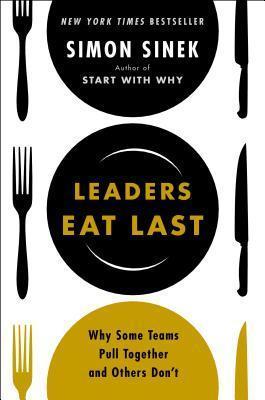
Simon Sinek’s Leaders Eat Last explores how true leadership creates environments where people feel safe, valued, and inspired to work together. He begins by examining the biology of human cooperation, showing how our brains release chemicals like endorphins and oxytocin when we trust one another. These “feel-good” molecules encourage teamwork by rewarding acts of kindness, empathy, and support.
Next, Sinek delves into the role of cortisol and adrenaline, stress hormones that surge when we feel threatened or isolated. He describes modern workplaces as potential stress factories, where unclear expectations and lack of trust drive anxiety. When cortisol dominates, we focus on self-preservation rather than group success.
The author then introduces the concept of the “Circle of Safety,” a leadership practice that prioritizes people over profit. He recounts military anecdotes in which commanding officers protect their units physically and emotionally. By shielding team members from external pressures, leaders foster loyalty and cooperation.
Sinek contrasts these stories with corporate examples where executives chase short-term gains. In such settings, employees guard information, blame others, and compete internally. The absence of trust creates a toxic cycle in which stress fuels disengagement and poor performance.
He argues that leaders set the tone by demonstrating vulnerability and compassion. Admitting mistakes, asking for help, and showing genuine concern signal that everyone’s well-being matters. This humility strengthens bonds, as people feel safer taking risks and offering creative solutions.
Trust, he notes, builds slowly and erodes quickly. Sinek shares research showing that companies with high trust scores enjoy lower turnover, higher productivity, and better health outcomes for employees. They outperform rivals because their people go the extra mile without being asked.
In another section, Sinek highlights the importance of clear purpose. Organizations that articulate why they exist—beyond making money—energize their workforce. He uses the example of a food distribution center that rallied staff around the mission to end hunger. When purpose resonates, employees find meaning in daily tasks.
He then explores how modern culture values quick fixes and instant gratification. Sinek warns against constant new initiatives—well-intended yet fleeting. He suggests that lasting change needs steady reinforcement from leaders who embody core values every day.
Sinek also examines the impact of technology on human bonds. While digital tools promise efficiency, they can erode face-to-face interaction and empathy. He urges leaders to create spaces for genuine conversation, like shared meals or informal gatherings.
A later chapter details how leaders can nurture the next generation. Mentorship, regular feedback, and public recognition cultivate confidence and skill. Sinek recounts a manufacturing firm where managers rotate through the shop floor to learn employees’ daily challenges. This hands-on approach fosters respect and solidarity.
He further discusses the dangers of ignoring work-life balance. Leaders who model healthy boundaries—turning off messages after hours or taking regular breaks—signal that people matter more than output. In turn, employees recharge and bring their best selves to work.
One of the shortest but poignant sections shows how gratitude transforms culture. Sinek describes simple rituals, like handwritten notes or shout-outs in meetings, that reinforce positive behavior. These small acts accumulate, creating an atmosphere of appreciation.
He then addresses the skeptics who view empathy as weakness. Using neuroscience and real-world data, Sinek refutes the myth that compassion undermines competitiveness. Instead, he shows that empathetic organizations adapt quicker and innovate more successfully.
Toward the end, Sinek offers practical steps for leaders at every level. He encourages regular check-ins focused on well-being, transparent decision-making, and shared storytelling to preserve collective memory. Consistency, he emphasizes, is the glue that holds the Circle of Safety together.
In closing, Sinek reminds readers that leadership is not a rank but a responsibility. When leaders eat last—putting others’ needs before their own—they inspire trust, loyalty, and remarkable performance. He leaves us with a clear message: true leadership begins with caring for those you lead, and from there, success will follow.
DETAILED SUMMARY
Key Takeaways
1. Circle of Safety Builds Trust
“When leaders put the needs of others above their own, they create a culture where people feel safe.”
Creating a Secure Environment: Simon Sinek argues that true leadership starts with protecting the people you lead. He calls this the “Circle of Safety.” Inside this circle, employees feel secure enough to take risks, share ideas, and admit mistakes without fearing punishment. Leaders expand that circle by prioritizing the welfare of their team over short-term profits.
This security stems from consistent support. When people know their leader has their back, trust grows. Over time, this trust fosters loyalty, collaboration, and innovation. Instead of guarding their own position, leaders widen the circle to include everyone, reducing internal threats and strengthening collective goals.
Effects on Team Performance: In companies with a strong Circle of Safety, turnover rates drop dramatically. People stay longer because they believe their leader genuinely cares for their well-being. They speak up when they see flaws in processes, preventing small issues from turning into crises.
Furthermore, this culture reduces stress and burnout. Employees no longer feel they’re alone in crises. They rely on each other and their leader. That shared burden drives higher engagement and boosts productivity. Over time, the organization gains a reputation for reliability, attracting top talent and loyal customers.
Key points:
- Promotes psychological safety
- Encourages open communication
- Reduces internal competition
- Fosters collaboration and innovation
- Improves retention and morale
2. Chemistry of Trust: Hormones at Work
“Our body produces chemicals that shape our behavior, and leaders can influence these processes.”
Human Biology Meets Leadership: Sinek highlights four key chemicals—endorphins, dopamine, serotonin, and oxytocin—that govern our drive, reward, and relationships. Endorphins and dopamine push us toward achievement, while serotonin and oxytocin bind social groups with trust and empathy.
By understanding these natural drivers, leaders learn how to create environments that balance challenge with support. For example, celebrating small wins triggers dopamine. Acts of kindness spark oxytocin. Leaders who leverage these cues turn motivation into sustainable morale.
Shaping Organizational Culture: When organizations design rituals—like weekly shout-outs or peer recognition—they tap into these hormones. People feel good when acknowledged, reinforcing positive behaviors. Over time, teams adopt habits that boost collective performance.
Leaders who ignore these dynamics risk a listless workforce. Without social bonding or recognition, employees retreat to self-preservation. Creativity stalls and cynicism spreads. By contrast, hormone-aware leadership builds resilience, deeper connections, and genuine enthusiasm for shared goals.
Key points:
- Highlights four behavioral chemicals
- Connects biology to workplace culture
- Shows how recognition boosts dopamine
- Emphasizes empathy-driven oxytocin
- Warns against ignoring human needs
3. Leaders Eat Last
“The true test of leadership is how much others would sacrifice to protect you.”
Leading by Example: Sinek borrows a Marine Corps tradition: officers eat after their soldiers. This practical gesture shows that leadership isn’t about perks. It’s about service. When people see their leader shoulder hardship first, they trust that leader even more.
This principle applies far beyond the military. In business or community organizations, leaders who tackle the toughest tasks signal commitment. They earn respect not by rank, but by action. Over time, these actions cement the leader’s credibility and inspire people to follow.
Cultivating Loyalty and Sacrifice: When teams witness selfless leadership, they mirror that behavior. Colleagues help one another without waiting for instruction. They sacrifice personal gain for collective success. This dynamic fuels exceptional performance under pressure.
Moreover, it creates a cycle of reciprocity. Leaders sacrifice for their people. Then, employees give extra effort to protect the leader’s vision. That loyalty attracts customers and partners. They sense authenticity and become part of the Circle of Safety.
Key points:
- Service over status
- Action builds credibility
- Selflessness inspires loyalty
- Drives collective sacrifice
- Strengthens team cohesion
4. Long-Term Thinking Wins
“Short-term gains can erode trust faster than you can build it.”
Choosing Sustainable Growth: Companies often chase quarterly earnings at the expense of trust. Sinek warns that chasing short-term wins can damage relationships. When leaders prioritize immediate profit, they risk overworking staff, cutting corners, or breaking promises.
By contrast, leaders who plan for the long haul invest in their people. They provide training, fair compensation, and supportive policies. These investments pay off slowly but steadily, as trust compounds and performance improves year after year.
Avoiding the Cycle of Burnout: Short-sighted strategies lead to high turnover. Employees feel exploited and look for greener pastures. Replacing talent costs time and morale, and it punctures the Circle of Safety.
In contrast, long-term thinking builds a powerhouse culture. Staff stay engaged, processes stabilize, and quality improves. Customers notice the consistency. Reputation soars, leading to sustained growth and resilience even in downturns.
Key points:
- Warns against quarterly focus
- Promotes people-first investments
- Prevents burnout and turnover
- Builds enduring credibility
- Supports steady performance
5. Empathy Spurs Innovation
“When people feel understood, they share their best ideas.”
Listening to Understand: Sinek stresses that empathy is more than a soft skill. It shapes how teams collaborate. Leaders who listen actively unlock hidden insights. They let employees express fears and suggestions without judgment.
By practicing empathy, leaders identify pain points and design solutions that resonate. This insight often leads to breakthroughs. When people feel heard, they open up, fueling a creative feedback loop.
Driving Meaningful Change: Organizations that embed empathy see higher rates of intrapreneurship. Employees propose new products, streamline processes, and solve client issues creatively. They don’t wait to be told; they innovate proactively.
This culture of understanding also strengthens customer relationships. Teams that practice empathy internally replicate that care externally. Clients feel valued. They stay loyal and refer others. Over time, empathy becomes a competitive advantage.
Key points:
- Defines empathy as a strategic tool
- Links listening to innovation
- Uncovers hidden challenges
- Fosters proactive problem-solving
- Boosts customer loyalty
6. Leadership Requires Courage
“It takes bravery to stand up for people when no one else will.”
Defending the Vulnerable: Sinek points out that real leadership often means facing criticism. When you defend an underperforming employee who’s struggling with personal issues, you risk backlash. Yet that act of courage signals that you value people over metrics.
Courageous leaders confront uncomfortable truths. They challenge unfair policies and protect ethical standards. They don’t just comfort the strong; they defend the weak. In doing so, they uphold the integrity of the entire organization.
Building an Ethical Culture: When leaders show moral backbone, it discourages toxic behavior. Bullying and cutthroat tactics fade. People cooperate rather than compete. They trust that the system rewards fairness over favoritism.
This ethical framework attracts talent and investors who share those values. It also insulates the organization from scandals. Stakeholders know the leader won’t look the other way. That transparency strengthens the brand and ensures long-term viability.
Key points:
- Prioritizes ethical standards
- Supports struggling team members
- Challenges unfair practices
- Discourages toxic behaviors
- Enhances organizational integrity
Future Outlook
Simon Sinek’s emphasis on human biology and empathy lays a foundation for leadership development programs worldwide. As organizations digitize, they risk losing personal connections. Yet the Circle of Safety reminds us that technology should enhance, not replace, trust-building rituals.
Looking ahead, companies will integrate Sinek’s principles into AI-driven management tools. They’ll measure not only productivity but also psychological safety and empathy metrics. Leaders will use real-time feedback to adjust their approach, ensuring long-term growth without sacrificing well-being.
On a societal level, governments and nonprofits will adopt these insights to rebuild fractured communities. By putting people first, policy-makers can foster cooperation across divisions. Sinek’s vision of leadership suggests that collective trust—once lost—can be restored through consistent acts of service, empathy, and courage.