Summary
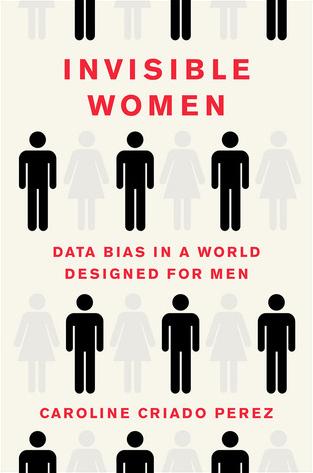
Invisible Women: Data Bias in a World Designed for Men by Caroline Criado Perez examines how a world built on male defaults systematically overlooks women’s needs. Perez opens with her own experience of illness, highlighting how medical research often ignores female symptoms. She reveals that data gaps force women to experience avoidable pain and risk. This introduction sets the tone: women’s lives are shaped by an unseen data bias that privileges men.
Perez then turns to public life, showing how city streets, transport systems, and even disaster relief plans assume a male pattern of behavior. She describes how seating on public transport, wind tunnels for bike safety, and flood evacuation models often use male body data. Women, who walk more, take shorter trips, and carry children or groceries, face unnecessary inconvenience and danger. The result is a design that marginalizes half the population without anyone noticing.
Next, the author dives into the workplace. Employers rely on management practices, work schedules, and office temperatures all modeled on male norms. Perez notes men’s thermal comfort is taken as the standard, leaving women uncomfortably cold in most offices. Part-time work, often done by mothers, remains undervalued and underpaid because data on these patterns are scarce. By ignoring women’s roles and routines, companies lose productivity and fail to support a large share of their workforce.
In her chapter on technology, Perez shows that voice recognition, AI algorithms, and smartphone features tend to underperform for women. Voice assistants often respond better to male voices, and facial recognition systems misidentify women of color at alarming rates. She explores how car crash test dummies are modeled on the average man, leading to higher injury rates for women in accidents. These examples build on the argument that “neutral” design often hides a male bias.
Shifting to health care, Perez uncovers a dangerous gender gap. Medical trials historically exclude women of childbearing age, creating a knowledge void about drug efficacy and side effects. She points out that heart attack symptoms in women differ from men’s, yet diagnostic criteria focus on male patterns. As a result, women receive delayed or wrong treatment. Perez argues for a fundamental shift: medical research must include sex-disaggregated data from the start.
Perez dedicates a section to urban planning and housing, showing how home appliances, furniture, and living spaces reflect male usage. Kitchen counters and storage heights suit taller, stronger men. Public parks and footpaths assume average walking speeds and mobility levels of men, ignoring caregiving tasks often performed by women. The author weaves personal anecdotes from mothers balancing childcare and commute. This chapter reveals how everyday life demands extra effort from women because design fails to account for their routines.
A shorter section on education follows. Perez describes how STEM curricula and classroom settings favor boys by using male-centered examples and class schedules that disregard caregiving. Girls often underperform in subjects where examples don’t resonate with their experiences. By illustrating successes in more inclusive teaching models, she highlights the benefits of adapting data and design to the real population.
Then Perez tackles the workplace again, this time focusing on the gig economy and financial inclusion. She shows how credit scoring relies on data patterns that exclude informal female employment, locking many out of loans and formal financial services. Ride-sharing algorithms set prices based on male commuting patterns, making it harder for women working odd hours or in peripheral areas. Perez urges designers to gather inclusive data that reflect varied work lives.
In a personal note, Perez acknowledges how she once took data neutrality for granted until she encountered glaring gaps herself. She recalls a friend whose cycling accident injuries weren’t properly treated because of male-based safety standards. This anecdote crystallizes the book’s message: ignoring women’s data leads to real harm. Her narrative tone shifts briefly, inviting readers to question their own blind spots.
Next, the author explores violence and safety in public spaces. She examines how crime statistics often overlook domestic abuse and street harassment because reporting systems aren’t designed to capture women’s experiences. Emergency hotlines, police patrol routes, and street lighting plans all rely on data sets that under-represent female victims. Perez demonstrates how these flaws leave women more vulnerable rather than protected.
Perez then outlines key steps to close the gender data gap. She calls for mandatory sex-disaggregated data collection in government and private sectors. She proposes gender impact assessments for policies, technology, and design projects. She also champions more women in data science, research, and decision-making roles. By diversifying teams, organizations can spot biases earlier and correct them.
A shorter reflection on global differences follows. Perez notes that while many wealthy nations face similar data challenges, developing countries often suffer compounded bias due to weaker statistics infrastructure. She highlights success stories where community-driven data collection improved maternal health or transport planning. These examples underscore that small changes can yield big benefits when women’s voices inform the data.
In her conclusion, Perez returns to the central argument: the world works better when it works for everyone. She reminds readers that data shapes policy, market choices, and everyday life. By exposing the extent of gender data bias, she motivates governments, businesses, and individuals to demand better information. She ends on a hopeful note, envisioning a future where design and data serve the entire population, not just men.
Invisible Women offers a comprehensive, eye-opening study of how male defaults permeate every aspect of society. Perez’s vivid examples and clear proposals invite readers to spot bias in their own fields. Her call to action is urgent: close the data gap now, or accept that half the world will remain invisible.
Detailed Summary
Key Takeaways
1. The Gender Data Gap
“We are drowning in data, yet starving for knowledge.”
Invisible Absence: Caroline Criado Perez opens by showing how most data collection overlooks women. Studies on health, economics, or transport often sample male bodies or behaviors. Researchers then generalize findings to everyone without checking for gender differences.
This gap starts early. Medical trials historically recruit mostly men to avoid hormonal “complications.” Urban planners use male walking speeds to time pedestrian signals. Even crash-test dummies match the male average. Such choices leave women literally off the map.
By spotlighting this absence, Perez reveals a systemic bias. Data shapes policy and design. When women aren’t counted, their needs remain unmet.
Consequences of Omission: When women are excluded, real-world decisions harm them. In medicine, women receive wrong doses. Heart attack symptoms differ by gender, yet diagnostic tools rely on male patterns. This mismatch can delay diagnosis and cost lives.
In transport, misjudged pedestrian timings lead to more accidents for women and the elderly. Safety measures for vehicles don’t protect women as well. Women’s higher injury rates in car crashes trace back to male-centric dummy tests.
Perez argues that filling the gap isn’t just fair. It saves lives and resources. Designing for half the population improves outcomes for all.
Key points:
- Medical trials often exclude women
- Urban design uses male averages
- Car safety tests rely on male dummies
- Policies assume one-size-fits-all data
- Exclusion leads to real harm
2. Healthcare Bias and Women’s Health
“Women are treated as a deviation from the male norm.”
Medicine’s Male Default: Perez illustrates that health research often uses the male body as standard. Studies on drug metabolism and heart disease neglect female biology. Researchers then apply findings to women without adjustment.
This practice assumes women differ only in size. It ignores hormonal cycles and genetic variations. As a result, women face higher misdiagnosis and side effects from medications.
Perez calls for sex-disaggregated trials. She urges scientists to track differences and tailor treatments. Only then can medicine serve everyone equally.
Health Outcomes at Stake: The lack of female-specific data leads to tragic outcomes. Women are 50% more likely to be misdiagnosed after a heart attack. They also face unpredictable side effects from drugs tested only on men.
In pain management, studies show women wait longer for relief. Health professionals often dismiss their symptoms as psychological. This pattern increases suffering and medical costs.
Perez argues that equitable research design would improve diagnosis and treatment. Tracking sex differences benefits patient safety and cuts healthcare spending.
Key points:
- Heart attack symptoms differ by gender
- Drug trials skew male, neglect female metabolism
- Women face delayed diagnosis
- Pain complaints often dismissed
- Sex-specific studies improve outcomes
3. Urban Planning and Public Space
“Cities are built for men who travel from home to work.”
Bias by Design: In this chapter, Perez describes how city infrastructure favors male commuting patterns. Planners map transport based on rush-hour work trips. They ignore women’s complex travel combining errands, childcare, and part-time jobs.
Bus routes and subway schedules seldom reflect these multi-stop journeys. This forces women into longer commutes, higher fares, and less job access. Public amenities like lighting and benches also assume male use patterns.
Perez urges planners to gather gendered mobility data. They should ask how different groups actually move through cities. With that insight, cities can become safer and more efficient for everyone.
Shaping Safer Cities: When planners collect mixed-use travel data, they discover gaps. Poorly lit routes correlate with higher street harassment. Lack of benches hurts women traveling with children or older relatives.
Adapting design to varied trip chains shortens travel time and cost. It broadens job markets for women. Improved lighting and seating also reduce crime and boost local commerce.
Perez shows that gender-sensitive planning raises quality of life. It yields more sustainable and inclusive cities.
Key points:
- Rush-hour models ignore multi-stop trips
- Women spend more time and money commuting
- Poor lighting increases harassment risk
- Benches and facilities lack gender focus
- Inclusive data leads to safer design
4. Workplace Algorithms and Pay
“Algorithms can freeze gender bias into place.”
Tech’s Hidden Prejudice: Perez explores how AI and analytics in hiring and pay can entrench bias. Companies feed algorithms with historical HR data. That data often reflects existing inequalities, like fewer promotions for women.
When the algorithm learns from skewed data, it repeats past discrimination. It may rank male candidates higher or undervalue roles dominated by women. Managers then trust the “objective” scores.
Perez warns that blind reliance on tech can hide bias. She calls for transparency in algorithmic decisions and regular audits to catch gender glitches.
Economic Inequality Amplified: Unchecked algorithms can reinforce gender pay gaps. Women might get fewer job interviews or lower starting salaries. Over time, this cuts lifetime earnings and pension outcomes.
Biased performance metrics exclude tasks like caregiving. Women who juggle flexible schedules may score lower. This ratchets up turnover and depresses morale.
Perez advocates for bias testing and inclusive data sets. Companies that invest in fair algorithms see better retention and innovation.
Key points:
- Historical HR data carries bias
- AI can amplify past inequalities
- Opaque algorithms misrank candidates
- Pay and promotion gaps persist
- Regular bias audits improve fairness
5. Safety and Public Health Policy
“If you build it without us, you build it against us.”
Neglecting Women’s Risks: Perez highlights how public health and safety regulations often overlook female vulnerability. For instance, emergency shelters and disaster relief plans assume male physical strength and mobility.
In extreme weather events, women face higher rates of injury and mortality. Policies neglect gendered roles, like caregiving duties, that limit women’s evacuation options. Likewise, crash testing at pedestrian crossings uses male models, endangering women.
By demanding sex-disaggregated impact studies, Perez argues policy can protect everyone. Awareness leads to targeted aid and better infrastructure.
From Harm to Protection: Disaster responses that ignore women’s specific needs worsen outcomes. Women may stay behind to care for children or elderly, raising risk. Relief kits lacking menstrual products cause health issues.
Transport safety measures that account for female body types reduce injuries. Adjusting seatbelt designs and braking distances can save lives. Crosswalk timings based on average male speed leave women vulnerable.
Perez urges policymakers to embed gender analysis into every stage. Proactive planning cuts fatalities and strengthens communities.
Key points:
- Emergency plans assume male mobility
- Women face higher disaster risk
- Relief aid often misses women’s needs
- Safety tests use male body standards
- Inclusive policies save lives
6. Economic Visibility and Data Collection
“What doesn’t get measured doesn’t get done.”
Counting Invisible Work: Perez reveals that unpaid labor—like housework and childcare—goes unmeasured in GDP. Traditional economic metrics ignore the vast value women add at home. They also undercount informal work in markets.
This invisibility shapes budgets and social programs. Governments overlook childcare subsidies or flexible tax credits. Without data on women’s work, economists fail to craft supportive policies.
Perez calls for time-use surveys and new metrics. Quantifying unpaid labor illuminates its true cost. Only then can societies invest in services that free women to join the paid economy.
Redefining Value: When countries adopt measures including unpaid work, they see shifts in policy. Sweden’s time-use surveys led to expanded parental leave and childcare support. That boosted female labor participation.
Recognizing the household sector encourages investment in infrastructure. Affordable services like eldercare and transport free up women’s time. Economies grow when all work—paid or unpaid—counts.
Perez argues that modernizing economic data spurs equality and efficiency.
Key points:
- Unpaid work lacks GDP recognition
- Time-use surveys reveal hidden labor
- Policy neglects home-based services
- Expanded metrics inform support programs
- Counting all work fuels growth
Future Outlook
Invisible Women stirs a shift in how we gather and use data. Policymakers and researchers now push for sex-disaggregated statistics in health trials and urban studies. As governments adopt new standards, designers rethink everything from seatbelts to streetlights.
In technology, activists demand transparency in AI algorithms. Companies begin to publish gender bias audits and diversify their data inputs. This trend promises fairer hiring, better product design, and more inclusive apps.
Looking ahead, Perez’s work inspires a movement to mainstream gender analysis. Scholars plan new indices that track unpaid labor. Cities pilot gender-responsive budgets. If this momentum holds, we’ll move toward a world where data reflects everyone — not just half the population.







