
Summary
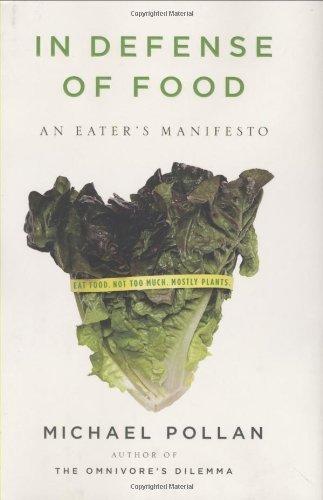
In Defense of Food by Michael Pollan urges you to rethink what you eat by cutting through the noise of modern nutrition advice. Pollan starts by pointing out that most of us eat substances our grandparents wouldn’t recognize as food. He calls this phenomenon “nutritionism,” the idea that we should focus on individual nutrients rather than whole foods. By obsessing over fat grams or antioxidants, we lose sight of what matters most: eating real, traditional foods in sensible amounts.
Pollan traces how Western culture shifted from meals prepared at home to diets built around refined ingredients and industrial additives. He shows how food science and marketing teamed up to turn us into nutrient shoppers. Suddenly, breakfast cereals touted single vitamins, and margarine promised heart health. Meanwhile, fruits and vegetables got sidelined. This change led to an explosion of diet books and conflicting rules, yet obesity and disease surged.
To understand how to eat better, Pollan revisits the so-called omnivore’s dilemma: humans can eat countless things, but not every option is wise. He argues that our evolved taste system can guide us when we learn to trust it again. Traditional cultures didn’t pore over nutrition labels. They relied on trial and error, festival foods, and cooking rituals. Those habits linked food to community and health rather than to diet plans and guilt.
Pollan condenses his advice into a simple mantra: “Eat food. Not too much. Mostly plants.” These three phrases may seem trivial, but they cut through layers of confusing claims and counterclaims. He explains you’ll avoid most processed items by sticking to that rule.
He unpacks “eat food” by defining food as what our great-grandparents ate—ingredients you couldn’t list in a laboratory report. This rule sends you toward whole grains, fresh produce, roots, nuts, and seeds. It steers you away from products with unpronounceable additives or health claims engineered by marketers.
In fleshing out “not too much,” Pollan highlights how we’ve abandoned clear hunger cues. Restaurants oversize their portions, and packages tempt us to polish off extras. He advises you to pause at two-thirds full, use smaller plates, and enjoy meals without distraction. By slowing down, you learn to stop eating before you’re stuffed.
Turning to “mostly plants,” Pollan contends that a plant-centered diet lowers chronic-disease risk. He doesn’t ban meat outright, but he urges moderation. Lean proteins, fish, and occasional pasture-raised meat are fine, but they shouldn’t dominate your meal. Vegetables, fruits, beans, and whole grains should take center stage.
He critiques the low-fat craze of the late twentieth century. As fat grams fell out of favor, food makers added sugar to maintain taste. Suddenly, fat gave way to high-fructose corn syrup, fructose-laden snacks, and diet soda. Pollan reminds you that dietary fat isn’t the enemy—empty calories and refined starches are.
Then Pollan shifts to cooking. He laments how few people now cook from scratch and praises the few who still do. Cooking reconnects you with ingredients, flavor, and seasonal cycles. It also lets you control oils, salt, and sugar, which industrial kitchens layer on without restraint.
The book also examines the cultural rituals around meals. Pollan cites Mediterranean and Asian traditions, where family-style dining and communal plates slow the pace and strengthen bonds. Those societies report lower obesity and longer lifespans. He suggests we borrow elements like shared dishes, lax finished-plate rules, and alcohol in moderation.
He dives into three traditional cuisines to illustrate success stories: Japanese diets in Okinawa, Greek meals in Crete, and Italian fare in Sardinia. All rely on garden-fresh produce, modest meat portions, olive oil, and a relaxed meal tempo. In these places, birthdays and weddings still revolve around lengthy feasts.
Pollan warns against extremes—Atkins, Paleo, South Beach, and the like. Each offers quick fixes that ignore the wisdom built into local food traditions. By cherry-picking nutrients or demonizing entire food groups, these diets sow confusion and often backfire.
He also explores the supermarket’s inner workings, from the produce aisle’s deceptive freshness to the snack aisle’s engineered addictiveness. Pollan encourages you to shop the perimeter and avoid middle-aisle temptations. He underscores reading ingredient lists and discovering new whole foods.
In the final chapters, Pollan confronts food policy and industrial agriculture. He argues that subsidies for commodity crops—corn, soybeans, and wheat—flood our diet with cheap refined products. He calls for policy shifts toward supporting fruits, vegetables, and sustainable farming. That change, he believes, would boost public health and preserve the environment.
Ultimately, Pollan asks you to become what he calls a “culinary citizen.” That means taking responsibility for your food choices, engaging with farmers, cooking at home, and supporting sensible regulations. By returning to simple, whole foods and reviving the rituals around meals, you not only nourish yourself but also help build a healthier food system for everyone.
Detailed Summary
Key Takeaways
1. Eat Real Food
“Eat food. Not too much. Mostly plants.”
Back to Basics: Pollan urges us to return to simple, whole foods rather than engineered products. He defines “food” as items our great-grandparents would recognize. This approach steers us away from additives, synthetic ingredients, and excessive processing.
He breaks down the slogan into three parts. First, “Eat food” means choose ingredients with few ingredients on the label. Second, “Not too much” reminds us to pay attention to portion sizes and avoid constant snacking. Third, “Mostly plants” highlights vegetables, fruits, grains, legumes, nuts, and seeds as staples of a healthy diet.
Shifting Consumer Choices: This simple rule has influenced millions to rethink supermarket aisles. Farmers’ markets, community gardens, and farm‐to‐table restaurants have grown in popularity. These movements challenge large food manufacturers by creating demand for local, seasonal produce.
On policy levels, guidelines in some school lunch programs have shifted toward more fruits and vegetables. Grocery chains now label items as “minimally processed” or “whole.” Touching everyday life, this takeaway reshapes how people grocery shop, cook at home, and dine out.
Key points:
- Defines real food by ancestral recognition
- Encourages portion control
- Centers plant‐based nutrition
- Discourages synthetic additives
- Drives food industry transparency
2. Critique of Nutritionism
“The idea that we eat nutrients, not food, has brought on a host of unintended consequences.”
Beyond Nutrient Counting: Pollan criticizes nutritionism, the belief that we can reduce food to its individual nutrients and calories. He argues this view has led to a reliance on fortified products and diet gimmicks. Focusing solely on protein, fat, or vitamin content misses how whole foods interact in our bodies.
He traces nutritionism's rise to scientific discoveries in the early 20th century. As researchers isolated vitamins and compounds, food marketers began to advertise products by their nutrient profile. This trend diverted attention from food quality, eating patterns, and cultural traditions.
Unintended Industry Shifts: Nutritionism spurred a surge in low‐fat, high‐protein, and fiber‐enhanced processed foods. Consumers mistook engineered snacks for healthy choices, often consuming more sugar or artificial additives. This shift contributed to obesity and chronic diseases rather than solving them.
Today, experts and consumers challenge nutrient‐only metrics. Whole diet studies show that meals matter more than isolated nutrients. Pollan’s critique prompts researchers to study eating patterns and gut microbiomes, reshaping public health recommendations.
Key points:
- Defines nutritionism and its origins
- Warns against reductionist thinking
- Exposes marketing tactics
- Connects to chronic disease trends
- Promotes holistic diet research
3. Value of Traditional Diets
“Traditional diets were shaped by thousands of years of trial and error. They work.”
Wisdom in Heritage: Pollan examines diets from Okinawa to the Mediterranean and finds common themes: whole grains, seasonal produce, lean proteins, and minimal processing. These eating patterns emerged in local contexts, adapted to climate, culture, and available resources.
He contrasts them with the Western diet’s rapid industrialization since World War II. Traditional diets often center community meals, respect for ingredients, and celebration of seasonal harvests. They carry a built‐in balance that modern food science struggles to replicate.
Model for Future Guidelines: Researchers study traditional diets to craft new dietary guidelines. Okinawan longevity research and Mediterranean heart‐health studies are now mainstays in nutrition advice. Policy makers include cultural context when drafting school menus or public campaigns.
On a community level, cultural food festivals and cooking classes help revive lost traditions. These programs honor heritage while improving health. They demonstrate that old wisdom can guide modern food systems toward sustainability and well‐being.
Key points:
- Highlights global dietary patterns
- Reveals ancestral trial‐and‐error
- Contrasts with modern Western diet
- Informs public health guidelines
- Revives cultural food heritage
4. The Problem with Processed Foods
“Processed foods account for two‐thirds of our calories.”
Hidden Ingredients: Pollan reveals how manufacturing adds sugar, salt, and fat to attract our taste buds. He outlines levels of processing: from barely altered (washed, dried) to ultra‐processed (formulated from industrial ingredients). The latter often pack cheap calories but few nutrients.
He warns that hyperpalatable foods override our natural appetite controls. Companies engineer products to keep us eating, employing food scientists who study flavor and texture. This manipulation undermines our ability to sense fullness and leads to overconsumption.
Health and Environmental Impact: High consumption of ultra‐processed items links to obesity, diabetes, and heart disease. Medical research increasingly points to additives disrupting gut health and metabolism. Meanwhile, large‐scale production drains resources and generates waste.
Grassroots efforts push for clearer labeling and taxes on sugary drinks. Some cities limit fast‐food outlets near schools. At home, more people start cooking from scratch to reduce processed intake. These shifts signal a move toward healthier, more sustainable food systems.
Key points:
- Defines levels of processing
- Exposes flavor engineering
- Links to appetite dysregulation
- Connects to chronic disease
- Encourages clearer labeling
5. Mindful Eating Matters
“When you eat, be aware of doing so.”
Reclaiming Attention: Pollan stresses the act of eating as an experience, not a task. He encourages mindful practices: sitting at a table, chewing slowly, and appreciating flavors. This contrasts with distracted eating—snacking in front of screens or eating on the go.
By engaging senses and social context, we restore hunger cues and satisfaction signals. Mindful eating also honors the effort behind food production. It fosters a stronger connection between plate, palate, and planet.
Behavioral Change: Studies show that people who eat mindfully make healthier choices and report greater satisfaction. Mindful schools and workplace programs reduce snack consumption. Chefs and dietitians integrate mindfulness into cooking classes.
Culturally, redefining meals as communal events strengthens social bonds. Communities share potlucks, food salons, and dinner circles. These practices build resilience against corporate food culture and remind us why we eat together.
Key points:
- Highlights mindfulness in meals
- Warns against distracted eating
- Restores hunger and fullness cues
- Strengthens social bonds
- Builds respect for food origins
6. Food Rules Simplified
“If it came from a plant, eat it; if it was made in a plant, don’t.”
Clear Guidance: Pollan offers short, memorable maxims—65 in total—to cut through diet confusion. They range from “Don’t eat breakfast cereals that change the color of the milk” to “Avoid foods with health claims on the label.” Each rule distills complex research into actionable advice.
These rules serve different situations: shopping, cooking, dining out, or raising children. They navigate the modern food landscape by focusing on ingredient quality, preparation methods, and context of eating rather than calorie counting.
Practical Impact: Consumers embrace these food rules because they’re easy to remember. They guide shopping lists and restaurant choices. Schools adopt them in cafeteria programs.
Food entrepreneurs design products that fit the rules, labeling ingredients frankly. Home cooks use the rules to teach kids good habits. The simplicity encourages lasting change rather than quick fixes.
Key points:
- Offers 65 simple maxims
- Covers various eating contexts
- Focuses on ingredient quality
- Influences industry labeling
- Supports sustainable habits
Future Outlook
Pollan’s arguments continue to shape research and policy. Scientists now explore the combined effects of whole‐food diets on gut health rather than isolating single nutrients. Policy makers consider food culture and community in crafting dietary guidelines, moving beyond mere nutrient tables.
On a societal level, the farm‐to‐fork movement gains momentum. Urban agriculture, school gardens, and cooperative models expand. These efforts reflect Pollan’s call to reconnect with food origins and honor ecological systems.
In the years ahead, technology may aid but not replace mindful eating. Apps will track food sourcing and meal experiences rather than just calories. Ultimately, Pollan’s core lesson—that food is more than fuel—will guide future innovations toward human and planetary health.







