
Summary
I Know Why the Caged Bird Sings by Maya Angelou traces a young Black girl’s journey through hardship to self-acceptance in the segregated American South. Maya and her brother, Bailey, are sent to live with their grandmother in Stamps, Arkansas, after their parents’ troubled marriage forces them apart. The town’s tight-knit community responds with warmth, yet layers of racial prejudice shape their daily lives. Through Angelou’s vivid recollections, we see how early trauma imprints on her sense of worth.
Life at Mrs. Henderson’s general store reveals both comfort and constraint. The store anchors the Black community, offering work and belonging. But segregation laws keep Maya and Bailey separate from white customers. Angelou paints keen portraits of neighbors who uplift the family through kindness and strong faith. Their Sunday church services ring out with joy, even as the world beyond remains hostile.
Trauma strikes when a trusted cousin, Mr. Freeman, abuses Maya during a visit. The betrayal shatters her innocence and pushes her into silence. Unable to speak about her pain, Maya builds a protective shell. She retreats into books and observation to process the horror. This silence becomes both defense and burden as she wrestles with self-blame.
When her mother, Vivian, reclaims Maya and Bailey for a stint in St. Louis, Maya catches a glimpse of urban life. Vivian’s free spirit and stylish flair astonish her daughter. Yet Maya still carries the shadow of abuse. Vivian introduces her to social circles where manners and appearance count. Maya learns to adjust but still feels adrift.
Resuming school, Maya discovers her voice through recital and poetry. Under Mrs. Flowers’s guidance, she learns to speak aloud again. This mentorship rekindles Maya’s belief in her own worth. She practices pronunciation and rhythm, restoring confidence. Language becomes her salvation and statement of identity.
Back in Stamps as she nears adolescence, Maya wrestles with questions of race and beauty. Southern racism presses in through signs, segregated seating, and taunts from white children. Yet Maya finds pride in her grandmother’s dignity and Bailey’s steadfast loyalty. Their love forms a bulwark against hatred. Maya begins to see herself as more than society’s limited view.
At age fifteen, Maya endures a crisis of identity when rape leads to pregnancy. The shame and fear feel unbearable. But Vivian and Bailey rally around her, refusing to let her face the world alone. She gives birth to a son, Clyde, and briefly takes on motherhood’s mantle. This role teaches Maya about resilience and compassion under pressure.
Soon afterward, Maya returns to Stamps and confronts jealousy and gossip. The town’s whispers sting, but she gains strength from her grandmother’s resolve. Mrs. Henderson refuses to let gossip define her granddaughter’s worth. This support helps Maya reclaim her story. She sees that love can shield against cruel judgment.
In her late teens, Maya moves to Oakland to live with Vivian once more. The shift to the West Coast brings new challenges: crowded streets, financial struggles, and single parenthood’s strains. Maya juggles odd jobs and school. Still, she finds community among Black neighbors and her mother’s friends. Those bonds ease her transition.
A key turning point arrives when Maya wins a scholarship to study dance and drama at a California high school. Immersed in performance, she channels her experiences into art. Dance rehearsals demand discipline; acting classes ask her to inhabit others’ lives. Through these challenges, Maya hones her voice further. She also senses a path forward beyond the narrow confines of her youth.
Meanwhile, she takes a summer job at a department store’s perfume counter. There, she learns about poise and customer care. She dotes on elegant scents and tailored uniforms. The work teaches her dignity in labor and grace in interactions. Each shift sharpens her awareness of social codes and inner strength.
As Maya nears adulthood, she traces her progress from a frightened child to a confident young woman. She reflects on how reading and performance saved her voice. She marvels at the bonds built in Black churches and shops. Angelou shows us that community and art can heal even the deepest wounds.
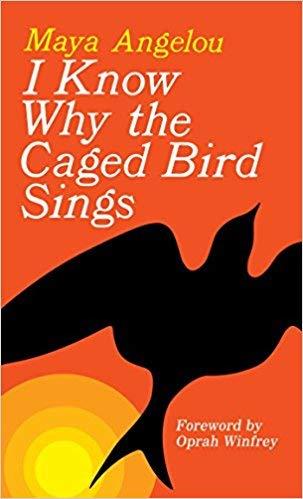
The memoir closes with Maya’s sighting of a caged bird in her grandmother’s yard. Though its wings strain against steel bars, its song remains clear. Angelou likens this bird to herself—trapped by racism and trauma yet unstoppable in spirit. The image resonates as a testament to hope.
I Know Why the Caged Bird Sings rings with resilience. Angelou’s frank style brings readers alongside her, sharing every ache and triumph. She never shies from darkness, but she never lets it define her. Instead, she crafts a narrative of survival, love, and the power of a voice reclaimed.
Angelou’s memoir endures because it speaks universal truths about fear, belonging, and self-worth. By the end, you sense that Maya’s song is far from silenced. It soars above bars and bitter echoes. You feel her strength rising, urging every reader to claim their own voice and never stop singing.
Detailed Summary
Key Takeaways
1. Finding One’s Voice
“There is no greater agony than bearing an untold story inside you.”
Personal Expression: Maya Angelou opens her memoir by showing how silence can crush a young soul. Hurt by trauma and prejudice, she buries her pain. Yet, she also hints that reclaiming her story will free her.
Through schooling and poetry, Maya learns to speak for herself. At first she uses words to fit in, to survive. Then she discovers that language can heal. The act of telling her truth marks the start of her journey toward freedom and self-worth.
Empowering Narratives: Angelou’s insistence on speaking out changed memoir writing. Her raw honesty broke barriers around race, gender, and trauma. Readers everywhere saw the power in owning one’s past.
Her words inspired later writers to share painful secrets. Schools now include her work to teach resilience and empathy. The idea that personal pain can fuel art reshaped how literature handles trauma.
Key points:
- Silencing pain deepens suffering
- Storytelling fosters healing
- Language builds identity
- Memoir as a form of empowerment
- Angelou’s influence on contemporary writers
2. Confronting Racism
“Prejudice is a burden that confuses the past, threatens the future and renders the present inaccessible.”
Racial Oppression: Angelou recounts life in Arkansas and California under Jim Crow. She paints vivid scenes of segregation in schools and public spaces. She shows how racism warped both her self-image and her worldview.
Maya endures insults, threats, and shame. These experiences shape her sense of injustice. Despite fear, she also learns to push back. She gains courage by witnessing black role models and finding mentors who affirm her worth.
Historical Reckoning: Her candid recollections put readers face to face with everyday bigotry. She offers no easy comfort. Instead, she urges society to confront its own cruelty.
Schools and community groups cite her work in discussions on race. Activists refer to her strength in confronting injustice. By weaving personal narrative with social critique, she sets a model for honest racial dialogue.
Key points:
- Jim Crow’s everyday cruelty
- Psychological toll of prejudice
- Resistance through dignity
- Mentorship as salvation
- Legacy in anti-racism education
3. Overcoming Trauma
“Hoping for the best, prepared for the worst, and unsurprised by anything in between.”
Emotional Resilience: Angelou endures sexual abuse at eight, then falls silent. She speaks only through her pen. This trauma could have destroyed her. But she uses poetry and performance to heal.
By channeling pain into art, Maya rebuilds her self-worth. She finds refuge in books and mentors. These outlets allow her to face her past without surrendering to it.
Modeling Survival: Her story gave survivors a way to speak out. She showed that trauma need not define one’s destiny. Her courage opened conversations on child abuse and recovery.
Counselors and educators use her memoir to discuss healing strategies. Readers see how creative expression supports resilience. Her life proves that growth can spring from deep wounds.
Key points:
- Childhood sexual trauma
- Artistic outlets for pain
- Silence as a coping strategy
- Healing through mentorship
- Influence on trauma literature
4. The Power of Literature
“Words mean more than what is set down on paper. It takes the human voice to infuse them with shades of deeper meaning.”
Literary Salvation: Books offer Maya an escape from hardship. Black authors and poets teach her possibilities beyond her circumstances. She devours works by writers like Paul Laurence Dunbar and Shakespeare.
Reading awakens her ambition. She begins writing verse that echoes her experience. Literature becomes a tool of self-discovery and empowerment, guiding her toward confidence.
Educational Influence: Angelou’s praise for reading boosted literacy programs. Libraries and schools cite her journey to show children the life-changing power of books.
Her memoir inspired book clubs and writing workshops aimed at at-risk youth. They use her example to foster creativity, critical thinking, and self-expression among students.
Key points:
- Books as refuge
- Black literary heritage
- Writing to process pain
- Libraries’ role in empowerment
- Legacy in literacy advocacy
5. Female Solidarity
“Mama explained that in those days Black people were almost scared to be exceptional.”
Community and Support: Angelou’s grandmother and mother shape her resilience. They teach her self-respect and faith. Their contrasting styles—grandmother’s stern discipline and mother’s protective warmth—anchor Maya.
Friendships with women like Mrs. Flowers further nurture her spirit. They introduce her to poetry and instill pride. Through female bonds, Maya learns that shared strength can overcome isolation.
Strength in Sisterhood: Her depiction of black women’s networks uplifts feminist discourse. She shows how communal care undergirds survival in hostile environments.
Women’s groups and scholars reference her tales to highlight mentorship. They point to Angelou’s relationships as examples of collective empowerment. Her narrative still resonates in conversations on womanhood and solidarity.
Key points:
- Grandmother’s moral guidance
- Mother’s protective influence
- Mrs. Flowers’s literary mentorship
- Sisterhood against adversity
- Feminist impact of memoir
6. Redefining Identity
“I am a Woman Phenomenally. Phenomenal Woman, that’s me.”
Self-Realization: By the book’s end, Maya emerges not simply as a survivor but as a proud black woman. She reclaims her identity by celebrating her strengths rather than hiding her scars.
She forges a path through jobs, friendships, and artistic pursuits. Each choice reflects her growing confidence. She defies stereotypes by proving her own worth in word and deed.
Cultural Icon: Angelou’s affirmation of black womanhood became a rallying cry. Her phrase “Phenomenal Woman” echoes in speeches and art. She shifts the narrative from victimhood to empowerment.
Today, women of all backgrounds claim her words as their own. The memoir continues to shape discussions on identity politics and self-esteem. Her example endures as a blueprint for personal liberation.
Key points:
- Evolution from silent child to speaker
- Career and creative pursuits
- Defying social expectations
- “Phenomenal Woman” legacy
- Influence on identity discourse
Future Outlook
Angelou’s memoir still guides readers toward authentic self-expression. As future generations grapple with social injustice and trauma, her example shows that personal stories can drive collective healing. Her bravery in naming her pain continues to encourage candid conversations around mental health and abuse.
Looking ahead, educators and community leaders will keep drawing on her work to teach empathy and resilience. As digital media fragments our attention, her voice reminds us why deep listening and storytelling matter. Moreover, her book inspires new memoirists to confront harsh truths and craft narratives that unite rather than divide.
In policy circles, her emphasis on education and community underscores the need for supportive networks. Programs that blend arts, literacy, and mentorship echo Angelou’s path. By championing personal voice and solidarity, her legacy shapes both cultural dialogue and practical efforts to build stronger, more compassionate societies.







