SUMMARY
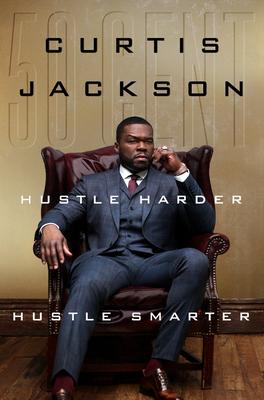
Hustle Harder, Hustle Smarter, coauthored by 50 Cent and Robert Greene, blends hard–won street lessons with timeless strategies to give readers a blueprint for success. They start by showing how self–awareness forms the bedrock of any hustle. You’ll learn to recognize your natural strengths and weaknesses, then use them to your advantage rather than fighting against your character.
Next, the authors stress the power of clear goals. Vague dreams won’t carry you far. Instead, break every aim into concrete steps. Picture each milestone as a checkpoint in a video game. You level up by hitting targets and learn from every mistake along the way.
They introduce the concept of “controlled focus,” where you concentrate your energy on one project at a time. Multitasking seems heroic, but it scatters your power. Greene and 50 Cent argue that deep focus produces better results and more creative breakthroughs.
In chapters that follow, you’ll see how to cultivate discipline. They don’t sugarcoat it: routines can feel dull. Yet they’re vital if you want traction. The authors share 50 Cent’s own regimen—early workouts, strict budgets, and daily reading—and show how small rituals pave the path to big wins.
Decision making takes center stage next. You’ll learn to weigh risks swiftly and avoid analysis paralysis. 50 Cent recalls betting on a fledgling alcoholic beverage business when no one else would. His gut call paid off, proving that bold but informed bets separate leaders from bystanders.
Meanwhile, setbacks aren’t roadblocks but detours. Greene digs into the psychology of resilience, teaching you to reframe failure as feedback. He offers a five–step recovery plan: own the error, study what went wrong, adjust your tactics, rebuild confidence, and charge forward.
Marketing yourself also matters. You’re both artist and advertiser. 50 Cent tells how he built his brand from mixtapes to movies, always staying ahead of trends. He recommends creating a personal narrative that people believe in—a mix of authenticity and flair that makes you memorable.
The authors then shift to negotiation skills. You’ll discover why listening can be your greatest weapon. By asking open questions and letting the other side talk, you gather clues that tip the balance in your favor. They give real–life examples where a well–timed silence closed multimillion–dollar deals.
Time management surfaces as more than a to–do list. They introduce the “priority pyramid,” where tasks stack by urgency and impact. Urgent chores belong at the base but shouldn’t eclipse high–impact projects at the top. Protect those precious hours for work that truly moves the needle.
Next, they dive into alliances and environment. You can’t rise alone. They show how to recruit allies without looking needy. Offer value first—advice, connections, or a small favor—and watch reciprocal goodwill grow. Surrounding yourself with winners elevates your own game.
Money matters get a chapter of their own. 50 Cent warns against both reckless splurges and paralyzing frugality. He suggests a “split–account” system: one fund for living expenses, another for investments, and a third for reinvested profits. This setup balances security with growth.
They also tackle burnout. Hustle culture often glorifies exhaustion, but overwork kills creativity. Greene prescribes deliberate rest—creative hobbies, short naps, or tech–free weekends—to recharge your mind. A fresh mind solves problems faster than one running on empty.
Toward the end, the authors weave in portraits of famous hustlers—artists, entrepreneurs, and athletes. Each anecdote underscores a principle: Kobe’s obsession with practice, Oprah’s knack for emotional connection, Elon Musk’s tolerance for risk. These stories humanize the rules and show them in action.
In the final pages, Greene and 50 Cent remind you that hustling smarter never stops. The landscape shifts, and so must you. They urge constant learning, fierce adaptability, and a hunger for fresh challenges. Success is not a static trophy but a living, evolving journey.
By the close, readers hold a toolkit stacked with psychological insights, tactical methods, and real–world examples. Hustle Harder, Hustle Smarter doesn’t promise overnight wealth. Instead, it charts a disciplined path, one built on tough self–knowledge and smart strategy. Follow it, and you’ll find yourself not just working harder, but working wiser too.
DETAILED SUMMARY
Key Takeaways
1. Embrace Relentless Adaptation
“You learn fast or you get left behind.”
Adaptive Hustle: 50 Cent stresses that any pursuit demands constant flexibility. If you rely on old methods alone, you risk stagnation. Instead, you must watch the field, notice shifts, and revisit your approach without ego.
He shows how his music career thrived when he shifted from gangster rap to more melodic hooks. That pivot didn’t betray his roots. It showed his willingness to experiment. That same mentality applies to any venture—expose yourself to new angles and stay ready to rewrite your plan.
Ultimately, adaptation means learning under pressure. It means testing ideas in real time. You refine your methods in the marketplace, not in theory. That process builds durable success more than rigid blueprints ever could.
Survival Through Change: Historically, those who resist change often fade. In the music industry, artists who stuck to one mold lost ground to evolving trends. 50 Cent’s career offers a counterpoint—he thrived by shifting styles while preserving credibility.
In business, startups that adapt their products to user feedback succeed more often than those clinging to an original design. This insight has spurred a lean methodology in Silicon Valley: small experiments, rapid iteration, quick course corrections. Adaptation becomes a competitive edge rather than a last resort.
On a societal level, entire industries transform when they embrace new tools. Publishing moved from print to digital platforms. Retail adapted to e-commerce. Those who denied the shift fell behind. In each case, proactive change led to growth, resilience, and market leadership.
Key points:
- Monitor shifts in your environment continuously
- Test new ideas rapidly in real situations
- Discard failing methods without hesitation
- Learn on the job rather than theorizing endlessly
- Balance innovation with core strengths
2. Build Strategic Alliances
“Your network is your net worth.”
Power in Partnerships: Robert Greene and 50 Cent highlight that alliances amplify your reach. Going solo can work up to a point. Yet when you link skills with others, you unlock resources you lack. Collaboration becomes a force multiplier.
They recount how 50 Cent teamed with Eminem and Dr. Dre. Those connections skyrocketed his exposure. He brought raw energy; they brought established platforms. Together, they created a brand far stronger than any single act could.
Any entrepreneur or creative benefits similarly. Choose collaborators whose strengths offset your weaknesses. Seek mentors who guide you. Align with partners who share your vision. Those relationships pave access to capital, audiences, and expertise.
Mutual Gain Over Lone Heroics: Across history, alliances have reshaped power dynamics. In politics, coalitions win elections that solo figures struggle to secure. In business, joint ventures enable market entry that would be cost-prohibitive alone.
The entertainment world illustrates that too: supergroups form when big names team up, boosting ticket sales and media attention. Actors co-produce to fund risky scripts. Each collaborator brings fans and resources to the set.
In social movements, networked activists amplify each other’s message. They share platforms, coordinate events, and pool funds. That synergy drives change faster than isolated protests. Hence, strategic alliances remain a vital tactic for expanding influence.
Key points:
- Identify partners whose skills complement yours
- Aim for win-win outcomes in every deal
- Leverage each other’s audiences and assets
- Cultivate mentors to guide your ascent
- Maintain mutual respect and clear communication
3. Master the Art of Timing
“Strike when the iron is hot, but prepare long before.”
The Tempo of Action: Timing can transform mediocre plans into resounding successes. 50 Cent argues that hasty moves often fall flat if you lack groundwork. Yet waiting indefinitely invites missed windows. You achieve mastery by sensing the moment and acting decisively.
He describes how he delayed releasing an album until buzz peaked. That wait cost him extra months, but the buildup created explosive demand. Conversely, dropping songs too early or too late risks audience disinterest.
This balance applies to any launch—product, service, campaign. You prepare tirelessly behind the scenes: refine strategy, build support, and watch market signals. Then you execute when momentum lines up behind you.
Exploiting Career Opportunities: In sports, teams practice for years but only win championships when every player clicks at once. In finance, investors earn the highest returns by entering or exiting markets at critical junctures.
Blockbuster films bank on summer releases for maximum box office. Tech companies plan product unveilings around investor conferences and holiday seasons. They time announcements to dominate news cycles.
This principle extends to personal careers. Networking before an opportunity emerges means you already have contacts. Skill-building ahead of job openings positions you as the ideal candidate the moment recruiters search. Timing and preparation together drive breakthrough results.
Key points:
- Monitor market or cultural signals closely
- Cultivate readiness long before execution
- Align launches with peak demand periods
- Avoid both premature and overly delayed actions
- Combine patience with swift follow-through
4. Cultivate Relentless Confidence
“Doubt kills more dreams than failure ever will.”
Mindset Over Mechanics: Without confidence, skills lie dormant. 50 Cent narrates how he backed every performance with swagger, even when uncertain. That boldness compelled audiences to believe in him first, then he delivered to maintain credibility.
He insists that you rehearse confidence daily—through affirmations, small wins, and role-playing scenarios. Over time, you internalize that self-belief, making it second nature in front of any crowd or boardroom.
Confidence becomes a self-fulfilling prophecy. When you act assured, people listen. That grants you further opportunities. Then your wins reinforce your faith. The cycle builds momentum, crushing doubt.
Social Capital Through Boldness: Charismatic leaders inspire followings even before policy specifics emerge. They speak with conviction and rally supporters. That pulls resources, media attention, and credibility into their orbit.
In sales, confident pitches close more deals. Clients want assurance that you know your product. Even in negotiations, projecting strength wins concessions. Opponents yield more readily to someone who radiates self-assurance.
On a personal level, confident behavior reduces social anxiety. It eases networking. It prompts you to ask for raises and promotions. Ultimately, confidence accelerates career advancement in ways raw talent alone cannot.
Key points:
- Practice daily affirmations to reinforce belief
- Visualize success in concrete detail
- Own small wins to compound self-esteem
- Maintain confident body language and tone
- Use role-play to prep for high-pressure situations
5. Leverage Scarcity and Urgency
“Make them chase the prize, not the pursuit.”
Psychology of Value: People assign higher value to rare or time-limited offerings. Greene and 50 Cent emphasize deliberately limiting access to heighten demand. Scarcity and urgency create a psychological pull that drives action.
They describe exclusive mixtapes dropped only on certain dates. Fans scramble to download, talk it up, and cause viral buzz. That tactic fuels anticipation for full-length albums.
In business, limited-edition products or flash sales trigger rapid purchases. You tap into FOMO—fear of missing out. Careful orchestration of scarcity transforms ordinary offerings into coveted assets.
Driving Engagement and Sales: Retailers use countdown timers to push buyers off the fence. Event promoters sell early-bird specials. Tech companies release beta invites to select users. All these strategies hinge on perceived scarcity.
Non-profits employ match campaigns where donations double until a deadline. That sense of urgency spurs contributions more than standard appeals.
In social media, drop culture thrives on surprise releases. Followers share content instantly to secure access. The hype generated by scarcity and urgency cements brand loyalty and magnifies reach.
Key points:
- Limit availability to heighten perceived value
- Set clear deadlines for offers
- Use exclusive previews to build hype
- Tap into FOMO with time-sensitive deals
- Balance scarcity with genuine quality
6. Transform Setbacks into Fuel
“Every hit you take writes your comeback story.”
Resilience Through Failure: 50 Cent turned near-death into a narrative of invincibility. He got shot nine times, yet he rose stronger. The incident didn’t end his career. He framed it as proof of survival, which boosted his legend.
He argues that setbacks contain lessons. You mine them for insights on weak spots. Then you rebuild with improved tactics. That cycle of failure, reflection, and recalibration cements long-term success.
Rather than hiding defeats, you spotlight them as badges of honor. That authenticity resonates with supporters who see you as relatable and unbreakable.
Cultural Impact of Resilience: Public figures who share their struggles create deeper bonds with fans. Athletes who return from injuries often command more respect than those who coasted to victory. Their stories inspire others to persevere.
In entrepreneurship, investors favor founders who learn from early pivots rather than those who enjoyed smooth launches. Those who overcame hurdles show grit—an attribute valued in high-risk ventures.
On a societal scale, communities rebound after disasters by rallying around recovery narratives. Each comeback story sparks collective hope. Hence, reframing setbacks cultivates collective and personal momentum.
Key points:
- Analyze failures for root causes
- Share setbacks to build trust
- Use obstacles as plot points in your story
- Develop a rebuild plan after each setback
- Celebrate resilience publicly
Future Outlook
As the gig economy expands, hustlers will need these strategic tools more than ever. Platforms will reward those who adapt fast, forge alliances, and master timing. In a world where attention spans shrink, the art of scarcity and urgency will only grow more potent.
We’ll see new technologies—AI, blockchain, social media—reshape how we network and market ourselves. Those who apply 50 Cent’s mindset will inject creativity into each algorithmic feed and digital channel. They’ll combine old-school hustle with cutting-edge tactics.
Finally, resilience will remain the cornerstone. Economic cycles, disruptive trends, global crises—they all test our resolve. By transforming setbacks into fuel, future entrepreneurs and artists will shine even brighter. Their comebacks will define the next era of innovation and influence.







