SUMMARY
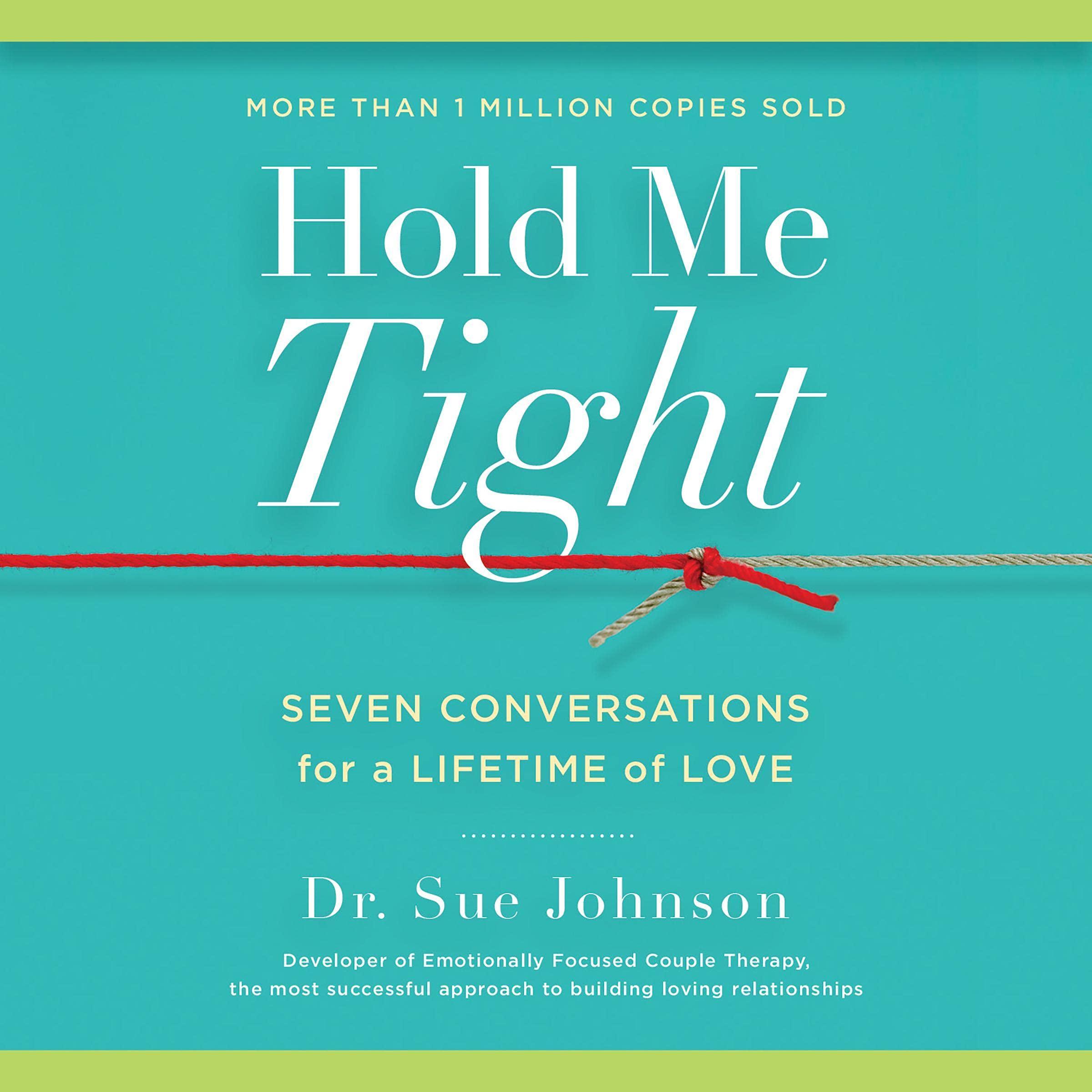
Hold Me Tight: Seven Conversations for a Lifetime of Love by Dr. Sue Johnson offers couples a clear roadmap for deepening emotional bonds and healing rifts. Drawing on decades of research in Emotionally Focused Therapy (EFT), Johnson shows how partners can escape negative patterns and create lasting intimacy. Her approach centers on seven key conversations, each designed to help couples understand and respond to each other’s emotional needs. By guiding partners through these dialogues, the book reveals how secure attachment fosters love that endures.
In the first conversation, "Recognizing the Demon Dialogues," couples learn to spot the two destructive patterns—find-the-bad-guy and protest-polka—that trap them in blame and withdrawal. Johnson explains how these cycles arise from unmet attachment needs. She uses vivid examples—a husband who storms out after a criticism, a wife who retaliates with silent treatment—to show how partners unknowingly trigger each other. By naming these patterns, couples can step back and see how they lock themselves into conflict. That awareness alone can start to loosen the cycle.
Next, Johnson introduces “Finding the Raw Spots,” where each partner identifies past emotional wounds that make them hypersensitive. She invites couples to share moments when a hurt resurfaces—perhaps a fear of abandonment or a dread of rejection. In one account, a woman tears up when her husband fails to acknowledge her stress at work; her old fear of being unseen floods back. Recognizing these raw spots helps partners understand why a small comment can feel like a deep betrayal. It’s the first step toward compassion.
The third conversation, “Revisiting a Rocky Moment,” guides couples in going back to a recent conflict and talking it through with new eyes. Johnson offers a step-by-step script: one partner describes their inner fear, the other listens and validates, then they swap roles. This gentle process transforms arguments into moments of connection. Johnson recounts a couple who fought over chores but, through this exercise, realized they both feared being taken for granted. They learned to soothe each other’s anxieties rather than keeping score.
In “Hold Me Tight,” the fourth conversation, partners learn to seek and give comfort in real time. Johnson stresses that love isn’t just passion—it’s a safe haven. She shows how a simple request—a gentle touch or a caring question—can calm fears and draw partners closer. One couple practices saying, “I really need you right now,” and finds their defenses melt. When you can turn toward each other instead of away, trust grows and emotional walls fall.
The fifth conversation, “Forgiving Injuries,” helps partners heal past hurts by expressing their pain and unmet needs. Johnson acknowledges that some wounds cut deep—betrayal, infidelity, harsh criticism. She guides couples through a forgiveness dialogue where the injured partner speaks their hurt and the other listens with empathy. Then they explore what each needs to move forward. In one story, a wife finally voices how her husband’s secret spending felt like abandonment, and he responds with heartfelt regret. That exchange paves the way for genuine forgiveness.
Conversation six, “Bonding Through Sex and Touch,” explores the link between physical intimacy and emotional connection. Johnson argues that sex thrives when partners feel safe and emotionally present. She encourages couples to talk about their desires, fears, and fantasies in a safe space. One couple, long stuck in a routine, rediscovers spark by admitting they missed playful touch. They experiment with non-goal-oriented intimacy—a simple handhold, a lingering hug—and find it reignites desire. Johnson shows that sex is an attachment behavior, not just a pleasure act.
The final dialogue, “Keeping Your Love Alive,” turns to the future and how couples can keep practicing these conversations. Johnson stresses that love needs ongoing care—like a garden. She offers small rituals: weekly check-ins, nightly “love maps” where partners share a new fact about themselves, and random moments of affection. She tells of a couple who sets aside ten minutes each evening to ask, “How was your day?” That simple practice prevents drift.
Johnson doesn’t just list conversations; she lays out the science behind them. She explains how our brains respond to attachment threats by flooding us with stress hormones. When partners reach out and soothe each other, those chemicals recede and bonding chemicals like oxytocin increase. Understanding this biology gives couples a new sense of hope—they’re not merely arguing, they’re battling a natural survival mechanism. EFT teaches them to override that mechanism with love.
Throughout the book, Johnson shares stories from her clinical practice—couples on the brink of divorce who rediscover connection, partners who find new empathy for each other’s pain, even those who overcome trauma by leaning on their relationship. These anecdotes feel real because she includes the messy back-and-forth of actual sessions. We hear the missteps and the breakthroughs, the tears and the laughter. Those stories offer both proof and inspiration that change is possible.
Johnson also addresses common stumbling blocks. She warns against shallow apologies that ignore the real hurt, “fix-it” tactics that bypass emotions, and the temptation to blame the partner instead of the pattern. She reminds readers that patience matters; building secure bonds takes time. And she emphasizes self-soothing tools—breathing exercises, self-talk, small breaks—so each partner can stay regulated when emotions run high.
The book closes with a reminder: love is a journey, not a destination. Johnson urges couples to view setbacks as chances to learn rather than as proof of failure. When one conversation doesn’t go perfectly, they can try again. She likens their bond to a dance, sometimes clumsy but always worth refining. Reading Hold Me Tight feels like joining a workshop led by a trusted guide who believes deeply in the power of love.
By the end, readers understand that lasting love comes from feeling safe, seen, and soothed by the person they cherish most. These seven conversations give couples the tools to break free from fear and build a relationship grounded in secure attachment. Whether you’re newly in love or have been together for decades, Hold Me Tight offers practical steps to deepen your bond.
Dr. Sue Johnson’s warm, clear voice guides you through each exercise with empathy and expertise. She balances theory and practice, science and story, in a way that feels personal yet universal. The book never lectures; it invites you to participate. And by doing so, it transforms abstract ideas into lived experiences.
Hold Me Tight stands out among relationship guides because it focuses on emotional truth rather than surface tips. It shows that beneath every argument lies a plea for connection. When you learn to hear that plea and respond with love, you create a lifetime of intimacy and trust. Johnson’s seven conversations give you the map. The rest is up to you.
DETAILED SUMMARY
Key Takeaways
1. The Power of Emotion in Bonding
“Emotion is the language of love. When couples tune in, they lay the groundwork for lasting connection.”
Emotional Blueprint: Dr. Johnson argues that our deepest bonds arise not from shared hobbies or finances but from emotional connection. She explains that emotions act like an ancient language, one we rely on to communicate safety and care to our partner. When you attend to your own feelings and respond to your partner’s, you speak in this vital tongue.
The book shows how ignoring or dismissing emotions leaves partners feeling stranded and alone. By learning to recognize each other’s emotional signals—tears, tension, or a simple reach for the hand—you reinforce the bond. This approach shifts couples away from arguing about facts and toward a deeper understanding of each other’s inner world.
Building Secure Foundations: Couples who embrace emotion as the core of their bond report greater trust and satisfaction. In workshops based on Emotionally Focused Therapy (EFT), partners learn to express vulnerability and to respond with empathy. This practice reduces the common spiral of blame and withdrawal that plagues many relationships.
On a societal scale, relationships built on emotional attunement show more resilience under stress. Whether facing job loss, illness, or parenting pressures, these couples weather storms side by side. Their ability to reconnect emotionally often prevents small conflicts from escalating into lasting rifts.
Key points:
- Emotions act as signals of need
- Responding with empathy fosters safety
- Ignoring feelings fuels distance
- Emotional attunement prevents blame cycles
- Secure bonds improve stress resilience
2. Identifying Negative Interaction Patterns
“We fall into three demon dialogues: Find-the-Blame, Protest-Withdraw, and Fight-Flight. Each one traps love under layers of fear.”
Demon Dialogues: Johnson maps out three destructive patterns. Find-the-Blame involves partners accusing each other for every problem. In Protest-Withdraw, one partner pushes for closeness while the other shuts down. Finally, Fight-Flight shows as heated arguments or stonewalling in the face of stress.
She shows how these patterns begin early in a relationship and then grow more entrenched. Partners misread each other’s attempts at connection as threats. Once you name the demon dialogue, you can step back and interrupt it, shifting toward empathy instead of hostility.
Interrupting the Cycle: Real-world studies reveal that naming these patterns increases couples’ chances of repair. Just recognizing when you slip into Protest-Withdraw can halt the shutdown and invite dialogue. Therapists report that naming the demon gives both partners a shared enemy to fight: the pattern, not each other.
In community settings, teaching demon dialogues helps families and co-workers too. When people learn these patterns, they can point them out early and choose a different path. That simple act of awareness often prevents conflicts from spiraling out of control.
Key points:
- Three core destructive patterns
- Find-the-Blame, Protest-Withdraw, Fight-Flight
- Naming the pattern creates distance
- Shared problem reduces personal attacks
- Awareness allows new responses
3. Creating Safe Conversations
“When you say, ‘I feel hurt when...’ you invite connection instead of conflict.”
Safe Emotional Windows: Johnson stresses the importance of ‘soft start-ups.’ Instead of launching into criticism, couples learn to state feelings and needs gently. For example, saying, “I feel lonely when you’re busy all evening,” opens a window for your partner to respond with care.
These safe conversations require timing and tone. You stop mid-sentence if the other partner tenses up. Then you pause, take a breath, and invite attention, asking, “Is this a good time?” That little check-in signals respect and increases the chance of being heard.
Reinforcing Trust: Couples who master safe start-ups see a steady drop in negative interactions. Therapists note that the quality of conflict changes: they become opportunities for understanding, not battles to be won. Partners begin to trust that expressing need won’t backfire.
In workplaces, this principle has parallels in feedback training. When managers frame criticism with genuine concern, employees listen more openly. The ripple effect shows that safe emotional windows improve all relationships built on trust.
Key points:
- Use “I feel” statements
- Practice gentle openings
- Check timing and tone
- Pause when tension rises
- Builds trust in communication
4. Repairing After a Rocky Moment
“Every relationship stumbles. What matters is how you heal afterward.”
Effective Repairs: Johnson highlights that no couple avoids a fight. Repairs aren’t just apologies; they’re invitations to reconnect. A repair could be a hug mid-argument, a whispered “I’m sorry,” or a request to restart the conversation calmly.
She gives exercises for partners to practice quick repairs even during stress. For instance, one partner might admit, “I lost my temper,” and the other replies, “I still love you.” That short exchange can defuse a heated debate and restore closeness.
Strengthening Resilience: Repeatedly practicing repairs builds a safety net. Couples learn that even when things look bleak, they can find each other again. This resilience shows up in long-term relationships where conflicts occur less often and feel less intense.
On a broader level, teaching repair techniques in community programs reduces family breakups and supports healthy parenting. Children raised in homes where repairs happen learn that mistakes need not break bonds. They grow up understanding that accountability and forgiveness go hand in hand.
Key points:
- Repairs are more than apologies
- Short, genuine gestures matter
- Practicing during conflict helps
- Builds relationship resilience
- Teaches accountability and forgiveness
5. Forgiving Deep Hurts
“Forgiveness is not condoning a wrong. It’s choosing to move forward together.”
Transforming Betrayal: Johnson addresses wounds from affairs, lies, or harsh words. She describes forgiveness as a process, not an event. Partners need to express the pain fully, and then the offending partner must listen without defending.
Following that, the couple creates new agreements to prevent repeats. Forgiveness grows when the hurt partner sees genuine remorse and ongoing change. That process closes the door on past betrayals and opens a path back to trust.
Healing Broken Bonds: Studies show that couples who follow this forgiveness model regain intimacy faster. They rebuild trust through transparent actions and consistent emotional support. Over time, the memory of the hurt fades in intensity.
In therapeutic settings, this approach extends to families handling addiction or abuse. Forgiveness coupled with accountability offers a structured route to healing. Communities that adopt these principles see lower rates of repeated harm.
Key points:
- Forgiveness is a process
- Full expression of pain matters
- Offender listens without defense
- Creates new trust-building agreements
- Reduces intensity of past hurts
6. Sustaining Love Over Time
“Love must be nurtured. Small moments of touch or thanks keep the flame alive.”
Everyday Bonding Rituals: Johnson emphasizes simple, daily touches—like a backrub or hand squeeze—as critical love fuel. Couples set aside moments each day to reconnect: a check-in text, a brief cuddle, or sharing highlights from the day.
She explains that these rituals signal ongoing care. When partners pause for those small gestures, they reinforce the message: You matter to me. Over months and years, these little feeds of warmth build a secure base that carries through tougher times.
Long-Term Relationship Health: Couples who maintain rituals report higher satisfaction even decades later. Those habits guard against gradual drift and complacency. Therapists note that partners who drop daily rituals often notice a slow erosion of closeness.
Organizations have applied similar ideas to teams. Short morning huddles or recognition moments create camaraderie. That sense of connection boosts morale and lowers burnout, showing how sustaining love principles cross into other relationships.
Key points:
- Daily touch fosters intimacy
- Brief check-ins reinforce care
- Rituals prevent drift
- Small gestures build secure base
- Applicable beyond romantic bonds
Future Outlook
Hold Me Tight’s Emotionally Focused Therapy (EFT) model continues to shape couples counseling worldwide. As more therapists train in its seven conversations, we’ll see relationship programs in schools and workplaces. Teaching emotional attunement early could reduce divorce rates and strengthen families.
Advances in digital health may integrate EFT lessons into apps, offering guided exercises for safe conversations and repairs. Couples could receive real-time prompts to check in or practice a repair. This tech-assisted approach might make deep emotional work more accessible.
Ultimately, the book’s core idea—that lasting love rests on emotional responsiveness—will influence future research and policy. Relationship education could become a standard part of healthcare and community services. As societies recognize the social and economic costs of broken bonds, supporting strong attachments may become a public priority.