Summary
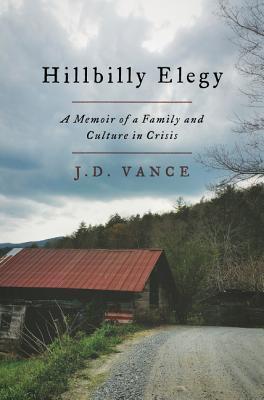
Hillbilly Elegy: A Memoir of a Family and Culture in Crisis by J.D. Vance explores the struggles of America’s white working class through one family’s story. Vance opens with his childhood in Middletown, Ohio, and his family’s roots in Appalachian Kentucky. He paints a vivid picture of poverty, instability, and addiction that marked his early years. Life in Middletown was defined by constant moves, Grandma’s stern discipline, and moments of hope when Vance’s mother tried to make ends meet.
From the start, Vance shares the impact his grandparents had on him. His “Mamaw” and “Papaw” moved north in search of work when coal jobs dried up. They taught him to work hard, stick together, and hold onto pride even in lean times. Mamaw’s tough love helped Vance survive chaotic household scenes and his mother’s struggles with drugs. Papaw’s quiet steadiness grounded the family, offering a glimpse of stability that Vance would chase later in life.
Vance doesn’t shy away from the dark chapters. He recalls fights, broken windows, and nights spent in emergency rooms. His mother’s addiction sent the family spinning. Vance and his sister often fell between the cracks of social services. Yet in these passages, he emphasizes how familial loyalty kept him going. Mamaw stepped in as guardian when things got worst, showing readers how informal networks often fill gaps left by formal institutions.
Amid the chaos, education emerged as Vance’s ticket out. He struggled in school but found a passion for reading thanks to a caring teacher. That early support changed his life trajectory. Vance discovered that learning offered a path beyond the limits of his hometown. He describes late nights spent studying and the small sense of victory that came with each good grade.
After high school, Vance joined the U.S. Marine Corps. He writes with pride about boot camp and deployments to Iraq. Military life taught him discipline and a structured routine that he had never experienced at home. He credits the Marines with showing him that people from any background can succeed if they commit. That chapter highlights how institutions can transform lives when they offer clear expectations and support.
When Vance left the service, he aimed for Yale Law School. His application felt like a steep climb—he lacked the polished resume of many peers. But Vance leaned on lessons his family taught him: grit, self-reliance, and a belief in second chances. He made the cut and arrived in New Haven with culture shock. Suddenly he found himself among classmates whose childhoods couldn’t have been more different.
College life tested Vance’s resolve. He felt like an outsider at first, unsure how to fit in. He faced imposter syndrome during seminars filled with elite students. Yet he discovered that people valued his perspective. His rural background offered insights that enriched class debates. Slowly he learned to navigate a world of academic jargon and networking events.
In law school, Vance encountered another hurdle—social detachment. His classmates networked seamlessly at dinners and internships. He had never seen that sort of unspoken rulebook before. Vance learned to adapt, balancing authenticity with the need to play the game. He credits mentors who guided him through job applications and the intricacies of legal culture.
Throughout the memoir, Vance returns to themes of identity and culture. He examines the negative traits he saw among hillbillies: fatalism, resentment, an unwillingness to plan for the future. He links these habits to family breakdown, addiction, and economic decline. At the same time, he celebrates the strengths of his community: loyalty, resourcefulness, and humor in the face of hardship.
Vance explores how political narratives fail working‐class whites. He argues that both parties take this group for granted: Democrats promise government aid that often doesn’t arrive, and Republicans preach personal responsibility without addressing social decay. He urges policymakers to focus on family stability, quality education, and local support systems rather than abstract economic measures.
The memoir also delves into social services and welfare. Vance describes a system riddled with red tape and poor incentives. He saw neighbors cycle through benefits without finding long‐term solutions. That cycle bred mistrust and cynicism. Vance suggests reforms that encourage work and family cohesion over unchecked handouts.
At its core, Hillbilly Elegy is a call to recognize the human cost of economic shifts. Vance’s family story illustrates how factory closures and cultural changes left communities behind. He stresses that jobs alone won’t fix the problem; communities need mentors, childcare, mental‐health services, and a revival of civic institutions.
Vance ends with a reflection on his own journey. He acknowledges his good fortune and the sacrifices others made for him. He knows his path isn’t typical. Yet he hopes his story can bridge understanding between urban elites and rural whites. He urges empathy over stereotypes, asking readers to see beyond “hillbilly” caricatures.
The memoir’s final paragraphs remind us that change begins at home. Vance credits Mamaw’s insistence on manners and Papaw’s quiet example of hard work. He argues that cultural renewal must start with families teaching accountability and respect. Only then can broader policy interventions succeed.
Hillbilly Elegy stands as both a personal memoir and a social critique. It weaves Vance’s life story with analysis of cultural and economic forces. The result offers an inside look at a segment of America often overlooked. Vance doesn’t promise easy solutions, but he calls for honest conversations about class, culture, and responsibility.
Detailed Summary
Key Takeaways
1. Struggle for Upward Mobility
“I was struck by how easy it was to make bad decisions in the mountains.”
Barriers to Progress: J.D. Vance describes his early years in Appalachia as a constant battle against poverty and limited opportunity. He shows how local industries dried up, leaving families with few jobs and little hope. Social networks in his hometown often rewarded staying stuck rather than pushing ahead.
He then shifts to his own journey through the Marines and Yale Law School. That path depended on self-discipline, guidance from mentors, and rare moments of luck. Vance does not pretend every kid from his background can follow the same route. Instead, he highlights structural hurdles—poor schools, strained families, and drugs—that trap many.
This insight matters because it debunks simple myths about merit. Hard work alone cannot bridge a gap created by decades of disinvestment. Vance’s experience becomes a case study in understanding how geography and culture shape life chances.
Unequal Starting Lines: In real life, regions like Eastern Kentucky see high dropout rates and drug addiction. That has ripple effects on health, crime, and local commerce. The loss of manufacturing jobs in small towns fuels despair and erodes community ties. Vance’s story puts faces on those statistics.
Policy makers have begun to note these patterns. They now target rural areas with job training, mental-health support, and infrastructure spending. Yet change moves slowly. Vance’s memoir pressures officials to see beyond urban centers and address forgotten places.
His account also shaped public debate. Hillbilly Elegy became a touchstone during recent elections. Both parties cited his examples when arguing over welfare, education, and cultural values. The memoir turned personal history into ammunition for policy battles.
Key points:
- Economic decline stymies local opportunity
- Social networks often reinforce stagnation
- Military and elite education offer rare exits
- Structural barriers outweigh individual effort
- Vance’s story humanizes policy debates
2. Culture of Despair
“When you grow up amid injustice, you get bitter, and you lash out at the world.”
Inherited Pessimism: Vance writes about how hopelessness passes from one generation to the next. He notes that many families in his town held a narrative of victimhood. That story explained failures as the fault of ‘others’—governments, employers, or outsiders.
This mindset bred conflict and addiction. Kids saw adults drink or take pills to numb pain. They learned it’s normal to blame outside forces rather than solve problems. Over time, the cycle reinforced itself. Lack of trust in institutions led to lower voter turnout, weak civic life, and deep cynicism.
Understanding this culture helps explain why some communities resist change. If you expect nothing but disappointment, you avoid risk. You stick close to home. Vance shows us how emotion and narrative shape real-world outcomes.
Breaking the Cycle: Leaders in Appalachia now focus on rebuilding trust. Nonprofits bring youth mentors and addiction counselors into towns. Churches host job fairs and recovery meetings. Those efforts aim to replace blame with agency.
Scholars study how altering narratives can shift behavior. They find that community storytelling—sharing success stories—can reduce fatalism. Vance’s memoir acts as one such story. For some readers, it sparks belief that people from hillbilly roots can thrive beyond their hometowns.
Yet change remains fragile. Political rhetoric that mocks ‘flyover country’ can reignite resentment. Vance warns against simplistic solutions; real progress needs both resources and a shift in local mindsets.
Key points:
- Generational hopelessness normalizes blame
- Addiction and conflict often follow despair
- Distrust of institutions undermines civic life
- Success stories can break fatalistic cycles
- Narrative change proves as vital as policy
3. Role of Family and Mentorship
“My grandparents saved me. They gave me rules.”
Anchors of Stability: Vance credits his maternal grandparents for providing the structure he desperately needed. They enforced curfews, limited screen time, and insisted on better behavior. Those rules replaced chaos with predictability.
He contrasts their home with that of his mother’s early years. Without steady parenting, kids drift into gangs or drug use. Yet under his grandparents, he learned self-respect, punctuality, and a longer view of life.
This dynamic underlines the power of stable adults. Vance argues that in struggling regions, family mentors—not just schools—shape future paths.
Mentors in Policy: Education programs increasingly pair students with adult mentors to replicate Vance’s experience. Studies show mentored youth have higher graduation rates and lower arrest records.
In Appalachia, local churches and nonprofits train volunteers to guide teens. Those mentors teach life skills, college applications, and career planning. Over time, communities see fewer teen pregnancies and lower crime.
Vance’s narrative guides these efforts. He reminds us that a handful of dedicated adults can alter dozens of lives. That lesson resonates from small towns to inner-city neighborhoods.
Key points:
- Grandparents enforced rules and structure
- Stable adults counter chaotic homes
- Mentorship boosts graduation and civic outcomes
- Nonprofits replicate family-style guidance
- Adult support networks break negative patterns
4. Education as a Launchpad
“The armed forces taught me discipline. Yale taught me dreams.”
Learning for Transformation: Vance explores two key educational stages: Marine boot camp and Yale Law School. The Marine Corps instilled discipline, respect for authority, and grit. Those habits primed him for the academic rigor ahead.
At Yale, he entered a world of privilege. Peers expected success. Professors pushed critical thinking. That environment unlocked new ambitions. He began to see possibilities beyond manual labor.
Education here serves as both skill-builder and horizon-expander. Vance argues that true transformation arises when you combine tough training with inspiring challenges.
Expanding Access: Programs like Reserve Officers’ Training Corps (ROTC) now target students from low-income areas. They offer scholarships alongside leadership training. Yale and other colleges recruit first-generation applicants with dedicated support services.
Results show higher retention and improved social mobility. Vance’s own case became evidence that scholarship plus structure can reshape destinies. Nonprofits now fund tutoring hubs in small towns to give kids a taste of academic life before college.
Yet critics warn that pipelines often leak. Many students from poor backgrounds lack counseling on financial aid or career planning. Vance highlights the need for wraparound services—mental-health support, internships, and peer networks.
Key points:
- Marines taught discipline and resilience
- Yale Law opened new career horizons
- Education challenges self-limiting beliefs
- ROTC scholarships aid rural youth
- Support services ensure degree completion
5. Resilience and Personal Agency
“If you want to change your life, you have to take risks.”
Choosing to Climb: Throughout his memoir, Vance emphasizes personal responsibility. He recounts his own tough choices: leaving his hometown, enlisting in the Marines, and applying to Yale. Each step entailed fear and uncertainty.
He labels these moments as agency points—forks where individuals decide between comfort and challenge. For him, risk came with reward. For many peers, risk meant perceived betrayal of family or culture.
By highlighting these forks, Vance shows that resilience depends on intentional risk taking. You must break from old patterns and pursue growth, even when it feels unsafe.
Shaping Personal Narratives: In communities facing high unemployment, local workshops now teach goal-setting and decision-making skills. They use Vance’s memoir to illustrate the power of agency.
Surveys reveal participants report greater confidence and clarity about career paths. Yet some warn that emphasis on individual choice can underplay systemic injustice. Vance addresses that – he never says individuals bear sole blame for broad inequality.
Still, his story inspires programs that blend resource provision with mindset coaching. That dual approach shows promise in helping marginalized youth carve new paths.
Key points:
- Agency arises at critical decision points
- Risk leads to growth outside comfort zones
- Resilience blends mindset with resources
- Workshops apply Vance’s agency model
- Balance acknowledges systems and self
6. Political and Cultural Commentary
“There’s a crisis of character in our country, not just a crisis of economics.”
Values and Policy: Vance argues that economic fixes alone cannot restore social health. He points to broken marriages, drug addiction, and lack of civic norms. Those cultural factors, he says, require moral and community renewal.
He critiques both parties: one for ignoring rural distress, the other for underestimating personal responsibility. Vance calls for policies that reinforce family formation, workplace culture, and local civic life.
That stance bridges the left-right divide. It pushes readers to accept that culture and economy intertwine.
Shifting Political Debate: Hillbilly Elegy became a reference in debates over welfare reform and family policy. Lawmakers cite Vance when arguing for faith-based initiatives and marriage support programs.
At the same time, some critics say he underestimates systemic racism and economic forces beyond personal will. The book sparked those critiques and fostered further research into interplay of culture and policy.
Ultimately, Vance’s ideas spur a more nuanced dialogue. They remind us that healthy communities require both material aid and moral infrastructure.
Key points:
- Cultural norms shape economic outcomes
- Critique aimed at both political camps
- Calls for family and faith-based programs
- Book informs debates on welfare and addictions
- Stimulates research on culture-policy links
Future Outlook
Vance’s memoir pushed American discourse to consider forgotten regions. Going forward, scholars will track whether mentorship and education programs in rural areas deliver lasting gains. They’ll measure outcomes in income, health, and civic engagement over decades.
Policy makers may pilot ‘rural promise zones’ that combine job training with family counseling and community grants. Success stories from those zones could reshape national strategies on poverty. Vance’s emphasis on culture alongside economics will guide those experiments.
Meanwhile, civic leaders will use Hillbilly Elegy as a tool for local dialogues. They’ll convene town halls to debate values, share personal histories, and imagine new community ties. The memoir thus lives on as both a cautionary tale and a blueprint for rebuilding hope in America’s heartland.