
Summary
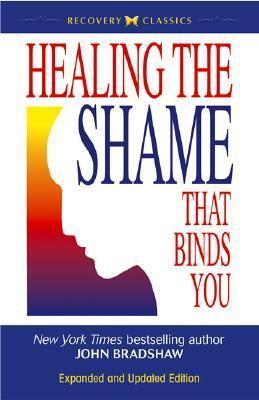
Healing the Shame That Binds You by John Bradshaw explores how deep-rooted feelings of shame shape our personalities and steer our choices. Bradshaw argues that shame isn’t just an emotion; it’s a destructive force that lodges in the psyche and undermines our self-worth. He opens by defining shame as the belief that we are flawed or unworthy beneath our social mask. From there, he guides readers through the processes that trap us in a shame-based identity, then shows how we can free ourselves.
Bradshaw begins by tracing shame’s origins to early family dynamics. He explains how children absorb messages from parents and caregivers about what is acceptable. If caregivers use criticism, neglect, or emotional withholding, kids learn they are unlovable or bad. These messages form a “shame matrix” that stays hidden unless triggered by stress or conflict.
Next, he distinguishes toxic shame from healthy guilt. Healthy guilt tells us we’ve made a mistake and prompts repair. Toxic shame, by contrast, attacks our core. It carries a sense of worthlessness, as though something is permanently wrong inside us. Bradshaw warns that toxic shame interferes with intimacy, creativity, and genuine self-expression.
In the following chapter, Bradshaw examines the defenses we build to survive shame. He describes how people become perfectionists, workaholics, or caretakers to prove their worth. Others use addiction, anger, or compulsive behaviors to numb shame’s sting. Although these strategies may work temporarily, they reinforce the shame cycle and keep us from true healing.
Bradshaw then introduces the concept of the wounded inner child. He shows how childhood shame injuries live on in us, driving impulsive reactions and self-sabotage. By reconnecting with that wounded part, we can begin to comfort and re-parent ourselves. He suggests writing exercises and guided visualizations that help readers find the child they once were.
The author turns to group dynamics and how shame thrives in families and social groups. He reveals how shared denial and secret-keeping bind members together in an unspoken code. He calls this the “shame bind.” Those caught in it hide their struggles to avoid being shunned or humiliated.
Bradshaw outlines key signs of a shame bind: chronic people-pleasing, fear of conflict, and overcommitment to others’ needs. He explains that these patterns stem from a belief that love and approval must be earned. Readers learn to spot when they’ve adopted these rules and how to loosen the bind.
In a pivotal chapter, he describes the shame-attack cycle. A trigger reminds us of a shame wound, which sparks self-criticism. We then try to escape the pain through behaviors like overeating, substance use, or rage. These behaviors provide short relief but deepen the shame when we later regret them.
Bradshaw introduces the image of a shame container—a mental holding cell for unwanted feelings. When the container overflows, people lash out or collapse. He shows how mindful awareness and healthy expression can empty this container, preventing shame from building up.
He moves on to recovery steps, starting with acknowledgment. Instead of denying shame, he urges readers to notice when it flares. Simple techniques, such as pausing to label the feeling or breathing deeply, help defuse shame’s power in the moment.
Next, Bradshaw emphasizes self-compassion. He invites us to speak kindly to ourselves, as we would to a friend in pain. By replacing harsh self-judgment with loving acceptance, we create an inner environment where healing can begin.
The author then guides readers through re-parenting exercises. He encourages us to imagine offering our inner child the safety and reassurance we never received. Practices like writing forgiving letters or visualizing comforting scenes help rebuild the bond.
Bradshaw stresses the importance of setting boundaries. Shame often leads people to say yes when they mean no. Learning to assert needs without guilt marks a major shift. He offers scripts and role-play exercises to practice honest, respectful communication.
Finally, he celebrates authenticity as the antidote to shame. By embracing our true feelings, flaws and all, we strip shame of its power. He invites readers to share their stories in supportive settings, challenging the secrecy that fuels shame.
Throughout the book, Bradshaw weaves anecdotes from therapy sessions and group workshops. These stories illustrate the shame bind in action and model the path to freedom. By the end, readers understand that healing shame requires patience and practice but promises deeper self-acceptance and richer relationships.
Healing the Shame That Binds You offers a clear, step-by-step roadmap out of shame’s prison. John Bradshaw’s compassionate voice reassures us that change is possible. He leaves us with hope that, by facing our hidden wounds, we can reclaim our dignity and live with greater joy and authenticity.
Detailed Summary
Key Takeaways
1. The Roots of Toxic Shame
“Shame grows in the hidden places of our childhood, feeding on silence and neglect.”
Understanding Shame’s Origins: Shame often takes root long before we understand it. In early years, a child absorbs the tone of caregivers. A harsh word or cold look imprints more deeply than any spoken command. Over time, those small moments accumulate into a pervasive sense of not being enough.
Bradshaw shows how many families avoid talking about feelings. When a mother dismisses tears or a father criticizes a child’s efforts, the youngster learns to hide or reject parts of themselves. That hidden self becomes fertile ground for shame to flourish. As we grow, shame whispers that our true needs are unacceptable.
From Family Patterns to Adult Life: Unchecked childhood shame shapes adult relationships. Many people find themselves overachieving or people-pleasing. They chase perfection to drown out the inner critic. Yet no amount of success can silence shame’s voice. It feeds on every flaw, no matter how small.
On a societal level, this pattern creates cycles of dysfunction. Parents who carry deep shame may unknowingly project it onto their children. Those children then repeat the pattern. Bradshaw highlights how awareness of these patterns can break the chain. By naming shame’s sources, individuals reclaim the power to heal.
Key points:
- Shame forms from subtle parental cues
- Silence around feelings fuels shame
- Hidden selves become shame’s breeding ground
- Adult perfectionism often masks childhood shame
- Breaking cycles needs awareness of family history
2. The Inner Child Concept
“Inside each adult lies a wounded child longing for care and validation.”
Meeting Your Inner Child: Bradshaw introduces the idea that every adult carries an inner child. This part of us holds early wounds and unmet needs. It’s the source of spontaneous joy and raw sorrow. When it feels threatened, it recoils into shame or anger.
Healing begins by acknowledging that inner child. We listen to its fears and comforts. Journaling, guided imagery, or simple self-talk can give that child a voice. As we validate its feelings, we open doors to genuine self-compassion.
Healing Through Inner Dialogue: By reclaiming our inner child, we dismantle layers of shame. When we soothe that child with kindness, shame loses its grip. We learn to set boundaries and ask for what we need without guilt.
Therapists often use this approach in group settings. Participants share childhood stories in a safe space and offer each other compassion. This communal validation reinforces individual healing. As more people do this, society could shift toward greater emotional literacy.
Key points:
- Inner child holds early wounds
- Validation begins healing
- Techniques include journaling and imagery
- Group work amplifies healing
- Self-compassion disarms shame
3. Family Systems and Shame
“We inherit not only our parents’ genes but their unresolved shame as well.”
Mapping Shame in the Family: Bradshaw draws on family systems theory to show how shame passes through generations. When a parent hides their own shame, children learn to bury their feelings too. Patterns of blame, denial, or scapegoating become family rituals.
He urges readers to trace these patterns in a genogram—a family map. By charting moods, silences, and conflicts, we see shame’s path. Recognizing these patterns weakens their power over us.
Breaking Generational Cycles: Once we spot inherited shame, we can choose differently. Acknowledging our parent’s pain releases us from repeating their defenses. We can model openness instead of secrecy.
As more families adopt this practice, communities grow more resilient. People learn to talk honestly about struggles. In turn, children grow up secure and expressive rather than fearful and silent.
Key points:
- Shame travels through family lines
- Genograms reveal hidden patterns
- Silence and blame feed shame
- Awareness enables change
- Open dialogue builds healthier families
4. The Role of Boundaries
“Healthy boundaries tell the world this is me and that ends over there.”
Learning to Draw Lines: Bradshaw stresses that people with deep shame often lack clear boundaries. They say yes when they want to say no. They overfunction to earn approval. Over time, this erodes self-esteem and feeds more shame.
To heal, we practice stating limits kindly but firmly. We learn to recognize our comfort zone and honor it. In doing so, we protect our inner child from further wounding.
Empowerment Through Limits: Setting boundaries fosters self-respect and healthier relationships. People learn to negotiate needs rather than collapse under others’ demands. Partners, friends, or colleagues respond better to clear expectations.
On a wider scale, boundary work can change workplace cultures. When employees speak up about burnout, organizations adjust policies. That shift reduces shame around asking for help and improves overall well-being.
Key points:
- Shame erodes natural limits
- Clear boundaries build self-respect
- Practice saying no with kindness
- Boundaries improve relationships
- Work cultures benefit from open needs
5. The Path of Self-Compassion
“Compassion turns shame’s harsh glare into steady understanding.”
Replacing Criticism with Kindness: Bradshaw argues that shame thrives on self-criticism. When we berate ourselves, shame digs deeper. By contrast, self-compassion invites healing. We treat our mistakes as learning opportunities, not moral failures.
He offers exercises to cultivate compassion. Writing compassionate letters to ourselves or imagining a caring mentor can soften the inner voice. Over time, this steady kindness weakens shame’s power.
Compassion’s Ripple Effect: As self-compassion grows, people take healthier risks. They seek support instead of hiding pain. That openness encourages others to do the same, creating a web of empathy.
In therapy, clients who embrace compassion show faster progress. They tolerate difficult emotions better and maintain gains. In schools or workplaces, embedding compassion practices could lower anxiety and improve cooperation.
Key points:
- Self-criticism fuels shame
- Compassion invites healing
- Exercises include self-letters
- Kindness builds emotional resilience
- Empathy spreads in communities
6. Recovery as a Journey
“Healing shame is not an event but a lifelong path of curiosity and courage.”
Embracing the Long Haul: Bradshaw reminds readers that healing unfolds over time. We may face setbacks or triggers. When they arise, we don’t regress; we learn. Each challenge offers new insight into shame’s hold.
He outlines stages: awareness, acceptance, action, and integration. At each stage, we practice different skills—from naming shame to setting new habits. The key is curiosity: asking ourselves what triggers shame and why.
Sustainable Change: Viewing recovery as a journey prevents burnout. When we hit a rough patch, we remember that growth often comes in waves. We stay patient and persistent.
As more people adopt this view, society may shift toward long-term mental health care. Insurance, employers, and communities might invest in ongoing support rather than quick fixes. That could reduce relapse and foster lasting well-being.
Key points:
- Healing takes time
- Expect setbacks and learn from them
- Follow stages: awareness to integration
- Curiosity reveals triggers
- Long-term support prevents relapse
Future Outlook
As Bradshaw’s work reaches new generations, we may see a cultural shift toward emotional honesty. Schools could include shame-awareness in social-emotional curricula. That early training would equip children to name feelings rather than bury them.
In clinical settings, therapists might integrate inner-child work more widely. Technology could help, too: apps guiding users through compassionate self-talk or family mapping exercises. Such tools would make healing practices accessible to many.
On a societal level, breaking shame cycles can promote healthier communities. When people speak openly about childhood wounds, stigma around mental health declines. Conversation replaces isolation, and shared vulnerability becomes a source of strength rather than shame.