Summary
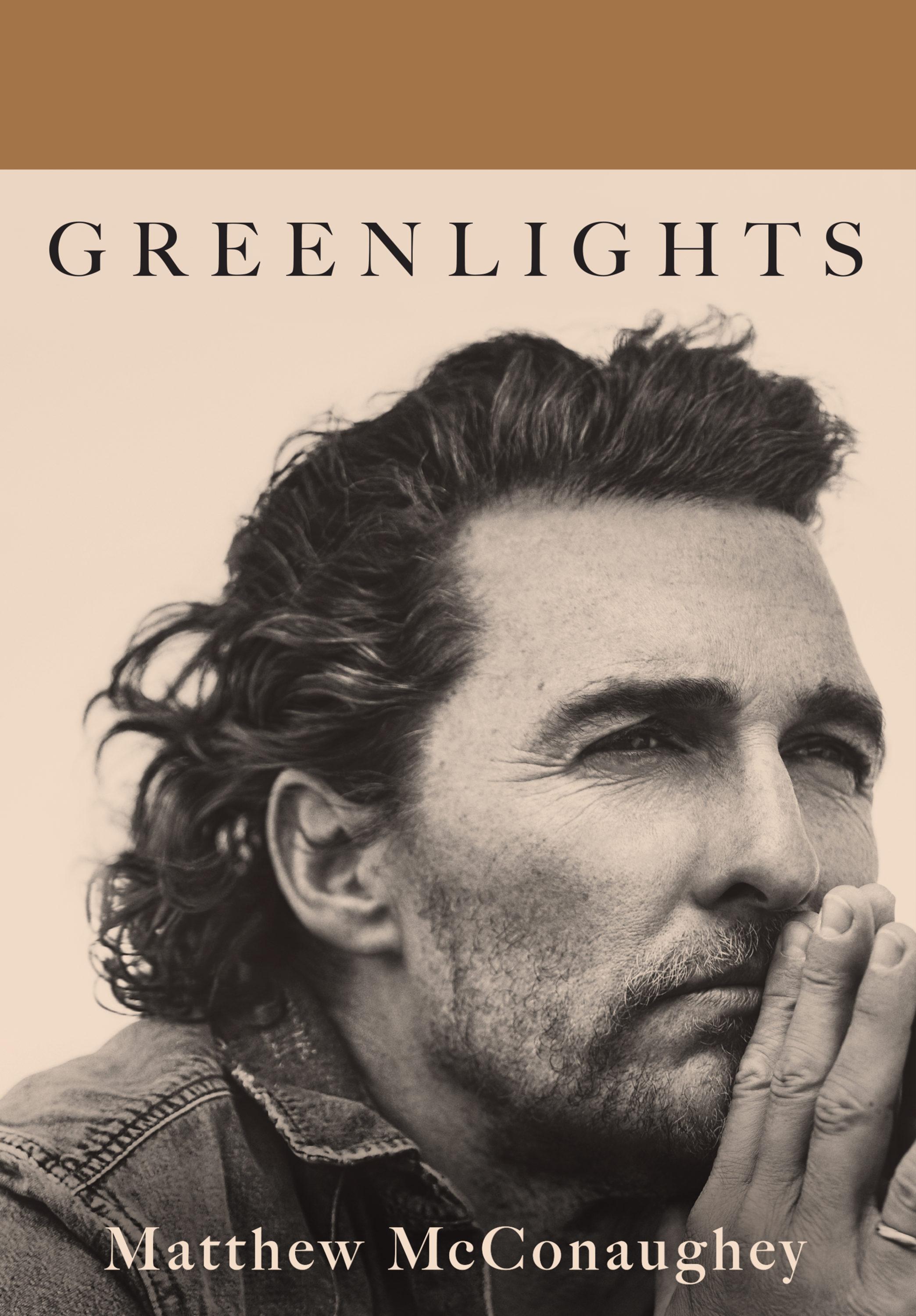
“Greenlights” by Matthew McConaughey unfolds as a memoir peppered with stories, reflections, and life lessons that the actor labels as greenlights—moments of success and clarity that signal permission to move forward.
McConaughey begins by recalling his childhood in Uvalde, Texas, where his parents, Jim and Kay, raised him and his three siblings in a modest wood-frame house. He paints vivid scenes of fishing trips, county fairs, and his first taste of independence at age fourteen. He sneaks out of the house for adventures, learns to drive before he’s legal, and develops a deep love for storytelling under the scorching Texas sun.
In his teenage years, Matthew finds himself at a crossroads. He flunks out of class to chase a greenlight—a win in a pole vault competition that earns him a college scholarship. He moves to Austin, enrolls at the University of Texas, and studies film. He experiments with philosophy, hikes the desert, and journals daily. Those pages become his earliest map of greenlights and red lights, a pattern he tracks for decades.
Once he lands in Hollywood, McConaughey confronts the unpredictable nature of show business. He recounts sleeping on a friend’s couch, living off apples and bagels, and enduring endless auditions. He celebrates his breakout role in Dazed and Confused, yet he also admits to the allure of the next gig overshadowing every victory. The industry teaches him to balance ambition with authenticity.
As roles roll in—from romantic leads to action heroes—Matthew faces a crisis of identity. He asks whether he’s acting or being himself. On the set of The Wedding Planner, he realizes he can’t keep blending into expectations. He quits romantic comedies at the peak of his career, drops the callsheet in his trailer, and embraces risk. That decision marks a major greenlight in his life.
Next comes his reinvention in films like Dallas Buyers Club and Mud. He throws himself into characters with raw edges, rides motorcycles across Louisiana, and stares down mortality on screen. He wins an Academy Award and finally feels seen as an actor. But McConaughey stresses that the trophy itself wasn’t the greenlight—it was the clarity that came from choosing his own path.
Interwoven throughout the memoir are Matthew’s journal entries—snatches of midnight musings, lists of ideas scrawled in the margins, and “bumper-sticker” philosophies. He shares mantras like “just keep livin’” and “the unexamined life isn’t worth living,” inviting readers to collect their own red and green indicators. He argues that every setback, every red light, isn’t a stop sign but a prompt to pause, learn, and adjust.
In one poignant chapter, McConaughey recalls the birth of his children and the death of his father in close succession. He describes holding his newborn daughter in one arm and helping lay his dad to rest with the other. That juxtaposition of life and death crystallizes his belief that greenlights aren’t always joyful—they’re sometimes lessons in resilience, reminders to lean into love and loss.
He also shares stories of hitchhiking adventures across Australia and nights spent journaling on desert roads. He emphasizes the role of solitude: those stretches of time alone gave him space to sow the seeds of creativity. He credits these solo expeditions with teaching him self-reliance and the power of asking bold questions.
Matthew doesn’t shy from discussing his marriage to Camila Alves. He opens up about learning to listen more than he speaks, about turning arguments into opportunities for growth, and about building a family rooted in humor and honesty. He admits he still stumbles, but he frames mistakes as red lights that guide him to better choices.
Near the end, he outlines his “bumper-sticker” creed in greater detail: catch greenlights, deal with red lights, and enjoy the rhythms in between. He urges readers to adopt their own version of this triad, to tally wins and losses without shame, and to keep moving. He likens life to surfing—you can’t control the wave, but you can learn to ride.
In the final pages, McConaughey turns reflective. He acknowledges that he still keeps his journals by his bedside, filling new entries with hopes and doubts alike. He reports that even at age fifty, he chases greenlights with the same childlike wonder he had on those Texas county roads. He ends by inviting you to find your own greenlights and to refuse to see any red light as the end of the road.
By blending memoir, diary, and motivational guide, “Greenlights” offers a roadmap of one man’s journey through fame, family, and self-discovery. It reads like a long conversation over coffee—honest, rambling, and punctuated by moments of fierce clarity. Whether you’re a die-hard fan or a stranger to McConaughey’s work, the book encourages you to track your own greenlights and, above all, to keep rolling forward.
Detailed Summary
Key Takeaways
1. Catching Greenlights
“I don’t want to just see green lights. I want to catch them.”
Life’s Signals: Matthew McConaughey introduces the metaphor of traffic lights to frame life’s moments. He describes greenlights as moments of success or forward motion, yellow lights as pauses or opportunities for reflection, and red lights as obstacles that stall progress. By studying these signals in his own life, he learns to recognize patterns that push him forward or force him to slow down.
He weaves personal anecdotes—like audition wins and setbacks on film sets—into this metaphor. Through storytelling, he shows how pausing at a yellow light can lead to greater understanding of one’s path. He also reveals how enduring a red light often sets the stage for the next green light to appear.
Navigating Challenges: In real life, we all face traffic signals of opportunity and delay. His greenlight metaphor encourages readers to note small wins and harvest lessons from setbacks. By reframing red lights as necessary stops, people can maintain resilience instead of feeling stuck.
This approach resonates with entrepreneurs and creatives who must pivot when plans derail. It shifts the focus from frustration to learning. Historically, many public figures credit setbacks with eventual success. McConaughey’s framework joins that tradition by offering a simple map to chart success and failure.
Key points:
- Greenlights represent forward motion and wins
- Yellow lights invite reflection and patience
- Red lights signal obstacles that teach
- Recognizing patterns guides decisions
- Metaphor applies to career and personal life
2. The Power of Authenticity
“Your bag is what you carry with you, and I wanted to pick out a bag that felt like me.”
Defining True Self: McConaughey uses the idea of a personal “bag” to describe identity. He urges readers to choose traits and values that resonate with their authentic selves. Throughout the memoir, he recounts moments when he strayed from his core—like chasing fame over fulfillment—and how he recalibrated to stay true.
He shares stories of traveling alone with only necessities in a backpack. These trips stripped away roles and expectations and forced him to ask who he really was. He writes that authenticity emerges when you remove the layers of others’ opinions and just stand in your own skin.
Cultural Shift Toward Genuineness: In an era dominated by social media curation, authenticity has become a prized virtue. McConaughey’s emphasis on picking your bag echoes a broader societal push to value sincerity over image. It has spurred movements in marketing, leadership, and self-help that champion transparency.
On a personal level, this lesson encourages readers to audit their beliefs and shed what feels borrowed. It also underpins trends in minimalism and intentional living. By living in alignment with intrinsic values, people report higher well-being and deeper connections.
Key points:
- Bag as metaphor for identity
- Select values that feel genuine
- Stripping away external expectations
- Authenticity boosts fulfillment
- Align life with true self
3. Embracing Red Lights
“When life closes a door, it means the room you’re in is up for remodeling.”
Obstacles as Opportunity: McConaughey reframes red lights—failures, rejections, and tough breaks—as preludes to transformation. In one chapter, he describes losing roles he believed were certain. Initially, he felt defeated. But those losses forced him to rethink his goals and his craft.
He describes a gap year between films when he auditioned constantly and felt invisible. That hiatus pushed him to reinvent his approach, deepening his skill and focus. He realized red lights can reveal blind spots and point toward new paths.
Growth Through Adversity: Psychology research shows people grow from adversity when they reflect on setbacks. McConaughey’s tales align with this science. By detailing his own career lows, he models how to turn rejection into redirection.
In workplaces and schools, many adopt this mindset to foster resilience. Leaders teach teams to conduct post-mortems on failures rather than assign blame. This approach reduces fear of risk and promotes innovation. It echoes McConaughey’s belief that red lights are ways to remodel your room.
Key points:
- Red lights signal forced stops
- Setbacks reveal hidden needs
- Reflection leads to new strategies
- Adversity fosters growth
- Failure can spark reinvention
4. The Importance of Ritual
“We all have routines that take us deeper into ourselves.”
Anchoring Through Habit: Throughout the book, McConaughey details rituals he practices to center himself. He writes about morning pages—writing longhand to clear mental clutter—and nightly reflections on gratitude. These habits serve as anchors amid Hollywood’s unpredictability.
He compares rituals to the hinges of a door. They both hold things together while allowing movement. By sticking to small, daily practices, he stays grounded. He encourages readers to find their own rituals—whether meditation, journaling, or a walk—to cultivate presence.
Stability in Chaotic Times: In our fast-paced world, rituals provide a sense of stability. Studies on mindfulness show that daily practices reduce stress and boost clarity. McConaughey’s examples echo findings that consistency in small habits can change brain wiring over time.
Companies now incorporate morning huddles, end-of-day debriefs, or wellness breaks as rituals to improve morale. Teachers use class rituals to foster community. McConaughey’s advocacy of personal rites feeds into a larger conversation about mental health and work–life integration.
Key points:
- Daily routines foster stability
- Journaling clears mental clutter
- Gratitude rituals boost wellbeing
- Habits serve as grounding anchors
- Personal rituals vary by individual
5. Finding Joy in the Ordinary
“Life is not a popularity contest. I’m not doing this to win an Oscar someday.”
Redefining Success: McConaughey rejects conventional markers of success—awards, acclaim, wealth—in favor of simple joys. He recalls fishing trips with his father, barefoot hikes on dirt roads, and watching the sky tilt from day to night. These moments, he argues, matter more than any trophy.
He describes a camping trip where he slept under the stars for days with no agenda. In that stillness, he felt alive and at peace. He realized that chasing external accolades can distract from savoring life’s small pleasures.
Shifting Values: His emphasis on ordinary joy aligns with slow living and mindfulness movements. People increasingly measure success by life satisfaction rather than income. Polls show that social relationships and leisure time rank above status.
Organizations also recognize the value of breaks and trips for employee well-being. They invest in retreats and flexible schedules. McConaughey’s anecdotes feed into a broader cultural turn toward valuing experiences and presence over output alone.
Key points:
- Ordinary moments hold deep joy
- Rejects fame as sole purpose
- Quality time beats accolades
- Presence trumps performance
- Everyday life offers wonder
6. Taking Calculated Risks
“If you aim for the head, that’s where the bullet goes.”
Balancing Boldness and Caution: McConaughey describes his shift from playing safe roles to tackling challenging, unconventional characters. He notes that early in his career, he accepted predictable parts to build his resume. Later, he took more daring roles in films like Dallas Buyers Club, a gamble that earned him acclaim.
He explains that risk-taking shouldn’t be reckless. He studies scripts, crews, and messages before saying yes. This blend of preparation and boldness helps him navigate uncertainty. He urges readers to weigh potential gains against costs before stepping off the curb.
Innovation Through Risk: Innovation often requires risk. Silicon Valley founders say they learned more from failed startups than successes. McConaughey’s example shows that smart risk fuels growth. By doing homework first, he limits downside while embracing possibility.
In schools and businesses, they teach “fail fast, learn fast.” That mantra reflects his balance of research and bold action. It encourages experimentation in science, art, and business. McConaughey’s stories underscore that risk plus due diligence leads to lasting rewards.
Key points:
- Bold moves drive growth
- Research reduces downside
- Balanced risk yields innovation
- Learning from bold choices
- Preparation underpins courage
Future Outlook
McConaughey’s Greenlights will continue shaping how we talk about failure and success. His traffic-light metaphor offers a practical tool for self-reflection. In coaching and therapy, practitioners might adopt greenlight assessments to help clients track progress and setbacks.
As movements for mental health and mindfulness grow, his stories of rituals and presence fit into a larger drive to slow down. Educators could integrate his anecdotes into curricula on resilience and authenticity. Young people might use his approach to map life's signals and make choices in line with personal values.
Finally, his blend of candid memoir and universal lessons may inspire other voices to share honest journeys. In publishing, we may see more books that blend storytelling with practical frameworks. Greenlights paves the way for memoir to double as life-guide, bridging self-help and narrative.