Summary
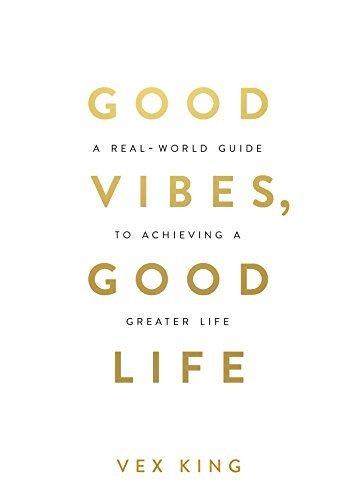
Good Vibes, Good Life by Vex King shows how you can transform your life by tuning into positive energy and learning to love yourself. King draws on his own journey from low self-esteem and depression to confidence and joy. He weaves in simple practices that help you shift mindset, heal old wounds, and attract better experiences. By focusing on good vibes, you can reshape your inner world and watch your outer world change.
King starts by explaining how everything vibrates with energy. He asks you to notice what you’re putting out. When you feed negativity, you invite more of it back. Instead, aim to raise your frequency by choosing thoughts that uplift you. It sounds simple, yet you’ll need to catch unhelpful patterns before they take hold.
Next, he dives into self-love. You learn to treat your mind like a friend rather than an enemy. King says that telling yourself harsh stories only drags your mood down. He offers prompts to challenge those inner critics. Over time, you’ll replace doubt with encouragement.
Childhood wounds lay hidden under many bad vibes. King shows how unhealed hurts cloud your present. You’ll explore moments that shaped your beliefs. Then you’ll give yourself permission to heal them. It’s brief but powerful work.
Mindfulness and meditation form the heart of this process. King outlines step-by-step ways to sit with your thoughts without judgment. You’ll find tunes and practices to ease you in. Even five minutes a day makes a difference. As you grow more aware, you catch negative loops before they spiral.
Gratitude follows naturally from a calm mind. King urges you to journal three things you appreciate each morning. That habit rewires your focus toward what works in your life. He also suggests small gratitude rituals you can slot into free moments. Soon, you’ll notice more good in every day.
Affirmations help you reprogram old beliefs. King says you must speak new truths until they feel real. He provides a list of powerful lines to start with. You’ll tweak them to fit your goals. Then you repeat them daily, alone or out loud, so your brain learns to believe them.
King stresses forgiveness as a way to clear heavy energy. Holding grudges blocks fresh blessings. You’ll use guided letters and visualizations to let go. It isn’t about excusing mistakes but freeing yourself. As you release anger, you make room for peace.
Healthy relationships also depend on good vibes. King talks about setting firm boundaries and speaking your needs. You learn to spot draining people and limit contact. He shows how to attract friends and partners who respect your worth. Then you reinforce mutual care rather than codependence.
Next comes goal setting. You break big dreams into daily steps. King uses a no-fluff approach that nudges you to act right away. He warns against waiting for perfect conditions; movement creates momentum.
Manifestation builds on all prior work. King outlines the link between clear intention, aligned action, and trust in the process. He shares stories of people who tapped the universal flow to reach career, money, and love goals. You’ll practice visualization and small concrete steps to bridge desire and reality.
Balancing work, rest, and play keeps your vibe stable. King urges you to treat self-care as nonnegotiable. He offers micro-break ideas and simple stress relievers like breathing exercises. You’ll weave these into your daily rhythm so burnout stays at bay.
Forming lasting habits can feel hard at first. King breaks it down into tiny changes you can repeat until they stick. He suggests habit-tracking apps and reward systems. You’ll celebrate wins, no matter how small.
Setbacks happen but don’t have to derail you. King shares how to talk yourself through tough times. You’ll lean on your gratitude logs and affirmations to stay resilient. Then you pick up momentum again.
In the end, Good Vibes, Good Life acts like a handbook for positive living. King reminds you that change takes patience and practice. By honoring your feelings, choosing your thoughts, and acting on your goals, you’ll create lasting joy. It’s an invitation to tune into your highest self and vibe your way to a better life.
Detailed Summary
Key Takeaways
1. Self-Love as Foundation
“When you learn to love yourself, you allow others to see your worth.”
Cultivating Inner Acceptance: King argues that genuine change begins with how you treat yourself. He suggests that too many of us accept negative self-talk as fact. By actively challenging our inner critic, we can rewire our thought patterns. This process starts small: pausing when a harsh thought arises and replacing it with encouragement.
He outlines simple daily rituals—like speaking affirmations or listing personal strengths—to reinforce self-worth. Over time, these habits reprogram our mental wiring. You begin to notice opportunities rather than obstacles. The shift feels subtle at first but builds momentum and genuine confidence.
Shifting Personal Relationships: When you value yourself, you raise the bar for how people treat you. King notes that low self-esteem often attracts toxic relationships. By boosting confidence, readers report healthier boundaries and mutual respect in friendships and romances.
On a wider scale, communities flourish when individuals support themselves. Schools, workplaces, and social groups benefit when members approach each other from a place of self-acceptance. The ripple effect transforms local cultures. People become more patient, empathetic, and generous.
Key points:
- Challenges negative self-talk with affirmations
- Builds confidence through daily rituals
- Creates healthier relationship boundaries
- Transforms community interactions
- Promotes empathy and respect
2. Mindful Positivity
“Your mindset determines the lens through which you view every moment.”
Training Your Mental Lens: King highlights the power of attention. He says your mind naturally seeks out what you focus on. If you dwell on worries, you’ll spot more reasons to worry. Instead, he recommends consciously noting positive details—sunlight on leaves or a friend’s laugh.
This doesn’t deny real challenges. Rather, it balances perspective so setbacks don’t spiral. King offers simple exercises: journaling three good things each day or pausing to name five sights, sounds, or smells around you. These small shifts help you notice joy in ordinary moments.
Broadening Opportunities: A positive outlook attracts solutions. When you expect growth, you explore options you might otherwise overlook. King cites entrepreneurs who credit gratitude journaling for sparking creative ideas. Even in crisis, a mindful positive lens reveals pathways through stress.
Beyond the individual, organizations that foster optimistic cultures see lower turnover and higher innovation. When teams practice gratitude and celebrate small wins, they gain resilience. They challenge problems without fear. Over time, this builds robust, adaptable systems.
Key points:
- Noting positives to counterbalance worries
- Daily gratitude journaling practice
- Exercises to engage the senses
- Enhances creativity and problem-solving
- Boosts team morale and resilience
3. Energy Management
“The energy you radiate is the energy you attract.”
Understanding Vibrational States: King introduces the concept of personal vibration. He describes emotions—joy, love, fear—as energy frequencies. When you dwell in fear, you repel uplifting experiences. By consciously elevating your mood, you shift your ‘vibe.’
He proposes activities like breathwork, gentle movement, or listening to uplifting music. These raise your internal frequency. He also warns against energy drains: negative media or draining relationships. Identifying and reducing these inputs helps maintain a higher vibration.
Shaping Daily Experiences: People who track their moods often see patterns. King cites readers who replaced daily news binges with guided meditation. They report feeling calmer and more productive. By curating positive inputs, they transform rogue stress into purposeful focus.
On a collective level, workplaces that prioritize emotional well-being see lower burnout. Teams that pause for short grounding exercises gain clarity and cooperation. Communities that host shared mindfulness events report stronger social bonds. The energy of one can uplift many.
Key points:
- Emotions as energy frequencies
- Practices to raise personal vibration
- Identifying and avoiding energy drains
- Improved focus and calm
- Collective well-being through shared rituals
4. Setbacks as Stepping Stones
“Every challenge holds a lesson waiting for you.”
Reframing Failure: King reframes setbacks as teachers rather than punishments. He says life tests us to reveal hidden strengths. Instead of labeling a project that stalled as failure, you ask, ‘What did I learn?’ This question reduces shame and sparks insight.
He shares examples: an entrepreneur whose first venture collapsed but taught her better management. A student’s poor grade that revealed study weaknesses. In each case, the lesson became the launchpad for later success. You learn to welcome feedback in all its forms.
Building Resilience: When you view obstacles as lessons, you bounce back faster. King explains that resilient people don’t avoid adversity; they lean in. They deconstruct missteps, adjust their strategy, and try again.
Organizations can adopt this mindset. Companies that debrief projects openly—what went well, what didn’t—cultivate a learning culture. This approach fuels continuous improvement. It turns every setback into a system upgrade rather than a reputation risk.
Key points:
- Asking ‘What did I learn?’ after setbacks
- Reduces shame and guilt
- Fuels continuous personal growth
- Encourages open feedback in teams
- Transforms challenges into progress
5. Authentic Connection
“To uplift others, you must first be real with yourself.”
Building Genuine Bonds: King stresses that real relationships start with honesty. If you hide your struggles or put on a façade, you thwart intimacy. By sharing vulnerably—within safe limits—you invite others to do the same.
He offers practical steps: ask open-ended questions, listen without fixing, and disclose one small challenge you face. These gestures create trust. Over time, you build deeper connections grounded in authenticity rather than surface pleasantries.
Strengthening Communities: Authentic bonds reduce loneliness and foster mutual support. King cites groups where members share highs and lows. These networks respond faster in crisis and celebrate wins more fully.
On a societal level, authenticity combats polarization. When people see each other as real humans—flawed and striving—they find common ground. This can ease tensions in divided contexts, from neighborhood groups to broader political discourse.
Key points:
- Share small vulnerabilities first
- Listen without offering immediate solutions
- Use open-ended questions to invite dialogue
- Fosters trust and belonging
- Bridges social divides
6. Purpose-Driven Action
“Your life becomes a craft when you align action with purpose.”
Finding Your North Star: King encourages readers to identify their core values. He says values act like a compass when choices arise. Without clarity on what matters—creativity, service, freedom—you drift through tasks that feel empty.
He guides you through exercises: write ten values, narrow to three, and test decisions against them. For example, if creativity ranks high, choose projects that let you innovate. This alignment fuels motivation and makes work feel meaningful.
Impact Amplification: When you act from purpose, you inspire others. People notice authenticity and passion. King notes that purpose-driven leaders galvanize teams around shared missions rather than mere profits.
At scale, purpose-aligned businesses outperform. Studies show companies with clear values retain staff better and earn stronger customer loyalty. The long-term gains outstrip short-term cost-cutting. Purpose becomes both ethical guidepost and strategic advantage.
Key points:
- Identify and narrow core values
- Test decisions against your values
- Boosts motivation and fulfillment
- Inspires teams through authentic leadership
- Drives sustainable success
Future Outlook
As King’s insights spread, the future points toward holistic well-being. Individuals will weave self-love and mindfulness into daily routines, making stress management as routine as brushing teeth. Apps and communities may standardize gratitude check-ins or vibration-boosting exercises, merging technology with ancient self-care rituals.
In workplaces, we’ll see more ‘energy audits’ and purpose-driven project planning. Teams will adopt vulnerability protocols—structured moments for sharing struggles—to strengthen bonds and reduce burnout. Organizational success will come to hinge not on hours clocked but on alignment between values and actions.
On a societal level, these practices could reshape education and policy. Schools might teach self-love and resilience alongside math. Public health initiatives could focus as much on mental vibration as on diet and exercise. As communities embrace authenticity and purpose, we’ll cultivate cultures that value growth, empathy, and collective uplift.