Summary
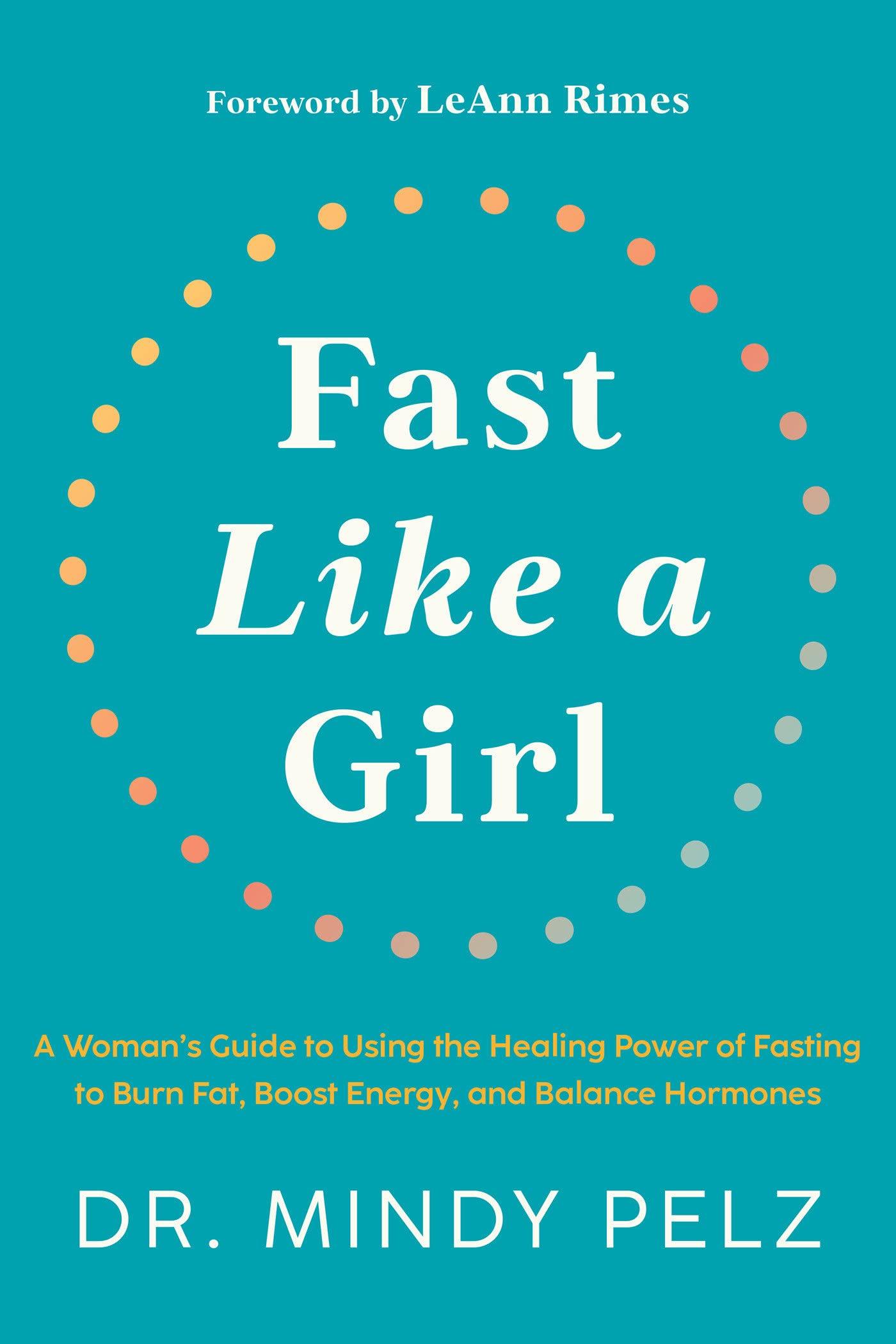
In Fast Like a Girl, Dr. Mindy Pelz explores how women can harness intermittent fasting to balance hormones, boost energy, and improve overall health. She opens the book by explaining that women’s bodies respond differently to fasting than men’s. Drawing on her clinical experience and research, Pelz outlines why a tailored approach matters. She introduces key concepts like the menstrual cycle’s phases and how they influence metabolic needs.
Pelz dives into the science of hormones, showing how estrogen, progesterone, and insulin shift throughout a woman’s month. She explains that when estrogen peaks, cells become more sensitive to insulin. That makes it an ideal time to fast. Later, as progesterone rises, the body craves more nutrients. Understanding these patterns helps women time their fasts for best results.
The author then maps fasting windows onto each phase of the cycle. During the follicular phase, she suggests longer fasting windows such as 16:8, where women fast for 16 hours and eat within eight. She notes that energy levels often feel high then, making fasting easier. In the ovulation window, she advises maintaining moderate fasting. After ovulation, when progesterone is high, she recommends shorter fasts or even skipping fasting to meet nutrient demands.
Pelz offers practical tips for tracking the cycle. She encourages readers to record basal body temperature, cervical mucus, and mood shifts. These simple markers reveal where a woman stands in her cycle. Tracking empowers women to adjust both fasting and exercise. Using an app or a journal, they can see patterns and refine their approach.
Nutrition guidance forms the next section. Pelz highlights whole foods rich in protein, healthy fats, and fiber. She warns against processed snacks that spike insulin and trigger cravings. Instead, she suggests nutrient-dense meals that stabilize blood sugar. She also shares quick recipes, like avocado egg boats or bone broth smoothies, to support fasting days.
Exercise and fasting intersect in Pelz’s program. She explains that intense workouts suit low-hormone days but would tax the body during the luteal phase. Gentle yoga or walking around ovulation balance the system. By syncing workouts with cycle phases, women avoid fatigue and reduce injury risk. Pelz offers weekly exercise schedules to guide beginners.
Stress and sleep habits receive attention next. Pelz stresses that cortisol spikes can undermine fasting benefits. She recommends evening wind-down routines, such as reading or light stretching. Tracking sleep quality helps identify disruptions. Techniques like magnesium baths or breathing exercises anchor restful nights, making fasting more tolerable.
Pelz then addresses common pitfalls. She warns against overdoing fasting on PMS days when cravings spike. She counsels listeners to honor hunger signals rather than force fasts. Allowing flexibility preserves mental well-being. This compassionate approach prevents burnout and guilt.
The author includes client success stories to illustrate her method. One woman with chronic fatigue regained energy by shifting to shorter fasts in her luteal phase. Another overcame stubborn belly fat by following the cycle-aligned plan for two months. These anecdotes show how small tweaks spark big changes.
A section on menopause offers tailored advice for postmenopausal women. Pelz shows that without monthly cycles, insulin sensitivity can fluctuate unpredictably. She suggests a consistent 12-hour fast and gentle strength training. Supplements like DHEA and adaptogens can support hormonal balance during this life stage.
Pelz tackles special circumstances, such as breastfeeding or PCOS. She advises new moms to avoid strict fasting until milk supply stabilizes. For women with PCOS, she suggests shorter fasts combined with insulin-balancing supplements. By adapting her framework, she makes fasting safe for diverse needs.
In a chapter on mindset, Pelz encourages readers to view fasting as self-care, not punishment. She shares affirmations and journal prompts to foster a positive attitude. This mental shift, she argues, transforms fasting from chore into empowering ritual. Women learn to listen to their bodies rather than resist natural cues.
Pelz then explores community support, urging women to form fasting groups or online circles. Shared accountability and recipe swaps boost motivation. She outlines guidelines for virtual meetups. When women connect over shared goals, they sustain healthy habits longer.
The final chapters offer troubleshooting advice. Pelz lists signs that a fasting plan isn’t working, such as persistent fatigue or mood swings. She suggests adjusting fasting lengths, meal timing, or exercise intensity. By listening to feedback, women refine their personal protocol.
Dr. Mindy Pelz closes with an inspiring call to action: embrace fasting as a tool to unlock balanced hormones, vibrant energy, and lasting health. She reminds readers that every woman’s body is unique and deserves a tailored approach. With patience and curiosity, they can fast like a girl and thrive.
Detailed Summary
Key Takeaways
1. Embracing the Four-Phase Cycle
“A woman’s body moves through four distinct phases each month, and aligning fasting with these phases unlocks natural energy rhythms.”
Cycle Awareness: Dr. Pelz outlines the menstrual cycle as four phases: menstrual, follicular, ovulatory, and luteal. Each phase brings shifts in hormones like estrogen and progesterone. Understanding these shifts lets women time their fasting windows to complement natural energy peaks and troughs.
She emphasizes that most fasting protocols treat women like men, ignoring cyclical shifts. By mapping fasting to each phase, women avoid energy crashes and hormonal imbalances. This approach respects biology instead of forcing a one-size-fits-all plan.
Better Hormonal Balance: When women fast according to their cycle, they report fewer mood swings and less fatigue. Clinically, this pattern supports stable blood sugar and balanced estrogen levels. Women often see improved sleep and reduced PMS symptoms.
On a societal level, recognizing this nuanced approach can shift health guidelines. Fitness communities and medical professionals might design female-specific protocols. In the long run, this insight can reduce chronic issues like insulin resistance and hormonal disorders.
Key points:
- Defines four distinct cycle phases
- Aligns fasting windows to energy highs and lows
- Avoids generic fasting protocols
- Supports stable blood sugar and hormones
- Improves sleep and mood stability
2. Tailoring Fasting Windows
“Not every window works for every phase; fasting windows shift with your body’s hormonal map.”
Dynamic Timing: Dr. Pelz recommends shorter fasting windows during the luteal and menstrual phases when progesterone dips and energy is lower. She suggests longer fasts in the follicular and ovulatory phases when estrogen rises and metabolism runs hotter.
She provides sample schedules: a twelve-hour fast in menstruation, a fourteen- to sixteen-hour fast in ovulation. These shifts respect the body’s signals, preventing undue stress on adrenals and thyroid during low-energy phases.
Reduced Burnout Risk: By adjusting fasting lengths, women avoid adrenal fatigue and chronic stress. Doctors note that over-fasting during low-hormone phases can spike cortisol. Tailored windows maintain metabolic flexibility without overtaxing the body.
In workplaces and gyms, this can transform expectations. Trainers and employers might allow flexible meal breaks for women. Over time, this practice could lower burnout rates and improve retention in high-stress environments.
Key points:
- Shorter fasts in low-energy phases
- Longer fasts when estrogen peaks
- Prevents adrenal and thyroid stress
- Maintains metabolic flexibility
- Adapts to individual energy
3. Balancing Blood Sugar Naturally
“Fasting, when timed right, trains your body to stabilize blood sugar without medication.”
Glycemic Control: The book shows how cycle-aligned fasting improves insulin sensitivity. During follicular and ovulatory phases, cells respond better to glucose under fasting stress. In luteal and menstrual phases, shorter fasts avoid hypoglycemia.
Dr. Pelz cites studies where women saw lower HbA1c and fewer cravings. She explains the science in straightforward terms, helping readers grasp why this method works across monthly hormonal swings.
Chronic Disease Prevention: Stable blood sugar reduces risks of type 2 diabetes and metabolic syndrome. On a population scale, cycle-aware fasting could cut healthcare costs tied to diabetes management. Women who adopt this model report fewer energy crashes and less snacking.
Policymakers might integrate this into public health guidelines. Registered dietitians could tailor meal plans around the cycle. The result: better long-term health outcomes and fewer medications.
Key points:
- Improves insulin sensitivity
- Lowers HbA1c over months
- Reduces sugar cravings
- Prevents hypoglycemia in low-energy phases
- Supports metabolic health
4. Supporting Hormonal Health
“Your hormones aren’t the enemy; they’re your compass for fasting.”
Hormone-First Approach: Dr. Pelz reframes hormones as signals, not barriers. She dives into estrogen’s boost of metabolic rate and progesterone’s calming effect on appetite. By following these cues, women fast without triggering hormonal chaos.
She cautions against ignoring progesterone’s role in mood and digestion. Fasting too long in a high-progesterone phase can worsen IBS or anxiety. The hormone-first mindset steers readers away from trial-and-error extremes.
Reduced Hormonal Disorders: This approach may ease conditions like PCOS and endometriosis by stabilizing cycles. Patients often see fewer painful cramps and clearer skin when they align meals to hormonal peaks.
As more women share success stories, healthcare providers could adopt cycle-based nutrition counseling. Over time, this may lower the prevalence of hormone-related disorders among reproductive-aged women.
Key points:
- Sees hormones as guides
- Balances estrogen and progesterone
- Prevents IBS and mood spikes
- Eases PCOS and endometriosis
- Promotes cycle regularity
5. Enhancing Mental Clarity
“Aligned fasting sharpens focus, even in the luteal lull.”
Brain-Body Connection: The book explores how fasting boosts BDNF and supports neuroplasticity. In high-estrogen phases, women report laser focus and creativity. During low-estrogen phases, short fasts still clear brain fog without draining energy reserves.
Dr. Pelz offers anecdotes of entrepreneurs who map fasting to peak work tasks. They schedule brainstorming in ovulation and lighter tasks during menstruation. This rhythm respects cognitive ebbs and flows.
Productivity Gains: Professionals who adopt cycle-based fasting often report higher work output and fewer midday slumps. This can translate to better performance reviews and career advancement.
Organizations might rethink flexible schedules. Allowing women to adjust work intensity across their cycle could improve team efficiency. Over months, this practice may boost company morale and innovation.
Key points:
- Increases BDNF production
- Maps focus to high-estrogen days
- Prevents brain fog in low phases
- Boosts productivity
- Supports creativity
6. Cultivating Sustainable Habits
“A cycle-aligned plan sticks because it respects your body’s natural flow.”
Long-Term Success: Dr. Pelz argues that sustainability stems from listening to biology. She contrasts rigid diets with her flexible model. By building fasting around cycle cues, women avoid burnout and yo-yo weight loss.
She shares success stories of women who maintained cycle-aligned fasting for years. They describe it as less of a diet and more of a rhythm they live by. This consistency fosters confidence and long-term health gains.
Cultural Shift: As more women share their experiences, cycle-based fasting might reshape wellness culture. Influencers and apps may integrate cycle trackers with fasting timers. This normalization encourages consistency.
In time, medical schools could teach cycle-specific nutrition. Dietitians would tailor plans by phase. The net effect: healthier habits at scale, fewer diet fads, and a stronger sense of embodiment.
Key points:
- Respects natural rhythms
- Prevents burnout
- Encourages consistency
- Transforms diet culture
- Builds confidence long-term
Future Outlook
Dr. Pelz’s cycle-aligned fasting model opens doors to personalized nutrition research. Scientists may conduct large-scale trials comparing generic fasting with phase-tailored protocols. Over time, these studies could refine guidelines for women of different ages and health backgrounds.
In clinical practice, endocrinologists and dietitians might integrate cycle awareness into care plans. Mobile apps will likely incorporate cycle data with fasting timers, making personalized plans more accessible. Employers could adopt flexible wellness policies, allowing women to adjust meal and work schedules across their cycle.
Ultimately, this approach could spark a broader shift in health culture. Recognizing and embracing biological differences moves us toward more inclusive, effective wellness strategies. As women share their successes, cycle-aware fasting may become a cornerstone of female health optimization.