Summary
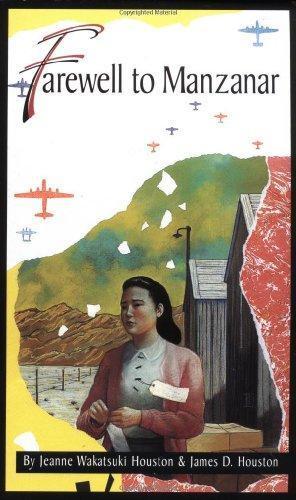
Farewell to Manzanar, by Jeanne Wakatsuki Houston and James D. Houston, recounts the Wakatsuki family’s forced relocation and life in an American internment camp during World War II. Jeanne was just seven when President Roosevelt signed Executive Order 9066, uprooting her Japanese American family from their Long Beach home. In clear, vivid prose, she paints a portrait of fear and resilience.
After the bombing of Pearl Harbor on December 7, 1941, anti-Japanese sentiment swept the West Coast. Jeanne’s father, Ko, a former merchant mariner and naturalized U.S. citizen, faced increasing suspicion despite his loyalty. One morning, armed soldiers ordered the family to surrender their belongings. They packed hastily, certain they would return soon. Instead, they boarded cramped trains bound for Manzanar.
Manzanar sat amid the stark Owens Valley desert, ringed by barbed wire and guard towers. The camp’s dusty roads led to rows of tarpaper barracks, each barely adequate against wind and cold. Jeanne recalls the perplexing sight of families living behind fences, soldiers patrolling watchtowers, and guard dogs prowling the perimeters. It felt both surreal and imprisoning.
Inside the barracks, the Wakatsukis shared a single room with little insulation. They lined their beds with newspapers for warmth and staved off boredom by cooking familiar dishes over small stoves. Privacy vanished. Thin walls meant every whispered conversation carried down the aisle. Yet they persisted in forging a home under impossible conditions.
School offered Jeanne and her brother Woodrow a refuge of sorts. Classrooms felt normal at first: chalkboards, desks, recess. But tensions simmered. Some white teachers treated Japanese American pupils as suspects. Meanwhile, older internees organized classes on Japanese language and culture. Jeanne learned to balance two worlds, never fully accepted in either.
Meanwhile, the strain on Ko mounted. Once self-confident and outspoken, he became withdrawn and erratic after prolonged confinement. He snapped at simple requests and dragged himself to the mess hall in silence. His breakdown climaxed when he tore off his clothes one night, sobbing in the snow that drifted through their flimsy window. The family feared his mind would crack under the weight of injustice.
Mother, Riku, stepped up with quiet strength. She managed the family’s small garden plot and coerced fresh vegetables from the rocky soil. She nudged Ko to join support groups and petitioned camp authorities for better medical care. Her resolve held the Wakatsukis together, even as rumors swirled that some internees considered renouncing U.S. citizenship to secure repatriation to Japan.
Amid grief and anger, Jeanne found moments of joy. She joined the Girl Scouts, earned badges, and played tag on block parties’ dusty grounds. She also listened to secret broadcasts on a hidden radio. Those stolen moments of normalcy reminded her that childhood could survive even in a fence-enclosed world.
In 1943, the U.S. government began "loyalty" screenings. Internees faced intrusive questions: Would they serve in the U.S. military? Forswear allegiance to the Emperor? Younger men enlisted, including some from Manzanar’s High School Cadet Corps. Jeanne understood that families split between those deemed loyal and those labeled suspect.
The war ended, and the government closed Manzanar in 1945. The Wakatsukis returned to Long Beach with few savings, damaged reputation, and lingering mistrust. They encountered hostility from neighbors who assumed they’d been sympathetic to Japan. Jeanne’s mother lost her prized loquat tree to vandals.
Rebuilding proved arduous. Ko struggled to find work, haunted by his camp breakdown. The siblings faced discrimination in schools. Jeanne felt torn between postwar American optimism and her family’s wounded pride. Cooking Japanese meals in a new apartment attracted stares. She learned to downplay her heritage to fit in.
Over time, Jeanne became a storyteller. She wrote essays recalling camp life, wanting readers to grasp the human cost of prejudice. Her memories bubbled with candid detail: the snap of guard dogs’ teeth, the hollow march past watchtowers, the waft of okonomiyaki from makeshift kitchens.
The book closes with introspection. Jeanne recounts returning to Manzanar decades later, standing where the barracks once stood. She sifts through desert sands for shards of her childhood. The visit brings tears and healing. She sees footprints of innocence lost, yet feels the pulse of dignity that survived.
Farewell to Manzanar stands as both personal memoir and testament. It warns against surrendering civil liberties in fear’s name. Through Jeanne’s eyes, we witness the resilience of a family battered by injustice yet determined to belong. Her story reminds us that freedom demands constant vigilance.
In blending intimate recollection with historical context, Jeanne Wakatsuki Houston and James D. Houston offer more than memoir. They give readers an urgent call to remember—and to resist repeating—America’s most regrettable wartime mistake.
Detailed Summary
Key Takeaways
1. Family Uprooted by Fear
“It was as though we were orphans, thrown onto an alien shore.”
Loss of Home: When the Wakatsukis awaken to soldiers at dawn, they face a living nightmare. The government’s sudden order forces them out of their house without time to pack possessions. Jeanne describes the scramble to gather essentials as a blur of fear and confusion. She and her family cross the desert toward Manzanar, unsure if they’ll ever return to life as they knew it.
This forced migration uproots their sense of belonging. They trade private rooms for tarpaper barracks, and tall pines for dust storms. Childhood routines vanish. Jeanne watches siblings and parents adapt unevenly. Through this shift, she begins to grasp how fragile normal life can be when bias and wartime panic prevail.
Scars of Displacement: The internment of Japanese Americans left deep psychological scars. Families lost property and savings when they sold farms and businesses at a loss. After the camps closed, many struggled to rebuild. Some returned to communities that resented their presence. Others drifted across the country seeking work or community ties.
Generations later, this forced uprooting still informs debates on civil liberties. Manzanar stands as a warning: in times of fear, democracies can trample rights. The Wakatsukis’ story teaches that security measures must respect human dignity. It reminds us to question actions taken under the guise of national safety.
Key points:
- Soldiers wake families at dawn with no warning
- Busy packing only essentials, leaving treasured items behind
- Swap private homes for cramped, dusty barracks
- Children confront sudden loss of routine and play spaces
- Fear and uncertainty color every moment before arrival
2. Struggle for Identity
“I felt like a ghost at school—visible yet invisible.”
Youth Between Worlds: In Manzanar’s makeshift classrooms, Jeanne wrestles with two identities. At home, she hears Japanese; outside, she must speak English. Fellow evacuees call her ‘Americanized,’ while outsiders brand her ‘Japanese.’ This double bind intensifies as she enters junior high. Teachers urge loyalty to the U.S. Yet peers mock her accent, accusing her of being unpatriotic.
Jeanne’s diary entries reveal her conflicted self-image. She briefly tries to blend by straightening her hair and wearing ‘American’ clothes. But she still feels foreign in her own land. Through this internal tug-of-war, she learns how discrimination can fracture a child’s sense of self.
Long-Term Cultural Tension: Second-generation immigrants often face an identity split. They inherit parents’ language and values yet adopt the host country’s norms. For Japanese Americans, the war heightened this rift. Government suspicion made ‘being American’ a matter of proving loyalty rather than shared values.
Modern descendants of internees still navigate these cultural legacies. They ask: Can you fully claim both heritages? The Wakatsuki family’s experience illustrates how exile and confinement complicate assimilation. Their story encourages us to support bicultural identities, ensuring that belonging never forces erasure of heritage.
Key points:
- Caught between Japanese language at home and English at school
- Peers label her as too ‘American’ or too ‘Japanese’
- Attempts to fit in by altering appearance feel hollow
- Educators stress patriotism to prove loyalty
- Internal diaries expose constant identity doubts
3. Enduring Resilience
“Even in the dust, we planted seeds of hope.”
Finding Strength in Laughter: Life at Manzanar tests the youngest newcomers. Food grows stale; mosquitoes swarm; barracks leak in rain. Yet families stage talent shows, recite poetry, and organize baseball games. Jeanne recalls her father’s joke routines that lightened the mood. Mothers swap recipes over communal wash tubs. These small acts of normalcy become lifelines.
Through chores and ceremonies, internees assert agency. They build gardens amid the arid soil. They celebrate birthdays with homemade cakes. For Jeanne, these moments teach that resilience isn’t grand heroism. It’s holding on to daily joys when everything else seems stripped away.
Community Bonds in Crisis: Across history, oppressed groups find solidarity in shared rituals. In Manzanar, internees formed self-governing councils, churches, and schools. Their initiatives improved sanitation and health conditions. This unity yielded a crucial lesson: collective action can soften the harshest conditions.
Today’s disaster response efforts echo similar patterns. Communities rebuild faster when neighbors collaborate. The Wakatsukis’ time in Manzanar reinforces that resilience thrives on social ties. It also warns that authorities should empower—not neglect—local leadership when crises erupt.
Key points:
- Families stage music, drama, and talent shows
- Shared cooking and gardening foster routine and hope
- Children learn to adapt through games and chores
- Parents maintain cultural and religious ceremonies
- Internal self-government builds community infrastructure
4. Erosion of Trust in Government
“They promised protection, then locked us behind barbed wire.”
Breach of Civil Liberties: Executive Order 9066 authorized mass exclusion without due process. The Wakatsukis felt betrayed by the nation they served. Jeanne’s father, an American citizen and former soldier, watches his rights evaporate. Officials strip internees of property deeds, bank accounts, and freedom of movement.
Jeanne notes that barbed wire fences and guard towers symbolize more than confinement. They represent the fragility of constitutional safeguards under wartime jitters. Families realize that in moments of panic, legislation can override justice.
Precedent for Modern Policy: Post-9/11 security measures revived debates about profiling and detention. The Japanese American internment serves as a stark precedent. Scholars and activists cite Manzanar when arguing against ethnic-based surveillance or warrantless searches.
The Wakatsukis’ account urges vigilance: governments must balance security with rights. Ongoing reparations and official apologies reflect a collective acceptance of past injustice. Their legacy continues to shape legal standards on civil liberties.
Key points:
- Order 9066 bypassed individual hearings
- Citizenship didn’t shield Japanese Americans
- Barbed-wire camp boundaries enforced internment
- Property and assets lost under hurried sales
- Apathy and outright hostility from some neighbors
5. Trauma Across Generations
“Our silence about camp life spoke volumes at the dinner table.”
Unspoken Wounds: After liberation, families return to fractured communities. Jeanne’s father rarely discusses Manzanar. Instead, he buries his anger in long work hours. Parents avoid recounting camp hardships to their children. This silence creates a gap in family narratives. Jeanne senses a weight she cannot fully name—a secret sorrow coloring her daily life.
Researchers call this ‘intergenerational trauma.’ Children absorb parental fears, shaping their worldview. For Jeanne, the unspoken past stirs anxiety about belonging and authority. Her story underscores how trauma can persist if left unaddressed.
Healing Through Storytelling: Only decades later did many internees publicly share memories of camps. Oral histories and memoirs, including Farewell to Manzanar, opened channels for acknowledgment and healing. Psychologists find that recounting trauma within a safe community alleviates anxiety and depression.
Today’s educators use these narratives to foster empathy and prevent repetition of past mistakes. For Japanese American families, reclaiming history has become an act of renewal. It offers a model for other groups grappling with inherited trauma.
Key points:
- Camp survivors often avoid discussing internment
- Children sense parental fear without details
- Silence perpetuates anxiety and mistrust
- Memoirs and interviews break the cycle
- Public acknowledgment aids communal healing
6. Hope and Reconciliation
“We learned to rebuild our lives, brick by brick.”
Reclaiming Agency: After camp closure, the Wakatsukis scatter across the country. Jeanne’s family moves to Chicago, where they struggle to find housing and work. Yet they persist. Her mother takes odd jobs; her father joins a labor union. Jeanne completes high school and eventually attends college.
Through perseverance, they reclaim dignity and purpose. They join community organizations that advocate for redress. Jeanne’s own voice becomes a vehicle for recognition and change. Their journey illustrates that hope can follow even the darkest chapter.
Legacy of Redress Movement: In 1988, the U.S. government formally apologized and paid reparations to surviving internees. This milestone owed much to survivors’ activism. The redress movement set a precedent for acknowledging systemic wrongs and compensating victims.
Farewell to Manzanar helped galvanize public support. Jeanne and James Houston’s memoir gave a human face to abstract policy debates. Their work reminds us that truth-telling can empower marginalized voices and lead to meaningful policy reforms.
Key points:
- Families rebuild by relocating and seeking work
- Survivors join unions and civic groups
- Jeanne pursues education despite financial strain
- Activism leads to 1988 Civil Liberties Act
- Memoir humanizes history and spurs policy change
Future Outlook
Farewell to Manzanar resonates today as societies grapple with immigration, national security, and civil rights. Its lessons caution against scapegoating minorities in times of fear. We see echoes in debates over Muslim travel bans and refugee detentions. Jeanne’s account urges policy rooted in constitutional values rather than prejudice.
Educators increasingly include the internees’ story in curricula to foster historical empathy. As new generations learn about Manzanar, they gain tools to challenge discrimination and uphold justice. Jeanne Wakatsuki Houston’s memoir remains a beacon, reminding us that preserving rights for all is central to a healthy democracy.
On a personal level, families heal by sharing stories once silenced. Community dialogues and museum exhibits keep these memories alive. Farewell to Manzanar shows that telling our collective truths can pave the way for reconciliation, ensuring that ‘never again’ holds real meaning.