Summary
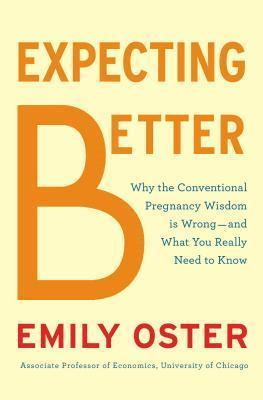
Expecting Better by Emily Oster challenges the standard guidelines that dictate every choice a pregnant woman makes. Oster, an economist, approaches pregnancy advice like data—she sifts through studies, compares risks, and questions blanket prohibitions. Instead of accepting “because I said so,” she asks, “What do the numbers really show?” This shift in perspective frames the rest of her book, as Oster takes on topics from caffeine to alcohol to exercise.
She starts with caffeine, a staple in many people’s mornings. Conventional wisdom says to avoid it completely, but Oster finds that moderate consumption—up to 200 milligrams daily—carries minimal risk. She contrasts studies that lump heavy coffee drinkers with moderate ones, showing how that skews fear. Readers learn to weigh benefit and risk, not banish their favorite latte out of hand.
Next comes alcohol. Many doctors insist on total abstinence, yet Oster parses data on light drinking. She examines cohort studies that track women who enjoy an occasional glass of wine. While she doesn’t condone getting tipsy, she argues that one drink a week doesn’t raise miscarriage or birth-defect rates measurably. Instead, she equips readers to decide for themselves using clear evidence.
When it comes to exercise, existing advice often errs on the side of caution. Women hear they must rest, rest, rest. Oster flips that on its head by reviewing trials of pregnant athletes and recreational exercisers. She finds that staying active—walking, swimming, gentle strength training—supports healthier pregnancies. She curbs fears about elevated heart rates and argues that a fit mom often means a smoother labor.
Weight gain proves another hot topic. Standard charts offer wide ranges, leaving many women unsure how much is “too much.” Oster digs into data showing that modestly overweight women tend to have healthy babies without extra complications. She also highlights how nutritional needs shift trimester by trimester, helping readers map out realistic goals rather than chasing an arbitrary number on the scale.
Oster doesn’t shy away from ultrasounds and prenatal tests. She examines what screening tests really detect and how often they lead to false positives. In doing so, she demystifies amniocentesis and chorionic villus sampling, laying out both the risks of procedure-related miscarriage and the odds of serious genetic conditions. This clarity helps parents decide whether to accept or decline certain tests.
Nutrition advice lives under similar scrutiny. Kale smoothies and avocado toast dominate Instagram feeds, yet Oster steps back to analyze vitamins, minerals, and calories. She shows why folic acid supplements before conception reduce neural-tube defects. Then she addresses fish consumption, separating mercury fears from the benefits of omega-3s. This balanced view defuses anxiety about every bite you swallow.
When sleep and stress enter the conversation, Oster again focuses on study results. She notes that chronic stress can raise preterm birth risks, but occasional worry likely won’t harm a fetus. She also finds that shifting schedules or napping strategically can help exhausted moms-to-be. With her economic lens, she values efficient tactics—small changes that yield big benefits.
The section on labor and delivery questions the idea that fear equals shorter, easier births. Oster reviews evidence on induced labor, fetal monitors, and epidurals. She suggests that intervention often stems from hospital policy rather than medical necessity. By showing comparable outcomes in lower-intervention settings, she empowers readers to talk with their providers and demand the birth plan that feels right.
Breastfeeding completes her evidence tour. While the World Health Organization recommends exclusive breastfeeding for six months, Oster reminds readers of real-world constraints. She outlines the well-documented benefits—reduced infections, stronger immunity—and weighs them against factors like maternal work schedule and milk supply. She urges new parents to set flexible goals rather than feel guilty if exclusive breastfeeding proves impossible.
Throughout the book, Oster returns to her guiding question: what do the numbers really say? She consistently warns against fear-based decision making. Instead of zero tolerance rules, she promotes informed balance. A glass of wine here, a moderate hike there, and a relaxed mindset become legitimate choices supported by research rather than dismissed out of hand.
Personal stories from expectant parents pepper her chapters. One mother fretted over sushi until she learned the true mercury levels in locally sourced fish. Another worried about carrying twins and found that gentle weightlifting actually improved her energy. These brief anecdotes ground dry statistics in real life, showing how data meets diverse circumstances.
Emily Oster also points out gaps in research where data remains thin. She admits that women still face many unanswered questions, from low-level chemical exposures to optimal sleep positions. Her honesty about uncertainty feels refreshing. It reminds readers that science evolves and that good decisions come from ongoing inquiry, not final pronouncements.
By the end of the book, readers appreciate how much traditional advice relies on cautionary tales instead of solid evidence. Oster urges a new standard: transparency about data quality, clear risk assessments, and respect for individual preferences. She invites pregnant women to become their own informed advocates, armed with facts rather than fears.
Expecting Better doesn’t promise a risk-free pregnancy—it can’t. Instead, it offers tools to navigate recommendations thoughtfully. Oster transforms the journey from blind obedience into an empowered conversation between mother, partner, and provider. And in doing so, she reshapes how we think about pregnancy advice for the better.
Detailed Summary
Key Takeaways
1. Challenging Conventional Advice
“Pregnancy advice often rests on fear rather than evidence.”
Questioning Traditional Guidelines: Emily Oster begins by highlighting how many pregnancy recommendations lack solid data. She argues that guidelines on everything from diet to exercise often come from tradition or caution, not rigorous studies. That leaves expectant mothers uneasy and uncertain.
She walks readers through how obstetric advice developed over time. Many rules emerged when researchers couldn’t track outcomes well. Today we have better statistics and can revisit old beliefs with more clarity.
Empowering Mothers to Decide: Oster’s approach shifts power to pregnant women. When you see the data yourself, you can weigh risks and benefits instead of following blanket bans. This transparency increases confidence and reduces unnecessary anxiety.
Medical professionals also benefit. By relying on clear evidence, they can give more nuanced guidance. Over time, this could reshape prenatal care to be more personalized and less risk-averse.
Key points:
- Many pregnancy rules stem from caution, not data
- Lack of solid studies underpins old guidelines
- Better statistics now let us reexamine advice
- Data transparency fosters informed choices
- Personalized care replaces one-size-fits-all rules
2. Reevaluating Alcohol Use
“Moderate drinking may not pose the risk we once feared.”
Alcohol Studies Reviewed: Oster delves into decades of research on alcohol consumption during pregnancy. She notes that earlier warnings came from high-dose experiments or limited human surveys. Many of those studies didn’t account for factors like nutrition or socioeconomic status.
By examining larger, more controlled cohorts, she shows that light to moderate drinking—up to one glass of wine a week—does not lead to measurable developmental harm. That finding contradicts strict zero-alcohol policies.
Balancing Risks and Quality of Life: This insight doesn’t mean you must drink. Instead, it highlights how low-level exposure often brings negligible risk. When doctors and mothers discuss alcohol honestly, they can find a balance that avoids unnecessary guilt.
Cultural expectations around total abstinence may shift. If more obstetricians embrace nuanced advice, women could feel less shame about occasional social drinks. Meanwhile, public health messaging might focus on higher levels of consumption where real risk exists.
Key points:
- Old studies used high-dose scenarios
- Large cohort data shows minimal harm at low levels
- Zero-tolerance rules may cause undue stress
- Shared decision-making replaces guilt
- Focus shifts to truly risky drinking patterns
3. Caffeine: Friend or Foe?
“A daily cup of coffee is unlikely to harm your baby.”
Analyzing Caffeine Research: Expectant mothers often fear that caffeine causes miscarriage or low birth weight. Oster reviews many observational studies and randomized trials. She finds no consistent link between moderate caffeine (under 200mg per day) and adverse outcomes.
Some earlier research didn’t adjust for smoking or diet. Once you control for these factors, the effect of caffeine itself fades. That suggests that a couple of cups of coffee are acceptable for most women.
Reducing Everyday Worry: Coffee often provides comfort during long days of pregnancy. Confirming that moderate caffeine intake poses little threat can ease daily stress. Women can enjoy familiar routines without anxiety.
Health professionals may revise guidelines. By replacing hard-and-fast bans with flexible limits, they acknowledge real life. This shift recognizes that small pleasures often matter for mental well-being.
Key points:
- Moderate caffeine under 200mg/day is safe
- Past studies mixed up caffeine with other risks
- Controlling for confounders changes results
- Permit familiar routines without fear
- Guidelines move from bans to limits
4. Exercise Beyond Bedrest
“Regular moderate exercise benefits both you and your baby.”
Reframing Activity Guidelines: Oster explores research on prenatal exercise. Decades ago, doctors often prescribed bedrest for high-risk pregnancies. But newer studies reveal that moderate workouts lower the chance of gestational diabetes, hypertension, and cesarean delivery.
She recommends 30 minutes of brisk walking or swimming most days. These activities improve mood, stamina, and cardiovascular health. They also prepare the body for labor.
Shifting Toward Active Pregnancy: This finding challenges the notion that rest is always best. When women stay active, they feel more in control of their changing bodies. That physical empowerment often carries over into labor, leading to shorter durations and fewer interventions.
Clinics may start prescribing exercise like a supplement. Physical therapists and trainers could become part of standard prenatal teams. Over time, active pregnancy may become the norm instead of optional.
Key points:
- Bedrest seldom necessary for most risks
- Moderate exercise cuts complications
- Brisk walks or swims recommended
- Improved mood and labor outcomes
- Exercise as standard prenatal prescription
5. Understanding Miscarriage Risk
“Your baseline risk depends on where you live and how you measured it.”
Contextualizing Loss Statistics: Miscarriage rates often cited—about 15–20%—vary worldwide. Oster shows that detection methods and reporting practices skew numbers. When women test for pregnancy as soon as conception occurs, early losses appear higher.
She compares cohorts with home tests versus clinical confirmation. Early testers see up to 30–40% loss before six weeks. That doesn’t mean risk jumped. It just means we now catch very early losses previously invisible.
Reducing Guilt and Misunderstanding: Many women blame themselves after a miscarriage. Understanding that early loss often reflects biological filters—not lifestyle choices—can lessen guilt. It reframes miscarriage as common natural culling rather than personal failure.
Clinics can adjust counseling to include these nuances. By presenting local data clearly, obstetricians help patients set realistic expectations and recover emotionally sooner.
Key points:
- Loss rates depend on detection timing
- Home tests reveal more early miscarriages
- Reported statistics vary by country
- Knowledge eases unwarranted guilt
- Counseling adapts to local data
6. Prenatal Testing Decisions
“Screening tools carry false positives; know the real odds.”
Navigating Genetic Screens: Oster reviews first- and second-trimester screens for chromosomal disorders. She explains sensitivity, specificity, and false-positive rates. Many women don’t realize that a positive screening result often has less than a 5% chance of true disease.
She lays out how to interpret combined test results and how maternal age factors in. Then she compares invasive diagnostic options like amniocentesis, detailing their real procedural risks.
Empowering Informed Choices: By clarifying test accuracy, Oster frees women from panic over borderline markers. Couples can decide whether to pursue diagnostic tests based on personalized risk rather than fear.
Obstetric care shifts toward shared decision-making. And patients gain tools to ask better questions. In time, this might reduce unnecessary procedures and their attendant complications.
Key points:
- Explain sensitivity vs. specificity
- False positives often outweigh true alarms
- Age influences baseline risk
- Diagnostic procedures have measurable risks
- Shared decision-making improves care
Future Outlook
Expecting Better sets a new standard for prenatal care. By encouraging transparent data review, it invites doctors and patients to question blanket rules and to craft individualized plans. Over time, this approach could widen beyond pregnancy. We might see evidence-based revisions in pediatrics, geriatrics, and beyond.
Emily Oster’s model inspires further research. Scholars could fill gaps she highlights—such as long-term developmental follow-ups or nuanced assessments of lifestyle factors. Policymakers and professional societies may reconsider official guidelines, leaning on updated meta-analyses rather than tradition.
Most importantly, this book empowers women to engage critically with medical advice. That shift in agency carries into childbirth and parenting. As expectant mothers become savvy advocates, healthcare may evolve toward partnership over paternalism.