Summary
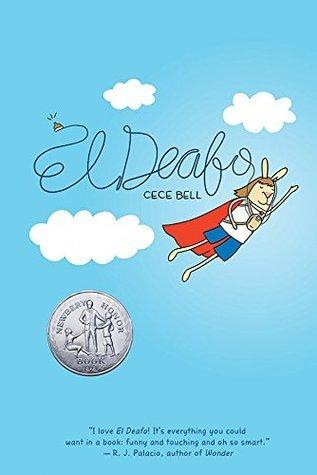
El Deafo, written and illustrated by Cece Bell, tells the autobiographical tale of a young girl who loses her hearing to meningitis at age four. Thrust into a world of silence, Cece learns to navigate new challenges while wearing her Phonic Ear—a bulky hearing aid that picks up her teachers’ voices through a hidden microphone. In her mind, that device transforms her into a superhero she dubs El Deafo, one who can hear secrets from afar but also feels painfully self-conscious.
During her first days at preschool after the hearing loss, Cece struggles to follow her classmates. She often misses out on jokes and whispers. When she asks for repeats, other kids roll their eyes or lose patience. Inside her head, she fantasizes flaunting the Phonic Ear like a jetpack or using it to beam sound onto the moon. Yet each imaginary flight reminds her how different she feels.
At home, Cece’s family grows accustomed to her new needs. Her mother reads lips and signs simple words. Her father builds picture charts to explain routines. Cece’s older brother, Charles, teases her for wearing a clunky device, but he defends her when other kids stare. These small gestures bring comfort even as Cece continues to worry about fitting in.
When Cece enters kindergarten, she braces herself for fresh stares. Teachers must remember to point the Phonic Ear transmitter at their mouths. Cece still can’t hear whispers or students in the back row. She feels like she’s always one step behind. Each time a friend shouts a secret on the playground, her heart sinks.
Then Cece meets Laura, an outgoing girl who remembers to face her when speaking. They bond over picture books and chalk drawings. Laura doesn’t seem to mind the Phonic Ear, and Cece celebrates a rare moment of ease. Their playdates feel like refuge. At last, Cece can imagine a real friend who accepts her quirks.
When Cece overhears Laura and other girls calling her “weird” behind her back, she’s devastated. Fear and anger surge together. She wants to blast them with the Phonic Ear’s power, but she stays silent. Instead, Cece clutches her green crayon and scribbles a superhero comic about El Deafo saving the day by teaching bullies a lesson.
By first grade, Cece experiments with coping strategies. She tries raising her hand before she speaks to make sure teachers look at her. She writes notes instead of asking for repetition. She invents secret codes to track playground gossip. These strategies bring mixed results. Some days feel triumphant, others remind her how much she misses normal hearing.
Cece’s family takes a vacation to the beach, hoping to create happy memories. She builds sandcastles and collects seashells, but the roar of waves overwhelms her. She removes the Phonic Ear to avoid feedback, then feels cut off from everyone. Under the blazing sun, Cece wonders whether she’ll ever feel truly part of a crowd again.
Back at school, Cece tries to find new friends who might understand her world. She befriends Ginny, a shy classmate who wears bright glasses. The two bond over feeling different. Together they form their own club—The Different and Proud Club—where they celebrate each other’s unique traits. Cece sketches their meetings in her notebook and giggles at the silly club handshake she invents.
When the class stages a play, Cece volunteers for a small part so she can practice lip-reading and feel less anxious. Her teacher positions her upfront and nods reassuringly. On opening night, the audience applauds with gusto. Cece’s heart soars. She realizes she can face her fears and still shine under the spotlight.
As Cece enters second grade, she grows more confident. She learns to wear her Phonic Ear tucked under her shirt in custom-made pockets, making it less obvious. She even designers a cape for El Deafo with sparkly patches that reflect her inner strength. At home she crafts elaborate adventures for her alter ego, in which El Deafo rescues classmates from bullies and helps kids hear each other with empathy.
Cece still faces moments of frustration. She loses the transmitter once and panics. She mishears a friend’s question and blurts out an off-topic answer. She worries every cough and whisper hides gossip about her. But each time, she adapts. She apologizes, asks for clarification, or cracks a joke. Slowly, Cece transforms setbacks into opportunities to laugh at herself.
By the end of elementary school, Cece reflects on how far she’s come. The Phonic Ear, once a symbol of isolation, now feels like a tool she wields with pride. She’s learned to speak up, to teach others about hearing loss, and to make friends who accept her tech-enhanced self. Her sketchbook brims with new El Deafo comics that highlight kindness and resilience.
In the final chapter, Cece acknowledges that living with a disability isn’t a tale with a perfect ending. She still worries about middle school and new social traps. Yet she feels empowered by the lessons she’s learned: that empathy bridges divides, that laughter can defuse awkwardness, and that being different can become one’s greatest strength. El Deafo might not have super-hearing all the time—but she has courage.
El Deafo ends on a hopeful note. Cece strips away her superhero costume in the last panel and faces the reader directly. She reminds us that heroes come in all forms, and that every person has an unseen power waiting to be embraced. In sharing her story, Cece Bell opens a window into the deaf world and invites us to listen—and to truly hear—one another.
Detailed Summary
Key Takeaways
1. Claiming One’s Voice
“I was listening to the whole world all at once and it was loud.”
Finding Inner Strength: Cece grows up hard of hearing and depends on a bulky hearing aid nicknamed the Phonic Ear. She describes early school days as a blur of muffled sounds, making it tough to follow lessons. In those moments, she learns to rely on her own resourcefulness rather than waiting for others to guide her.
As Cece adapts, she discovers that owning her difference gives her confidence. She shifts from feeling isolated to taking charge of her story. This transformation underpins the memoir’s message: embracing what makes you unique can become your greatest strength.
Changing Perceptions: El Deafo reshapes how readers view disability. By sharing her own trials and triumphs, Cece invites us to see beyond labels and spot the person beneath. Schools and families gain insight into how to support hearing-impaired children with respect and patience.
On a broader level, Cece’s journey sparks conversations about accessibility and inclusion. Her cartoon alter ego, El Deafo, stands as a symbol of empowerment for kids worldwide. The memoir has encouraged educators to rethink classroom acoustics, seating, and peer interactions, making learning spaces friendlier for everyone.
Key points:
- Shifts from isolation to self-reliance
- Uses humor to tackle fear of difference
- Transforms hearing aid into symbol of power
- Models self-advocacy for young readers
- Promotes wider acceptance in schools
2. Reinventing Friendship
“Sometimes I felt like El Deafo and sometimes I just felt like plain old Cece.”
Navigating Social Circles: Cece struggles to connect with classmates who don’t understand her hearing aid. She often worries classmates see her Phonic Ear before they see her. This tension leads her to test new friendships, not knowing which ones will hold.
In crafting her superhero persona, she sets rules for interaction. El Deafo only reveals her secret identity to true friends. Through trial and error, Cece learns how to set boundaries, share her needs, and invite peers to join her world rather than ignore it.
Building Empathy: Readers witness how small acts—like speaking clearly or offering to repeat a question—affect real bonds. The memoir gives parents and educators practical triggers: when a child wears a hearing aid, empathy goes beyond mere awareness. It means active listening and accommodation.
Social programs for children have adopted El Deafo as a teaching tool. Role-playing exercises help classmates grasp the awkwardness of lip-reading class discussions. This hands-on understanding can reduce bullying and isolation, forging stronger, kinder peer networks.
Key points:
- Highlights trial-and-error in friendships
- Shows value of honest communication
- Encourages peers to learn supportive habits
- Demonstrates effects of empathy in real relationships
- Offers concrete steps to include hearing-impaired kids
3. The Power of Imagination
“Up in my head I turned into a superhero.”
Creative Coping: When reality feels overwhelming, Cece retreats into her imagination. She pictures herself as El Deafo, a caped crusader with superhearing. That playful fantasy lets her feel in control during awkward moments in class or on the playground.
This storytelling device underlines how creativity can help a child manage stress. Imagination becomes not just escape but a rehearsal space for life skills. By envisioning herself as brave and capable, Cece gains the courage to tackle real-world challenges head-on.
Therapeutic Storytelling: El Deafo demonstrates how narrative can heal. Mental health professionals working with children facing chronic conditions borrow Cece’s method, encouraging clients to create empowering alter egos.
School counselors also use role-play inspired by the memoir to foster resilience. They guide kids to invent heroes that reflect their strengths, thereby internalizing the message: you’re more resourceful than you think.
Key points:
- Uses fantasy to build confidence
- Frames imagination as a skill tool
- Models creative problem-solving
- Inspires therapeutic applications
- Helps children reframe adversity
4. Embracing Vulnerability
“I had a secret and I didn’t want anyone to know it.”
Opening Up: For years, Cece hides her hearing loss from classmates. She fears teasing if anyone spots the Phonic Ear. Keeping that secret drains her energy and heightens her anxiety.
When she finally admits her vulnerability, she feels a weight lifted. Telling trusted friends and her teacher helps her build stronger connections. This shift from isolation to transparency marks a turning point in her emotional growth.
Reducing Stigma: By showing the positive fallout of “coming out” as hard of hearing, El Deafo encourages other kids to be open about their challenges. Parents and educators see that acceptance often follows honesty.
Every time a child reveals an invisible disability, stigma weakens. Communities learn that nobody has to struggle in silence. This cultural change helps build more supportive environments for other hidden conditions like learning disorders or chronic illness.
Key points:
- Highlights cost of secrecy
- Shows relief from sharing the truth
- Transforms relationships through honesty
- Inspires peers to disclose hidden needs
- Lowers stigma around invisible disabilities
5. Technology as Ally and Foe
“My Phonic Ear let me hear my teacher and my classmates. But it also made me stick out.”
Double-Edged Device: Cece’s hearing aid amplifies sound so she can follow lessons and chat with friends. Yet that same device draws curious stares and offhand comments.
This paradox illustrates how assistive tech brings both independence and exposure. Cece must learn to balance her reliance on the Phonic Ear with her desire to blend in. Her journey mirrors debates over whether technology helps or highlights difference.
Designing for Dignity: El Deafo sparks product designers to rethink form and function. They aim for sleek, less conspicuous devices that still meet high performance standards. This emphasis on user dignity marks progress in hearables and other assistive tech.
Policy makers also take note. They push for funding that covers stylish, effective aids rather than only the cheapest models. Inclusive design becomes a clear goal for governments, schools, and tech firms alike.
Key points:
- Shows dual nature of assistive tech
- Prompts reexamination of device aesthetics
- Highlights need for discreet solutions
- Influences policy on tech funding
- Guides user-centered product design
6. Redefining Normal
“Everyone has something that makes them stand out.”
Broadening the Standard: El Deafo turns the notion of “normal” upside down. Cece meets kids who struggle with glasses, braces, or speech therapy. Each person feels self-conscious in some way, underscoring that difference is universal.
By drawing parallels among varied experiences, Cece bridges gaps between “abled” and “disabled.” She invites readers to accept that every child navigates their own unique set of challenges.
Fostering Inclusion: This message of shared vulnerability influences school policies on diversity and inclusion. Teachers incorporate activities that celebrate differences rather than single them out.
In broader culture, El Deafo feeds into a growing movement that embraces all forms of variation—neurodiversity, body diversity, and beyond. The memoir thus contributes to a societal shift toward seeing difference as strength, not deficit.
Key points:
- Equates varied challenges under a common theme
- Frames difference as universal
- Encourages inclusive classroom practices
- Supports neurodiversity and body positivity
- Shifts mindsets on ability and identity
Future Outlook
El Deafo’s blend of humor and honesty paves the way for richer discussions around disability in literature and media. As more graphic memoirs of lived experience appear, they will continue to shape young readers’ empathy. Teachers and parents will likely use Cece’s story as a springboard for guided conversations on inclusion, encouraging children to share their own “secret powers.”
Looking ahead, assistive technology will evolve in lockstep with these cultural changes. Designers will prioritize customization, comfort, and style so devices blend seamlessly into daily life. Meanwhile, policy advocates will push for universal coverage of these improved aids, ensuring no child must choose between access and acceptance.
Finally, El Deafo sets a template for narrative activism. Future authors will draw on Cece’s model—framing personal struggle as a way to build collective understanding. This ripple effect promises to broaden the definition of what it means to be “normal” and chart new paths toward empathy-driven society.