Summary
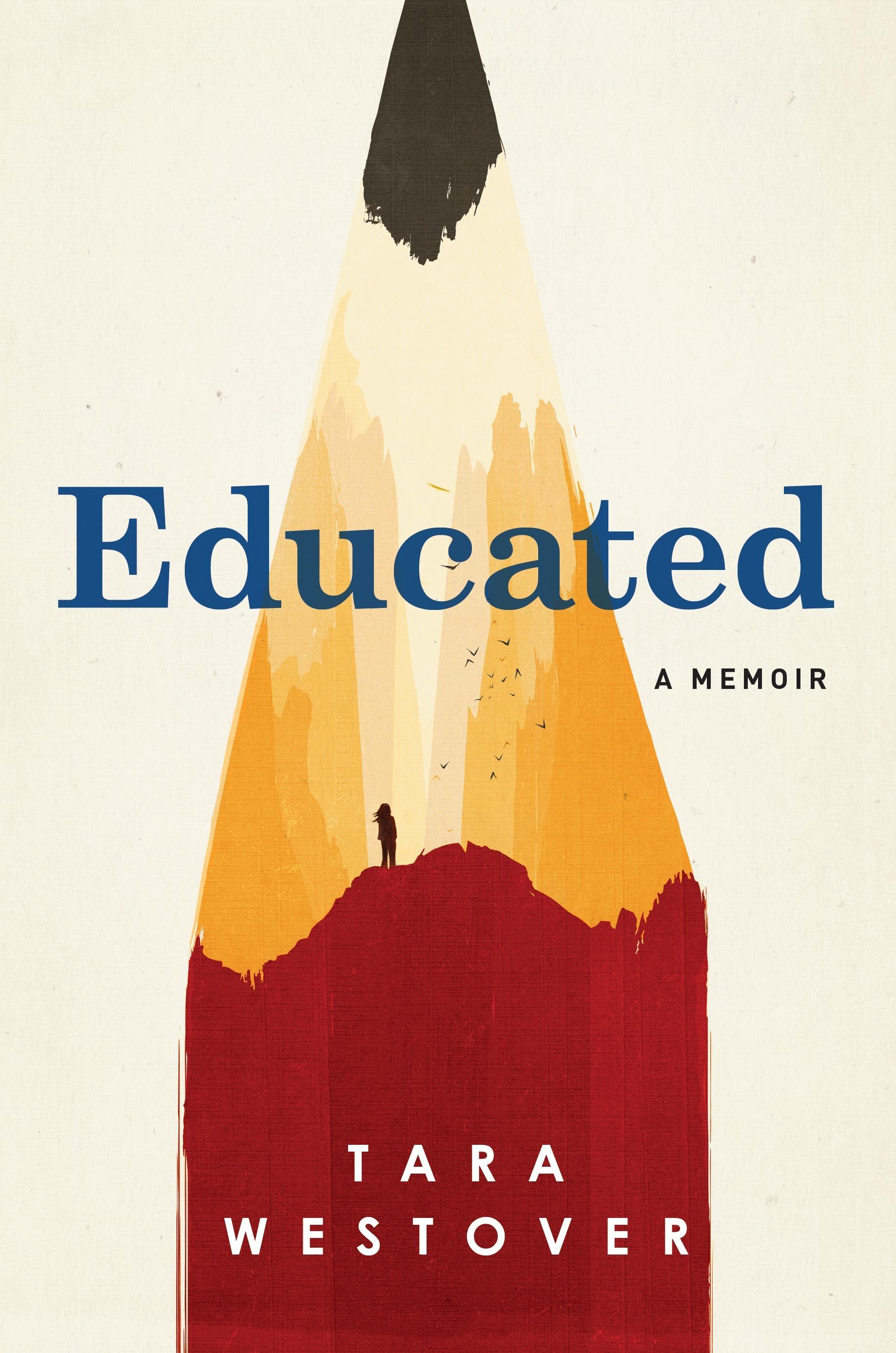
“Tara Westover’s Educated” tells the story of a young woman who grows up isolated in a strict, survivalist family in rural Idaho and ultimately breaks free through education. Born to parents who distrust formal institutions, Tara spends her early years helping her mother process herbal remedies and working in her father’s junkyard. Her upbringing leaves her without any official records—no birth certificate, no medical history, and no school enrollment. Despite this, Tara develops a fierce curiosity and a desire to learn.
At home, education takes an unconventional form. Tara’s mother teaches her midwifery and herbal lore, while her father warns against the corrupting influence of public schools. She learns to read on her own, poring over borrowed textbooks in their mountainside shack. Books become both refuge and revelation. Still, Tara lacks basic credentials. She has never taken a standardized test and doubts her own abilities.
When Tara finally decides to sit for the ACT, she studies ancient Greek and algebra by candlelight in the junkyard. She surprises herself by scoring well enough to win admission to Brigham Young University. Leaving home for the first time, she feels both exhilarated and terrified. The sprawling campus and student culture shock her. Math and history lectures challenge her in ways she never imagined.
At BYU, Tara flirts with a world far removed from the Idaho hills. She attends classes, meets professors who encourage her, and for the first time questions her family’s worldview. Her faith trembles as she encounters new ideas about science and history that contradict her father’s teachings. She struggles with guilt over abandoning her roots, yet she craves the freedom learning brings.
During her sophomore year, Tara travels to Cambridge University for a fellowship. She stands in ancient courtyards, marveling at centuries of scholarship. She wrestles with imposter syndrome, convinced she’s an interloper among elite peers. Still, she absorbs knowledge eagerly, refining her voice as a writer and thinker. Cambridge cements her belief that education can transform a life.
Back home between terms, Tara faces conflicting loyalties. Her family expects her to support her father’s apocalyptic warnings. They criticize her new friends and accuse her of betraying her faith. Yet Tara has seen the world from another vantage. She can’t unlearn what she has learned, and the rift between her and her family grows deeper.
Her older brother, Tyler, becomes an ally. He escaped the family’s isolation years earlier and encouraged Tara to seek formal schooling. He offers her a sense of belonging and the conviction that pursuing knowledge isn’t a sin. Together they reflect on their childhood and the patterns of violence in the household. Still, Tyler remains wary of their father’s rage.
Tara’s relationship with her mother is less fraught. She admires her mother’s skill with herbs and midwifery, even when she questions the extremism of her beliefs. Their bond shows Tara a gentler side of home. Yet tensions simmer whenever political or religious doctrines intrude. Tara realizes that she can honor her mother’s love without adopting her ideology wholesale.
At Cambridge she meets academics who urge her to investigate memory and trauma. She begins to question her own recollections of childhood events. Were some episodes exaggerated? Or did her family’s culture of denial obscure the truth? This inner conflict prompts Tara to write essays that probe the nature of memory and selfhood.
When she returns to BYU to complete her bachelor’s degree, Tara confronts both triumph and tragedy. She dedicates her commencement speech to the power of education. Yet a family crisis looms: her brother Shawn’s escalating violence toward her and her younger brother Val. Tara finally breaks with her father’s insistence on keeping domestic abuse hidden. She refuses to stay silent.
Tara’s decision to speak out fractures her family completely. She cuts ties with Shawn after he threatens her life. Her parents label her ungrateful and influenced by Satan. Tara feels heartbreak, but she also feels liberated. She no longer sacrifices her well-being to preserve family unity.
Turning inward, Tara pursues doctoral studies at Cambridge. She researches the intersections of memory, trauma, and education. In libraries and archives, she finds a haven. She hones her narrative voice, determined to tell her own story with clarity and honesty. As she writes, she understands that reclaiming her past means reclaiming herself.
Graduating with a PhD, Tara returns to Idaho to reconcile with the land but not the family. She visits the mountains of her youth and acknowledges the beauty that once sheltered her. She forgives the place but not the violence done in its name. She finds peace in knowing she has outrun fear.
Educated ends not with perfect closure, but with a promise of ongoing discovery. Tara stands at the threshold between her past and her future. She carries both her mother’s herbal remedies and her professors’ textbooks. She knows that education did not erase her history. Instead, it gave her the tools to understand and transcend it.
Detailed Summary
Key Takeaways
1. The Transformative Power of Learning
“I had been educated against my will, and I felt faint with relief.”
Cognitive Awakening: Tara Westover grew up isolated in rural Idaho without formal school or medical care. Her father distrusted institutions. Yet she began to teach herself math and grammar from library books. She wrote practice essays on scraps of notebook paper. Gradually, those small lessons unlocked a hunger for more knowledge.
When she finally sat for the ACT, she surprised herself with a high score. That test result opened a door to Brigham Young University. There she realized how little she knew. But she also felt empowered. Learning gave her new tools to question the world she had inherited.
Outsider Turned Scholar: Westover’s journey shows how education can lift a person out of isolation. She moved from a makeshift classroom in her family’s junkyard to elite universities in Utah and England. Each certificate represented a step away from the rules her father set. It also marked a step toward self-understanding and autonomy.
On a broader scale, her story inspires anyone denied opportunity. It also highlights global gaps in access to schooling. Millions still grow up without basic literacy or the chance to take standardized tests. Westover’s memoir reminds us that education can reshape identity and social mobility across cultures.
Key points:
- Self-taught in a hostile environment
- ACT scores unlocked university access
- Education unveiled wider worldviews
- Academic success spurred personal freedom
- Inspires those lacking formal schooling
2. Family Loyalty Versus Personal Truth
“We are bound together by blood, but we do not owe each other our lives.”
Conflict at the Core: Westover’s family held tight to their beliefs. Her father distrusted doctors and the government. Her mother practiced herbal remedies and midwifery. When Tara began to challenge those positions, conflict followed. She had to choose between the version of reality her family held dear and the facts she uncovered in books and labs.
That choice felt like a betrayal. She anguished over letters she wrote and rewrote, torn between honesty and love. Each new degree widened the gap. She saw how selective memory shaped her siblings’ accounts. Her search for truth stood in stark contrast with her family’s insistence on unity at any cost.
Fractured Bonds: Westover’s split illustrates a common tension in tight-knit communities. When someone questions shared beliefs, they risk exile. Families may cling to denial rather than face uncomfortable facts. That dynamic occurs worldwide—in political, religious, and cultural contexts alike.
Her story urges empathy for both sides. Loved ones who hold fast to a narrative may fear change as much as outsiders fear it. Yet progress often demands speaking uncomfortable truths. Westover’s memoir underlines the personal cost of that step. It also shows that reconciliation may not return things to the old normal.
Key points:
- Blood ties versus factual evidence
- Emotional toll of speaking out
- Family unity prioritized over honesty
- Selective memory fuels conflict
- Tension mirrors global cultural divides
3. Crafting a New Identity
“I am not the child the parents think I am. I am not the sister they remember.”
Becoming Herself: Raised to be a helpmate in her father’s survivalist vision, Tara found her purpose in academics. Each new paper she wrote and exam she aced shook the identity her family had assigned to her. She transformed from a farmhand to a scholar. That shift demanded introspection: who was she if not her father’s daughter?
At Cambridge, she faced imposter syndrome. She wore borrowed clothes and had little formal training in critical thinking. But she learned to redefine herself through achievement rather than obedience. Education gave her not just facts but new ways to see herself in relation to the world.
Universal Quest: Westover’s identity struggle echoes that of many first-generation students. They navigate two worlds: home and academia. Each place values different norms and languages. Success in one can feel like rejection of the other.
Her story encourages institutions to support such students. Mentors, writing centers, and peer groups can ease the cultural transition. On a societal level, it calls for greater understanding of how education reshapes personal and communal identities.
Key points:
- Shift from obedience to self-determination
- Imposter syndrome in elite settings
- New lenses on family roles
- Universality of first-generation challenges
- Need for institutional support
4. Surviving Trauma and Finding Healing
“Memory is a generous friend, but its gifts can be twisted.”
Hidden Wounds: Westover witnessed and endured physical and emotional abuse. At times, she feared her brother’s anger. Her father denied that harm occurred. Those denials left her doubting her own memories. She struggled with nightmares and guilt over leaving home.
In therapy and through writing, she began to piece together events. Journaling allowed her to name the injuries. She trained herself to distinguish fact from family lore. That process freed her from paralyzing doubt and guided her toward healing.
Broader Awareness: Her account shines light on domestic and religious abuse hidden behind closed doors. Survivors often lack proof or support. Westover’s willingness to name her trauma offers validation to others who fear they won’t be believed.
At a policy level, it highlights the need for resources in rural areas and insular communities. Access to counseling, legal aid, and supportive networks can help victims reclaim their stories and seek justice.
Key points:
- Denial complicates memory
- Writing as a therapeutic tool
- Naming trauma aids recovery
- Validation for other survivors
- Need for rural support services
5. The Fluidity of Memory
“I have sifted and sorted these memories until I could separate the lies from the truths.”
Reconstructing the Past: Family stories often clashed. Siblings remembered events differently. Westover realized that memory is not a video tape. It’s a reconstruction shaped by perspective and emotion. What felt comforting to her father could feel unsafe to her.
She examined journals, emails, and receipts. Those records became a check on her mind’s distortions. Through that work, she understood how power and denial can warp collective memory. Acknowledging memory’s flaws helped her reclaim authority over her own life narrative.
Collective Implications: On a societal level, memory shapes history and politics. Nations debate which version of past events to teach. When authorities suppress certain accounts, they rewrite collective memory. Westover’s journey serves as a cautionary tale: unexamined memory can protect abusers.
Her approach suggests tools for truth-seeking commissions: gather documents, interview multiple witnesses, and recognize personal bias. Those steps can build a richer, more honest shared history.
Key points:
- Memory as reconstruction
- Importance of records
- Power of denial in shaping narratives
- Implications for public history
- Model for truth-seeking processes
6. Breaking Free and Forging a Path
“To get here, I had to change who I was. I am still changing.”
Ongoing Transformation: Graduation did not end Westover’s struggle. She carried guilt for leaving her family behind. Yet she also embraced new friendships and discoveries. Each book she read and each debate she joined hammered her identity into something new.
Her story does not end with a degree. It continues in motherhood and in public speaking. She remains committed to learning. In that sense, her life embodies the idea that education is not a destination but a journey.
Inspiring Future Generations: Her memoir has reached millions and sparked conversations on homeschooling, mental health, and religious extremism. Families and educators use her experience to rethink teaching methods and boundaries.
On a larger scale, her path reminds readers that leaving home can mean both loss and discovery. Cultivating resilience and openness to change can help future generations navigate a rapidly shifting world.
Key points:
- Graduation as a milestone, not an end
- Lifelong commitment to learning
- Memoir’s cultural impact
- Reexamination of homeschooling norms
- Model of resilience and change
Future Outlook
As readers digest Westover’s journey, they will question how education shapes identity in the digital age. Distance learning and online resources now reach communities once cut off from formal schools. Yet her memoir warns that access alone cannot guarantee critical thinking. Institutions and families must foster environments where questioning is safe and supported.
Policy makers may draw on her story to expand mental health services in rural regions. Her account underscores how trauma hides behind self-reliance. Investments in counseling and community centers could offer crucial lifelines. Meanwhile, university mentors might design bridge programs for first-generation students facing culture shock.
Educated also invites scholars to study the fluid nature of memory. As we grapple with misinformation online, Westover’s methods of cross-referencing journals and witnesses may guide best practices for historians, journalists, and truth commissions. In a world awash with competing narratives, her techniques for untangling fact from fiction will remain vital.