Summary
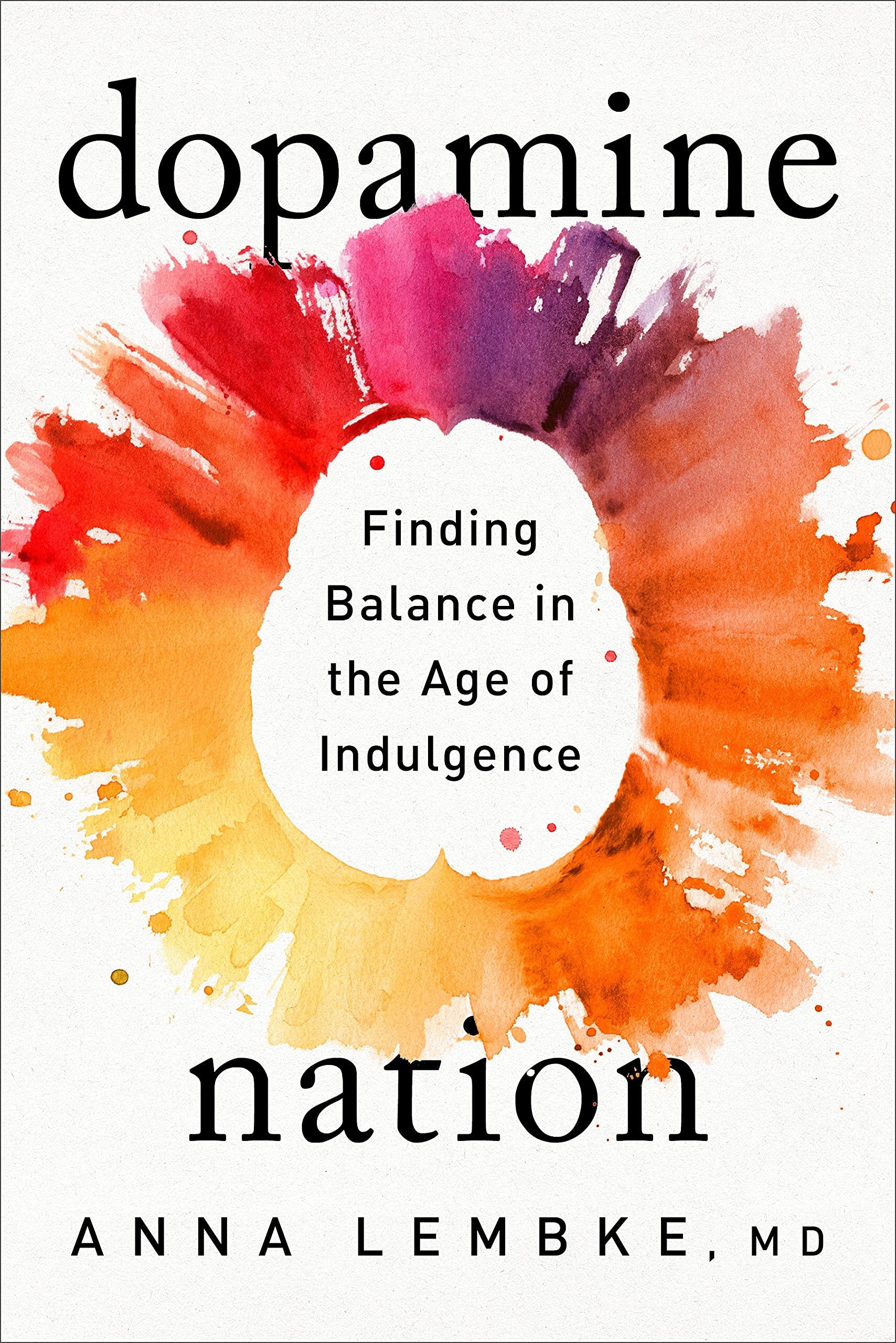
Dopamine Nation: Finding Balance in the Age of Indulgence by Anna Lembke explores how our constant chase for pleasure has left many of us trapped in cycles of craving and pain. Lembke, a psychiatrist and expert in addiction medicine, argues that the brain’s reward system evolved to help us survive, yet it now betrays us in an age of endless stimulation.
She begins by explaining that dopamine, often called the “feel-good” chemical, actually signals the anticipation of reward rather than its enjoyment. When we pursue foods, sex, social media, or substances, dopamine surges motivate us to seek more. Over time, those surges reset our internal balance and require ever-greater stimuli to achieve the same buzz.
In modern life, we face a smorgasbord of instant pleasures. Streaming services, gaming consoles, shopping apps, and constant notifications bombard us from dawn to dusk. Lembke warns that this abundance hijacks our natural reward pathways and leaves us numb when we confront life’s normal challenges.
Drawing on her clinical practice, Lembke describes patients who come in for back pain yet admit to using painkillers to “feel normal.” Others confess to endless scrolling on social media, even as they recognize how it fuels their anxiety. These stories illustrate a paradox: in seeking relief, people often worsen their suffering.
Central to her thesis is the principle of homeostasis—the body’s drive to maintain equilibrium. Just as a thermostat counters heat, the brain counteracts overstimulation with increased pain sensitivity or low mood. This pleasure-pain tug-of-war means every artificial high sets the stage for a deeper crash.
Lembke shares a case of a woman prescribed opioids after surgery who soon found herself unable to stop. Each pill delivered less relief, while withdrawal brought crippling discomfort. Her experience demonstrates how even short-term medical use can snowball into full-blown dependency when the brain adapts.
Beyond drugs, Lembke highlights behavioral addictions. She profiles individuals hooked on sugar, video games, and online gambling. Though these vices lack the stigma of heroin or alcohol, they trigger the same dopamine circuits and set off identical tolerance-and-withdrawal cycles.
The author dives into the neuroscience behind tolerance: repeated exposure dulls receptor sensitivity and shrinks pleasure zones. In effect, the brain builds walls around reward centers to guard against perpetual overstimulation. Yet those walls also block life’s simple joys.
When stimuli diminish, people feel cold emptiness. Lembke calls this the negative emotional fallout of unbalanced dopamine. Depression, restlessness, and irritability arise when the brain fights to restore its lost equilibrium.
To break free, she recommends intentional abstinence. By stepping away from addictive behaviors or substances, the brain can begin healing. Though withdrawal feels brutal at first, most patients report a slow return of emotional richness and resilience.
Lembke offers practical tools for a digital detox or “dopamine fast.” She suggests scheduling device-free periods, curbing sugar, and limiting bingeable entertainment. These steps foster tolerance recovery and reveal how our urges ebb in the absence of constant stimulation.
Crucially, the book emphasizes the power of human connection. Lembke shows how empathetic relationships and shared struggles boost oxytocin and endorphins, forging deeper satisfaction than any screen or snack can deliver. Community and accountability become antidotes to isolation-driven overindulgence.
She also urges readers to rediscover meaningful pursuits—gardening, volunteering, creative work—that challenge the brain without burning it out. These activities stimulate dopamine in a sustainable way, allowing steady progress and genuine fulfillment.
In closing, Dopamine Nation is both a warning and a guide. Lembke insists that balance, not total purity, must be our goal. By understanding our own reward circuitry and setting wise limits, we can reclaim the capacity for pleasure and pain without becoming enslaved to either.
Ultimately, Anna Lembke’s message rings hopeful: humans adapt and heal when given a chance. If we learn to step back from the edge of indulgence, we can restore equilibrium, savor simple joys, and live with a richer, more stable sense of well-being.
Detailed Summary
Key Takeaways
1. The Pleasure–Pain Balance
“When we chase pleasure without pause, we risk tipping the scales toward pain.”
Neurochemical Equilibrium: Brain circuits link pleasure and pain. Dopamine signals reward and reinforces behavior. Overstimulating these pathways dulls our capacity to feel pleasure. As we seek more hits of pleasure, the nervous system counters by heightening pain sensitivity.
Lembke explains that every dose of pleasure triggers a homeostatic response. The brain reduces dopamine receptors. It readjusts so the next pleasure burst feels muted. Meanwhile, the pain threshold lowers. Over time, the search for comfort becomes a trap in which relief feels fleeting.
The Cycle of Tolerance and Withdrawal: Clinicians see this cycle in addiction patients. They chase the next high but face deeper lows. It applies to substances and behaviors, from drugs and alcohol to compulsive shopping or social media scrolling. Each indulgence brings short relief but long-term distress.
On a societal level, this imbalance underlies rising rates of anxiety and depression. People self-medicate to numb discomfort. Yet greater exposure to dopamine triggers breeds more intolerance. Communities may stigmatize addiction. Recognizing this neurochemical loop invites compassion and more effective treatment strategies.
Key points:
- Pleasure and pain share linked neural circuits
- Overstimulation reduces dopamine receptor sensitivity
- Tolerance demands larger or more frequent rewards
- Withdrawal heightens pain and distress
- Cycle fuels both substance and behavioral addictions
2. Modern Abundance as a Driver
“Our era of abundance tempts us with more opportunity for instant gratification than ever before.”
Unlimited Access: We live in an age of near-instant dopamine delivery. Streaming video, delivered food, endless notifications—each offers a quick rush of reward. Lembke argues that humans did not evolve for this level of stimulus. Our brains still operate on scarcity programming.
We expect five-star service, rapid feedback, constant entertainment. That cultural shift intensifies our need for novelty. We forget that dopamine requires downtime to reset. Without rest, the system overloads and becomes less responsive. The constant chase of new stimuli leaves us emotionally exhausted.
Public Health and Policy: Health experts note skyrocketing rates of burnout, screen addiction, and compulsive buying. Schools struggle to curb tech consumption among youth. Workplaces see reduced attention spans and fractured productivity. Policymakers grapple with how to regulate tech giants whose designs exploit dopamine pathways.
This insight urges collective measures: limits on social media time, “digital wellness” campaigns, and nudges toward mindful consumption. Insurance providers and employers consider covering programs that teach dopamine detox. By addressing abundance at the societal level, we shore up resilience and curb excessive behaviors.
Key points:
- Digital media offers endless novelty
- Modern services fuel instant gratification
- Brain mechanisms evolved for scarcity
- Constant stimulation leads to emotional fatigue
- Policy interventions can promote balance
3. The Role of Dopamine Fasting
“Undergoing periods of voluntary abstinence teaches the brain to reset its reward threshold.”
Intentional Abstinence: Dopamine fasting means stepping away from all rewarding stimuli. You avoid screens, sugar, even socializing for a set time. This break gives receptors time to recover. You restore sensitivity so smaller pleasures feel rewarding again.
Lembke describes guided fasts in clinic settings. Patients face withdrawal discomfort at first. But after a few days, they often report improved mood, sharper focus, and renewed enjoyment of simple activities. This practice rebalances pleasure and pain circuits through controlled challenge.
Clinical and Everyday Practice: In rehabilitation centers, structured fasts form part of therapy. Counselors design tailored fasts for alcohol, gaming, or shopping addictions. Participants learn to handle cravings rather than chase relief. They build tolerance for discomfort.
Outside clinics, individuals adopt micro-fasts. They set phone-free weekends or sugar-free weeks. Even short breaks can recalibrate reward responses. Communities share fast experiences online, normalizing discomfort as part of growth rather than shameful weakness.
Key points:
- Fast from all dopamine-triggering activities
- Allow neural circuits time to reset
- Experience initial withdrawal symptoms
- Regain sensitivity to everyday pleasures
- Apply both clinically and informally
4. Pain as a Signal
“Discomfort is feedback—not failure.”
Interpreting Discomfort: People see pain as something to avoid at all costs. Lembke reframes it as essential information from the brain. Physical and emotional pain signal that reward systems are out of balance. Acknowledging pain helps reveal underlying issues.
She cites chronic pain patients. They learn to interpret signals instead of immediately seeking relief. Similarly, emotional pain can guide us to change habits or life circumstances. By viewing discomfort as feedback, we engage problems rather than anesthetize them.
Shifting Cultural Attitudes: In Western societies, stoicism often takes a back seat to convenience. We medicate minor aches and anxieties. This approach may undermine resilience. A culture that embraces manageable discomfort could foster stronger coping skills.
Clinics and support groups are introducing pain education. Patients practice naming and tolerating sensations. They learn distress tolerance skills, reducing reliance on substances or quick fixes. Over time, this creates a population better equipped to face life’s inevitable hardships.
Key points:
- Pain indicates dysregulated reward systems
- Viewing discomfort as feedback fosters growth
- Patients learn to tolerate and interpret signals
- Cultural shift toward resilience over convenience
- Education reduces quick-fix dependency
5. Social Connection and Dopamine
“Human bonds are one of the most potent natural sources of dopamine.”
Authentic Interaction: Lembke highlights that genuine social ties release dopamine in balanced, sustainable ways. Shared laughter, empathy, physical touch—these triggers differ from the artificial highs of screens or substances. They build trust and safety.
She outlines studies showing that loneliness and social isolation raise addiction risk. When people lack real connections, they chase substitutes. Social support not only eases withdrawal during rehab but also acts as a protective factor against relapse.
Community-Based Recovery: Recovery programs underscore group meetings and peer support. Alcoholics Anonymous, recovery houses, faith groups—all restore connection. They tap into natural reward circuits without chemical disruption.
Beyond addiction, workplaces and schools can foster peer mentoring and cooperative projects. Building community counters the lure of solitary dopamine hits. It also promotes mental health by meeting basic human needs for belonging.
Key points:
- Real bonds trigger balanced dopamine release
- Loneliness fuels search for artificial highs
- Social support eases withdrawal discomfort
- Group settings strengthen long-term recovery
- Communities can mitigate addictive behaviors
6. Self-Regulation as a Skill
“Willpower alone won’t suffice. We need systems that support restraint.”
Designing for Discipline: Lembke stresses that self-control emerges from environmental design, not sheer grit. We set up temptations and then blame ourselves for failure. She recommends shaping cues and contexts to make healthier choices easier.
Examples include removing apps from home screens, keeping no junk food at home, or establishing device-free zones. By altering our surroundings, we reduce demand on willpower. Over time, self-regulation becomes more automatic than forced.
Policy and Architecture: Public health policies mirror this principle through “choice architecture.” Governments add warning labels, restrict advertising, or tax harmful substances. Companies can redesign products with default off settings for notifications.
Individuals also use technology: apps that lock addictive sites, digital timers, or accountability partners. Collectively, these systems scaffold healthy habits. They transform self-regulation from an uphill battle into a manageable path.
Key points:
- Willpower is finite and unreliable
- Restructure environment to reduce temptations
- Use cues that nudge healthier behavior
- Leverage choice architecture in policy
- Automate self-control through design
Future Outlook
Anna Lembke’s insights ignite a vital conversation about how our brains and societies respond to unlimited gratification. As technology continues to evolve, we must proactively shape environments that foster balance. Regulations on addictive design features may gain momentum, and digital wellbeing tools will likely become standard offerings from tech firms.
Clinicians and public health experts will expand training in reward system literacy. Schools might teach children about dopamine early on, equipping them to navigate modern temptations. Meanwhile, community programs that emphasize face-to-face connection could flourish, emphasizing preventive approaches over crisis management.
Ultimately, Dopamine Nation encourages us to reframe discomfort as a guidepost rather than an enemy. This mindset shift could reshape mental health care, workplace policies, and personal habits. By learning to tolerate and interpret the signals of our neural reward circuits, we’ll cultivate deeper resilience and a more meaningful sense of fulfillment.